The Legalities of Home Insemination: Ensuring a Smooth Process
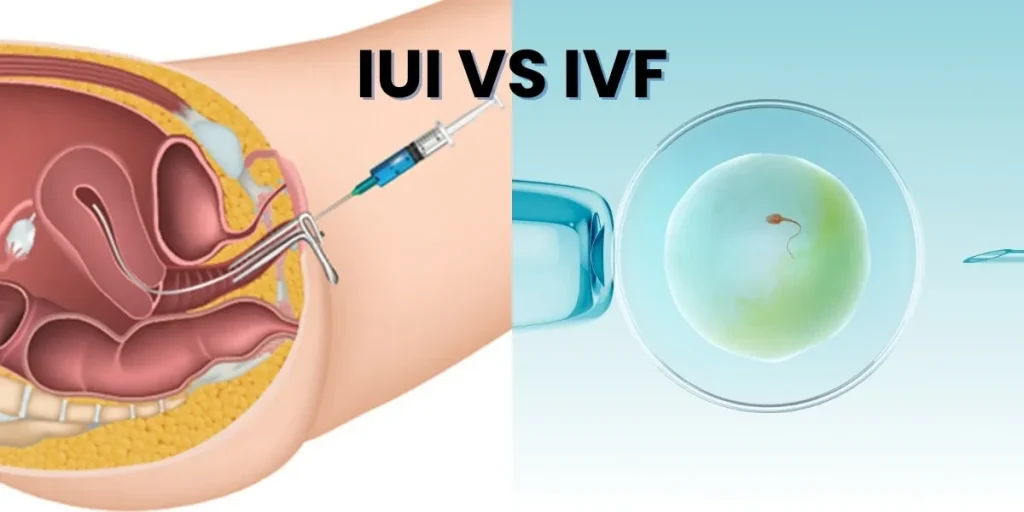
Home insemination, also known as artificial insemination, is a method of conceiving a child without sexual intercourse. This process involves using a syringe or other medical device to insert sperm into the cervix or uterus of a person who is trying to conceive. While home insemination may seem like a simple and convenient option for those struggling with fertility or same-sex couples, there are important legal considerations to keep in mind. In this blog post, we will discuss the legalities surrounding home insemination and provide insights on how to ensure a smooth and successful process.
The Legality of Home Insemination
The legality of home insemination varies from country to country and even from state to state within the United States. In general, home insemination is not explicitly banned, but it is not always explicitly legal either. This is because the laws surrounding fertility and assisted reproduction are often outdated and do not specifically address home insemination.
For example, in the United States, the Food and Drug Administration (FDA) regulates the use of donor sperm for insemination, but these regulations only apply to sperm banks and not to individuals using home insemination. This means that individuals using donor sperm for home insemination may not have the same protections and regulations as those using sperm from a sperm bank.
In some countries, such as Canada, home insemination is considered a form of assisted reproduction and is regulated by the government. This means that individuals must follow certain guidelines and obtain proper legal documentation before engaging in home insemination.
The Importance of Legal Documentation
Even though home insemination may not be explicitly regulated, it is still crucial to have proper legal documentation in place. This is especially important for same-sex couples and individuals using a known donor. In these cases, it is essential to have a written agreement outlining the rights and responsibilities of all parties involved.
This agreement should also include details about the donor’s involvement in the child’s life, such as whether they will have any legal or financial responsibilities. It is also crucial to outline what will happen in the event of a dispute or if one party wants to terminate the agreement.
In addition to a written agreement, individuals using donor sperm for home insemination should also obtain a medical release form from the donor. This form should state that the donor has been tested for any communicable diseases and is free of any genetic disorders that could be passed on to the child.
The Role of Parentage Laws
The Legalities of Home Insemination: Ensuring a Smooth Process
Parentage laws are another important consideration when it comes to home insemination. These laws determine who is legally recognized as the parent of a child. In most cases, the person who gives birth to the child is considered the legal parent. However, this may not be the case for same-sex couples or individuals using a sperm donor for home insemination.
In some states, the sperm donor may be recognized as the legal father of the child, especially if the donor is not anonymous and has some involvement in the child’s life. This can lead to complicated legal issues and may impact custody and child support arrangements.
To avoid any potential legal issues, it is crucial to research and understand the parentage laws in your state or country before proceeding with home insemination. In some cases, it may be necessary to obtain a second-parent adoption or establish legal parentage through a court order.
Tips for a Smooth and Successful Home Insemination
Now that we have discussed the legalities surrounding home insemination, here are some tips to ensure a smooth and successful process:
1. Consult with a Fertility Specialist: Before starting the process, it is important to consult with a fertility specialist to determine if home insemination is the right option for you. They can also provide guidance on the best practices for home insemination.
2. Use a Known Donor: While using a sperm donor from a sperm bank may seem like a convenient option, it is recommended to use a known donor. This allows for proper legal documentation and eliminates any potential legal issues in the future.
3. Have a Lawyer Review All Legal Documents: It is crucial to have a lawyer review all legal documents, including the written agreement and medical release form, to ensure they are legally binding and protect all parties involved.
4. Follow Proper Medical Procedures: It is essential to follow proper medical procedures when performing home insemination. This includes using sterile equipment and following the instructions provided by your fertility specialist.
5. Keep Detailed Records: It is important to keep detailed records of the entire home insemination process, including any medical procedures, legal documents, and communication with the donor. These records may be useful in the future if any legal issues arise.
Conclusion
Home insemination can be a viable option for those struggling with fertility or same-sex couples wanting to conceive. However, it is essential to understand the legalities surrounding this process and take the necessary steps to ensure a smooth and successful experience. By following the tips outlined in this blog post and consulting with legal professionals, you can navigate the legal complexities of home insemination and focus on the joy of starting or expanding your family.