Tag: ovulation prediction

  • The Role of Ovulation Tracking in Improving At-Home Insemination Success Rates

    Blog Post Title: The Role of Ovulation Tracking in Improving At-Home Insemination Success Rates

    Summary:

    At-home insemination is becoming an increasingly popular method of conception for individuals and couples who are struggling with fertility or prefer a more intimate and cost-effective option. However, the success rates of at-home insemination can be improved by incorporating ovulation tracking into the process. Ovulation tracking involves monitoring a woman’s menstrual cycle to determine the most fertile days for conception. By tracking ovulation, couples can time their at-home insemination attempts more accurately, increasing the chances of a successful pregnancy. In this blog post, we will discuss the role of ovulation tracking in improving at-home insemination success rates and how couples can utilize this method for a better chance at conception.

    Introduction:

    At-home insemination, also known as self-insemination or home insemination, is the process of inserting sperm into a woman’s reproductive tract without medical assistance. This method is often used by same-sex female couples, single women, and heterosexual couples who are struggling with infertility. At-home insemination offers a more intimate and affordable alternative to traditional fertility treatments such as intrauterine insemination (IUI) and in vitro fertilization (IVF). However, the success rates of at-home insemination can vary, and many couples may be unaware of the crucial role that ovulation tracking plays in increasing their chances of conception.

    What is Ovulation Tracking?

    Ovulation tracking, also known as ovulation prediction or fertility tracking, is the process of determining a woman’s most fertile days in her menstrual cycle. Ovulation is the release of an egg from the ovary, which occurs once a month, usually around day 14 of a 28-day cycle. However, this can vary from woman to woman, and factors such as stress, illness, and hormonal imbalances can affect the timing of ovulation. Therefore, tracking ovulation is essential for couples trying to conceive, as it helps them pinpoint the best time to have intercourse or attempt at-home insemination.

    Methods of Ovulation Tracking:

    There are various methods of tracking ovulation, and each has its benefits and drawbacks. These methods include:

    1. Basal Body Temperature (BBT) Tracking: This method involves taking your temperature every morning before getting out of bed and recording it on a chart. A woman’s basal body temperature rises slightly after ovulation, indicating that she has ovulated. However, this method requires consistency and can be affected by factors such as alcohol consumption and lack of sleep.

    2. Ovulation Predictor Kits (OPKs): These kits detect the surge of luteinizing hormone (LH) in a woman’s body, which happens 24-36 hours before ovulation. OPKs are available over-the-counter and are relatively easy to use. However, they can be expensive and may not be accurate for women with hormonal imbalances.

    3. Cervical Mucus Monitoring: A woman’s cervical mucus changes throughout her cycle, becoming thin and stretchy around ovulation. By monitoring the consistency and color of her cervical mucus, a woman can determine when she is most fertile. This method may be challenging for some women to track accurately.

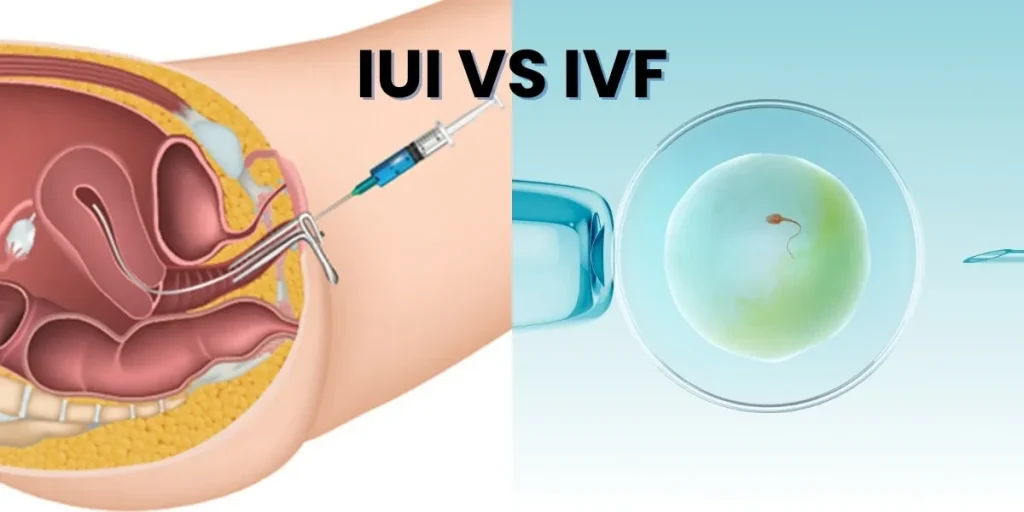
    Comparison of IUI and IVF with illustrations of each procedure.

    The Role of Ovulation Tracking in Improving At-Home Insemination Success Rates

    4. Fertility Tracking Apps: With the advancement of technology, there are now many apps available that help women track their ovulation. These apps use various methods, such as BBT tracking and OPKs, to predict ovulation and fertile days. However, they may not be accurate for all women, and it is essential to choose a reliable app.

    How Ovulation Tracking Improves At-Home Insemination Success Rates:

    Timing is crucial when it comes to at-home insemination. Sperm can survive in a woman’s reproductive tract for up to five days, while an egg only survives for 12-24 hours after ovulation. Therefore, couples must have intercourse or inseminate within this window for conception to occur. By tracking ovulation, couples can determine the most fertile days and time their attempts accordingly, increasing the chances of sperm meeting the egg.

    Moreover, tracking ovulation can also help identify any issues that may be affecting a woman’s fertility. For instance, if a woman consistently experiences irregular or absent ovulation, it could indicate an underlying health issue that may require medical intervention. By tracking ovulation, couples can address these issues and improve their chances of conception.

    Tips for Incorporating Ovulation Tracking into At-Home Insemination:

    1. Start Tracking Early: It is recommended to start tracking ovulation at least three months before attempting at-home insemination. This allows couples to get familiar with their cycles and identify any potential issues that need to be addressed.

    2. Use Multiple Methods: To increase accuracy, it is best to use multiple ovulation tracking methods, such as BBT tracking and OPKs. This will help to confirm ovulation and give a more precise prediction of fertile days.

    3. Communicate with Your Partner: It is crucial to communicate with your partner throughout the process of ovulation tracking and at-home insemination. This will ensure that you are both on the same page and can plan accordingly.

    4. Seek Professional Help: If you have been tracking ovulation for a few months and are still not successful, it may be best to seek professional help. A fertility specialist can provide guidance and support and may recommend additional methods, such as fertility medications, to increase the chances of conception.

    Conclusion:

    At-home insemination can be an effective method of conception for couples struggling with fertility or looking for a more intimate and cost-effective option. However, by incorporating ovulation tracking into the process, the success rates of at-home insemination can be significantly increased. By monitoring a woman’s menstrual cycle and determining the most fertile days, couples can time their attempts more accurately, improving their chances of a successful pregnancy. With the advancements in technology and various methods available, ovulation tracking has become more accessible and can be easily incorporated into the at-home insemination process.

    SEO metadata:
  • The Personal Touch: The Benefits of Traditional Fertility Tracking Methods

    Blog Post:

    In today’s fast-paced world, we are constantly bombarded with new technology and modern methods for tracking our health and wellness. However, when it comes to fertility tracking, sometimes the old-fashioned, traditional methods can provide the most accurate and beneficial results. In this blog post, we will explore the benefits of using traditional fertility tracking methods and why they may be the best choice for you.

    Traditional fertility tracking methods have been used for centuries, long before the invention of modern technology. These methods rely on observing and recording physical signs and symptoms of a woman’s menstrual cycle to determine fertility. The most common traditional methods include basal body temperature charting, cervical mucus monitoring, and tracking changes in the cervix position.

    One of the main benefits of using traditional fertility tracking methods is their accessibility and ease of use. Unlike modern methods that may require expensive devices or apps, traditional methods only require a pen and paper. This makes it a more affordable option for those who may not have access to or prefer not to use technology. Additionally, these methods can be used by women of all ages and in any stage of their reproductive journey, from those trying to conceive to those in menopause.

    Another advantage of traditional fertility tracking methods is their ability to provide a more intimate and personal experience for the user. By closely monitoring and recording changes in their body, women can develop a deeper understanding of their reproductive health. This can help them to identify any potential issues or irregularities and seek medical advice if needed. Additionally, the act of tracking one’s fertility can help women feel more connected to their bodies and in tune with their natural cycles.

    One of the most significant benefits of traditional fertility tracking methods is their accuracy. While modern methods may rely on algorithms and predictions, traditional methods are based on actual physical changes in the body. For example, basal body temperature charting involves taking one’s temperature every morning before getting out of bed to track the slight increase in body temperature that occurs after ovulation. This method has been shown to be up to 99% accurate in predicting ovulation.

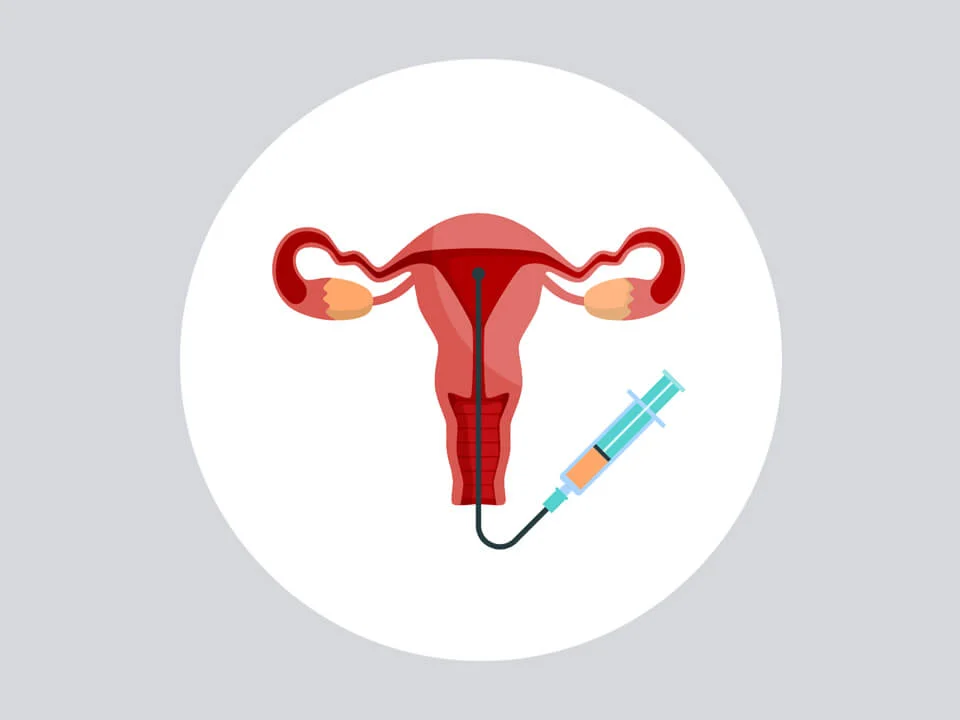
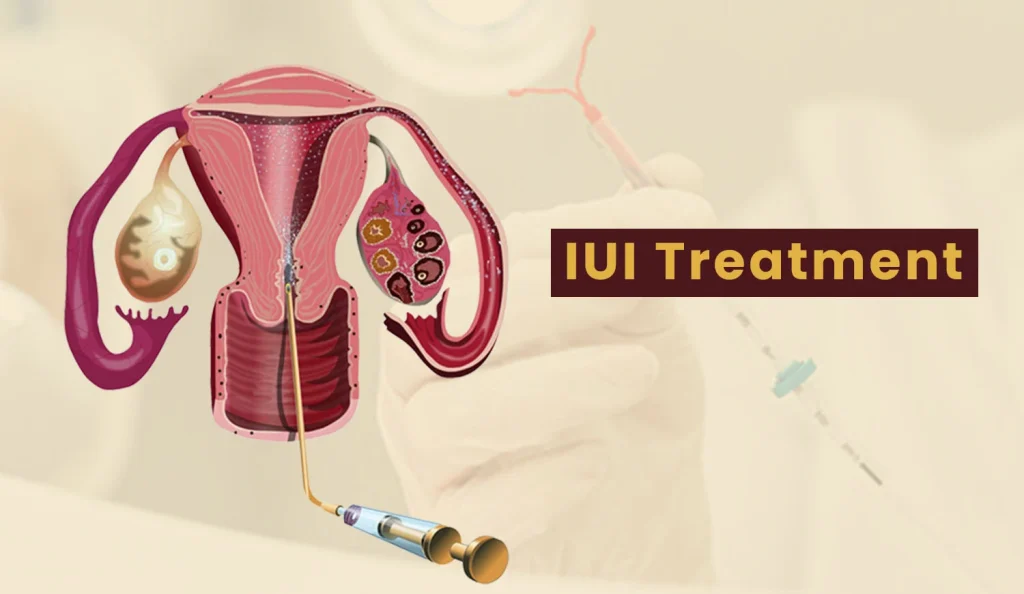
    illustration of the uterus and ovaries with a syringe, labeled "IUI Treatment" in the background

    The Personal Touch: The Benefits of Traditional Fertility Tracking Methods

    Similarly, tracking changes in cervical mucus can also provide valuable information about one’s fertility. As a woman approaches ovulation, her cervical mucus becomes thinner, clearer, and more stretchy to allow sperm to travel through the cervix more easily. Monitoring these changes can help pinpoint the most fertile days of a woman’s cycle. Additionally, tracking changes in the cervix position can also provide valuable information about fertility. As ovulation approaches, the cervix becomes softer, higher, and more open, allowing sperm to enter more easily.

    Aside from accurately predicting ovulation, traditional fertility tracking methods can also provide insight into overall reproductive health. For example, changes in basal body temperature or irregularities in cervical mucus can indicate hormonal imbalances or potential fertility issues. In these cases, tracking these changes can help women identify potential issues and seek medical advice or treatment.

    Moreover, using traditional fertility tracking methods can also be beneficial for couples trying to conceive. By closely monitoring ovulation and tracking changes in the body, couples can increase their chances of conception by timing intercourse during the most fertile days of a woman’s cycle. This can be especially helpful for those who may have irregular cycles or for couples who are not ready to explore more invasive fertility treatments.

    In contrast to modern methods, traditional fertility tracking methods also offer a more natural approach to fertility tracking. Many women are wary of using birth control methods that involve hormones or invasive procedures, and traditional methods provide a non-invasive and hormone-free alternative. This can be particularly beneficial for women who are trying to conceive and want to avoid any potential interference with their natural fertility.

    In conclusion, while modern technology has certainly made fertility tracking more convenient, traditional methods still offer numerous benefits. These methods are affordable, accessible, and can provide a more intimate and accurate understanding of one’s fertility. They can also be beneficial for overall reproductive health and offer a more natural approach to fertility tracking. So, before jumping on the bandwagon of new fertility tracking methods, consider giving traditional methods a try and experience the personal touch they can provide.

    Summary:

    Traditional fertility tracking methods, such as basal body temperature charting, cervical mucus monitoring, and tracking changes in the cervix position, have been used for centuries and offer numerous benefits. These methods are accessible, affordable, and provide a more intimate and personal experience for the user. They are also highly accurate and can provide valuable insight into overall reproductive health. Moreover, they offer a more natural approach to fertility tracking and can be beneficial for couples trying to conceive. Instead of solely relying on modern technology, consider incorporating traditional methods into your fertility tracking routine for a more holistic approach.

  • The Accuracy of Fertility Tracking Devices: Fact vs Fiction

    Blog post:

    Fertility tracking has become increasingly popular among women who are trying to conceive or avoid pregnancy. With the rise of technology, there are now numerous fertility tracking devices on the market, claiming to accurately predict a woman’s fertile window and ovulation. But with so many options available, it’s important to understand the accuracy of these devices and separate fact from fiction.

    First, let’s discuss the different types of fertility tracking devices. The most common ones are basal body temperature (BBT) thermometers, ovulation predictor kits (OPKs), and fertility tracking apps. BBT thermometers measure a woman’s basal body temperature, which increases slightly after ovulation. OPKs detect the surge of luteinizing hormone (LH) that occurs right before ovulation. And fertility tracking apps use a combination of data, including BBT and menstrual cycle information, to predict ovulation and fertile days.

    Now, let’s dive into the accuracy of these devices and address some common myths.

    Myth #1: Fertility tracking devices are 100% accurate.

    Fact: No fertility tracking device is 100% accurate. While some devices may be more accurate than others, they all have a margin of error. BBT thermometers, for example, can be affected by external factors such as illness or lack of sleep, which can alter a woman’s basal body temperature. OPKs can also give false positive results if a woman has high levels of LH due to certain medical conditions. And fertility tracking apps rely on data input from the user, which can be inaccurate or incomplete.

    Myth #2: Fertility tracking devices can replace contraception.

    Fact: While fertility tracking can be used as a method of natural family planning, it should not be relied upon as the sole method of contraception. As mentioned before, these devices are not 100% accurate and there is always a chance of human error. Additionally, fertility can vary from month to month, making it difficult to accurately predict ovulation. If avoiding pregnancy is a priority, it’s best to use a combination of methods, such as barrier methods or hormonal birth control, along with fertility tracking.

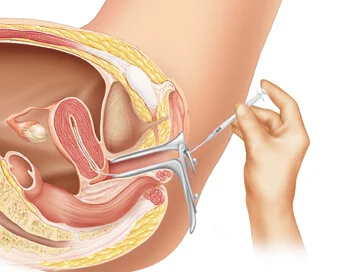
    Illustration of a uterus with a syringe, representing intrauterine insemination (IUI) procedure.

    The Accuracy of Fertility Tracking Devices: Fact vs Fiction

    Myth #3: All fertility tracking devices are the same.

    Fact: There are many different types of fertility tracking devices and they all work differently. Some may be more accurate or easier to use than others. It’s important to do your research and choose a device that fits your needs and lifestyle. For example, if you have irregular cycles, a fertility tracking app that uses algorithms to predict ovulation may be more helpful than a BBT thermometer. It’s also important to note that some devices may require a subscription or additional purchases, so be sure to factor in the cost when making your decision.

    Myth #4: Fertility tracking is only for women trying to conceive.

    Fact: Fertility tracking can be beneficial for women who are trying to conceive, but it can also be helpful for those who are not. By tracking your menstrual cycle and ovulation, you can gain a better understanding of your body and reproductive health. This can be especially useful for women with irregular cycles or those who want to monitor their overall health and wellness.

    Myth #5: Fertility tracking devices are a guarantee for pregnancy.

    Fact: While fertility tracking can increase your chances of getting pregnant, it is not a guarantee. It’s important to remember that there are many factors that can affect fertility, and even with perfect timing, there is still only a 20-30% chance of conceiving each month. It’s also important to seek medical advice if you have been actively trying to conceive for more than a year with no success.

    So, what’s the bottom line? While fertility tracking devices can be a useful tool for women trying to conceive or monitor their reproductive health, they are not foolproof. It’s important to understand their limitations and use them in conjunction with other methods for the best results. And if you are struggling with fertility, it’s always best to consult with a healthcare professional.

    In summary, fertility tracking devices are not 100% accurate and should not be relied upon as the sole method of contraception. It’s important to choose the right device for your needs and use it in combination with other methods. Fertility tracking is not just for those trying to conceive, and it is not a guarantee for pregnancy. Understanding the accuracy and limitations of these devices is key to using them effectively.

  • Fertility Tracking in the Digital Age: How Devices are Changing the Game

    Blog Post:

    Fertility tracking has always been an important aspect of family planning and reproductive health. In the past, this process has primarily been done through manual methods such as tracking menstrual cycles and using ovulation kits. However, in the digital age, the landscape of fertility tracking has drastically changed with the introduction of various devices and apps. These devices not only make the process more convenient and efficient, but also provide more accurate and detailed information for individuals and couples trying to conceive. In this blog post, we will explore the different ways in which devices are changing the game of fertility tracking in the digital age.

    One of the most popular devices in the realm of fertility tracking is the wearable fertility tracker. These small devices are typically worn on the wrist or placed under the arm and use advanced technology to track key metrics such as basal body temperature, heart rate, and sleep patterns. This data is then synced to a corresponding app on the user’s phone, providing them with valuable insights about their fertility and menstrual cycle. These trackers can also help predict ovulation and fertile windows, making it easier for individuals and couples to plan accordingly.

    Another device that has gained popularity in recent years is the smart thermometer. These thermometers are specifically designed for fertility tracking and are able to measure basal body temperature with a high degree of accuracy. This information is then synced to an app where users can track their cycles and identify ovulation patterns. The advantage of using a smart thermometer is that it eliminates the need for manual charting and recording, making the process more efficient and less prone to human error.

    In addition to wearable devices and thermometers, there are also a plethora of fertility tracking apps available on the market. These apps use a combination of data input by the user and algorithms to predict fertility and ovulation. Some apps also allow users to track other factors such as cervical mucus, ovulation pain, and sexual activity, providing a more comprehensive picture of their fertility. These apps also often come with features such as cycle tracking, period reminders, and ovulation calendars, making it easier for individuals to stay on top of their reproductive health.

    illustration of intrauterine insemination procedure with a hand holding a speculum and syringe near the uterus

    Fertility Tracking in the Digital Age: How Devices are Changing the Game

    One of the most significant advantages of using these devices and apps for fertility tracking is the ability to accurately predict ovulation and fertile windows. This is especially helpful for individuals and couples trying to conceive, as it increases their chances of success. In the past, ovulation prediction was done through methods such as tracking basal body temperature and cervical mucus, which could be subjective and prone to error. With the use of technology, the process has become more precise and reliable, giving individuals and couples a better understanding of their fertility and increasing their chances of conceiving.

    Moreover, these devices and apps also provide a more holistic approach to fertility tracking. Instead of just focusing on ovulation and fertile windows, they also take into account other factors such as sleep patterns, stress levels, and overall health. This allows individuals to have a better understanding of how their lifestyle and habits can affect their fertility, and make necessary changes to improve their chances of conceiving.

    However, as with any technology, there are also potential downsides to relying solely on these devices and apps for fertility tracking. One of the main concerns is the accuracy of the data collected. While these devices and apps are designed to be precise, there is always a margin of error. This could potentially lead to false predictions and impact the effectiveness of family planning methods. It is important for users to understand the limitations of these devices and apps and use them as a tool in conjunction with other methods of fertility tracking.

    In conclusion, the introduction of devices and apps in the realm of fertility tracking has revolutionized the way individuals and couples approach family planning and reproductive health. These tools provide a more convenient, efficient, and accurate way to track fertility and ovulation, making it easier for individuals to plan and achieve their desired outcomes. However, it is important to use these devices and apps with caution and not solely rely on them for fertility tracking. By understanding their limitations and using them as a tool alongside other methods, individuals can truly harness the power of technology to take control of their reproductive health.

    Summary:

    In the digital age, fertility tracking has become more convenient and accurate with the introduction of wearable devices, smart thermometers, and fertility tracking apps. These tools provide users with valuable insights about their fertility and menstrual cycle, allowing them to accurately predict ovulation and fertile windows. They also offer a more holistic approach to fertility tracking, taking into account factors such as sleep patterns and stress levels. However, it is important to use these tools with caution and not solely rely on them, as there is always a margin of error. By understanding their limitations, individuals can effectively use these devices and apps to take control of their reproductive health.

  • Fertility Tracking Apps: A Game-Changer in Family Planning

    Blog Post: Fertility Tracking Apps: A Game-Changer in Family Planning

    In today’s world, technology has revolutionized every aspect of our lives, including family planning. Gone are the days when couples had to rely on traditional methods or visit a doctor to track their fertility. With the rise of fertility tracking apps, couples can now take control of their reproductive health in the comfort of their own homes. These apps have proven to be a game-changer in family planning, providing a convenient and accurate way for couples to track their fertility and plan or prevent pregnancy. In this blog post, we will delve deeper into the world of fertility tracking apps and explore how they have transformed the way we approach family planning.

    What are Fertility Tracking Apps?

    Fertility tracking apps are mobile applications that use algorithms and data input by the user to predict the fertile window and ovulation. These apps can track various factors such as menstrual cycles, basal body temperature, cervical mucus, and other symptoms to determine the most fertile days for a person. Some apps also allow users to input additional information, such as sexual activity and ovulation tests, to provide more accurate predictions. The data is then used to generate a personalized fertility calendar, which can help couples plan or prevent pregnancy.

    Benefits of Fertility Tracking Apps

    1. Convenience

    One of the biggest advantages of fertility tracking apps is their convenience. These apps are easily accessible and can be used on the go, making them a practical choice for couples who lead busy lives. Unlike traditional methods, such as tracking basal body temperature or using ovulation test kits, these apps require minimal effort and time.

    2. Cost-Effective

    Fertility tracking apps are a cost-effective alternative to traditional family planning methods. While ovulation test kits and fertility monitors can be expensive, most fertility tracking apps are available for free or at a minimal cost. This makes them an affordable option for couples who want to track their fertility without breaking the bank.

    3. Accuracy

    With advanced algorithms and the ability to track multiple factors, fertility tracking apps provide a high level of accuracy in predicting ovulation and fertile days. Many apps also use artificial intelligence and machine learning to improve their predictions over time, making them even more reliable.

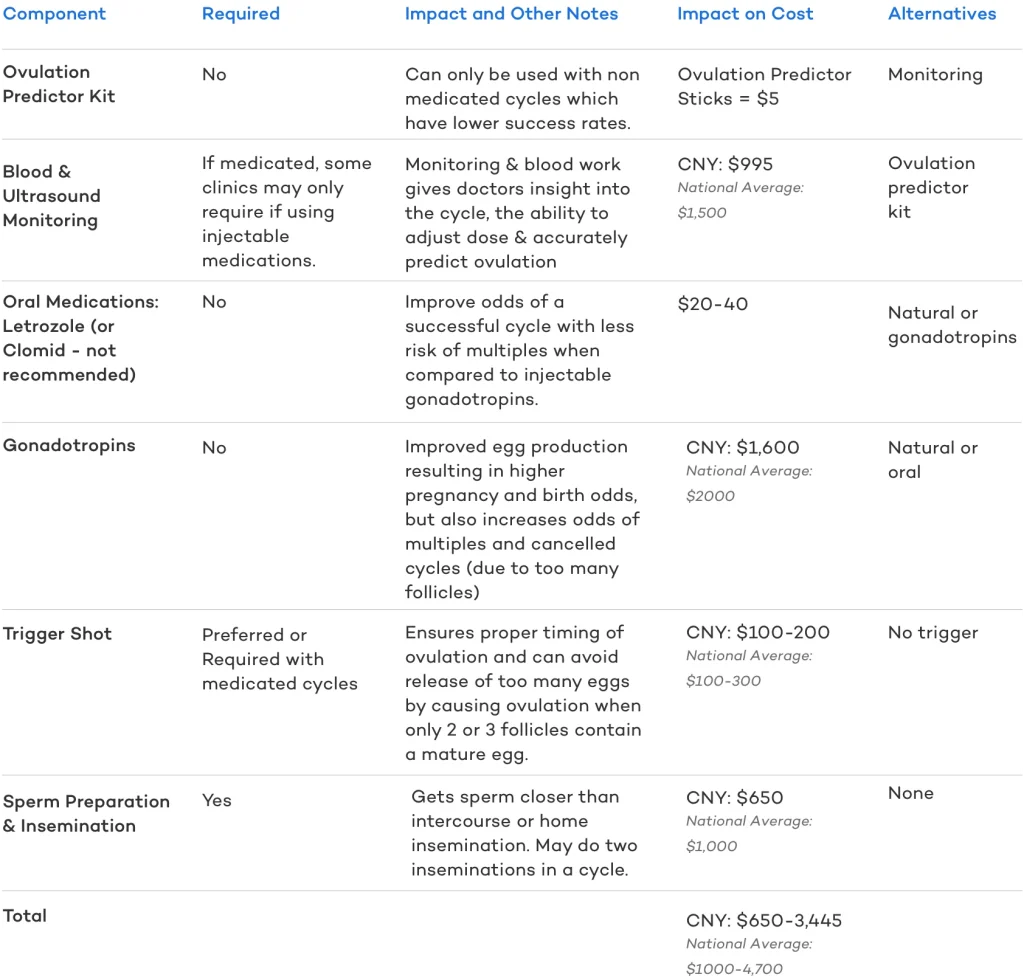
    Cost breakdown for IUI components, including requirements, impacts, and alternatives.

    Fertility Tracking Apps: A Game-Changer in Family Planning

    4. Customization

    Fertility tracking apps offer a personalized experience for each user. With the ability to input data and track various factors, these apps can provide customized predictions and insights based on individual cycles and symptoms. This can be especially helpful for couples with irregular cycles or those trying to conceive.

    5. Additional Features

    Apart from predicting fertility, many apps also offer additional features such as tracking period symptoms, monitoring overall health, and syncing with other health tracking devices. These features can help users gain a better understanding of their reproductive health and overall well-being.

    The Impact of Fertility Tracking Apps on Family Planning

    Fertility tracking apps have had a significant impact on family planning, especially for couples who want to either conceive or avoid pregnancy. These apps have made it easier for couples to understand their fertility and take control of their reproductive health. They have also opened up new possibilities for natural family planning, allowing couples to avoid using hormonal birth control methods if they choose to do so.

    For couples trying to conceive, fertility tracking apps can serve as a helpful tool in identifying the most fertile days and timing intercourse accordingly. This can increase the chances of conception and reduce the stress and frustration that often comes with trying to conceive.

    On the other hand, for couples who want to prevent pregnancy, fertility tracking apps can be used as a reliable method of natural contraception. By tracking the fertile window and avoiding intercourse during that time, couples can effectively prevent pregnancy without the use of hormonal birth control methods.

    Moreover, fertility tracking apps have also played a crucial role in breaking the stigma surrounding fertility and reproductive health. By providing a discreet and convenient way to track fertility, these apps have encouraged open discussions about reproductive health and helped normalize the topic.

    In conclusion, fertility tracking apps have been a game-changer in family planning, providing a convenient, accurate, and cost-effective way for couples to track their fertility and plan or prevent pregnancy. These apps have not only made family planning easier but also empowered individuals to take control of their reproductive health. With the continuous advancements in technology, we can only expect fertility tracking apps to become even more advanced and beneficial in the future.

    Summary:

    Fertility tracking apps have revolutionized the way couples approach family planning. These mobile applications use algorithms and data input by the user to predict the fertile window and ovulation, making it easier for couples to track their fertility and plan or prevent pregnancy. The convenience, cost-effectiveness, accuracy, customization, and additional features of these apps have made them a game-changer in family planning. They have also had a significant impact on breaking the stigma surrounding fertility and promoting open discussions about reproductive health. Fertility tracking apps are a practical, reliable, and empowering tool for couples to take control of their reproductive health.

  • The Role of Technology: Intrauterine Insemination vs In Vitro Fertilization

    The Role of Technology: Intrauterine Insemination vs In Vitro Fertilization

    In the world of reproductive medicine, technology plays a crucial role in assisting couples who struggle with fertility. Intrauterine insemination (IUI) and in vitro fertilization (IVF) are two commonly used techniques to help couples achieve pregnancy. Both procedures involve the use of technology, but they differ in their approach and success rates. In this blog post, we will explore the role of technology in these two fertility treatments and how they compare.

    Intrauterine insemination, also known as artificial insemination, is a relatively simple and non-invasive procedure. It involves placing washed and concentrated sperm directly into the uterus, bypassing the cervix. This process is done around the time of ovulation to increase the chances of fertilization. IUI can be performed with the partner’s sperm or with donor sperm, depending on the couple’s needs.

    One of the key technologies used in IUI is sperm washing. This process separates healthy sperm from seminal fluid and other debris, increasing the concentration of sperm and reducing the risk of infection. The washed sperm is then placed into the uterus using a catheter, which is guided by ultrasound technology. This allows for precise placement of the sperm near the fallopian tubes, increasing the chances of fertilization.

    Another technology used in IUI is ovulation prediction. This involves monitoring a woman’s menstrual cycle to determine the best time for the procedure. This can be done through various methods such as tracking basal body temperature, hormone level testing, and ultrasound monitoring. By accurately predicting ovulation, the success rate of IUI can be significantly improved.

    On the other hand, in vitro fertilization is a more complex and invasive procedure. It involves retrieving eggs from the ovaries and fertilizing them with sperm in a laboratory setting. The fertilized eggs, or embryos, are then transferred back into the woman’s uterus, where they can implant and develop into a pregnancy.

    comparison of IUI and IVF fertility treatments with illustrations of procedures and a petri dish with an egg and sperm

    The Role of Technology: Intrauterine Insemination vs In Vitro Fertilization

    IVF requires advanced technologies such as controlled ovarian stimulation to produce multiple eggs, ultrasound-guided egg retrieval, and laboratory techniques to fertilize the eggs. The embryos are then cultured and monitored for several days before being transferred into the uterus. This process allows for the selection of the healthiest embryos, increasing the chances of a successful pregnancy.

    One significant technological advancement in IVF is the use of intracytoplasmic sperm injection (ICSI). This technique involves injecting a single sperm directly into an egg, bypassing any potential barriers to fertilization. ICSI is particularly beneficial for couples with male factor infertility, as it can significantly improve the chances of fertilization compared to traditional IVF.

    Another notable technology used in IVF is preimplantation genetic testing (PGT). This involves testing embryos for genetic abnormalities before they are transferred into the uterus. PGT can help identify and prevent the transfer of embryos with chromosomal or genetic abnormalities, reducing the risk of miscarriage or inherited diseases in the baby.

    While both IUI and IVF utilize technology to assist with fertility, IVF has a higher success rate. The success rate of IUI is around 10-20%, while IVF has a success rate of 40-45%. This can be attributed to the more advanced technologies used in IVF, as well as the ability to select the healthiest embryos for transfer.

    However, with advancements in technology, the success rates of IUI have been steadily increasing. For example, the use of intrauterine ultrasound during the procedure has been shown to improve the success rate of IUI by up to 50%. Additionally, the use of fertility drugs to stimulate ovulation can also improve the chances of success.

    Another factor to consider when comparing IUI and IVF is the cost. IUI is a more affordable option compared to IVF, making it a popular choice for couples who do not have severe fertility issues. However, for couples with more complex infertility, IVF may be the better option despite the higher cost.

    In conclusion, technology plays a significant role in both intrauterine insemination and in vitro fertilization. These fertility treatments use various techniques and technologies to increase the chances of pregnancy for couples struggling with infertility. While IVF has a higher success rate, advancements in technology have also improved the success rates of IUI. Ultimately, the choice between IUI and IVF depends on the individual needs and circumstances of each couple, and consulting with a fertility specialist is crucial in making the best decision.