Blog Post:
Fertility Medications: Understanding the Options for Male and Female Factor Infertility
Infertility affects millions of couples worldwide, with approximately 1 in 8 couples struggling to conceive. While infertility can be caused by a variety of factors, one of the most common causes is male and female factor infertility. In these cases, fertility medications can be a helpful tool in helping couples achieve their dream of parenthood. In this blog post, we will dive into the different types of fertility medications available for both men and women, their uses, and potential side effects.
Fertility Medications for Women
1. Clomiphene Citrate (Clomid)
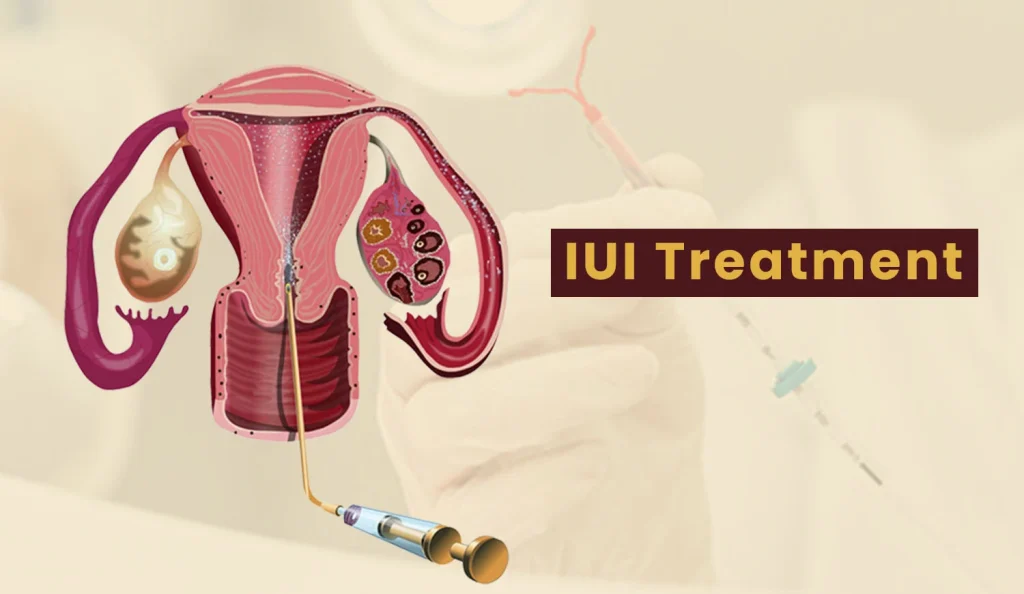
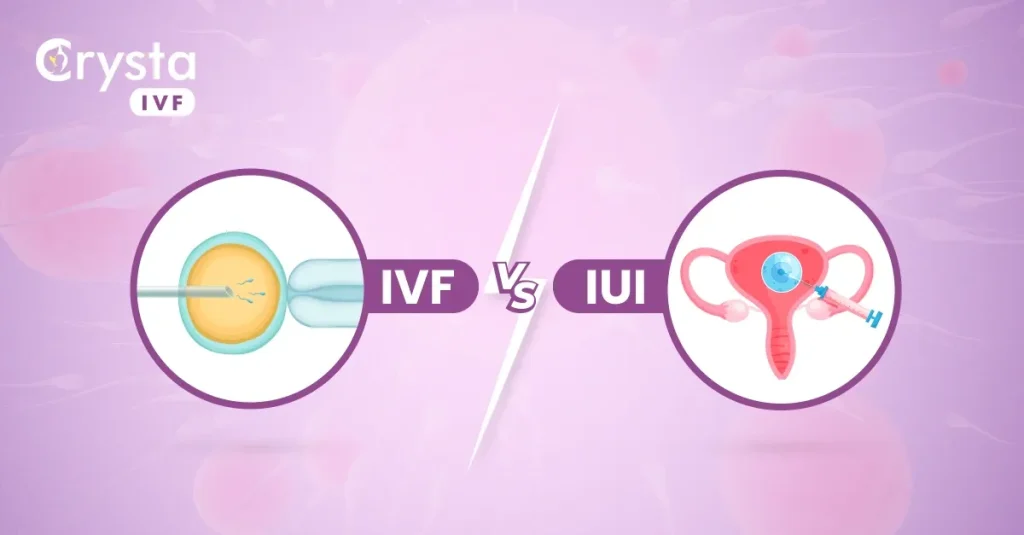
Clomiphene Citrate, commonly known as Clomid, is a medication used to treat ovulation disorders in women. It works by stimulating the ovaries to release an egg, increasing the chances of conception. This medication is taken orally and is usually the first line of treatment for women with ovulation issues. It is also often used in combination with other fertility treatments such as intrauterine insemination (IUI) or in vitro fertilization (IVF).
2. Gonadotropins
Gonadotropins are injectable medications that contain follicle-stimulating hormone (FSH) and luteinizing hormone (LH). These hormones play a crucial role in the development of eggs in the ovaries. Gonadotropins are often used in women who do not respond well to Clomid or have other fertility issues such as polycystic ovary syndrome (PCOS). These medications require close monitoring and can increase the risk of multiple pregnancies.
3. Metformin
Metformin is a medication commonly used to treat type 2 diabetes, but it can also be beneficial for women with PCOS. PCOS is a condition that affects a woman’s hormone levels, leading to irregular periods and ovulation issues. Metformin can help regulate hormone levels and improve ovulation in women with PCOS, increasing their chances of conception.
4. Letrozole
Letrozole is another medication used to treat ovulation disorders in women. It works by inhibiting estrogen production, leading to an increase in FSH and LH levels, which can help stimulate ovulation. This medication is often used in women who do not respond well to Clomid or have other fertility issues.
Fertility Medications for Men
Fertility Medications: Understanding the Options for Male and Female Factor Infertility
1. Human Chorionic Gonadotropin (HCG)
Human Chorionic Gonadotropin (HCG) is a hormone that is naturally produced in the body. In men, it can help stimulate the testicles to produce testosterone and increase sperm production. HCG is often used in combination with other medications to treat male factor infertility.
2. Clomiphene Citrate (Clomid)
While Clomid is primarily used in women, it can also be beneficial for men with low testosterone levels and sperm count. By stimulating the production of testosterone, it can help improve sperm count and motility, increasing the chances of conception.
3. Anastrozole
Anastrozole is a medication used to treat breast cancer, but it can also be helpful in treating male factor infertility. It works by inhibiting estrogen production, leading to an increase in testosterone levels, which can improve sperm production.
4. Bromocriptine
Bromocriptine is a medication used to treat high levels of prolactin in the body. High levels of prolactin can interfere with the production of testosterone, leading to male factor infertility. By lowering prolactin levels, Bromocriptine can help improve sperm production and increase the chances of conception.
Side Effects of Fertility Medications
As with any medication, fertility medications can have potential side effects. Some common side effects of fertility medications for women include hot flashes, mood swings, bloating, and headaches. In some cases, these medications can also increase the risk of multiple pregnancies. For men, side effects may include acne, breast enlargement, and mood changes.
It is essential to discuss potential side effects with your doctor and monitor your body’s response to the medication closely. If you experience severe side effects, it is essential to contact your doctor immediately.
In conclusion, fertility medications can be a valuable tool in helping couples struggling with male and female factor infertility to achieve their dream of parenthood. From stimulating ovulation in women to increasing sperm production in men, these medications have been proven to be effective in helping couples conceive. However, it is crucial to work closely with a fertility specialist and monitor your body’s response to these medications to achieve the best possible outcome.
Summary:
Infertility affects millions of couples worldwide, and one of the most common causes is male and female factor infertility. In these cases, fertility medications can be a helpful tool in helping couples achieve their dream of parenthood. For women, medications like Clomid, Gonadotropins, Metformin, and Letrozole can help stimulate ovulation. In men, HCG, Clomid, Anastrozole, and Bromocriptine can improve sperm production. It is essential to discuss potential side effects with a fertility specialist and closely monitor the body’s response to these medications.