Tag: ovarian hyperstimulation syndrome

  • The Hidden Dangers of Fertility Drugs: What You Need to Know

    The Hidden Dangers of Fertility Drugs: What You Need to Know

    Fertility drugs have become increasingly popular as more and more couples struggle with infertility. These medications are designed to help improve ovulation and increase the chances of conceiving a child. While they may seem like a miracle solution, fertility drugs do come with their own set of risks and dangers. It is important for couples considering fertility treatment to fully understand these potential dangers and make an informed decision with their doctor. In this blog post, we will explore the hidden dangers of fertility drugs and what you need to know before starting treatment.

    Understanding Fertility Drugs

    Before diving into the dangers, it is important to understand the different types of fertility drugs and how they work. The most commonly used fertility drugs are:

    1. Clomiphene citrate: This drug works by stimulating the pituitary gland to release more FSH and LH hormones, which in turn stimulates the ovaries to produce more eggs.

    2. Gonadotropins: These drugs also stimulate the ovaries to produce more eggs, but they do so by directly injecting the FSH and LH hormones.

    3. Metformin: This drug is commonly used for women with polycystic ovary syndrome (PCOS) to help regulate ovulation.

    4. Bromocriptine: This medication is often used to treat high levels of prolactin, a hormone that can interfere with ovulation.

    Possible Dangers of Fertility Drugs

    1. Multiple births: One of the most well-known dangers of fertility drugs is the increased risk of multiple births. This is because these medications stimulate the ovaries to produce more eggs, increasing the chances of conceiving twins, triplets, or even higher-order multiples. While some couples may see this as a positive outcome, multiple pregnancies come with their own set of risks for both the mother and the babies.
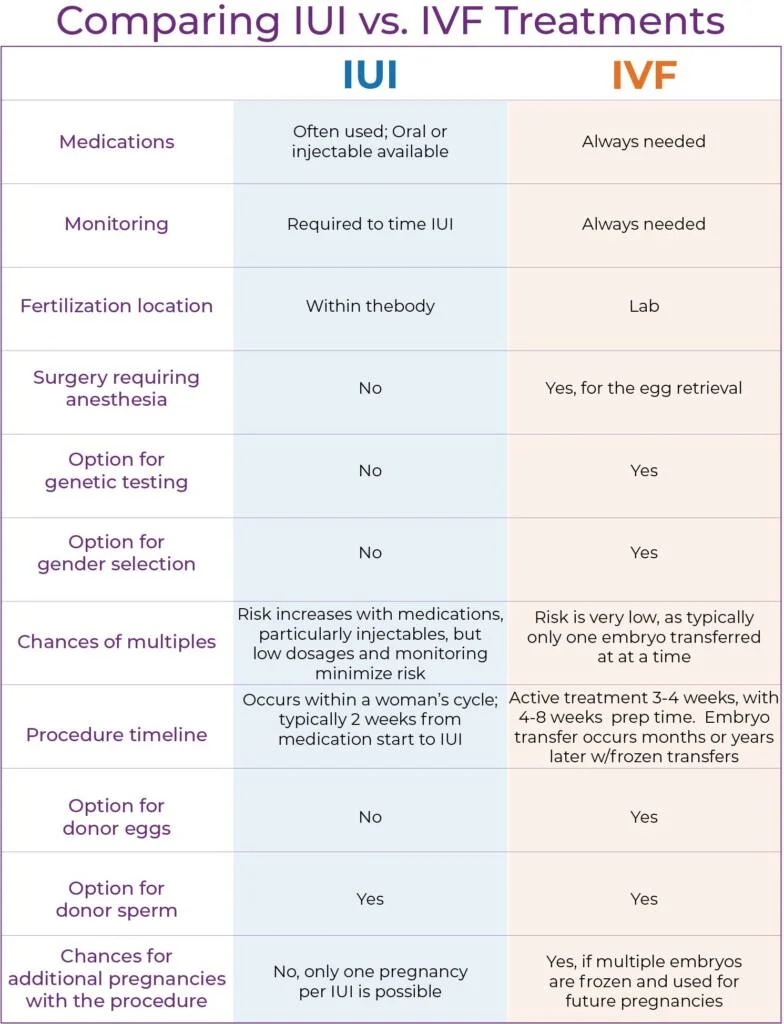
    Comparison chart of IUI and IVF treatments, detailing medications, monitoring, procedures, and success rates.

    The Hidden Dangers of Fertility Drugs: What You Need to Know

    2. Ovarian hyperstimulation syndrome (OHSS): OHSS is a serious condition that can occur when the ovaries are overstimulated by fertility drugs. Symptoms include abdominal pain, bloating, nausea, and difficulty breathing. In severe cases, it can lead to kidney failure, blood clots, or even death.

    3. Ectopic pregnancy: This is a potentially life-threatening condition where the fertilized egg implants outside of the uterus, usually in the fallopian tube. Fertility drugs can increase the risk of ectopic pregnancy, which may require emergency medical treatment.

    4. Birth defects: Some studies have shown a potential link between the use of fertility drugs and an increased risk of birth defects. While the evidence is not conclusive, it is important for couples to be aware of this potential danger.

    5. Ovarian cancer: There have been concerns that the use of fertility drugs may increase the risk of ovarian cancer. While some studies have shown a small increase in risk, others have not found a significant connection. More research is needed to fully understand the potential link.

    What You Can Do

    While these dangers may seem scary, it is important to remember that fertility drugs have helped many couples achieve their dream of having a child. However, it is crucial to take certain precautions to minimize the risks. Here are some things you can do:

    1. Work closely with your doctor: Your doctor will monitor your response to the fertility drugs and adjust the dosage as needed. It is important to follow their instructions and attend all follow-up appointments.

    2. Discuss your options: There are various fertility treatments available, and not all of them involve the use of drugs. Talk to your doctor about alternative options such as intrauterine insemination (IUI) or in vitro fertilization (IVF).

    3. Consider the risks: Make sure you fully understand the potential dangers of fertility drugs and weigh them against the potential benefits. It is important to make an informed decision that is right for you and your partner.

    4. Take care of yourself: Fertility treatment can be emotionally and physically taxing. It is important to take care of your mental and physical health during this time. Consider seeking support from a therapist or joining a support group for couples going through similar experiences.

    In summary, fertility drugs can be a helpful tool for couples struggling with infertility, but they do come with their own set of risks and dangers. It is important to fully understand these potential dangers and take necessary precautions before starting treatment. Working closely with your doctor, exploring alternative options, and taking care of yourself can help minimize the risks and increase the chances of a successful outcome.
  • Can Hormone Injections Actually Harm Your Chances of Getting Pregnant?

    Blog Post:

    For many couples who are struggling with infertility, hormone injections may seem like a promising solution. These injections, also known as fertility drugs, are used to stimulate ovulation and increase the chances of getting pregnant. However, there have been concerns about the potential harm these hormone injections may cause to a woman’s fertility. In this blog post, we will explore the question: can hormone injections actually harm your chances of getting pregnant?

    To understand this topic better, let’s first take a closer look at the different types of hormone injections that are commonly used for fertility treatments. The most common type is called gonadotropins, which are used to stimulate the ovaries to produce eggs. These injections contain follicle-stimulating hormone (FSH) and luteinizing hormone (LH), which are natural hormones produced by the pituitary gland. Another type of hormone injection is human chorionic gonadotropin (hCG), which is used to trigger ovulation.

    One of the main concerns about hormone injections is the possibility of ovarian hyperstimulation syndrome (OHSS). This is a condition where the ovaries become enlarged and produce too many eggs in response to the hormone injections. It can cause symptoms such as abdominal pain, bloating, and nausea, and in severe cases, it can lead to fluid buildup in the abdomen and chest. While OHSS is a rare complication, it can potentially harm a woman’s fertility if left untreated.

    But does this mean that hormone injections are harmful to a woman’s chances of getting pregnant? The answer is not a simple yes or no. It ultimately depends on various factors, including the dosage and type of hormone injections used, a woman’s age and overall health, and the underlying cause of infertility.

    For example, women who are older or have a history of polycystic ovary syndrome (PCOS) may be more sensitive to hormone injections and may have a higher risk of OHSS. In these cases, it is essential for the doctor to carefully monitor the woman’s response to the injections and adjust the dosage accordingly. On the other hand, younger women with no underlying health issues may have a lower risk of OHSS and may respond better to hormone injections.

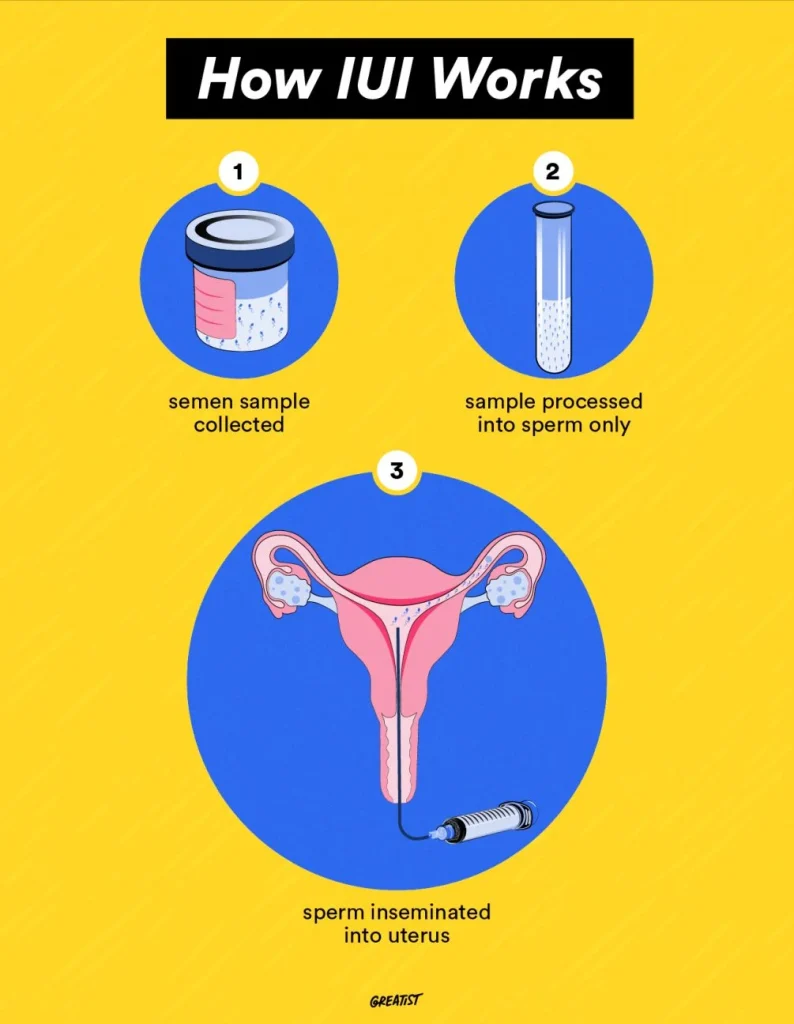
    illustration explaining the steps of intrauterine insemination (IUI) process on a bright yellow background

    Can Hormone Injections Actually Harm Your Chances of Getting Pregnant?

    Another factor to consider is the underlying cause of infertility. In some cases, hormone injections may not be the most appropriate treatment option. For example, if a woman has blocked fallopian tubes, hormone injections may not be effective in helping her conceive. In these cases, other fertility treatments such as in vitro fertilization (IVF) may be more suitable.

    It’s also worth noting that while hormone injections can increase the chances of getting pregnant, they do not guarantee pregnancy. They are just one piece of the puzzle in the complex process of fertility treatments. It’s essential for couples to have realistic expectations and to understand that it may take multiple cycles of hormone injections to achieve a successful pregnancy.

    In addition to concerns about OHSS, there have also been some studies suggesting a possible link between long-term use of fertility drugs and an increased risk of certain types of cancer. However, the evidence is inconclusive, and more research is needed to determine the exact relationship between hormone injections and cancer risk. It’s important to discuss any concerns with a doctor and weigh the potential risks against the potential benefits of fertility treatments.

    So, can hormone injections actually harm your chances of getting pregnant? The answer is that it’s unlikely, but there are some risks that need to be considered and monitored closely. It’s crucial for couples to work closely with their doctors and have open communication about their concerns and any potential side effects.

    In summary, hormone injections can be a helpful tool in the journey towards parenthood for couples struggling with infertility. While there are potential risks and side effects, these can be minimized by close monitoring and proper medical care. It’s important to have realistic expectations and to consider all factors before deciding on a fertility treatment plan.

    SEO metadata: