Tag: oocyte cryopreservation

  • Egg Donation and Egg Freezing: A Gift of Life

    Blog Post: Egg Donation and Egg Freezing: A Gift of Life

    Egg donation and egg freezing are two revolutionary medical procedures that have given women the opportunity to preserve their fertility and help others struggling with infertility. These procedures have become increasingly popular in recent years as more women are choosing to delay starting a family for various personal and professional reasons. In this blog post, we will delve into the world of egg donation and egg freezing, exploring their benefits, processes, and impact on both donors and recipients.

    Egg Donation: A Gift of Life

    Egg donation is the process of retrieving eggs from a woman’s ovaries and donating them to another woman who is unable to produce her own viable eggs. This is typically done through in vitro fertilization (IVF), where the donated eggs are fertilized with sperm in a laboratory and then transferred to the recipient’s uterus. The entire process is carefully monitored and controlled to ensure the best chance of success.

    The decision to become an egg donor is not an easy one, and it requires a great deal of selflessness and compassion. Egg donors must go through a rigorous screening process to ensure they are physically and mentally fit to donate. This includes a thorough medical and psychological evaluation, as well as genetic testing. Donors are also required to provide a detailed medical history and undergo various blood tests to rule out any potential health risks.

    Once a donor is approved, she will undergo ovarian stimulation to produce multiple eggs. This involves taking daily injections of hormones for around 10-14 days to stimulate the ovaries to produce more eggs than usual. During this time, the donor will be closely monitored by a doctor to ensure her safety and well-being. Once the eggs are mature, they are retrieved through a minor surgical procedure under sedation.

    The impact of egg donation on the recipient is immeasurable. For many women struggling with infertility, egg donation offers them a chance to experience the joys of pregnancy and motherhood. It gives them hope and the opportunity to create a family of their own. The egg donor not only provides the recipient with the gift of life, but also gives her the gift of hope and happiness.

    Egg Freezing: Preserving Fertility for the Future
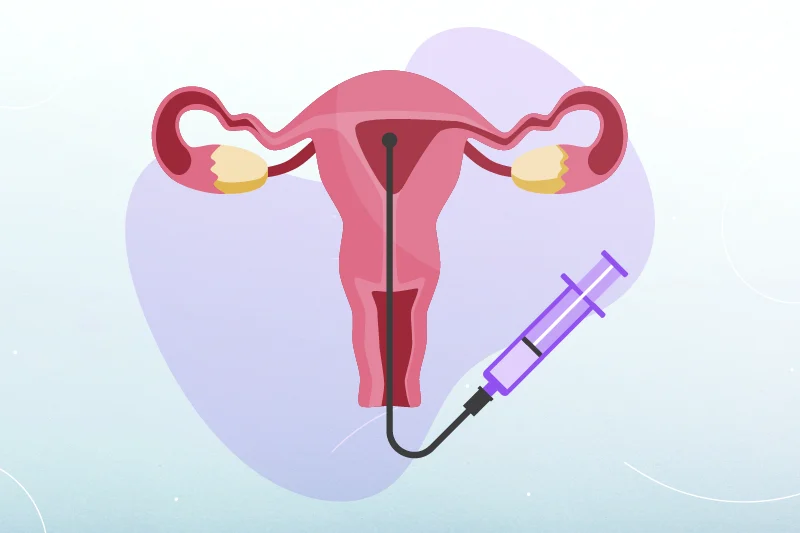
    Illustration of the uterus with a syringe, depicting the intrauterine insemination procedure.

    Egg Donation and Egg Freezing: A Gift of Life

    Egg freezing, also known as oocyte cryopreservation, is a process where a woman’s eggs are harvested and frozen for later use. This procedure has become increasingly popular among women who want to delay starting a family for personal or career reasons. It allows them to preserve their fertility and have the option to conceive later in life when they are ready.

    The process of egg freezing is similar to that of egg donation. The woman undergoes ovarian stimulation and egg retrieval, but instead of donating the eggs, they are frozen and stored for future use. This procedure is especially beneficial for women who are facing medical treatments that may affect their fertility, such as chemotherapy or radiation therapy. It also provides a sense of security and peace of mind for women who are not yet ready to start a family but want to ensure their future fertility.

    Egg Donation and Egg Freezing: A Win-Win Situation

    Both egg donation and egg freezing have been life-changing for many women. For those who choose to become egg donors, they have the satisfaction of knowing that they have helped someone else achieve their dream of becoming a parent. For those who choose to freeze their eggs, they have the freedom to pursue their personal and professional goals without worrying about their biological clock ticking.

    However, it’s important to note that both procedures come with their own set of risks and challenges. Egg donors may experience side effects from the hormone injections, and there is a small risk of complications during the retrieval process. Similarly, egg freezing is not a guarantee of future pregnancy, and there is a chance of the eggs not surviving the freezing and thawing process. It’s crucial for women to fully understand all the aspects of these procedures and make an informed decision.

    In conclusion, egg donation and egg freezing are two life-changing procedures that have given women the opportunity to preserve their fertility and help others in need. These procedures have not only helped countless women achieve their dream of becoming a parent, but also empowered them to take control of their reproductive choices. As technology continues to advance, we can only hope that these procedures will become even more accessible and effective, giving more women the gift of life.

    Summary:

    In recent years, egg donation and egg freezing have become increasingly popular among women for preserving their fertility and helping others struggling with infertility. Egg donation involves retrieving eggs from a donor and fertilizing them with sperm in a laboratory before transferring them to the recipient’s uterus. Egg freezing, on the other hand, allows women to preserve their eggs for future use. Both procedures require a rigorous screening process and medical procedures, but they have been life-changing for many women. While there are risks and challenges associated with these procedures, the impact they have on donors, recipients, and their families is immeasurable. As technology continues to advance, these procedures will likely become even more accessible and effective, giving more women the gift of life.
  • Egg Donation and Egg Freezing: What You Need to Know

    Blog Post Title: Egg Donation and Egg Freezing: What You Need to Know

    Egg donation and egg freezing are two options available for individuals who are unable to conceive naturally or who wish to preserve their fertility for the future. Both processes involve the retrieval and preservation of a woman’s eggs, but they have different purposes and considerations. In this blog post, we will discuss everything you need to know about egg donation and egg freezing, including the procedures, benefits, risks, and important considerations.

    Egg Donation: What is it?

    Egg donation is the process of retrieving eggs from a woman’s ovaries and donating them to another individual or couple for the purpose of assisted reproduction. This process is often used by individuals or couples who are unable to conceive with their own eggs, either due to advanced maternal age, genetic disorders, or other fertility issues.

    The egg donation process typically involves several steps, including screening and testing of the donor, synchronization of the menstrual cycles of the donor and the recipient, and the retrieval of eggs from the donor through a minor surgical procedure. The retrieved eggs are then fertilized with the sperm of the recipient’s partner or a donor, and the resulting embryos are transferred to the recipient’s uterus.

    Benefits of Egg Donation

    Egg donation offers a range of benefits for both the donor and the recipient. For the donor, it provides the opportunity to help someone else achieve their dream of having a child, while also receiving compensation for their time and effort. It can also be a way for women to preserve their fertility by freezing their eggs before undergoing medical treatments that may affect their fertility.

    For the recipient, egg donation offers the chance to have a biological child if they are unable to conceive with their own eggs. It also allows individuals or couples to choose a donor who matches their desired physical, medical, or personal characteristics.

    Risks of Egg Donation

    While egg donation is generally considered a safe procedure, there are some potential risks and side effects that both the donor and the recipient should be aware of. For the donor, the most significant risk is the potential for complications from the egg retrieval procedure, such as bleeding, infection, or damage to the ovaries. There is also a small risk of ovarian hyperstimulation syndrome (OHSS), a condition that can cause abdominal pain, bloating, and other symptoms.

    For the recipient, the risks are similar to those associated with in vitro fertilization (IVF) procedures, such as multiple pregnancies, ectopic pregnancy, and ovarian hyperstimulation syndrome. Additionally, there is a small risk of genetic or medical conditions being passed on from the donor to the child.

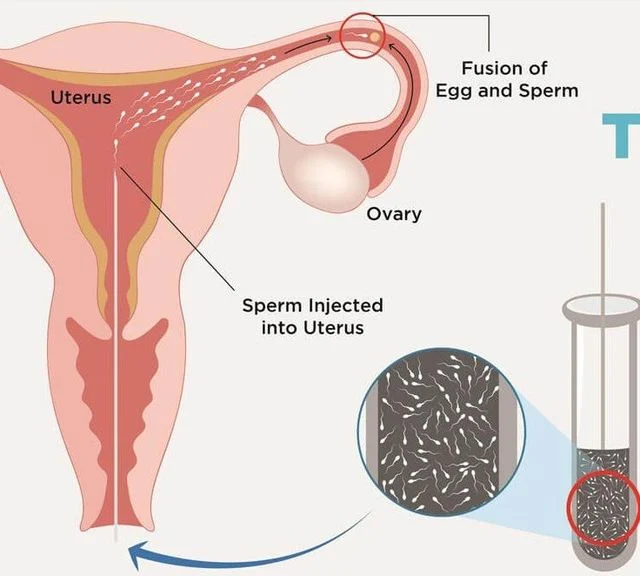
    Diagram illustrating the IUI process, showing sperm injection into the uterus and egg fertilization.

    Egg Donation and Egg Freezing: What You Need to Know

    Egg Freezing: What is it?

    Egg freezing, also known as oocyte cryopreservation, is the process of retrieving and freezing a woman’s eggs for later use. This option is often chosen by women who wish to delay motherhood due to career or personal reasons, or who are facing medical treatments that may affect their fertility.

    The egg freezing process involves several steps, including ovarian stimulation to produce multiple eggs, egg retrieval, and freezing of the eggs using a process called vitrification. The frozen eggs can then be stored for several years and thawed when the woman is ready to use them for pregnancy.

    Benefits of Egg Freezing

    One of the main benefits of egg freezing is that it allows women to preserve their fertility for the future. It can provide peace of mind for individuals who are not yet ready to have children but are concerned about their biological clock. It can also be a way for women to preserve their fertility before undergoing medical treatments that may affect their egg quality or quantity.

    Risks of Egg Freezing

    Like any medical procedure, egg freezing carries some potential risks and side effects. The most significant risk is the possibility of complications during the egg retrieval procedure, such as bleeding, infection, or damage to the ovaries. There is also a small risk of ovarian hyperstimulation syndrome (OHSS) and the potential for genetic or medical conditions being passed on to future children.

    Important Considerations for Egg Donation and Egg Freezing

    Whether you are considering egg donation or egg freezing, there are some important considerations that you should keep in mind. These include the cost of the procedures, which can vary significantly depending on the location and clinic, as well as the emotional and psychological effects that these processes may have on the donor and the recipient.

    It is also essential to carefully select a reputable and experienced clinic for either egg donation or egg freezing. This will ensure that the procedures are carried out safely and effectively, and that all necessary legal and ethical considerations are taken into account.

    In summary, egg donation and egg freezing are two options available for individuals who are unable to conceive naturally or who wish to preserve their fertility for the future. Both processes have their own procedures, benefits, and risks, and it is crucial to carefully consider all factors before making a decision. By understanding the process and important considerations, individuals can make informed choices about their reproductive options.