Intrauterine insemination (IUI) and donor insemination (DI) are two commonly used fertility treatments for couples struggling with infertility. Both procedures involve inserting sperm into the uterus, but there are some key differences between the two. One of the main differences is the source of the sperm – in IUI, the sperm comes from the male partner, while in DI, it comes from a donor. So, which one has higher success rates? In this blog post, we will take a closer look at the success rates of IUI and DI and see which one may be a better option for couples trying to conceive.
IUI Success Rates:
IUI is a relatively simple procedure that involves inserting washed and concentrated sperm into the uterus around the time of ovulation. This procedure is often used for couples with unexplained infertility, mild male factor infertility, or in cases where the female partner has difficulty with cervical mucus. The success rates of IUI vary depending on factors such as age, cause of infertility, and the number of cycles attempted.
According to the American Society for Reproductive Medicine (ASRM), the success rate for IUI ranges from 8% to 17% per cycle for couples where the female partner is under the age of 35. For couples where the female partner is between the ages of 35 and 40, the success rate drops to 6% to 10% per cycle. The success rates are even lower for couples where the female partner is over the age of 40, at around 2% to 5% per cycle.
Other factors that can affect the success rates of IUI include the cause of infertility and the number of cycles attempted. For example, couples with unexplained infertility may have higher success rates compared to those with male factor infertility. Additionally, the more cycles a couple attempts, the higher the chances of success.
Donor Insemination Success Rates:
DI involves using sperm from a donor to fertilize the female partner’s eggs. This procedure is commonly used for same-sex couples, single women, or couples where the male partner has severe male factor infertility. The success rates of DI are largely dependent on the quality of the sperm used and the age of the female partner.
According to the ASRM, the success rate for DI ranges from 5% to 20% per cycle. This may seem lower than the success rates of IUI, but it is important to note that DI is often used in more challenging cases of infertility. Additionally, the success rates of DI can be significantly higher if the donor sperm is of good quality and the female partner is under the age of 35.
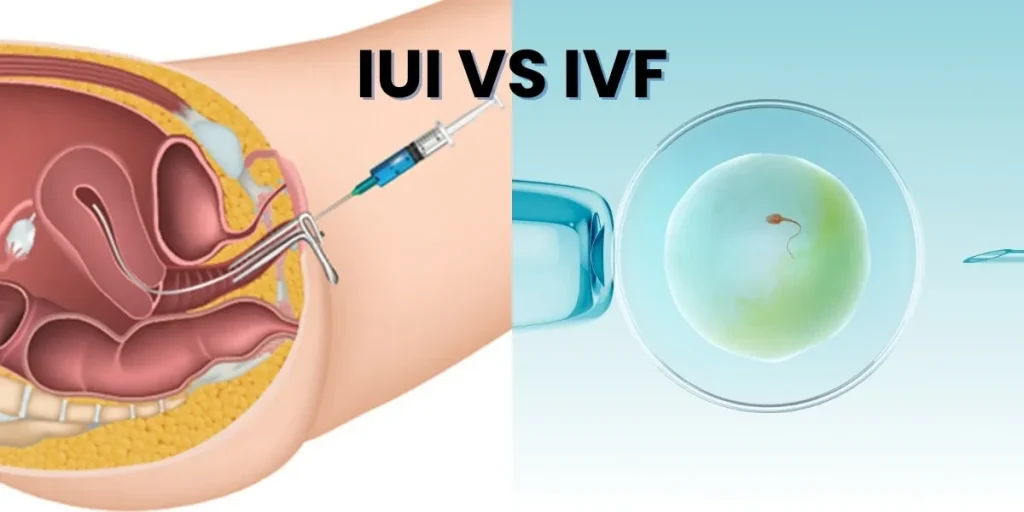
Intrauterine Insemination vs Donor Insemination: A Look at the Success Rates
Factors That Affect Success Rates:
As mentioned earlier, there are several factors that can affect the success rates of IUI and DI. These factors include age, cause of infertility, sperm quality, and the number of cycles attempted. Age is a crucial factor as fertility declines as a woman gets older. This is why the success rates of both IUI and DI are significantly lower for women over the age of 40.
The cause of infertility is also an important factor to consider. If the cause is due to male factor infertility, the success rates of both IUI and DI may be lower. In such cases, using donor sperm may be a better option as it eliminates the potential issue with sperm quality.
Sperm quality is another crucial factor that can greatly impact the success rates of both IUI and DI. Using sperm from a donor can increase the chances of success as the sperm is often younger and healthier compared to sperm from the male partner. However, if the male partner has good sperm quality, IUI may be a better option as it allows for the use of his sperm.
Lastly, the number of cycles attempted also plays a role in the success rates of both procedures. The more cycles a couple attempts, the higher the chances of success. This is why it is important for couples to discuss with their doctor the number of cycles they are willing to attempt and make a decision based on their individual circumstances.
In conclusion, both IUI and DI are viable options for couples struggling with infertility. The success rates of both procedures vary depending on factors such as age, cause of infertility, sperm quality, and the number of cycles attempted. It is important for couples to discuss these factors with their doctor and make an informed decision about which procedure may be the best for them.
Summary:
Intrauterine insemination (IUI) and donor insemination (DI) are two fertility treatments that involve inserting sperm into the uterus. While IUI uses sperm from the male partner, DI uses sperm from a donor. The success rates of both procedures vary depending on factors such as age, cause of infertility, sperm quality, and the number of cycles attempted. Generally, the success rates of IUI are higher, but DI may be a better option for couples with more challenging cases of infertility. It is important for couples to discuss these factors with their doctor and make an informed decision about which procedure may be the best for them.