Blog Post:
Parenthood is a journey that many people dream of, but for some, the traditional route of conceiving a child may not be an option. Whether it’s due to financial constraints, fertility issues, or a lack of a partner, there are many reasons why someone may choose to embark on a non-traditional approach to motherhood. One such approach is DIY insemination, which involves using at-home methods to conceive a child without the assistance of a medical professional. While this may seem unconventional, it has become a popular option for those looking to start a family. In this blog post, we will explore the concept of DIY insemination and how it can be a viable option for those seeking to become mothers.
What is DIY Insemination?
DIY insemination, also known as at-home insemination, is the process of using at-home methods to inseminate oneself or a partner in order to conceive a child. This method involves using sperm from a donor, either through a sperm bank or a known donor, and using various techniques to deposit the sperm into the vagina. It is important to note that DIY insemination does not involve any medical procedures, and therefore, does not provide the same level of accuracy as medical procedures such as intrauterine insemination (IUI) or in vitro fertilization (IVF).
Why Choose DIY Insemination?
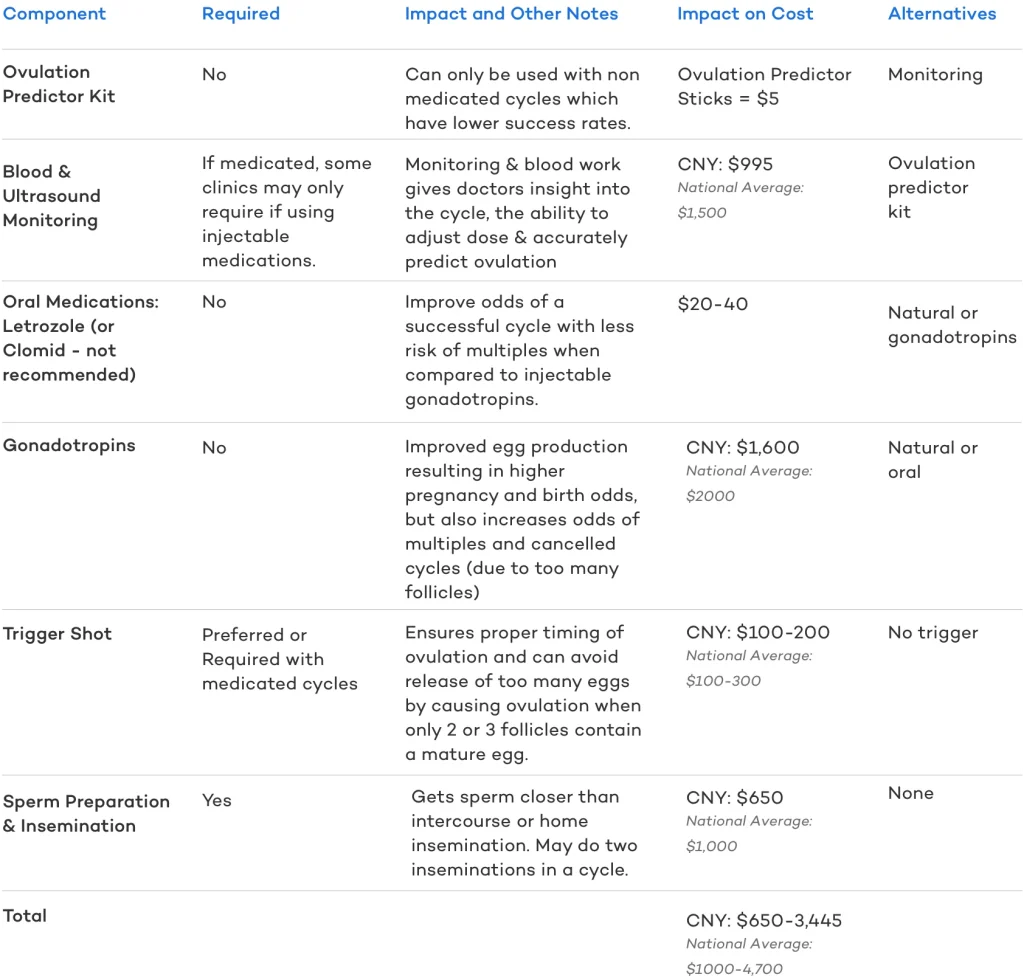
There are a variety of reasons why someone may choose to pursue DIY insemination as a way to start a family. One of the main reasons is the cost. Medical procedures such as IUI and IVF can be expensive, often costing thousands of dollars. DIY insemination, on the other hand, can be done at a fraction of the cost. Sperm can be purchased from a sperm bank for a few hundred dollars, or a known donor may offer their sperm for free. Additionally, DIY insemination allows for greater control and privacy. Those who choose this method can select the sperm donor, choose the timing of insemination, and do it in the comfort of their own home without having to involve a medical professional.
How to Prepare for DIY Insemination
DIY Insemination: A Non-Traditional Approach to Motherhood
Before embarking on DIY insemination, it is important to do thorough research and consult with a healthcare provider. They can provide guidance and ensure that you are physically and emotionally ready for the process. It is also crucial to select a sperm donor from a reputable sperm bank or a known donor who has undergone proper testing for sexually transmitted infections (STIs) and genetic diseases. It is recommended to seek legal advice to establish legal parental rights and responsibilities for both the donor and the person who will carry the child.
Methods of DIY Insemination
There are several different methods that can be used for DIY insemination. The most common method is the “turkey baster” method, where the sperm is collected in a syringe or turkey baster and inserted into the vagina near the cervix. Another method is the “soft cup” method, where a soft cup is filled with sperm and inserted into the vagina, allowing for the sperm to be released near the cervix. Some people also use a menstrual cup to hold the sperm near the cervix during ovulation. No matter which method is chosen, it is important to follow sanitary practices and properly clean and sterilize any tools used.
Risks and Considerations
As with any method of conception, there are risks and considerations that should be taken into account when considering DIY insemination. One of the main risks is the potential for STIs. While sperm donors are typically screened for STIs, there is still a risk of transmission. It is important to use barrier methods such as condoms and undergo regular STI testing. Additionally, DIY insemination may not be as effective as medical procedures, so it may take multiple attempts to achieve pregnancy. It is also essential to have a support system in place and to be mentally prepared for the emotional journey of conceiving and raising a child on your own.
In Summary
DIY insemination is a non-traditional approach to motherhood that can be a viable option for those seeking to start a family. It involves using at-home methods to inseminate oneself or a partner with donor sperm. This method offers greater control, privacy, and cost-effectiveness compared to medical procedures. However, it is important to thoroughly research and prepare for DIY insemination, as well as consider the potential risks and challenges.