Tag: natural family planning

  • The Accuracy of Fertility Tracking Devices: Fact vs Fiction

    Blog post:

    Fertility tracking has become increasingly popular among women who are trying to conceive or avoid pregnancy. With the rise of technology, there are now numerous fertility tracking devices on the market, claiming to accurately predict a woman’s fertile window and ovulation. But with so many options available, it’s important to understand the accuracy of these devices and separate fact from fiction.

    First, let’s discuss the different types of fertility tracking devices. The most common ones are basal body temperature (BBT) thermometers, ovulation predictor kits (OPKs), and fertility tracking apps. BBT thermometers measure a woman’s basal body temperature, which increases slightly after ovulation. OPKs detect the surge of luteinizing hormone (LH) that occurs right before ovulation. And fertility tracking apps use a combination of data, including BBT and menstrual cycle information, to predict ovulation and fertile days.

    Now, let’s dive into the accuracy of these devices and address some common myths.

    Myth #1: Fertility tracking devices are 100% accurate.

    Fact: No fertility tracking device is 100% accurate. While some devices may be more accurate than others, they all have a margin of error. BBT thermometers, for example, can be affected by external factors such as illness or lack of sleep, which can alter a woman’s basal body temperature. OPKs can also give false positive results if a woman has high levels of LH due to certain medical conditions. And fertility tracking apps rely on data input from the user, which can be inaccurate or incomplete.

    Myth #2: Fertility tracking devices can replace contraception.

    Fact: While fertility tracking can be used as a method of natural family planning, it should not be relied upon as the sole method of contraception. As mentioned before, these devices are not 100% accurate and there is always a chance of human error. Additionally, fertility can vary from month to month, making it difficult to accurately predict ovulation. If avoiding pregnancy is a priority, it’s best to use a combination of methods, such as barrier methods or hormonal birth control, along with fertility tracking.
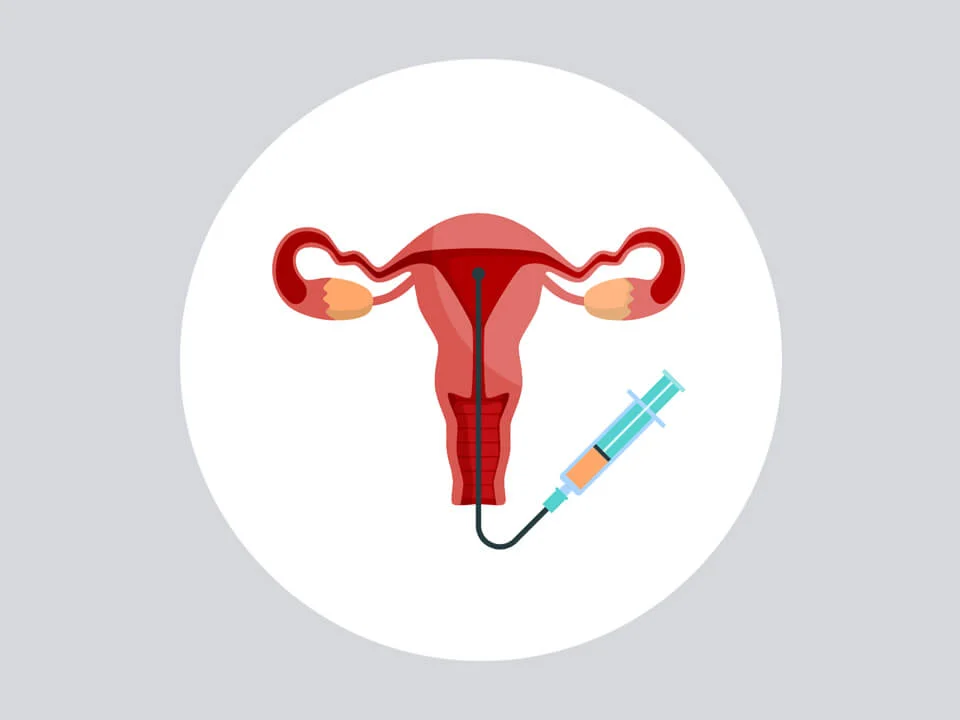
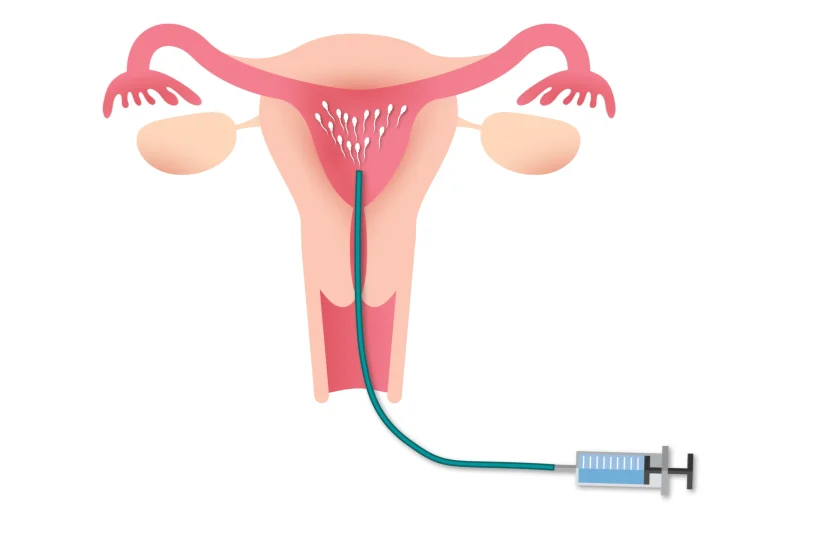
    Illustration of a uterus with a syringe, representing intrauterine insemination (IUI) procedure.

    The Accuracy of Fertility Tracking Devices: Fact vs Fiction

    Myth #3: All fertility tracking devices are the same.

    Fact: There are many different types of fertility tracking devices and they all work differently. Some may be more accurate or easier to use than others. It’s important to do your research and choose a device that fits your needs and lifestyle. For example, if you have irregular cycles, a fertility tracking app that uses algorithms to predict ovulation may be more helpful than a BBT thermometer. It’s also important to note that some devices may require a subscription or additional purchases, so be sure to factor in the cost when making your decision.

    Myth #4: Fertility tracking is only for women trying to conceive.

    Fact: Fertility tracking can be beneficial for women who are trying to conceive, but it can also be helpful for those who are not. By tracking your menstrual cycle and ovulation, you can gain a better understanding of your body and reproductive health. This can be especially useful for women with irregular cycles or those who want to monitor their overall health and wellness.

    Myth #5: Fertility tracking devices are a guarantee for pregnancy.

    Fact: While fertility tracking can increase your chances of getting pregnant, it is not a guarantee. It’s important to remember that there are many factors that can affect fertility, and even with perfect timing, there is still only a 20-30% chance of conceiving each month. It’s also important to seek medical advice if you have been actively trying to conceive for more than a year with no success.

    So, what’s the bottom line? While fertility tracking devices can be a useful tool for women trying to conceive or monitor their reproductive health, they are not foolproof. It’s important to understand their limitations and use them in conjunction with other methods for the best results. And if you are struggling with fertility, it’s always best to consult with a healthcare professional.

    In summary, fertility tracking devices are not 100% accurate and should not be relied upon as the sole method of contraception. It’s important to choose the right device for your needs and use it in combination with other methods. Fertility tracking is not just for those trying to conceive, and it is not a guarantee for pregnancy. Understanding the accuracy and limitations of these devices is key to using them effectively.

  • A Holistic Approach: Combining Fertility Tracking Apps with Traditional Methods

    Summary:

    Fertility is a topic that has been gaining more attention in recent years, as couples struggle with issues of infertility and unplanned pregnancies. With the advancements in technology, there has been an increase in the number of fertility tracking apps available to women. These apps use various methods such as temperature tracking, cervical mucus analysis, and ovulation predictor kits to help women track their fertile window. While these apps can be helpful, they often overlook the importance of combining traditional methods of fertility tracking. In this blog post, we will explore the benefits of taking a holistic approach to fertility tracking by combining both fertility tracking apps and traditional methods.

    One of the key benefits of combining fertility tracking apps with traditional methods is the increased accuracy in predicting ovulation. While fertility tracking apps use algorithms and data input by the user to predict ovulation, traditional methods such as basal body temperature charting and cervical mucus analysis provide more concrete evidence of ovulation. By combining the two, women can have a more comprehensive understanding of their menstrual cycle and accurately pinpoint their fertile window.

    Moreover, fertility tracking apps often overlook the importance of lifestyle factors that can affect fertility. Traditional methods, such as the Sympto-Thermal Method, take into account factors such as stress, diet, and sleep patterns, which can impact a woman’s fertility. By incorporating traditional methods into their fertility tracking routine, women can gain a better understanding of their overall reproductive health and make necessary lifestyle changes to improve their chances of conceiving.

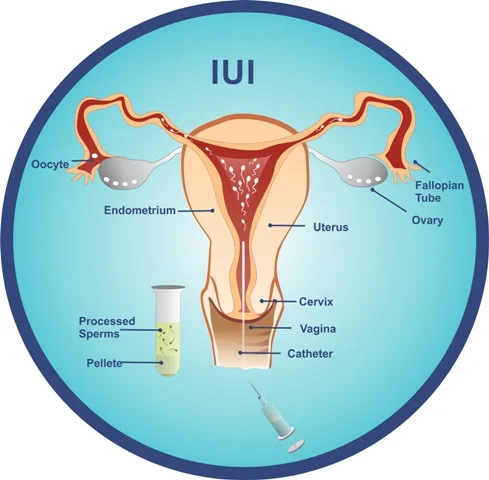
    diagram illustrating intrauterine insemination (IUI) with labeled reproductive anatomy and procedures

    A Holistic Approach: Combining Fertility Tracking Apps with Traditional Methods

    Another advantage of combining fertility tracking apps with traditional methods is the ability to detect any underlying reproductive health issues. Fertility tracking apps may only focus on predicting ovulation, but traditional methods can provide valuable insights into a woman’s menstrual cycle. For example, tracking basal body temperature can help identify if a woman is experiencing anovulatory cycles, which could be a sign of an underlying health issue. By noticing these patterns, women can seek medical help and address any potential fertility issues earlier.

    Additionally, taking a holistic approach to fertility tracking can also improve a couple’s communication and understanding of each other’s reproductive health. By involving partners in the tracking process, couples can gain a deeper understanding of the female partner’s menstrual cycle and fertility. This can lead to a more open and honest conversation about family planning and can help couples make informed decisions about when to try to conceive.

    While fertility tracking apps can be convenient and easy to use, they often come with a price tag. On the other hand, traditional methods of fertility tracking, such as the Billings Ovulation Method, are natural and cost-effective. By combining the two, couples can save money and still have access to accurate and comprehensive fertility tracking.

    In conclusion, there are numerous benefits to taking a holistic approach to fertility tracking by combining both fertility tracking apps and traditional methods. By doing so, women can have a more accurate understanding of their menstrual cycle, improve their reproductive health, and increase their chances of conceiving. It also allows for better communication and decision-making for couples when it comes to family planning. So, instead of relying solely on fertility tracking apps, consider incorporating traditional methods into your routine for a more holistic approach to reproductive health.

  • Technology meets Tradition: Finding a Balance with Fertility Tracking Methods

    Technology has revolutionized many aspects of our lives, including the way we approach family planning and fertility tracking. In recent years, there has been an explosion of fertility tracking methods and apps that claim to accurately predict a woman’s fertile window and help her conceive or avoid pregnancy. However, with the rise of technology, there has also been a resurgence of traditional methods of fertility tracking, such as natural family planning and the use of fertility awareness methods.

    While both technology-based and traditional methods have their pros and cons, finding a balance between the two can provide women with a more comprehensive and accurate understanding of their fertility. In this blog post, we will explore the intersection of technology and tradition in fertility tracking and the benefits of incorporating both approaches into our family planning journey.

    The Rise of Technology in Fertility Tracking

    Technology has made it easier than ever for women to track their fertility. There are now countless apps and devices on the market that use various methods, such as basal body temperature tracking, cervical mucus monitoring, and hormone level tracking, to predict a woman’s fertile window and help her conceive or avoid pregnancy.

    One major advantage of technology-based fertility tracking is the convenience it offers. With just a few taps on their phones, women can input their data and receive personalized predictions about their fertility. These apps also often come with additional features, such as reminders for ovulation tests and medication, making it easier for women to stay on top of their fertility journey.

    Moreover, technology has made fertility tracking more accessible to women. In the past, traditional methods of fertility tracking required a significant amount of knowledge and commitment, making it challenging for some women to incorporate them into their daily routines. With technology-based methods, the process is much more user-friendly, and women can easily access information and support online.

    The Limitations of Technology-Based Fertility Tracking

    While technology-based methods of fertility tracking offer convenience and accessibility, they also have their limitations. One of the most significant drawbacks is their reliance on algorithms and predictions, which may not always be accurate. Many factors can affect a woman’s fertility, such as stress, diet, and medication, which may not be accounted for in these apps and devices.

    Another limitation is the lack of personalization in technology-based methods. Every woman’s body is unique, and the same tracking method may not work for everyone. Additionally, these apps and devices often do not consider underlying health conditions or hormonal imbalances that may affect a woman’s fertility. This can lead to inaccurate predictions and potential frustration for women trying to conceive or avoid pregnancy.

    illustration of intrauterine insemination procedure with a syringe and catheter in the uterus.

    Technology meets Tradition: Finding a Balance with Fertility Tracking Methods

    The Role of Traditional Fertility Tracking Methods

    Traditional methods of fertility tracking, such as natural family planning and fertility awareness methods, have been used for centuries and are based on observing and charting a woman’s natural fertility signs. These methods rely on a woman’s understanding of her body and require regular tracking of her basal body temperature, cervical mucus, and other fertility indicators.

    One significant advantage of traditional methods is their effectiveness. When used correctly, these methods can be up to 99% effective in preventing pregnancy. They also offer women a deeper understanding of their fertility and can help identify potential health issues that may affect their reproductive health.

    Moreover, traditional methods of fertility tracking can be used in conjunction with technology-based methods to provide a more accurate understanding of a woman’s fertility. For example, a woman can use an app to track her basal body temperature and cervical mucus while also learning to interpret her body’s natural fertility signs. This combination can help women better predict their fertile window and increase their chances of conception.

    Finding a Balance Between Technology and Tradition

    The key to finding a balance between technology and tradition in fertility tracking is to understand the strengths and limitations of each method. While technology-based methods offer convenience and accessibility, they may not always be accurate. On the other hand, traditional methods require more effort and commitment but can provide a deeper understanding of a woman’s fertility.

    Women can also benefit from seeking guidance from healthcare professionals who specialize in fertility tracking. These experts can help women navigate the various methods available and customize a tracking plan that works best for their unique needs.

    Incorporating both technology and tradition into fertility tracking can also help women feel more in control of their reproductive health. By understanding their bodies and tracking their natural fertility signs, women can make informed decisions about their family planning journey.

    In conclusion, technology and tradition can work hand in hand when it comes to fertility tracking. While technology has made the process more accessible and convenient, traditional methods provide a deeper understanding of a woman’s fertility and can be used to complement technology-based methods. By finding a balance between the two, women can make more informed decisions about their reproductive health and achieve their family planning goals.

  • The Power of Data: How Fertility Tracking Apps Are Changing the Game

    Blog Post:

    Data has become an essential part of our daily lives, and it’s no surprise that it has also revolutionized the way we approach fertility tracking. In recent years, fertility tracking apps have gained immense popularity, providing women with a convenient and accurate way to monitor their menstrual cycles, ovulation, and overall reproductive health. These apps use data and technology to help women better understand their bodies, plan or prevent pregnancy, and even identify potential fertility issues. In this blog post, we will explore the power of data in fertility tracking apps and how they are changing the game for women’s reproductive health.

    The Rise of Fertility Tracking Apps:

    Fertility tracking, also known as natural family planning, has been around for centuries. Women have been using various methods like tracking their basal body temperature, cervical mucus, and menstrual cycle to understand their fertility and plan or prevent pregnancy. However, these methods were often tedious, inaccurate, and required a lot of manual tracking. With the rise of technology, fertility tracking has become more accessible, convenient, and accurate through the use of fertility tracking apps.

    These apps use algorithms and data from users to predict ovulation, fertile windows, and menstrual cycles. They also offer features like symptom tracking, reminders, and personalized insights to help women better understand their reproductive health. The popularity of these apps can be attributed to their ease of use, privacy, and accuracy. With just a few taps on their smartphones, women can track their cycles, receive personalized predictions and insights, and even connect with other users for support and advice.

    The Power of Data in Fertility Tracking Apps:

    One of the most significant advantages of fertility tracking apps is the use of data to provide accurate predictions and insights. These apps collect data from users, such as menstrual cycle length, period flow, and symptoms, and use it to create personalized fertility charts and predictions. The more data a user inputs, the more accurate the predictions become. This data-driven approach not only makes fertility tracking more efficient but also empowers women to take control of their reproductive health.

    Moreover, fertility tracking apps also use data to identify potential fertility issues. For example, irregularities in menstrual cycles or symptoms like excessive bleeding or severe cramps can be a sign of underlying health problems. By tracking these symptoms and providing the data to their healthcare providers, women can receive early detection and treatment for these issues. This not only improves their reproductive health but also overall well-being.

    Supporting Women’s Health Choices:

    Comparison chart of IUI and IVF treatments, detailing medications, monitoring, procedures, and success rates.

    The Power of Data: How Fertility Tracking Apps Are Changing the Game

    Fertility tracking apps not only provide women with insights into their reproductive health but also support their health choices. These apps offer features like birth control reminders and family planning tools, helping women make informed decisions about their reproductive health. For those trying to conceive, these apps can be incredibly helpful in identifying the most fertile days and tracking ovulation. On the other hand, for those looking to prevent pregnancy, these apps can act as a convenient alternative to traditional birth control methods.

    Moreover, fertility tracking apps also allow women to track other aspects of their health, such as mood, energy levels, and exercise. This data can help women identify patterns and make lifestyle changes to improve their overall well-being. By promoting a holistic approach to reproductive health, these apps empower women to take charge of their health and make informed choices.

    The Impact on Women’s Health:

    The use of data in fertility tracking apps has had a significant impact on women’s reproductive health. These apps have not only made fertility tracking more accessible and convenient but have also helped identify potential fertility issues and support women’s health choices. With the abundance of data collected, these apps also have the potential to contribute to medical research and advancements in women’s healthcare.

    Moreover, the rise of fertility tracking apps has also led to a shift in societal attitudes towards women’s reproductive health. These apps have made it easier for women to openly discuss and seek information about their reproductive health, breaking the stigma surrounding the topic. With more data and information available, women can make informed choices about their reproductive health, leading to better overall health outcomes.

    In Conclusion:

    Fertility tracking apps have become a game-changer in women’s reproductive health, thanks to the power of data. These apps offer a convenient and accurate way to track menstrual cycles, ovulation, and overall reproductive health. By using data to provide personalized insights and predictions, these apps empower women to take control of their reproductive health and make informed decisions. With the potential to impact medical research and change societal attitudes, the power of data in fertility tracking apps is truly remarkable.

    Summary:

    Fertility tracking apps have gained popularity in recent years for their convenience, accuracy, and use of data to monitor women’s menstrual cycles and reproductive health. These apps use algorithms and personal data to provide personalized insights and predictions, making fertility tracking more efficient and empowering women to make informed decisions about their reproductive health. They also support women’s health choices and have the potential to impact medical research and societal attitudes towards women’s reproductive health.

  • Going Back to Basics: The Benefits of Natural Fertility Methods

    Going Back to Basics: The Benefits of Natural Fertility Methods

    In today’s modern world, many couples struggle with fertility issues, leading them to turn to medical interventions such as IVF and other assisted reproductive technologies. While these methods can be successful for some, they often come with risks and high costs. However, there is a growing movement towards natural fertility methods, which involve working with the body’s natural processes to enhance the chances of conception. In this blog post, we will explore the benefits of going back to basics and embracing natural fertility methods.

    What Are Natural Fertility Methods?

    Natural fertility methods, also known as natural family planning or fertility awareness, involve tracking and understanding a woman’s menstrual cycle to determine the most fertile days for conception. These methods rely on observing bodily signs such as changes in cervical mucus, basal body temperature, and other physical symptoms to identify when ovulation occurs. By understanding their body’s natural patterns, couples can time intercourse more effectively to increase their chances of conception.

    Benefits of Natural Fertility Methods

    1. Cost-Effective

    One of the most significant benefits of natural fertility methods is that they are relatively inexpensive compared to medical interventions. Couples do not need to spend thousands of dollars on fertility treatments or medications, making it a more accessible option for those with limited financial resources. This can be especially beneficial for couples who have already exhausted their savings on unsuccessful fertility treatments.

    2. No Side Effects

    Unlike medical interventions, natural fertility methods do not come with any side effects. This is because they do not involve the use of hormones or medications that can cause adverse reactions. Many women experience unpleasant side effects from fertility drugs, such as headaches, mood swings, and bloating. Natural fertility methods eliminate the need for these drugs, making it a safer and more comfortable option for couples trying to conceive.

    3. Promotes a Healthy Lifestyle

    Natural fertility methods require couples to pay attention to their overall health and well-being. This includes maintaining a healthy diet, regular exercise, and reducing stress levels. These lifestyle changes not only improve the chances of conception but also have long-term health benefits. By going back to basics and focusing on a healthy lifestyle, couples can improve their overall well-being while trying to conceive.

    diagram of a uterus with a syringe for intrauterine insemination procedure

    Going Back to Basics: The Benefits of Natural Fertility Methods

    4. Empowering for Women

    Natural fertility methods involve understanding and tracking one’s body’s natural processes. This can be empowering for women as it gives them a deeper understanding of their bodies and their fertility. It also allows women to take control of their reproductive health and make informed decisions about when and how they want to conceive. This can be especially beneficial for women who may have felt out of control during their fertility journey.

    5. Non-Invasive

    Another significant benefit of natural fertility methods is that they are non-invasive. Unlike medical interventions, which often involve invasive procedures, natural fertility methods are entirely natural and do not require any medical intervention. This makes it a more comfortable and less stressful option for couples trying to conceive.

    6. Suitable for All Couples

    Natural fertility methods are suitable for all couples, regardless of age, sexual orientation, or religious beliefs. Unlike some assisted reproductive technologies, which may have age restrictions or may not be available to same-sex couples, natural fertility methods can be used by anyone. This inclusivity and accessibility make it a popular choice for couples looking for alternative ways to conceive.

    How to Get Started with Natural Fertility Methods

    If you are interested in trying natural fertility methods, the first step is to consult with a healthcare professional who is knowledgeable in this area. They can guide you through the process and provide you with resources and support. It is also essential to educate yourself on the different methods available and choose the one that best suits your needs and lifestyle. Some popular natural fertility methods include the Billings Ovulation Method, Creighton Model, and Sympto-Thermal Method.

    In addition to understanding the menstrual cycle and identifying fertile days, natural fertility methods also involve making lifestyle changes to improve overall health and fertility. These changes may include maintaining a healthy weight, reducing stress levels, and avoiding harmful substances such as tobacco and alcohol. It is also crucial for both partners to be involved in the process and communicate openly and honestly with each other.

    In Conclusion

    Natural fertility methods offer many benefits for couples trying to conceive, including being cost-effective, non-invasive, and empowering for women. By going back to basics and understanding the body’s natural processes, couples can improve their chances of conception while also promoting a healthy lifestyle. However, it is essential to consult with a healthcare professional and educate oneself on the different methods available before embarking on this journey.

    In summary, natural fertility methods involve tracking and understanding a woman’s menstrual cycle to determine the most fertile days for conception. These methods are cost-effective, have no side effects, promote a healthy lifestyle, empower women, are non-invasive, and are suitable for all couples. It is crucial to consult with a healthcare professional and make lifestyle changes to increase the chances of conception. By embracing natural fertility methods, couples can go back to basics and work with their bodies to achieve their dream of starting a family.