Sperm Donation vs Co-Parenting: A Conversation on Ethics and Morality
In recent years, there has been a significant increase in the number of single individuals and same-sex couples seeking to start a family through alternative means such as sperm donation and co-parenting. While both options provide a way for people to fulfill their desire to become parents, they differ greatly in terms of the ethical and moral implications involved. In this blog post, we will explore the ethical and moral considerations of sperm donation and co-parenting, and how they impact the individuals involved and society as a whole.
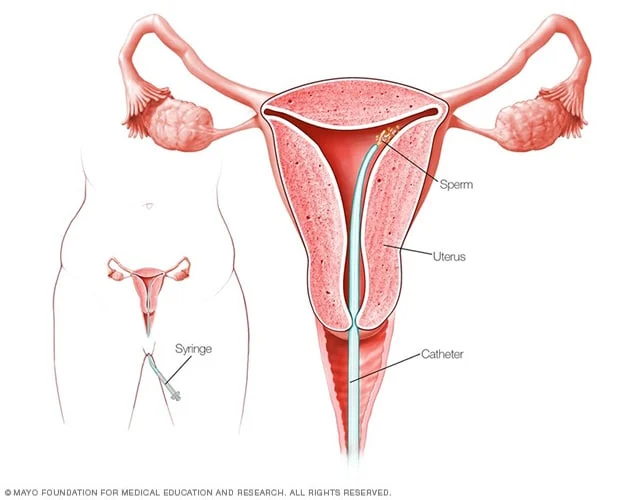
Sperm donation, also known as third-party reproduction, involves a man donating his sperm to a woman or a couple for the purpose of conceiving a child. This process is usually carried out through a fertility clinic, where the sperm is specially prepared and inserted into the woman’s uterus or used for in vitro fertilization (IVF). On the other hand, co-parenting is a voluntary arrangement between two or more individuals who agree to have and raise a child together without being in a romantic relationship. This can involve individuals of the same or opposite sex, and may include legal contracts and agreements to define the roles and responsibilities of each parent.
One of the main ethical concerns surrounding sperm donation is the issue of informed consent. Donors are often compensated for their sperm, which raises questions about their motivations and understanding of the potential consequences. Critics argue that sperm donation commodifies the reproductive process, reducing it to a transaction and disregarding the emotional and psychological impact on all parties involved. In some cases, donors may not disclose their full medical history, potentially exposing the child and recipient to genetic diseases or disorders.
Moreover, sperm donation raises questions about the rights of the child. Children conceived through sperm donation may have limited or no access to their biological father, which can have a significant impact on their sense of identity and belonging. The anonymity of donors, although meant to protect their privacy, can also create a sense of disconnection and confusion for the child. This has led to calls for stricter regulations and laws to protect the rights of donor-conceived children.
On the other hand, co-parenting raises its own set of ethical considerations. Unlike sperm donation, co-parenting involves a more personal and intimate relationship between the individuals involved. This can create complex family dynamics and raise questions about the well-being of the child. Some critics argue that children raised in a co-parenting arrangement may experience emotional and psychological challenges as a result of having multiple parental figures and a non-traditional family structure.
Sperm Donation vs Co-Parenting: A Conversation on Ethics and Morality
Another ethical concern surrounding co-parenting is the potential for conflicts and disagreements between the parents. Despite having legal agreements in place, the dynamics of the relationship can change over time, leading to disputes about parental roles and responsibilities. This can have a negative impact on the child and create an unstable environment for their upbringing.
When it comes to the moral implications of sperm donation and co-parenting, opinions are divided. Some argue that both options go against traditional societal norms and values, and therefore, are morally wrong. However, others believe that individuals have the right to make their own choices about parenthood and that society should not impose its moral beliefs on others. The moral implications of these options also vary based on cultural and religious beliefs, making it a highly subjective and controversial issue.
In addition to the ethical and moral implications, sperm donation and co-parenting also have legal implications. In most countries, sperm donation is regulated by laws that govern the rights and responsibilities of donors, recipients, and donor-conceived children. However, co-parenting arrangements may not have the same legal protection, which can lead to complicated custody battles and disputes.
While there are certainly valid concerns surrounding sperm donation and co-parenting, it is important to recognize that both options provide individuals with the opportunity to become parents and create a loving family. As society continues to evolve and embrace diverse family structures, it is crucial to have open and honest conversations about the ethical and moral implications of these alternative methods of reproduction.
In conclusion, sperm donation and co-parenting present complex ethical and moral considerations that have a significant impact on the individuals involved and society as a whole. It is crucial to carefully consider these issues and have proper regulations in place to protect the rights and well-being of all parties involved. Ultimately, the decision to become a sperm donor or enter into a co-parenting arrangement should be made after careful consideration and with the best interest of the child in mind.
Summary:
Sperm donation and co-parenting are two alternative methods of reproduction that have gained popularity in recent years. While both options allow individuals to become parents, they raise significant ethical and moral considerations. Sperm donation may raise concerns about informed consent and the rights of the child, while co-parenting can create complex family dynamics and lead to conflicts between the parents. Both options also have legal implications that need to be carefully considered. Ultimately, it is crucial to have open and honest conversations about the ethical and moral implications of these alternative methods of reproduction.