Tag: modern technology

  • From Traditional Medicine to Modern Technology: The Evolution of Infertility Treatments

    Blog Post:

    Infertility is a condition that affects millions of couples around the world. It is defined as the inability to conceive after one year of trying for a baby. For centuries, infertility has been a major issue, and couples have turned to traditional medicine for treatments. However, with the advancements in modern technology, there has been a significant evolution in infertility treatments. In this blog post, we will explore the journey from traditional medicine to modern technology in the field of infertility treatments.

    Traditional Medicine for Infertility:

    Traditional medicine has been around for thousands of years and has been the primary source of healthcare for many societies. In the case of infertility, traditional medicine typically involves the use of herbs, plants, and natural remedies to treat the condition. These remedies are often passed down from generation to generation and are believed to have healing properties.

    In many cultures, infertility is seen as a curse or a punishment, and traditional medicine is seen as a way to lift this curse. For instance, in ancient Egyptian culture, women who were unable to bear children were believed to be cursed by the gods. Therefore, traditional medicine was used to try and remove the curse and help women conceive.

    Traditional Chinese medicine (TCM) is another popular form of traditional medicine that has been used for infertility treatment. TCM practitioners believe that infertility is caused by an imbalance in the body’s energy, and by correcting this imbalance, fertility can be restored. Acupuncture, herbal medicine, and dietary changes are some of the techniques used in TCM for infertility treatment.

    While traditional medicine has been used for centuries, there is limited scientific evidence to support its effectiveness in treating infertility. As a result, many couples have turned to modern technology for more reliable and evidence-based treatments.

    The Rise of Modern Technology in Infertility Treatments:

    The 20th century saw a significant shift in the way infertility was treated. With the advancements in medical technology, new and innovative treatments were introduced, giving hope to millions of couples struggling with infertility.

    One of the first modern technology treatments for infertility was artificial insemination. This procedure involves placing sperm directly into a woman’s cervix or uterus, increasing the chances of fertilization. It was first performed in the 1940s and has since become a common infertility treatment.
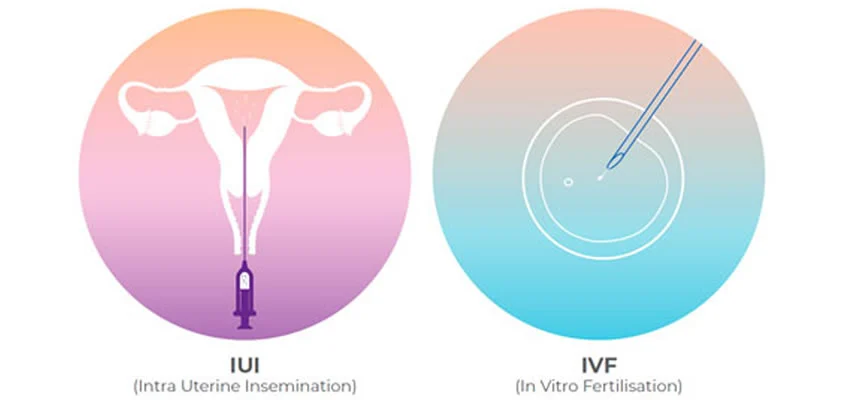
    comparison of IUI and IVF procedures illustrated with simple graphics and labels

    From Traditional Medicine to Modern Technology: The Evolution of Infertility Treatments

    In the 1970s, in vitro fertilization (IVF) was introduced, revolutionizing the field of infertility treatments. IVF involves fertilizing eggs with sperm in a laboratory and then transferring the resulting embryo into the woman’s uterus. This procedure has a higher success rate compared to traditional methods and has helped many couples become parents.

    Another significant advancement in infertility treatment is the use of fertility drugs. These drugs are used to stimulate ovulation in women who have trouble producing eggs. They can also be used to regulate the menstrual cycle and increase the chances of pregnancy.

    The Evolution of Infertility Treatments:

    In recent years, there have been even more advancements in infertility treatments, making it possible for couples to have a biological child of their own. One of these advancements is the use of preimplantation genetic testing (PGT). This technique involves testing embryos for genetic abnormalities before they are implanted in the uterus, reducing the risk of passing on genetic disorders to the child.

    Another modern technology that has greatly improved infertility treatments is the use of donor eggs and sperm. In cases where a woman is unable to produce viable eggs, donor eggs can be used for IVF. Similarly, donor sperm can be used in cases where the male partner has a low sperm count or quality.

    Furthermore, the use of assisted hatching has also increased the chances of successful embryo implantation. This technique involves creating a small opening in the outer layer of the embryo to help it hatch and implant in the uterus.

    The Future of Infertility Treatments:

    With the rapid advancements in medical technology, the future looks promising for infertility treatments. One of the most talked-about techniques is the use of stem cells for infertility treatment. Stem cells have the potential to develop into any type of cell in the body, including eggs and sperm. This could potentially help couples with genetic disorders or those who are unable to produce viable eggs or sperm.

    Another area of research is the development of artificial ovaries. This could be a game-changer for women who have gone through premature menopause or have had their ovaries removed due to medical reasons. The artificial ovaries would be able to produce eggs, allowing these women to conceive and carry a child.

    Summary:

    Infertility has been a major issue for couples for centuries. Traditional medicine has been the go-to treatment, but with the advancements in modern technology, there has been a significant evolution in infertility treatments. From artificial insemination to IVF and the use of fertility drugs, modern technology has greatly improved the chances of conception for couples struggling with infertility. Moreover, the future looks promising with advancements in techniques such as PGT, donor eggs and sperm, and the potential use of stem cells and artificial ovaries. These advancements give hope to millions of couples around the world who dream of starting a family of their own.
  • The Impact of Modern Technology on Fertility: Pros and Cons

    Blog Post: The Impact of Modern Technology on Fertility: Pros and Cons

    The advancement of technology has had a significant impact on every aspect of our lives, including fertility. With the rise of new medical procedures and assisted reproductive technologies, couples who struggle with infertility now have more options than ever before. However, along with these advancements come potential drawbacks and ethical concerns. In this blog post, we will explore the pros and cons of modern technology on fertility and its impact on individuals and society as a whole.

    Pros:

    1. Increased Success Rates: One of the most significant benefits of modern technology on fertility is the increased success rates of assisted reproductive technologies. In-vitro fertilization (IVF), for example, has an average success rate of 30-35%, depending on the age of the woman. This means that couples who were once struggling to conceive now have a higher chance of having a biological child.

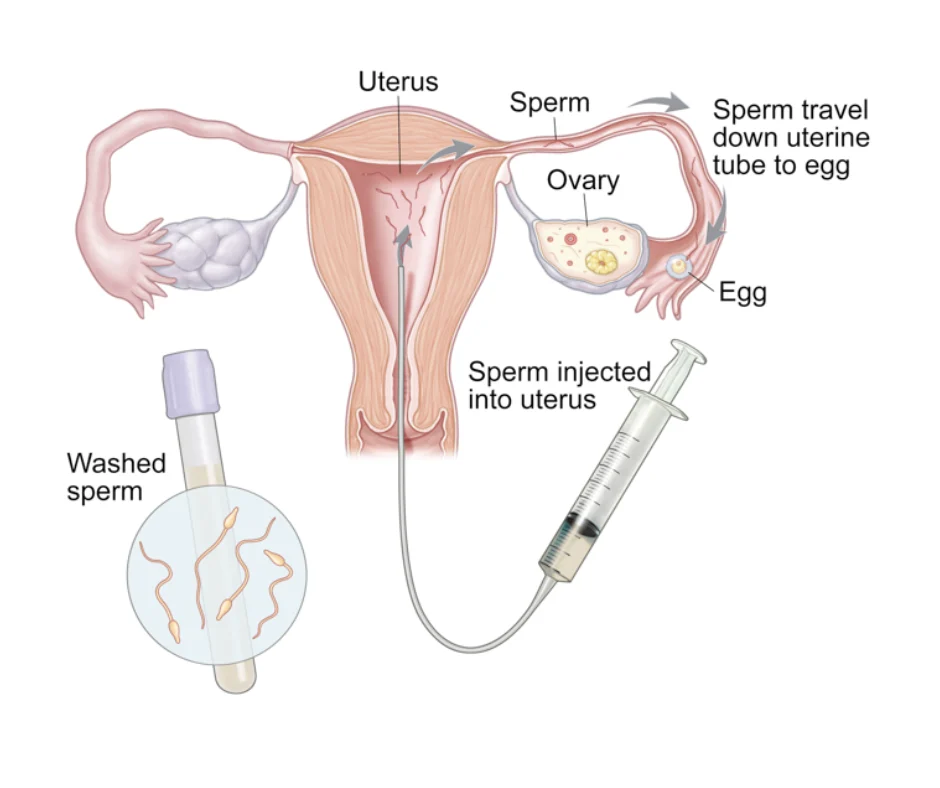
    2. Expanded Options for LGBTQ+ Couples: With the help of modern technology, same-sex couples and individuals now have the option to have biological children. Procedures like intrauterine insemination (IUI) and donor sperm or egg have made it possible for LGBTQ+ individuals to start families of their own.

    3. Egg Freezing: Egg freezing, also known as oocyte cryopreservation, has become a popular option for women who want to delay pregnancy for personal or medical reasons. This technology allows women to freeze their eggs when they are at their peak fertility and use them later in life when they are ready to have children.

    4. Pre-implantation Genetic Diagnosis (PGD): PGD is a procedure that allows for the screening of embryos for genetic disorders before implantation. This technology has helped reduce the risk of passing on genetic diseases to future generations, giving couples peace of mind when starting a family.

    5. Fertility Tracking Apps: With the rise of smartphones, there has been a surge in fertility tracking apps that help women track their menstrual cycle, ovulation, and fertile window. These apps not only allow women to better understand their bodies but also help in identifying potential fertility issues.

    Cons:

    1. Expensive: The cost of assisted reproductive technologies can be a significant barrier for many couples. IVF, for example, can cost anywhere from $12,000 to $17,000 per cycle, and most couples require multiple cycles to achieve a successful pregnancy. This can put a financial strain on couples and limit their options for starting a family.

    diagram illustrating intrauterine insemination process, showing sperm injection into the uterus and egg fertilization pathway

    The Impact of Modern Technology on Fertility: Pros and Cons

    2. Emotional and Physical Toll: The journey to parenthood can be emotionally and physically taxing, especially for couples who struggle with infertility. The constant cycle of hope, disappointment, and medical procedures can take a toll on an individual’s mental health and strain their relationships.

    3. Ethical Concerns: With advancements in technology, there are ethical concerns surrounding the creation and use of embryos in assisted reproductive technologies. Questions arise about the disposal of unused embryos, the creation of “designer babies,” and the exploitation of women’s bodies for egg donation.

    4. Increased Risk of Multiple Pregnancies: IVF and other assisted reproductive technologies have an increased risk of multiple pregnancies, which can lead to complications for both the mother and babies. This can be a challenging situation for couples who may not be prepared for the financial and emotional strain of raising multiple children.

    5. Unrealistic Expectations: The media often portrays assisted reproductive technologies as a quick fix for infertility. This can create unrealistic expectations for couples, leading to disappointment and feelings of failure when the procedures do not work.

    The Impact on Society:

    The impact of modern technology on fertility goes beyond individuals and couples struggling with infertility. The surge in fertility treatments has also led to a decline in natural conception rates in some countries. This can have long-term implications for society, such as an aging population and a decline in birth rates.

    Moreover, the use of assisted reproductive technologies has also raised questions about the definition of parenthood and the rights of donor-conceived children to know their biological origins. These issues have sparked debates and discussions surrounding the ethics and regulation of assisted reproductive technologies.

    In conclusion, modern technology has undoubtedly had a significant impact on fertility, offering hope and options for couples who struggle with infertility. However, it is essential to consider the potential drawbacks and ethical concerns surrounding these advancements. As technology continues to evolve, it is crucial to have open and honest discussions about its impact on fertility and society as a whole.

    Summary:

    The advancement of technology has had a significant impact on fertility, providing couples with more options to overcome infertility. The pros of modern technology on fertility include increased success rates, expanded options for LGBTQ+ couples, egg freezing, PGD, and fertility tracking apps. However, there are also cons, such as the high cost, emotional and physical toll, ethical concerns, increased risk of multiple pregnancies, and unrealistic expectations. The impact on society includes a decline in natural conception rates and debates about the definition of parenthood and the rights of donor-conceived children. It is crucial to consider both the pros and cons of modern technology on fertility and have open discussions about its impact on individuals and society.