Tag: Mediterranean diet

  • Fertility Nutrition and the Mediterranean Diet: Exploring the Benefits for Conception

    Fertility Nutrition and the Mediterranean Diet: Exploring the Benefits for Conception

    In today’s society, many couples struggle with fertility issues. While there can be various underlying factors, nutrition plays a crucial role in fertility and conception. The Mediterranean diet, known for its health benefits, has been linked to improved fertility and increased chances of conception. In this blog post, we will explore the connection between fertility nutrition and the Mediterranean diet and uncover the benefits it can offer for couples trying to conceive.

    What is the Mediterranean Diet?

    The Mediterranean diet is inspired by the traditional eating habits of countries bordering the Mediterranean Sea, such as Greece, Italy, and Spain. It is a plant-based diet that emphasizes the consumption of whole foods, healthy fats, and lean proteins. The diet also includes moderate intake of red wine and limits processed and sugary foods.

    The Mediterranean Diet and Fertility

    Studies have shown that the Mediterranean diet can have a positive impact on fertility. The diet is rich in antioxidants, healthy fats, and other nutrients that support reproductive health. It also promotes a healthy weight, which is crucial for fertility. Let’s take a closer look at the specific benefits of the Mediterranean diet for fertility.

    1. Supports Hormonal Balance

    Hormonal imbalances can be a major factor in fertility issues for both men and women. The Mediterranean diet is rich in healthy fats, which are essential for hormone production and balance. Olive oil, a staple in the Mediterranean diet, contains monounsaturated fats that can help regulate hormones and improve fertility.

    2. Increases Nutrient Intake

    The Mediterranean diet is packed with nutrient-dense foods such as vegetables, fruits, whole grains, and lean proteins. These foods provide essential vitamins and minerals necessary for hormonal balance, egg and sperm health, and overall reproductive health. Nutrients such as folate, vitamin B6, and zinc are crucial for fertility and can be found in abundance in the Mediterranean diet.

    3. Reduces Inflammation

    Inflammation in the body can interfere with fertility by causing hormonal imbalances and disrupting the reproductive system. The Mediterranean diet is rich in anti-inflammatory foods such as olive oil, nuts, and fatty fish. These foods contain omega-3 fatty acids and antioxidants that can help reduce inflammation and improve fertility.

    4. Promotes a Healthy Weight

    Obesity or being underweight can have a significant impact on fertility. The Mediterranean diet promotes a healthy weight by emphasizing the consumption of whole, nutrient-dense foods and limiting processed and sugary foods. This can help regulate hormones and improve fertility for both men and women.

    5. Improves Egg and Sperm Quality
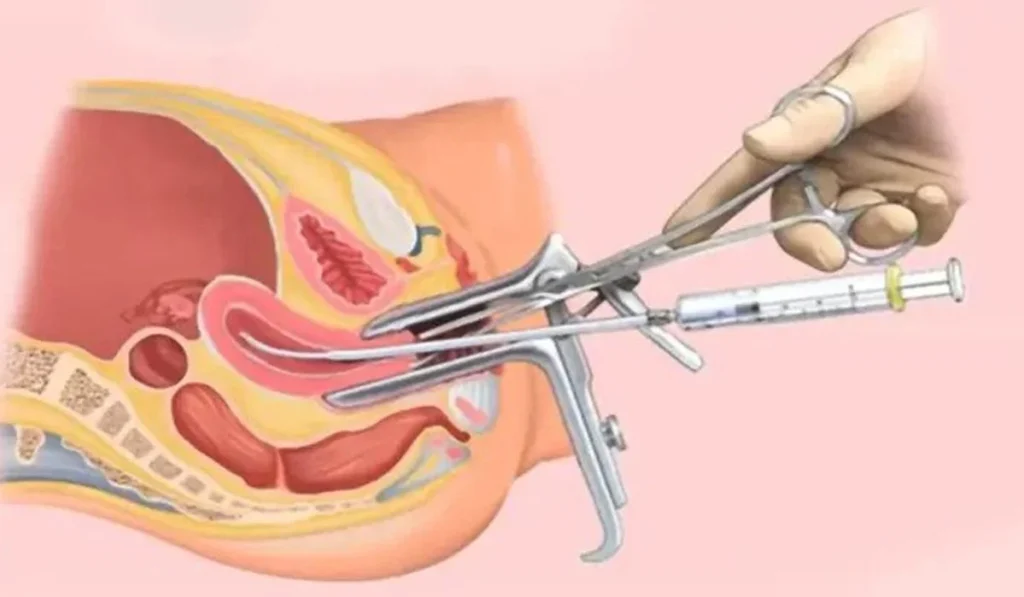
    illustration of an intrauterine insemination procedure with medical instruments and anatomical details

    Fertility Nutrition and the Mediterranean Diet: Exploring the Benefits for Conception

    The nutrients found in the Mediterranean diet have been linked to improved egg and sperm quality. For women, the diet can help regulate ovulation and improve the quality of eggs. For men, it can boost sperm count and motility. This can significantly increase the chances of conception for couples struggling with fertility issues.

    In addition to these benefits, the Mediterranean diet has also been linked to improved overall reproductive health, reduced risk of miscarriage, and increased chances of successful IVF treatment. It is a well-rounded diet that not only supports fertility but also promotes overall health and well-being.

    Incorporating the Mediterranean Diet into Your Lifestyle

    Now that we understand the benefits of the Mediterranean diet for fertility, it’s time to explore ways to incorporate it into your lifestyle. Here are some tips for adopting a Mediterranean-style diet:

    1. Embrace Plant-Based Foods

    The Mediterranean diet is primarily plant-based, so make sure to include plenty of vegetables, fruits, and whole grains in your meals. These foods provide essential nutrients and fiber to support reproductive health.

    2. Choose Healthy Fats

    Healthy fats such as olive oil, nuts, and avocados are a crucial part of the Mediterranean diet. Use olive oil as your primary cooking oil, add nuts and seeds to your meals and snacks, and incorporate avocados into salads and sandwiches to reap the benefits of these healthy fats.

    3. Limit Processed Foods

    Processed foods, such as packaged snacks and fast food, are not a part of the Mediterranean diet. These foods are high in unhealthy fats, added sugars, and sodium, which can have a negative impact on fertility. Instead, opt for whole, nutrient-dense foods that will support your reproductive health.

    4. Enjoy Lean Proteins

    The Mediterranean diet includes lean proteins such as fish, chicken, and legumes. These foods are excellent sources of essential amino acids and can help improve egg and sperm quality. Try to include a serving of lean protein in each meal to reap the benefits.

    5. Moderate Your Alcohol Intake

    Moderate intake of red wine is a part of the Mediterranean diet. However, excessive alcohol consumption can have a negative impact on fertility. It’s important to stick to the recommended amount, which is one glass of wine per day for women and two glasses for men.

    Conclusion

    Fertility struggles can be challenging and overwhelming for couples. However, by incorporating the Mediterranean diet into your lifestyle, you can support your reproductive health and increase your chances of conception. This plant-based, nutrient-dense diet can improve hormonal balance, increase nutrient intake, reduce inflammation, promote a healthy weight, and improve egg and sperm quality. So, if you’re trying to conceive, consider adopting a Mediterranean-style diet and reap the benefits for your fertility and overall health.
  • Fertility Nutrition and IVF: How Diet Can Support Assisted Reproductive Techniques

    Blog Post Title: Fertility Nutrition and IVF: How Diet Can Support Assisted Reproductive Techniques

    In recent years, there has been a significant increase in the number of couples turning to assisted reproductive techniques, such as in-vitro fertilization (IVF), to help them conceive. While IVF has proven to be a successful method for many, it is not without its challenges and limitations. However, there is growing evidence that suggests proper nutrition and diet can play a crucial role in supporting the success of IVF and other assisted reproductive techniques. In this blog post, we will explore the connection between fertility nutrition and IVF and how making dietary changes can improve the chances of success for couples undergoing these procedures.

    The Impact of Diet on Fertility

    Before delving into the specifics of fertility nutrition and IVF, it is important to understand the impact of diet on fertility in general. Studies have shown that a well-balanced and nutritious diet can improve the overall reproductive health of both men and women. On the other hand, a poor diet can lead to hormonal imbalances, decreased sperm quality, and irregular ovulation, which can all hinder the chances of conception.

    For women, maintaining a healthy weight is crucial for fertility. Being underweight or overweight can affect hormone production and menstrual cycles, making it difficult to conceive. Additionally, certain nutrients such as folic acid, iron, and Vitamin D are essential for maintaining a healthy reproductive system.

    For men, a diet rich in antioxidants, zinc, and folate can improve sperm quality and motility. A diet high in processed foods, alcohol, and caffeine, on the other hand, can negatively impact sperm count and quality.

    Fertility Nutrition and IVF

    IVF is a complex and costly procedure, and couples who undergo this process often want to do everything in their power to increase their chances of success. While there are many factors that can affect the outcome of IVF, nutrition and diet have been identified as key players in supporting the process.

    One study found that following a Mediterranean-style diet, which is rich in fruits, vegetables, whole grains, and healthy fats, can improve the chances of pregnancy in women undergoing IVF. The study also showed that women who followed this diet were more likely to have successful pregnancies and deliver healthy babies.

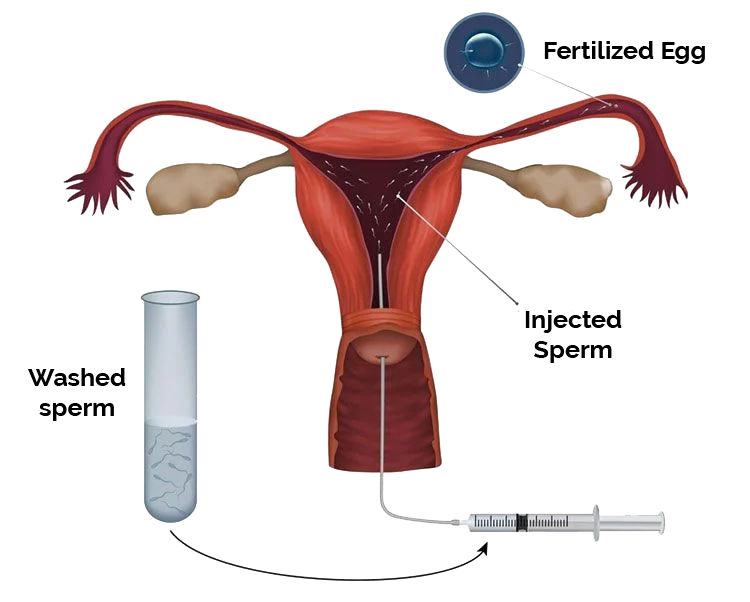
    diagram of the female reproductive system with an IUI syringe and test tube for artificial insemination

    Fertility Nutrition and IVF: How Diet Can Support Assisted Reproductive Techniques

    The reason behind the positive impact of a Mediterranean-style diet on IVF success is due to the high levels of antioxidants and anti-inflammatory compounds found in these foods. These nutrients can help reduce oxidative stress in the body, which has been linked to infertility and pregnancy complications.

    Another study found that increasing protein intake, specifically from plant-based sources, can improve the quality of embryos and increase the chances of implantation during IVF. This is because plant-based proteins contain important amino acids and antioxidants that can support healthy egg development and fertilization.

    In addition to specific foods, it is also important to pay attention to overall calorie intake and weight management during IVF. Studies have shown that being either underweight or overweight can affect the success of IVF and increase the risk of pregnancy complications. Working with a registered dietitian or nutritionist can help couples undergoing IVF create a personalized meal plan that supports their specific needs and goals.

    Other Ways Diet Can Support IVF

    Aside from improving the chances of success during IVF, nutrition and diet can also play a role in preparing the body for the procedure. Just like any other medical procedure, preparing for IVF involves taking care of one’s overall health and well-being.

    Including plenty of fruits and vegetables in the diet can help boost the immune system and reduce inflammation in the body, which can improve the chances of a successful IVF procedure. Consuming healthy fats, such as those found in avocados, nuts, and olive oil, can also help balance hormones and support healthy egg development.

    In addition to food choices, certain lifestyle factors can also impact fertility and the success of IVF. These include smoking, alcohol consumption, and stress levels. Quitting smoking and reducing alcohol intake can improve sperm quality, while managing stress through relaxation techniques, exercise, and a healthy diet can support hormonal balance and improve overall well-being.

    Summary:

    In conclusion, fertility nutrition plays a crucial role in supporting assisted reproductive techniques such as IVF. A well-balanced and nutritious diet can improve the overall reproductive health of both men and women, increasing the chances of a successful IVF procedure. Specifically, a Mediterranean-style diet, increased plant-based protein intake, and weight management have been linked to improved IVF outcomes. Additionally, making healthy food choices and managing lifestyle factors can also prepare the body for IVF and support overall fertility.

  • Traditional Diets from Around the World and Their Impact on Fertility

    Traditional Diets from Around the World and Their Impact on Fertility

    Fertility is a crucial aspect of human life, and it is affected by various factors, including genetics, lifestyle, and diet. In recent years, there has been a significant decline in fertility rates worldwide, which has raised concerns about the potential causes and ways to improve fertility. One factor that has been gaining attention in the fertility world is diet. Traditional diets from around the world have been shown to have a significant impact on fertility, and in this blog post, we will explore this relationship in-depth.

    Traditional diets are defined as the dietary patterns and habits of a particular culture or society that have been passed down through generations. These diets are often based on locally available foods and are heavily influenced by cultural beliefs and practices. The traditional diets of various cultures have been found to have a positive impact on fertility, and here are some examples from around the world:

    1. Mediterranean Diet

    The Mediterranean diet is based on the traditional eating habits of countries bordering the Mediterranean Sea, such as Greece, Italy, and Spain. This diet is rich in fruits, vegetables, whole grains, legumes, nuts, and olive oil, with moderate amounts of fish, poultry, and dairy. Red meat and processed foods are limited in this diet.

    Several studies have linked the Mediterranean diet to improved fertility in both men and women. The high intake of fruits and vegetables provides essential vitamins and minerals that are crucial for reproductive health. The consumption of olive oil, which is high in monounsaturated fats, has been linked to higher sperm quality and quantity in men. Additionally, the Mediterranean diet has anti-inflammatory properties, which can help improve fertility by reducing inflammation in the reproductive organs.

    2. Japanese Diet

    The traditional Japanese diet is based on the principles of the Buddhist philosophy, which emphasizes balance and moderation. This diet is high in fish, seafood, vegetables, and soy-based products, with moderate amounts of rice, fruits, and green tea.

    Studies have shown that the Japanese diet is associated with higher fertility rates, with Japan having one of the lowest rates of infertility in the world. The high intake of fish and seafood provides essential omega-3 fatty acids, which play a crucial role in reproductive health. The consumption of soy-based products has also been linked to improved fertility in women, as it contains plant-based estrogens that can help regulate hormone levels.

    3. Traditional African Diet

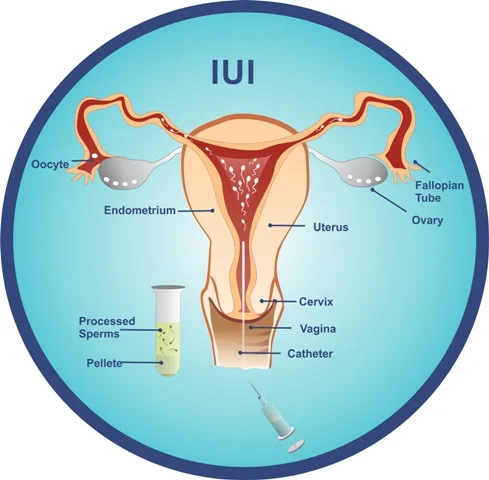
    diagram illustrating intrauterine insemination (IUI) with labeled reproductive anatomy and procedures

    Traditional Diets from Around the World and Their Impact on Fertility

    The traditional African diet varies from region to region, but it is generally based on whole foods, including grains, tubers, legumes, fruits, and vegetables. Meat and dairy products are also consumed in moderation, with a focus on lean and unprocessed options. Traditional African diets are also rich in herbs and spices, which are used not only for flavor but also for their medicinal properties.

    Studies have shown that the traditional African diet can have a positive impact on fertility. The high consumption of whole foods provides essential nutrients, such as folate and iron, which are crucial for reproductive health. The use of herbs and spices has also been linked to improved fertility, as some have been found to have aphrodisiac properties and can help regulate hormone levels.

    4. Indian Diet

    The traditional Indian diet is heavily influenced by cultural and religious beliefs, with a strong emphasis on plant-based foods. This diet is rich in whole grains, legumes, fruits, vegetables, and dairy products, with smaller amounts of meat and fish. Spices and herbs are also widely used in Indian cuisine, not only for flavor but also for their medicinal properties.

    Studies have shown that the traditional Indian diet can have a significant impact on fertility. The high intake of plant-based foods provides essential nutrients, such as antioxidants and phytochemicals, which can help improve reproductive health. The use of herbs and spices, such as turmeric and cumin, has been linked to improved sperm quality and hormone regulation in men.

    5. Inuit Diet

    The traditional Inuit diet, also known as the Eskimo diet, is based on the eating habits of the indigenous people of the Arctic regions. This diet is high in animal-based foods, such as fish, seafood, and game meat, with moderate amounts of berries, roots, and seaweed. The Inuit diet is also high in fat, with a significant portion coming from marine animals, such as seals and whales.

    Studies have shown that the Inuit diet can have a positive impact on fertility. The high intake of omega-3 fatty acids from fish and seafood can help improve sperm quality and regulate female hormone levels. The consumption of animal-based foods, which are rich in Vitamin D and other essential nutrients, can also contribute to improved fertility.

    Overall, traditional diets from around the world have been shown to have a significant impact on fertility, with their emphasis on whole foods, plant-based options, and the use of herbs and spices. These diets provide essential nutrients that are crucial for reproductive health and also have anti-inflammatory and hormone-regulating properties. Incorporating elements of these traditional diets into our modern lifestyles may help improve fertility rates and overall reproductive health.

    In conclusion, fertility is a complex issue that is affected by various factors, including diet. Traditional diets from around the world have been found to have a positive impact on fertility, with their emphasis on whole foods, plant-based options, and the use of herbs and spices. Incorporating elements of these diets into our modern lifestyles may help improve fertility rates and overall reproductive health.

  • The Fertility Plate: A Guide to Balanced Nutrition for Conception

    Blog Post Title: The Fertility Plate: A Guide to Balanced Nutrition for Conception

    Summary:

    Conceiving a child is a natural and beautiful process, but it can also be a challenging and emotional journey for many couples. While there are several factors that can affect fertility, one aspect that often gets overlooked is nutrition. The food we eat plays a crucial role in our overall health and can have a significant impact on our fertility. That’s where “The Fertility Plate” comes in – a guide to balanced nutrition for conception.

    In this blog post, we will dive deep into the importance of nutrition for fertility and how the Fertility Plate can help you achieve a well-balanced and nutritious diet for conception. We will also discuss the key nutrients and food groups that are essential for promoting fertility and how to incorporate them into your daily meals. So let’s get started!

    What is the Fertility Plate?

    The Fertility Plate is a concept developed by fertility experts that focuses on consuming a well-balanced and nutritious diet to improve fertility. It is based on the principles of the Mediterranean diet, which consists of whole grains, fruits, vegetables, lean proteins, and healthy fats. The Fertility Plate divides each meal into three sections: one-third of the plate should be filled with whole grains, one-third with vegetables, and one-third with lean protein. This balanced approach ensures that you are getting all the essential nutrients your body needs for optimal fertility.

    The Role of Nutrition in Fertility

    Many studies have shown a strong link between nutrition and fertility. A well-balanced and nutritious diet can help regulate hormones, improve egg quality, and increase sperm count and motility. On the other hand, a poor diet high in processed foods, unhealthy fats, and sugar can have a negative impact on fertility. So it’s essential to pay attention to what you eat if you are trying to conceive.

    Key Nutrients for Fertility

    1. Folate: Folate, also known as folic acid, is a B vitamin that is crucial for fetal development. It helps prevent neural tube defects in babies and is essential for women trying to conceive. Good sources of folate include leafy greens, citrus fruits, beans, and fortified cereals.

    2. Iron: Iron is needed for the production of healthy red blood cells, which carry oxygen to cells throughout the body. Iron deficiency can lead to anemia, which can affect fertility. Good sources of iron include lean meats, dark leafy greens, and legumes.

    Comparison of IUI and IVF, illustrating procedures and definitions for each fertility treatment.

    The Fertility Plate: A Guide to Balanced Nutrition for Conception

    3. Omega-3 Fatty Acids: Omega-3 fatty acids are essential for hormonal balance and can help regulate ovulation. They also play a crucial role in the development of the baby’s brain and eyes. Good sources of omega-3s include fatty fish, nuts, and seeds.

    4. Antioxidants: Antioxidants help protect our cells from damage caused by free radicals, which can harm fertility. Vitamins C and E, beta-carotene, and selenium are all powerful antioxidants that can be found in fruits, vegetables, nuts, and seeds.

    5. Zinc: Zinc is essential for healthy sperm production and also plays a role in egg development and ovulation. Good sources of zinc include oysters, beef, chicken, beans, and pumpkin seeds.

    Incorporating the Fertility Plate into Your Diet

    Now that we know the key nutrients for fertility, let’s see how we can incorporate them into our daily meals using the Fertility Plate approach.

    1. Whole Grains: Whole grains are an excellent source of complex carbohydrates, which provide the energy needed for healthy ovulation. Opt for whole grain bread, pasta, and brown rice instead of their refined counterparts.

    2. Vegetables: Vegetables are packed with essential vitamins, minerals, and antioxidants. Incorporate a variety of colorful vegetables into your meals, such as leafy greens, carrots, bell peppers, and broccoli.

    3. Lean Proteins: Lean proteins are a crucial part of the Fertility Plate, as they provide the building blocks for hormones and help regulate ovulation. Choose lean sources of protein like chicken, fish, tofu, and beans.

    4. Healthy Fats: Healthy fats, such as avocado, olive oil, and nuts, are essential for hormonal balance and can help improve egg quality.

    5. Fruits: Fruits are an excellent source of vitamins and minerals and can satisfy your sweet cravings in a healthy way. Incorporate a variety of fruits into your diet, such as berries, apples, and citrus fruits.

    In addition to following the Fertility Plate, it’s essential to maintain a healthy weight, exercise regularly, and limit alcohol and caffeine intake for optimal fertility.

    In conclusion, nutrition plays a significant role in fertility, and following the Fertility Plate can help you achieve a well-balanced and nutritious diet for conception. Remember to consult with a healthcare professional for personalized advice and continue to make healthy food choices to support your fertility journey.

  • The Role of Nutrition in Boosting Fertility: A Comparison of Fertility Diets

    Blog Post Title: The Role of Nutrition in Boosting Fertility: A Comparison of Fertility Diets

    Summary:

    Fertility is a topic that is often surrounded by myths and misconceptions, making it challenging for couples who are struggling to conceive. While there are various factors that can affect fertility, one crucial aspect that is often overlooked is nutrition. The food we eat plays a significant role in our overall health, including our reproductive health. In recent years, fertility diets have gained popularity as a way to boost fertility and increase the chances of conception. In this blog post, we will delve into the role of nutrition in fertility and compare some of the most popular fertility diets.

    First, let’s understand how nutrition affects fertility. Our bodies require a balance of essential nutrients, vitamins, and minerals to function correctly. This balance is especially crucial for reproductive health. For example, certain vitamins and minerals, such as folic acid, iron, and zinc, are vital for sperm production and egg quality. A deficiency in these nutrients can lead to fertility issues in both men and women. Additionally, being overweight or underweight can also impact fertility by disrupting hormonal balance and ovulation.

    Now, let’s take a closer look at some of the popular fertility diets and how they can boost fertility:

    Comparison chart of IUI and IVF treatments, detailing medications, monitoring, procedures, and success rates.

    The Role of Nutrition in Boosting Fertility: A Comparison of Fertility Diets

    1. The Mediterranean Diet:
    The Mediterranean diet is known for its abundance of fresh fruits, vegetables, whole grains, and healthy fats, such as olive oil and nuts. This diet has been linked to various health benefits, including improved fertility. Studies have shown that following a Mediterranean diet can increase the chances of conception and improve the success rates of fertility treatments. This diet is rich in antioxidants, which help protect the reproductive cells from damage and improve their quality. It also promotes a healthy weight, which is essential for fertility.

    2. The DASH Diet:
    The DASH (Dietary Approaches to Stop Hypertension) diet is another popular diet that has shown promising effects on fertility. This diet focuses on reducing sodium intake and increasing the consumption of fruits, vegetables, whole grains, and lean proteins. Studies have found that women who followed the DASH diet had a higher chance of conceiving compared to those who did not follow the diet. This could be because the DASH diet promotes a healthy weight and reduces the risk of conditions like polycystic ovary syndrome (PCOS) that can affect fertility.

    3. The Fertility Diet:
    The Fertility Diet is a specific diet designed to boost fertility. It was developed based on a study that looked at the dietary patterns of women who had a higher chance of conceiving. This diet focuses on whole foods, healthy fats, and lean proteins while limiting the consumption of refined carbohydrates and trans fats. It also encourages the intake of high-fat dairy products, which have been linked to improved fertility. Studies have shown that following the Fertility Diet can increase the chances of conception and reduce the risk of ovulatory infertility.

    4. The Paleo Diet:
    The Paleo diet is a popular diet that focuses on eating like our ancient ancestors, mainly consisting of lean meats, fruits, vegetables, nuts, and seeds. While there is limited research on the effects of the Paleo diet on fertility, some studies have suggested that it may have positive effects on reproductive health. The Paleo diet eliminates processed foods and focuses on whole, nutrient-dense foods, which can promote a healthy weight and improve fertility.

    5. Gluten-Free Diet:
    Gluten has been a topic of much debate when it comes to fertility. While there is no evidence to suggest that gluten directly affects fertility, some studies have shown that a gluten-free diet can improve the chances of conception in women with unexplained fertility issues. This could be because gluten can cause inflammation in the body, which can affect reproductive health. However, it is essential to note that a gluten-free diet is not necessary for everyone and should only be followed if you have a gluten intolerance or sensitivity.

    In conclusion, nutrition plays a crucial role in boosting fertility. While there is no one-size-fits-all diet for fertility, incorporating whole, nutrient-dense foods and maintaining a healthy weight can increase the chances of conception. It is also essential to consult with a healthcare professional or a registered dietitian before making significant changes to your diet, especially if you have any underlying health conditions.
