Understanding the Medical Terminology: Intrauterine Insemination vs Low-Tech IVF
In the world of fertility treatments, there are many technical terms and procedures that can be confusing for those who are not familiar with them. Two common terms that are often used interchangeably are intrauterine insemination (IUI) and low-tech in vitro fertilization (IVF). While these two procedures may seem similar, they actually have distinct differences that can greatly impact their success rates. In this blog post, we will dive into the medical terminology and mechanics behind IUI and low-tech IVF to help you better understand these fertility treatments.
What is Intrauterine Insemination (IUI)?
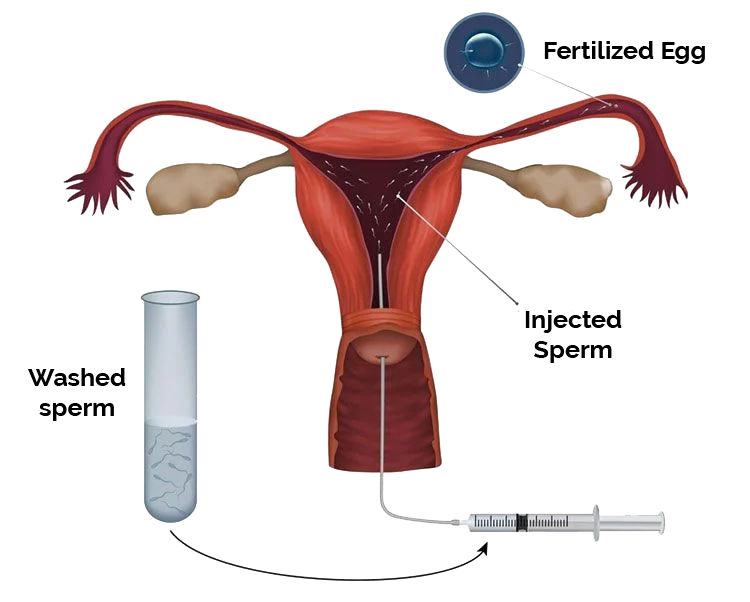
Intrauterine insemination, also known as artificial insemination, is a form of assisted reproductive technology (ART) that involves placing sperm directly into a woman’s uterus during her ovulation period. This procedure is often used for couples who are experiencing male factor infertility, unexplained infertility, or have cervical issues that prevent sperm from reaching the egg.
The process of IUI starts with the male partner providing a sperm sample, which is then washed and prepared in a laboratory. During ovulation, a thin catheter is inserted through the cervix and into the uterus, where the prepared sperm is injected. This procedure is relatively quick and painless, and can usually be done in a doctor’s office without the need for anesthesia.
IUI is a less invasive and less expensive fertility treatment option compared to other ART procedures such as IVF. However, its success rates can vary greatly depending on factors such as the woman’s age, the quality of the sperm, and the underlying cause of infertility.
What is Low-Tech IVF?
Low-tech IVF, also known as natural cycle IVF, is a type of IVF that uses minimal or no fertility medications to stimulate the ovaries. In traditional IVF, the woman takes fertility drugs to stimulate the ovaries to produce multiple eggs, which are then retrieved and fertilized with sperm in a laboratory. However, in low-tech IVF, the woman’s natural cycle is monitored and only the one egg that is naturally produced is retrieved and fertilized.
Understanding the Medical Terminology: Intrauterine Insemination vs Low-Tech IVF
The process of low-tech IVF still involves the retrieval of the woman’s egg and the fertilization of the egg with sperm in a laboratory. However, since there are fewer eggs retrieved, there is a lower risk of multiple pregnancies and ovarian hyperstimulation syndrome (OHSS). This procedure is also less expensive than traditional IVF, making it a more accessible option for some couples.
What are the Differences between IUI and Low-Tech IVF?
One of the main differences between IUI and low-tech IVF is the process of fertilization. In IUI, the sperm is placed directly into the uterus, while in low-tech IVF, the sperm and egg are fertilized in a laboratory before being transferred back into the uterus. This difference can greatly impact the success rates of each procedure.
Another difference is the use of fertility medications. While IUI does not involve the use of fertility drugs, low-tech IVF may use minimal doses of medication to help with the maturation of the single egg. This can help improve the chances of a successful pregnancy.
Lastly, the cost and level of invasiveness can also differ between IUI and low-tech IVF. IUI is typically less expensive and less invasive than low-tech IVF, making it a more accessible option for some couples. However, the success rates of low-tech IVF may be higher, especially for women over the age of 35.
Which Procedure is Right for You?
Both IUI and low-tech IVF have their own sets of benefits and limitations, and ultimately, the best option for you will depend on your individual circumstances. It is important to consult with a fertility specialist who can assess your medical history and help you determine the most suitable treatment plan.
In summary, while IUI and low-tech IVF may seem similar, they are two distinct fertility treatments with their own processes and success rates. Understanding the medical terminology and mechanics behind these procedures can help you make an informed decision about which one is right for you.