Tag: medical professionals

  • The Impact of Cancer on Fertility: Why Preservation is Essential

    Blog Post:

    Cancer is a devastating disease that affects millions of people every year. It not only takes a toll on physical health, but also on emotional and mental well-being. One aspect of cancer that is often overlooked is its impact on fertility. Many cancer treatments, such as chemotherapy and radiation, can have a significant effect on a person’s ability to have children in the future. This is why fertility preservation is essential for those who are diagnosed with cancer.

    Cancer and Fertility: The Connection

    Cancer can affect fertility in a number of ways. Firstly, the disease itself can cause damage to reproductive organs such as the ovaries, testes, and uterus. This can lead to issues with hormone production and ovulation, making it difficult to conceive naturally. Additionally, cancer treatments can also damage these organs and affect their functioning.

    Chemotherapy, one of the most common cancer treatments, can cause temporary or permanent damage to the ovaries, leading to a decrease in egg production and potential infertility. Radiation therapy, especially in the pelvic area, can also damage reproductive organs and affect fertility. Both of these treatments can also cause damage to sperm cells, making it difficult for men to father children.

    The Impact of Cancer on Fertility

    The impact of cancer on fertility is not only physical but also emotional. For many cancer patients, the thought of losing the ability to have children can be devastating. It can also add to the already existing emotional burden of dealing with a life-threatening illness. The fear of not being able to have children in the future can also cause significant stress and anxiety.

    Furthermore, for younger cancer patients who have not yet had children, the loss of fertility can be especially difficult. They may have to make difficult decisions about starting a family earlier than planned or not being able to have biological children at all. This can have a profound impact on their quality of life and overall well-being.

    Why Preservation is Essential

    Given the potential impact of cancer on fertility, preservation is essential for those who may want to have children in the future. Fertility preservation involves taking steps to protect and preserve reproductive cells before undergoing cancer treatment. This can include freezing sperm, eggs, or embryos, depending on the individual’s circumstances.
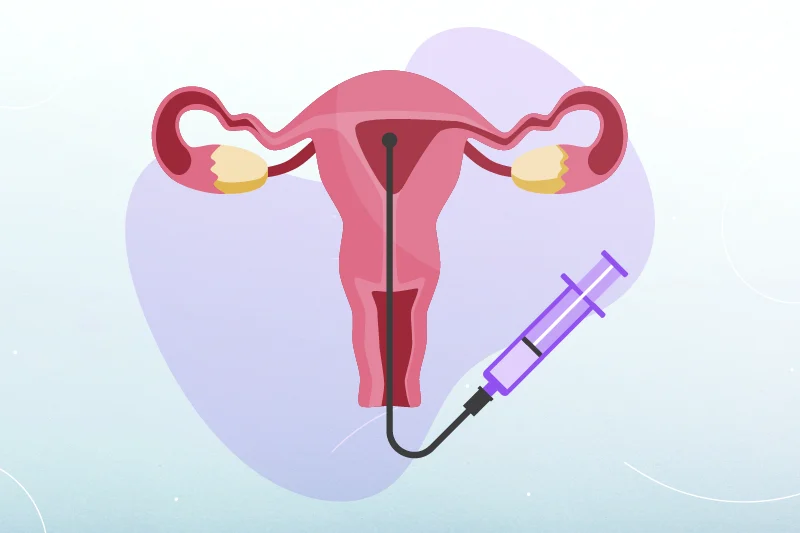
    Illustration of the uterus with a syringe, depicting the intrauterine insemination procedure.

    The Impact of Cancer on Fertility: Why Preservation is Essential

    Fertility preservation not only gives cancer patients hope for the future, but it also provides them with options. It allows them to focus on their treatment without having to worry about the potential loss of fertility. It also allows them to make informed decisions about their reproductive options after treatment.

    The Advancements in Fertility Preservation

    In recent years, there have been significant advancements in the field of fertility preservation. For women, options such as ovarian tissue cryopreservation and in vitro maturation have emerged as potential alternatives to egg freezing. These methods allow for the preservation of ovarian tissue or immature eggs, which can be matured in a laboratory setting after cancer treatment.

    For men, advancements in sperm banking have made it possible to preserve sperm for an indefinite period. Additionally, there have been developments in testicular tissue cryopreservation, which allows for the preservation of sperm-producing cells for future use.

    The Role of Medical Professionals

    One of the key factors in ensuring the success of fertility preservation is the involvement of medical professionals. Oncologists and reproductive specialists must work together to provide comprehensive care for cancer patients. It is essential for oncologists to discuss fertility preservation options with their patients before starting treatment. This not only helps in preserving fertility but also allows for better treatment planning.

    Moreover, medical professionals must also educate cancer patients about the potential impact of treatment on fertility and the available options for fertility preservation. This can help in reducing the emotional burden and anxiety associated with the loss of fertility.

    In Conclusion

    In conclusion, the impact of cancer on fertility is a significant aspect of the disease that must not be overlooked. Fertility preservation is essential for those who want to have children in the future. It not only provides hope and options for cancer patients but also plays a crucial role in their overall well-being. With the advancements in fertility preservation techniques, it is now possible for cancer patients to have a chance at starting a family after treatment.

    Summary:

    Cancer treatments can have a significant impact on fertility, causing damage to reproductive organs and affecting hormone production. This can lead to difficulties with conceiving naturally. Fertility preservation is essential for cancer patients as it gives them hope for the future and provides them with options. Advancements in this field have made it possible for both men and women to preserve their reproductive cells for future use. The involvement of medical professionals is crucial in ensuring the success of fertility preservation and reducing the emotional burden on cancer patients.
  • The Importance of Communication: Donor Insemination vs Partner Insemination

    Communication is an essential aspect of any successful relationship, whether it be romantic, platonic, or professional. It allows individuals to express their thoughts, feelings, and needs, and fosters understanding and connection between people. In the realm of assisted reproduction, communication takes on an even greater significance, particularly when it comes to choosing between donor insemination and partner insemination. In this blog post, we will explore the importance of communication in the context of these two options for achieving pregnancy.

    Donor insemination, also known as third-party reproduction, is a method of assisted reproduction where donated sperm is used to fertilize the intended parent’s egg. This process can be done through a sperm bank or through a known donor, such as a friend or family member. Partner insemination, on the other hand, involves using the sperm of one partner to fertilize the egg of the other partner.

    The decision to undergo donor insemination or partner insemination is a highly personal one and should be made after careful consideration and communication between partners. One of the most crucial aspects of communication in this context is understanding the emotional impact of each option. For couples considering donor insemination, it is essential to discuss the potential emotional challenges that may arise, such as feelings of loss or grief over not using one partner’s genetic material. Open and honest communication about these emotions can help both partners prepare for and cope with any potential difficulties.

    In contrast, couples considering partner insemination must communicate about the potential physical and emotional toll on the partner providing the eggs. The process of fertility treatments, including hormonal injections and egg retrieval, can be physically and emotionally taxing. It is crucial for partners to discuss these potential challenges and come to a mutual decision that considers the well-being of both individuals.

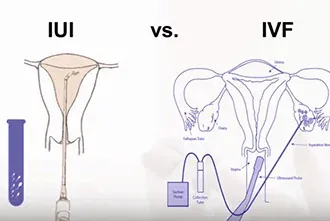
    Comparison of IUI and IVF treatments with diagrams of reproductive anatomy.

    The Importance of Communication: Donor Insemination vs Partner Insemination

    Communication is also vital in establishing clear expectations and boundaries within the relationship. In cases of donor insemination, there may be concerns about the involvement of the donor in the child’s life or how to handle potential future contact. It is essential for couples to have open and honest discussions about these issues and come to a mutual understanding and agreement. Similarly, in partner insemination, communication about the role each partner will play in the child’s life is crucial for maintaining a healthy and supportive relationship.

    Moreover, communication is essential in ensuring that both partners feel equally involved and invested in the process. In donor insemination, one partner may feel more disconnected from the process as they are not providing genetic material. It is crucial for the other partner to communicate and involve them in decision-making to foster a sense of equality and partnership. In partner insemination, it is essential for both partners to have a say in the treatment plan and feel equally invested in the process.

    Another crucial aspect of communication in these situations is discussing potential legal and financial implications. In cases of donor insemination, there may be legal considerations to consider, such as parental rights and obligations. Couples must communicate and understand these implications to make informed decisions and avoid any potential legal issues in the future. In partner insemination, there may be financial considerations, such as the cost of fertility treatments and the potential need for a sperm donor. Open communication about these matters can help couples plan and budget accordingly.

    In addition to communication between partners, it is also essential to communicate with medical professionals. These specialists play a crucial role in the process of assisted reproduction and can provide valuable information and support to couples. It is crucial to discuss any concerns or questions with medical professionals to ensure that the chosen method of assisted reproduction is the best fit for the couple’s situation.

    In summary, communication is paramount in the decision-making process of choosing between donor insemination and partner insemination. It helps couples understand and navigate the emotional, physical, legal, and financial implications of each option. It also fosters a sense of equality and partnership between partners, ensuring that both individuals feel equally involved and invested in the process. Open and honest communication with medical professionals is also crucial in making informed decisions and receiving support throughout the process.

  • The Role of Medical Professionals in Home Insemination and IVF for Same-Sex Couples

    Blog Post:

    In recent years, there has been a significant increase in the number of same-sex couples who are starting families through assisted reproductive technology (ART). With advancements in medical science and changing societal attitudes, more and more LGBTQ+ individuals and couples are choosing to have children through methods such as home insemination and in vitro fertilization (IVF). However, the process of starting a family through ART can be complex and overwhelming, especially for same-sex couples who may face unique challenges. This is where the role of medical professionals becomes crucial in supporting and guiding these individuals and couples through their journey to parenthood.

    Home insemination, also known as artificial insemination at home, is a method of conception in which sperm is inserted into the cervix or uterus of a person with the intention of achieving pregnancy. This method is commonly used by same-sex female couples, where one partner carries the pregnancy and the other partner provides the sperm. Similarly, IVF involves retrieving eggs from the ovaries and fertilizing them with sperm in a laboratory setting. The resulting embryo is then transferred into the uterus of the intended parent or a gestational carrier. IVF is often the preferred method for same-sex male couples, as it allows for one partner to provide the sperm and the other to carry the pregnancy.

    While home insemination and IVF offer hope for same-sex couples to start a family, these methods come with their own set of challenges. One of the main challenges is finding a sperm donor or an egg donor, depending on the method being used. This is where medical professionals play a critical role. They can provide guidance on selecting a donor, conducting thorough medical and genetic screenings, and ensuring the safety and legality of the process.

    Medical professionals also play a crucial role in monitoring the health and fertility of the intended parent(s) or gestational carrier. Before starting the home insemination or IVF process, doctors will conduct a thorough medical evaluation to assess the individual’s reproductive health and any potential risks. They will also provide guidance on how to optimize fertility and increase the chances of a successful pregnancy.

    In addition to the physical aspects of the process, medical professionals also play a vital role in providing emotional support to same-sex couples. The journey to parenthood through ART can be emotionally taxing, and the LGBTQ+ community may face additional challenges such as discrimination and lack of understanding. Medical professionals who are knowledgeable and sensitive to the unique needs of LGBTQ+ individuals and couples can provide a safe and supportive environment where they can openly discuss their concerns and receive the necessary support and guidance.

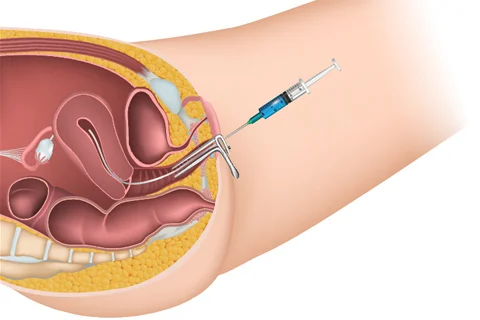
    illustration of intrauterine insemination procedure with a syringe and catheter in the uterus.

    The Role of Medical Professionals in Home Insemination and IVF for Same-Sex Couples

    Furthermore, same-sex couples may also face legal challenges when it comes to family-building through ART. Medical professionals can provide crucial guidance on the legal aspects of the process, such as obtaining legal parental rights and navigating the laws and regulations surrounding ART for same-sex couples.

    In recent years, there has also been an increase in the availability of fertility clinics and medical professionals who specialize in working with LGBTQ+ individuals and couples. These professionals have the necessary knowledge and experience to navigate the unique challenges faced by same-sex couples in their journey to parenthood. They can also provide access to resources and support groups that can be especially helpful for those who may feel isolated or alone in their journey.

    Moreover, medical professionals also play a critical role in educating the public and breaking down the stigma surrounding same-sex parenting through ART. By providing accurate information and debunking myths, they can help to create a more inclusive and accepting society for LGBTQ+ families.

    In conclusion, the role of medical professionals in home insemination and IVF for same-sex couples cannot be overstated. From guiding and supporting individuals and couples through the process to providing essential medical and emotional care, they are an integral part of the journey to parenthood for LGBTQ+ families. With their expertise and understanding, they can help make the dream of starting a family a reality for same-sex couples.

    Summary:

    Home insemination and IVF are becoming increasingly popular methods for same-sex couples to start a family. However, these methods come with unique challenges, and the role of medical professionals is crucial in guiding and supporting individuals and couples through the process. Medical professionals play a critical role in selecting donors, monitoring health and fertility, providing emotional support, and navigating legal challenges. They also play a vital role in educating the public and creating a more inclusive society for LGBTQ+ families. With their expertise and understanding, medical professionals can help make the dream of starting a family a reality for same-sex couples.