Tag: medical guidance

  • The Role of Timing in At-Home Intrauterine Insemination

    Timing is everything when it comes to at-home intrauterine insemination (IUI). This fertility treatment involves placing sperm directly into the uterus, bypassing the cervix and increasing the chances of fertilization. While the process itself may seem simple, the timing of the procedure is crucial for its success. In this blog post, we will explore the role of timing in at-home IUI and how it can impact the chances of conception.

    The Process of At-Home Intrauterine Insemination

    Before diving into the importance of timing, let’s first understand the process of at-home IUI. This fertility treatment involves collecting a semen sample from the male partner or a donor and using a syringe or specialized device to place the sperm directly into the uterus. This can be done at home, without the need for a medical professional, making it a more affordable and convenient option for couples trying to conceive.

    The Role of Timing in At-Home IUI

    Timing is crucial in at-home IUI for two main reasons: ovulation and sperm survival. Ovulation is the process of releasing an egg from the ovaries, and it is the most fertile time of a woman’s menstrual cycle. In order for conception to occur, the sperm needs to meet the egg during this window of time. Therefore, it is essential to time the insemination procedure with ovulation.

    Sperm survival is also a critical factor in at-home IUI. Sperm can survive in the female reproductive tract for up to five days, but their optimal lifespan is only 24-48 hours. This means that for the best chances of fertilization, the sperm should be present in the uterus during the time of ovulation. Timing the insemination procedure correctly can ensure that the sperm and egg meet at the right time, increasing the chances of conception.

    Methods for Timing At-Home IUI

    There are a few different methods for timing at-home IUI, and the best approach may vary depending on individual circumstances. One method is to use an ovulation predictor kit (OPK) to track ovulation. These kits detect the surge in luteinizing hormone (LH) that occurs 12-36 hours before ovulation. Once the surge is detected, the insemination procedure can be performed within the next 24-48 hours.

    Another method is to track basal body temperature (BBT). BBT is the body’s resting temperature, and it rises slightly after ovulation. By tracking BBT, a woman can determine when she ovulates and time the insemination procedure accordingly.
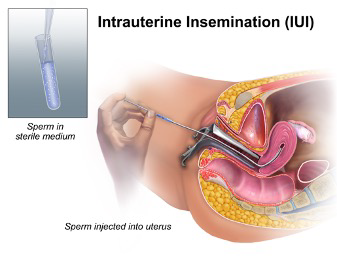
    Illustration of intrauterine insemination (IUI) procedure, showing sperm injection into the uterus.

    The Role of Timing in At-Home Intrauterine Insemination

    Some couples may also choose to use fertility tracking apps or calendars to help predict ovulation and time the insemination procedure. These tools use data such as menstrual cycle length and past ovulation dates to estimate when ovulation will occur.

    Factors That Can Affect Timing

    While tracking methods can be helpful, there are some factors that can affect the accuracy of timing for at-home IUI. These factors include irregular menstrual cycles, hormone imbalances, and external stressors. It is essential to keep track of any changes in these factors and adjust the timing of the insemination procedure accordingly.

    The Importance of Patience and Flexibility

    Timing at-home IUI correctly requires patience and flexibility. It may take a few cycles to determine the best method for tracking ovulation and timing the insemination procedure. Additionally, external factors such as illness or stress can affect ovulation and may require adjustments in timing. It is essential to stay patient and open to changes in the timing process to increase the chances of success.

    In Conclusion

    Timing plays a critical role in at-home intrauterine insemination. By understanding the process of ovulation and sperm survival, and using tracking methods and being patient and flexible, couples can increase their chances of success with this fertility treatment. It is also crucial to seek guidance from a medical professional and follow their recommendations for timing and other aspects of the at-home IUI process.

    Summary:

    At-home intrauterine insemination is a fertility treatment that involves placing sperm directly into the uterus, bypassing the cervix. Timing is crucial in this process for two main reasons: ovulation and sperm survival. Methods for timing at-home IUI include ovulation predictor kits, basal body temperature tracking, and fertility tracking apps or calendars. Factors such as irregular cycles and hormone imbalances can affect timing, and it is essential to be patient and flexible in the process. Seeking guidance from a medical professional is important in ensuring the success of at-home IUI.
  • Strength in Vulnerability: The Power of Sharing in Fertility Support Groups

    Title: Strength in Vulnerability: The Power of Sharing in Fertility Support Groups

    Introduction:
    Fertility struggles can be a difficult and isolating experience for couples. From the emotional toll to the physical and financial strain, the journey towards parenthood can be overwhelming. This is where support groups can play a crucial role in providing a safe and understanding space for individuals and couples going through infertility. In this blog post, we will explore the concept of strength in vulnerability and the power of sharing in fertility support groups.

    The Power of Vulnerability:
    Vulnerability is often seen as a weakness, but in reality, it is a strength. In the context of fertility struggles, it takes immense courage to open up about one’s struggles and fears. However, when individuals are vulnerable and share their experiences, it creates a sense of connection and understanding among group members. This shared vulnerability can break down walls and create a supportive and non-judgmental environment.

    Sharing Experiences:
    One of the most powerful aspects of support groups is the opportunity to share experiences. Fertility struggles can feel isolating, but when individuals realize that they are not alone in their struggles, it can provide a sense of comfort and relief. Hearing others’ stories can also provide hope and inspiration, as well as practical advice and tips. Additionally, sharing experiences can help individuals process their own emotions and gain a better understanding of their journey.

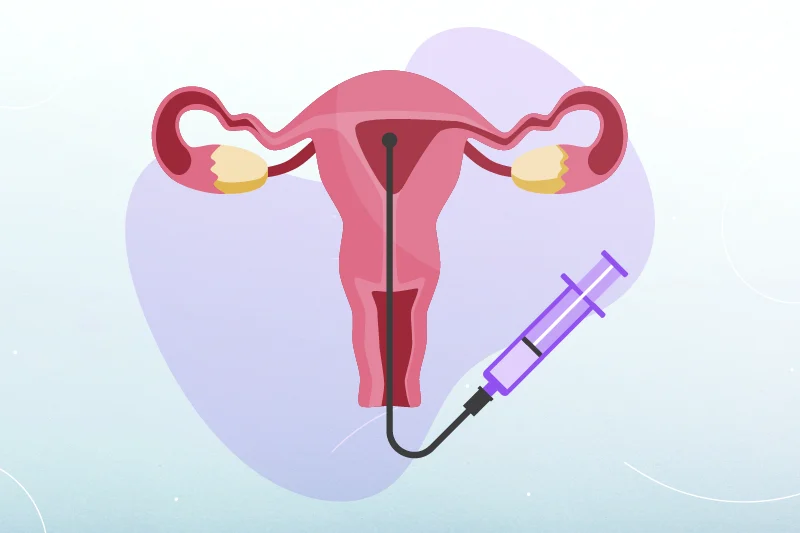
    Illustration of the uterus with a syringe, depicting the intrauterine insemination procedure.

    Strength in Vulnerability: The Power of Sharing in Fertility Support Groups

    Reducing Stigma and Shame:
    Infertility is still a taboo topic in many societies, and individuals going through it often feel a sense of shame and inadequacy. By sharing their stories in a support group, individuals can break through this stigma and start to feel more empowered. When others in the group can relate and understand, it can reduce the shame and self-blame that often comes with infertility. As a result, individuals may feel more comfortable opening up to friends and family about their struggles, creating a more supportive network.

    Support and Empathy:
    Support groups provide a safe space for individuals to express their emotions without fear of judgment. This can be especially beneficial for men, who are often expected to be the strong and stoic ones in a relationship. In a support group, both men and women can freely express their feelings and receive support and empathy from others who truly understand what they are going through. This can help reduce feelings of isolation and provide a sense of community.

    Medical and Practical Guidance:
    Fertility support groups are not just about emotional support, but they can also provide practical guidance. Group members can share their knowledge and experiences with different treatments and clinics, helping others navigate the overwhelming world of fertility treatments. Additionally, many support groups invite medical professionals to speak and provide information and advice to group members. This can be a valuable resource for individuals who may not have access to such information otherwise.

    Finding Strength in Others:
    Going through fertility struggles can be emotionally and physically draining. In support groups, individuals can find strength in others who are going through similar experiences. Seeing others persevere and find ways to cope can be a source of inspiration and motivation. This sense of community and support can help individuals continue their journey and find the strength to keep going.

    Summary:
    Fertility support groups provide a safe and understanding space for individuals and couples going through infertility. By sharing their experiences, individuals can create a sense of connection and understanding, reducing feelings of isolation and shame. The support and empathy received from group members can provide strength and motivation to continue the journey towards parenthood. Additionally, support groups offer practical guidance and resources, making the fertility journey less overwhelming. Through vulnerability and sharing, individuals can find strength in others and realize that they are not alone in their struggles.

  • The DIY Fertility Movement: How Social Media is Influencing Women

    The DIY Fertility Movement: How Social Media is Influencing Women

    In recent years, there has been a growing trend of women turning to do-it-yourself (DIY) methods for fertility treatments. With the increasing availability and accessibility of information through social media platforms, more and more women are taking control of their own fertility journey. From tracking ovulation and hormone levels to using at-home insemination kits, the DIY fertility movement is changing the way women approach the process of conceiving. In this blog post, we will explore the reasons behind this movement and the impact of social media on women’s fertility choices.

    Why Women are Turning to DIY Fertility

    There are several reasons why women are turning to DIY fertility methods. The first and most prominent reason is the high cost of traditional fertility treatments. According to the American Society for Reproductive Medicine, the average cost of one cycle of in vitro fertilization (IVF) is $12,000, not including additional medications and procedures. This hefty price tag can be a major barrier for many women, especially those without insurance coverage for fertility treatments.

    Another factor driving the DIY fertility movement is the desire for more control over the process. Traditional fertility treatments often involve multiple appointments, medications, and procedures, which can leave women feeling like they are at the mercy of medical professionals. By taking matters into their own hands, women can feel more empowered and in control of their fertility journey.

    Lastly, the rise of social media has played a significant role in the DIY fertility movement. With the abundance of information and personal experiences shared on platforms like Instagram, Facebook, and YouTube, women have access to a wealth of knowledge and support from others who have gone through similar experiences. This sense of community and validation can be a powerful motivator for women to take charge of their fertility.

    The Impact of Social Media on Fertility Choices

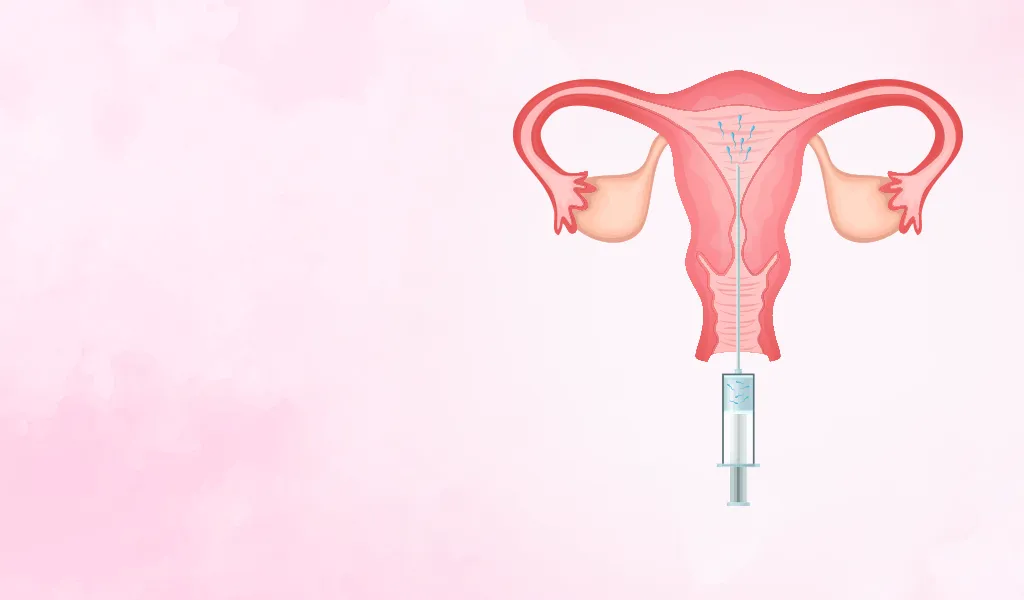
    illustration of a uterus with a syringe, representing intrauterine insemination procedure

    The DIY Fertility Movement: How Social Media is Influencing Women

    Social media has had a significant impact on how women approach fertility treatments. One study found that 45% of women use social media to research fertility treatments, and 41% use it to connect with others going through similar experiences. With the rise of influencers and bloggers sharing their fertility journeys, social media has become a source of inspiration and information for women considering DIY fertility methods.

    However, the abundance of information on social media also comes with its challenges. With so much conflicting advice and unverified claims, it can be challenging for women to determine what is legitimate and what is not. This can lead to misinformation and potentially harmful DIY methods being shared and attempted.

    Another concern with the DIY fertility movement is the lack of medical supervision and oversight. Fertility treatments, even at-home methods, can have serious consequences if not done correctly. Without medical professionals guiding the process, women may put themselves at risk for complications or failure to conceive.

    The Importance of Finding a Balance

    While the DIY fertility movement has its pros and cons, the most crucial factor is finding a balance between self-empowerment and medical guidance. It is essential for women to do their research and consult with medical professionals before attempting any DIY fertility treatments. By combining the knowledge and support found on social media with the expertise of doctors, women can make informed decisions about their fertility journey.

    Additionally, it is crucial to recognize that fertility is a complex and individualized process. What works for one person may not work for another. It is essential to approach the DIY fertility movement with caution and not put too much pressure on oneself to achieve a specific outcome.

    In conclusion, the DIY fertility movement has gained traction due to factors such as high costs, desire for control, and the influence of social media. While it has its benefits, it is crucial for women to find a balance between self-empowerment and medical guidance. By doing so, women can make informed decisions and feel supported on their fertility journey.