Tag: medical fertility testing

  • Medical Fertility Testing: When to Seek Help from a Specialist

    Medical Fertility Testing: When to Seek Help from a Specialist

    The ability to conceive and carry a pregnancy to term is a natural process that many individuals and couples take for granted. However, for some, the journey to parenthood may not be as simple or straightforward. Infertility affects approximately 12% of couples worldwide, and it can be a complex and emotionally challenging issue to navigate. Fortunately, with advancements in medical technology and fertility treatments, many couples struggling with infertility can still fulfill their dreams of having a family. The first step in addressing infertility is to seek medical fertility testing, which can help determine the cause of infertility and guide individuals towards the most appropriate treatment options. In this blog post, we will discuss when it is necessary to seek help from a fertility specialist, the different types of medical fertility testing available, and what to expect during the testing process.

    When to Seek Help from a Fertility Specialist

    It is common for couples to try to conceive for up to a year before seeking medical help. However, there are certain factors that may indicate a need to seek help from a fertility specialist sooner. These include:

    1. Age: As women age, their fertility decreases due to a decline in the quality and quantity of their eggs. Women over the age of 35 who have been trying to conceive for six months without success should consult a fertility specialist.

    2. Irregular or absent menstrual cycles: Irregular or absent periods can be a sign of an underlying hormonal imbalance, which can affect a woman’s ability to conceive.

    3. History of pelvic inflammatory disease (PID): PID is a bacterial infection that can cause scarring in the reproductive organs, leading to infertility. Women who have a history of PID should seek medical help if they are having trouble conceiving.

    4. Previous miscarriages: Miscarriages can be emotionally and physically taxing, and they may also be a sign of underlying fertility issues.

    5. Known male factor infertility: If a man has a history of low sperm count or motility, it is essential to seek medical help when trying to conceive.

    6. Lifestyle factors: Certain lifestyle factors, such as smoking, excessive alcohol consumption, and obesity, can negatively impact fertility and should be addressed if trying to conceive.

    Types of Medical Fertility Testing
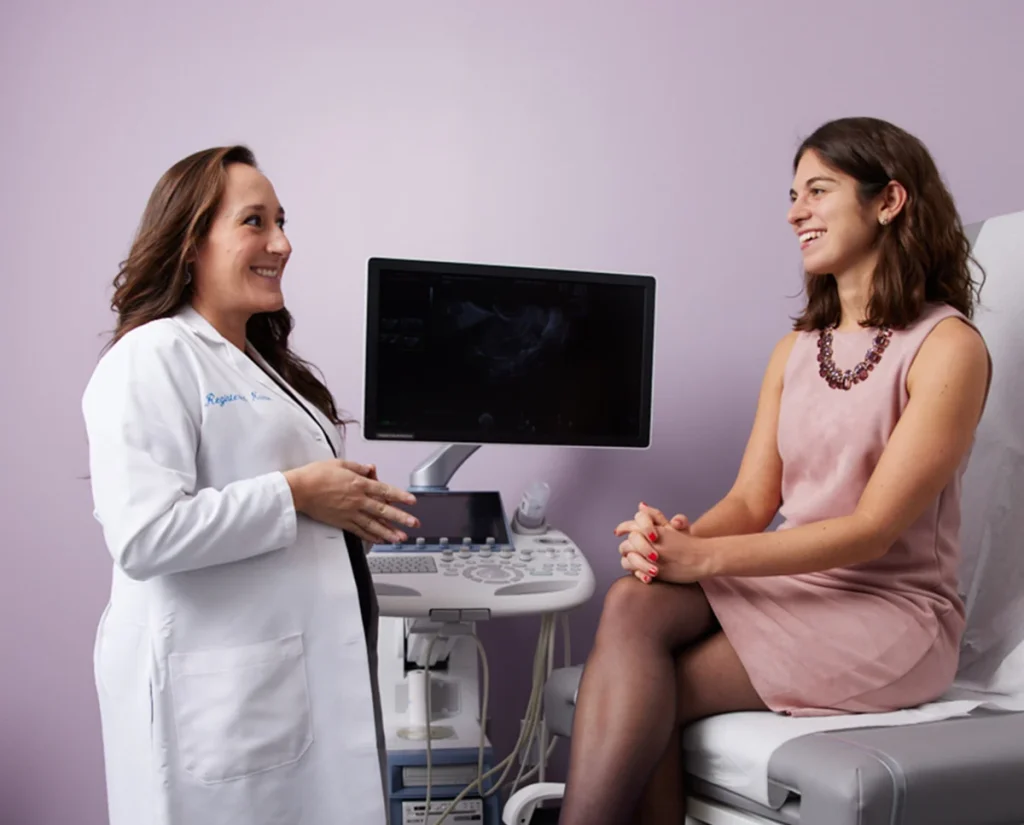
    doctor discussing treatment with a patient in a medical office, featuring an ultrasound machine in the background

    Medical Fertility Testing: When to Seek Help from a Specialist

    There are several types of medical fertility testing that a fertility specialist may recommend, depending on the individual’s medical history and potential causes of infertility. These tests can help identify any underlying issues that may be hindering the ability to conceive and guide the most appropriate treatment plan.

    1. Ovulation testing: This involves tracking a woman’s menstrual cycle and hormone levels to determine if she is ovulating regularly.

    2. Hormone testing: Hormonal imbalances can affect fertility, and blood tests can measure hormone levels to identify any imbalances.

    3. Hysterosalpingography (HSG): This is an X-ray procedure that involves injecting dye into the uterus and fallopian tubes to check for any blockages or abnormalities.

    4. Semen analysis: This test is used to evaluate the quantity and quality of a man’s sperm.

    5. Genetic testing: Certain genetic conditions can affect fertility, and genetic testing can help identify any potential issues.

    6. Pelvic ultrasound: This imaging test can help identify any structural abnormalities in the reproductive organs that may be causing infertility.

    What to Expect During the Testing Process

    The specific tests recommended by a fertility specialist will vary depending on the individual’s situation. However, in general, the testing process begins with a comprehensive medical history and physical examination. From there, the specialist may order specific tests, such as blood work, imaging tests, and semen analysis. The testing process may take several weeks to complete, and it is essential to follow the specialist’s instructions and attend all appointments to ensure accurate results.

    Once the testing is complete, the specialist will review the results and discuss potential treatment options. These may include fertility medications, intrauterine insemination (IUI), in vitro fertilization (IVF), or other assisted reproductive technologies. The specialist will work with the individual or couple to determine the best course of action based on their medical history, test results, and personal preferences.

    In addition to medical treatment, a fertility specialist may also recommend lifestyle changes, such as maintaining a healthy weight, quitting smoking, and reducing stress, to improve the chances of conceiving. They may also provide emotional support and counseling, as infertility can be a challenging and emotional journey for individuals and couples.

    In summary, infertility is a common issue that affects many couples worldwide. Seeking help from a fertility specialist can help determine the cause of infertility and guide individuals towards the most appropriate treatment options. It is essential to seek help from a specialist if there are any underlying medical conditions, lifestyle factors, or a history of miscarriages or male factor infertility. There are various types of medical fertility testing available, and the testing process may take several weeks to complete. However, with the support of a fertility specialist, many individuals and couples can overcome infertility and achieve their dream of starting a family.
  • Medical Fertility Testing vs At-Home Ovulation Prediction: Which is More Accurate?

    Medical fertility testing and at-home ovulation prediction are two methods commonly used by women who are trying to conceive. Both techniques aim to provide accurate information about a woman’s fertility and ovulation cycle, but there are some key differences between them. In this blog post, we will explore the pros and cons of medical fertility testing and at-home ovulation prediction, and determine which method is more accurate.

    Medical Fertility Testing:
    Medical fertility testing involves a series of tests and procedures that are conducted by a healthcare professional to assess a woman’s fertility. These tests may include blood work, ultrasounds, and other diagnostic procedures to evaluate the health of the reproductive organs and hormone levels. The results of these tests can help identify any underlying issues that may be impacting a woman’s ability to conceive.

    Pros:
    1. Accurate and comprehensive: Medical fertility testing is conducted by trained professionals and provides a thorough evaluation of a woman’s fertility. This can help identify any potential issues that may be impacting fertility, such as hormonal imbalances or structural abnormalities.

    2. Personalized treatment plan: Based on the results of the tests, a healthcare provider can create a personalized treatment plan for the individual. This can include medication, surgery, or other interventions to address any identified issues and increase the chances of conception.

    3. Ongoing monitoring: Medical fertility testing often involves regular monitoring to track changes in hormone levels and ovulation. This can help identify the most fertile days for conception and ensure that the treatment plan is effective.

    Cons:
    1. Time-consuming and expensive: Medical fertility testing can be a lengthy and costly process, with multiple appointments and tests required. This may not be feasible for everyone, especially those without insurance coverage for fertility treatments.

    2. Invasive procedures: Some of the tests involved in medical fertility testing, such as ultrasounds and hysterosalpingograms, can be uncomfortable and invasive. This may deter some women from pursuing this method of fertility assessment.

    At-Home Ovulation Prediction:
    At-home ovulation prediction involves using various methods and devices to track ovulation and determine the most fertile days for conception. These methods include tracking basal body temperature, monitoring cervical mucus, and using ovulation predictor kits.

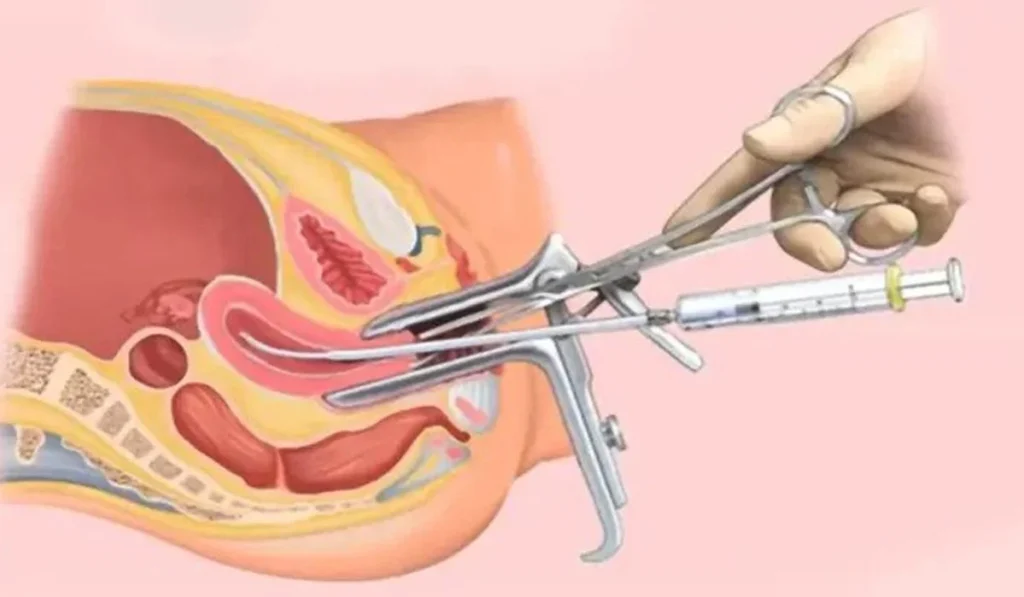
    illustration of an intrauterine insemination procedure with medical instruments and anatomical details

    Medical Fertility Testing vs At-Home Ovulation Prediction: Which is More Accurate?

    Pros:
    1. Convenient and accessible: At-home ovulation prediction methods can be easily done at home, without the need for medical appointments or procedures. This makes it a more convenient and accessible option for women who may not have access to medical fertility testing.

    2. Cost-effective: Compared to medical fertility testing, at-home ovulation prediction methods are much more affordable. This can be a significant factor for individuals who are on a budget or do not have insurance coverage for fertility treatments.

    3. Non-invasive: At-home ovulation prediction methods do not involve any invasive procedures, making them a more comfortable option for women who may be uncomfortable with medical tests.

    Cons:
    1. Less comprehensive: At-home ovulation prediction methods may not provide a complete picture of a woman’s fertility. These methods only track ovulation and do not assess any underlying issues that may be impacting fertility.

    2. User error: The accuracy of at-home ovulation prediction methods can be impacted by user error. For example, not following instructions correctly or misinterpreting results can lead to inaccurate predictions.

    3. Limited effectiveness: These methods may not be as effective for women with irregular menstrual cycles or hormonal imbalances. This can lead to incorrect predictions and a longer time to conceive.

    Which Method is More Accurate?
    While both medical fertility testing and at-home ovulation prediction have their advantages and disadvantages, medical fertility testing is generally considered to be more accurate. This is because it provides a more comprehensive evaluation of a woman’s fertility and can identify any underlying issues that may be impacting conception. However, at-home ovulation prediction can still be a useful tool for women who are trying to conceive, especially when used in combination with medical fertility testing.

    In conclusion, medical fertility testing and at-home ovulation prediction are both viable methods for assessing a woman’s fertility. While medical fertility testing is more comprehensive and accurate, at-home ovulation prediction can still be a useful tool for tracking ovulation and increasing the chances of conception. Ultimately, the best approach will depend on individual circumstances, and it is always recommended to consult with a healthcare professional for personalized advice.

  • Is Medical Fertility Testing Always Necessary? When At-Home Testing is Enough

    Blog Post:

    Fertility is a topic that is often surrounded by myths and misconceptions, making it a sensitive and emotionally charged subject for many individuals and couples. With the rise of fertility treatments and the increasing number of people delaying parenthood, the demand for fertility testing has also increased. While medical fertility testing has its benefits, it is not always necessary. In fact, at-home fertility testing can often provide enough information for individuals to make informed decisions about their reproductive health. In this blog post, we will explore the question, “Is medical fertility testing always necessary?” and discuss how at-home testing can be a viable alternative.

    Understanding Fertility Testing:

    Before delving into the necessity of fertility testing, it is essential to understand what it entails. Fertility testing is a series of medical tests that assess an individual’s reproductive health and their ability to conceive naturally. These tests are typically recommended for individuals who have been trying to conceive for a year or more without success, or for those who have known fertility issues. Medical fertility testing can include a physical exam, blood work, ultrasound, and semen analysis for males.

    Is Medical Fertility Testing Always Necessary?

    The short answer is no. While medical fertility testing is beneficial for diagnosing underlying fertility issues, it is not always necessary. For many people, at-home fertility testing can provide enough information to make informed decisions about their reproductive health. At-home fertility testing kits are readily available and can be purchased online or at local pharmacies. These kits allow individuals to collect a sample of their urine, saliva, or blood and send it to a lab for analysis. The results are then shared with the individual, providing them with valuable information about their fertility.

    Benefits of At-Home Fertility Testing:

    1. Convenience:

    One of the most significant advantages of at-home fertility testing is its convenience. Many individuals may feel uncomfortable discussing their fertility with a medical professional or may not have access to a fertility clinic. At-home testing allows them to take control of their reproductive health in the comfort and privacy of their own home.

    2. Cost-Effective:

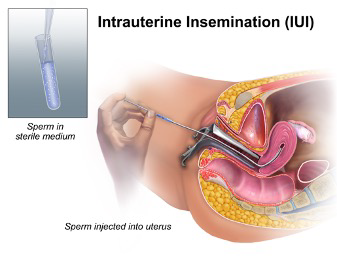
    Illustration of intrauterine insemination (IUI) procedure, showing sperm injection into the uterus.

    Is Medical Fertility Testing Always Necessary? When At-Home Testing is Enough

    Another benefit of at-home fertility testing is its affordability. Medical fertility testing can be expensive, especially if insurance does not cover it. At-home testing kits are relatively inexpensive, making it a more accessible option for individuals who cannot afford medical testing.

    3. Early Detection:

    At-home fertility testing can also detect potential issues early on, giving individuals the opportunity to seek medical intervention sooner. Early detection can increase the chances of treating fertility issues successfully and can also help individuals make informed decisions about their future family planning.

    When At-Home Fertility Testing Is Enough:

    At-home fertility testing can be enough in many cases, especially for individuals who are not actively trying to conceive. These tests can provide valuable information about an individual’s hormone levels, ovulation, and overall reproductive health. However, it is essential to keep in mind that at-home testing cannot diagnose underlying fertility issues. Therefore, if an individual has been trying to conceive for a year or more without success, it is recommended to seek medical fertility testing to identify any potential problems.

    The Importance of Seeking Professional Help:

    While at-home fertility testing can provide valuable information, it is crucial to seek professional help if an individual is experiencing fertility issues. A medical professional can provide a more in-depth analysis and diagnosis, as well as personalized treatment options. Additionally, fertility issues can be complex and may require a combination of medical treatments and lifestyle changes, which can only be prescribed by a healthcare professional.

    In conclusion, medical fertility testing is not always necessary, and at-home testing can often provide enough information for individuals to make informed decisions about their reproductive health. However, it is essential to seek professional help if an individual is experiencing fertility issues to receive proper diagnosis and treatment. Ultimately, the decision to undergo fertility testing should be based on an individual’s specific circumstances and needs.

    Summary:

    Fertility testing is a series of medical tests that assess an individual’s reproductive health and their ability to conceive. While medical fertility testing has its benefits, it is not always necessary. At-home fertility testing can provide enough information for individuals to make informed decisions about their reproductive health. This testing is convenient, cost-effective and can detect potential issues early on. However, at-home testing cannot diagnose underlying fertility issues, and it is crucial to seek professional help if an individual is experiencing fertility issues.