SUMMARY:
Alternative options for at-home insemination can be explored when success rates are low. These options include seeking medical assistance, using alternative methods such as intrauterine insemination or in vitro fertilization, and considering natural fertility treatments. It is important to understand the reasons for low success rates and to work closely with a medical professional to determine the best course of action. Additionally, exploring emotional support and self-care practices can also be beneficial in managing the stress and emotions that come with fertility struggles.
In the world of fertility and conception, there is no one-size-fits-all solution. Every individual and couple’s journey is unique, and sometimes at-home insemination may not yield the desired results. This can be disheartening and frustrating, but there are alternative options that can be explored. In this blog post, we will discuss these alternative options and provide guidance on how to navigate through them.
Seek Medical Assistance:
When at-home insemination success rates are low, the first step should be to seek medical assistance. A doctor or fertility specialist can help diagnose any underlying issues that may be hindering conception. They can also provide guidance on the most effective methods of insemination based on individual circumstances. Medical assistance can also include fertility testing and treatments such as hormone therapy or surgery, if necessary. It is crucial to work closely with a medical professional to understand the reasons for low success rates and to determine the best course of action.
Consider Intrauterine Insemination (IUI) or In Vitro Fertilization (IVF):
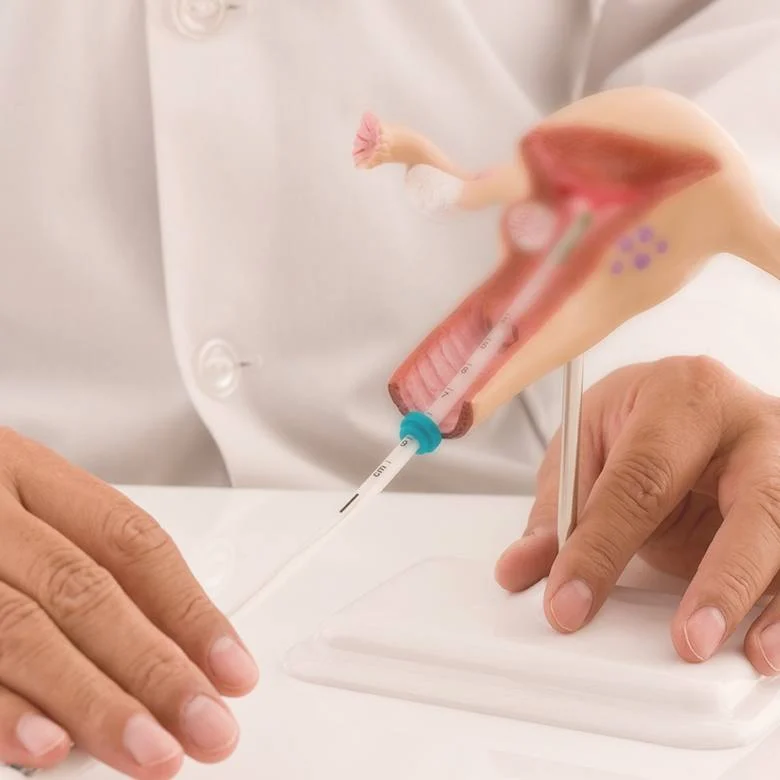
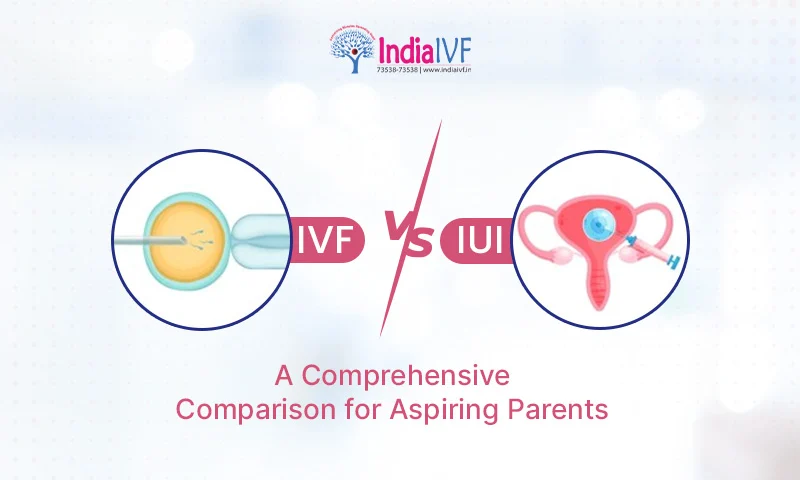
In cases where at-home insemination is not yielding results, alternative methods such as IUI or IVF can be explored. IUI involves placing sperm directly into the uterus using a catheter, while IVF involves fertilizing an egg with sperm in a laboratory and then transferring the embryo into the uterus. These methods have higher success rates compared to at-home insemination, but they also come with a higher financial cost. It is important to discuss with a doctor or fertility specialist to determine if IUI or IVF is the right option for your situation.

Exploring Alternative Options: When At-Home Insemination Success Rates Are Low
Consider Natural Fertility Treatments:
In addition to medical assistance and alternative methods, natural fertility treatments can also be considered when at-home insemination success rates are low. These treatments include acupuncture, herbal remedies, and lifestyle changes such as diet and exercise. While there is limited scientific evidence to support the effectiveness of these treatments, many individuals and couples have reported positive results. It is important to consult with a qualified practitioner and to inform your doctor about any natural fertility treatments you are considering.
Seek Emotional Support:
Dealing with low success rates and fertility struggles can take a toll on one’s emotional well-being. Seeking emotional support can be beneficial in managing the stress and emotions that come with these challenges. This can include therapy, support groups, or talking to a trusted friend or family member. It is important to have a strong support system in place to provide a safe space to express emotions and to receive guidance and encouragement.
Practice Self-Care:
In addition to seeking emotional support, practicing self-care is also crucial in managing the mental and emotional toll of fertility struggles. This can include engaging in activities that bring joy and relaxation, such as yoga, meditation, or spending time in nature. It is also important to prioritize self-care and to make time for it regularly. Taking care of oneself is essential in maintaining physical, mental, and emotional well-being during this challenging time.
In conclusion, when at-home insemination success rates are low, it is important to explore alternative options. Seeking medical assistance, considering alternative methods such as IUI or IVF, and natural fertility treatments can all be effective options. Additionally, seeking emotional support and practicing self-care can help manage the stress and emotions that come with fertility struggles. Remember, every journey is unique, and it is important to find the best option that works for you.