Tag: medical advice

  • At-Home Insemination Success Rates: What to Do When Things Don’t Go as Planned

    Blog Post:

    At-home insemination, also known as self-insemination, has become a popular option for couples and individuals who are trying to conceive. With advancements in technology and the availability of home insemination kits, many people are choosing to take control of their fertility journey in the comfort of their own home.

    While at-home insemination can be a successful method of conception, it’s important to understand that it may not always go as planned. In this blog post, we will discuss the success rates of at-home insemination and what to do when things don’t go as expected.

    Success Rates of At-Home Insemination

    The success rates of at-home insemination vary depending on several factors, including the age and fertility of the individuals involved, the timing of the insemination, and the quality of the sperm. Generally, at-home insemination has a success rate of around 10-15% per cycle. This success rate is lower than that of other fertility treatments, such as intrauterine insemination (IUI) and in vitro fertilization (IVF).

    One of the main reasons for the lower success rate of at-home insemination is the lack of medical supervision. Unlike IUI and IVF, at-home insemination does not involve a medical professional monitoring the process. This can lead to errors in timing or technique, which can significantly affect the success rate.

    Tips for Improving Success Rates

    If you are considering at-home insemination, there are some steps you can take to increase your chances of success. These include:

    1. Understand your fertility window: It’s important to know when you are most fertile. This is typically around the time of ovulation, which occurs approximately 14 days before the start of your next menstrual cycle. You can track your ovulation using ovulation predictor kits (OPKs) or by charting your basal body temperature.

    2. Use high-quality sperm: The quality of the sperm used for insemination plays a crucial role in the success of the procedure. It’s recommended to use fresh sperm from a known donor or frozen sperm from a reputable sperm bank.

    3. Follow the instructions carefully: At-home insemination kits come with detailed instructions on how to perform the procedure. It’s essential to follow these instructions carefully to ensure the best chances of success.

    Illustration of the IUI process, showing a syringe and catheter in the reproductive system.

    At-Home Insemination Success Rates: What to Do When Things Don't Go as Planned

    4. Consider using additional fertility aids: Some individuals may choose to use additional fertility aids, such as fertility-friendly lubricants or supplements, to improve their chances of conception.

    5. Seek medical advice: If you have been trying to conceive for a while without success, it may be time to seek medical advice. A fertility specialist can help identify any underlying issues and provide guidance on the best course of action for you.

    What to Do When Things Don’t Go as Planned

    Despite taking all the necessary precautions, at-home insemination may not always result in pregnancy. In such cases, it’s essential to stay positive and not lose hope. Here are some steps you can take if things don’t go as planned:

    1. Try again: Many couples and individuals who have successfully conceived through at-home insemination have had to try multiple times before achieving pregnancy. It’s important not to give up and to keep trying.

    2. Seek medical advice: If you have been trying for a while without success, it may be time to seek medical advice. A fertility specialist can help identify any underlying issues and provide guidance on the best course of action for you.

    3. Consider alternative methods: If at-home insemination does not work for you, there are other options available, such as IUI and IVF. It’s essential to discuss these options with a fertility specialist to determine the best course of action for your specific situation.

    4. Take care of yourself: Going through fertility treatments can be emotionally and physically draining. It’s crucial to take care of yourself and seek support from your partner, friends, or a therapist if needed.

    In conclusion, at-home insemination can be a successful method of conception, but it may not always go as planned. By understanding the success rates and taking necessary precautions, you can improve your chances of success. And if things don’t go as expected, remember to stay positive and seek medical advice if needed. With perseverance and support, you can achieve your dream of starting a family.

    Summary:

    At-home insemination has a success rate of around 10-15% per cycle, which is lower than other fertility treatments. To improve success rates, it’s essential to understand your fertility window, use high-quality sperm, and follow instructions carefully. In cases where at-home insemination does not result in pregnancy, it’s important to stay positive, seek medical advice, and consider alternative methods. Taking care of yourself and seeking support is crucial throughout the process.

  • The Legal Side of Home Insemination: Understanding the Role of Fertility Clinics

    Home insemination is a method of assisted reproduction where individuals can conceive a child without medical intervention or the use of a sperm donor. This process involves the collection and insertion of semen into the female reproductive tract, typically done at home. While home insemination may seem like a straightforward process, there are legal considerations to take into account, especially when it comes to the role of fertility clinics.

    In this blog post, we will explore the legal side of home insemination, specifically focusing on the role of fertility clinics. We will discuss the legal implications of using sperm from a fertility clinic, the legal rights and responsibilities of both the donor and recipient, and the importance of seeking legal advice before proceeding with home insemination. By understanding the legal aspects of home insemination, individuals can make informed decisions and ensure a smooth and safe process.

    The Legal Implications of Using Sperm from a Fertility Clinic

    When using sperm from a fertility clinic for home insemination, there are several legal implications to consider. First and foremost, individuals need to ensure that they have proper consent and documentation from the sperm donor. Fertility clinics have strict guidelines and protocols in place to ensure that all donors provide informed consent and are legally able to donate their sperm.

    Individuals using sperm from a fertility clinic must also consider the legal implications of using donor sperm. In most cases, the donor is not considered the legal father of the child, as the insemination process is typically done anonymously. This means that the donor does not have any legal rights or responsibilities towards the child. However, there have been cases where donors have been legally recognized as the father of the child, particularly if they have had ongoing involvement in the child’s life.

    The Legal Rights and Responsibilities of Donors and Recipients

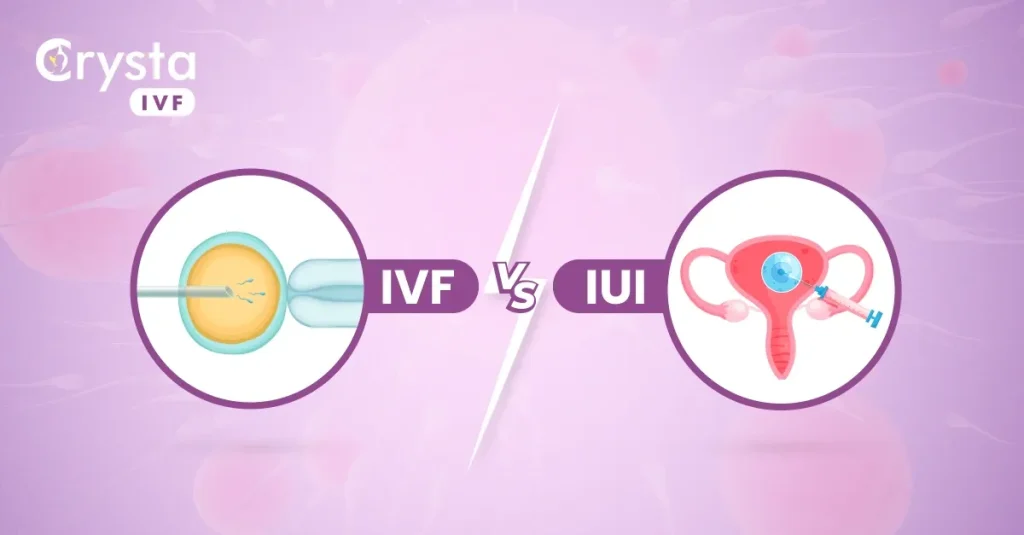
    Comparison of IVF and IUI procedures with illustrations of each method.

    The Legal Side of Home Insemination: Understanding the Role of Fertility Clinics

    Another important aspect of home insemination is understanding the legal rights and responsibilities of both the donor and recipient. In general, sperm donors are not held financially responsible for any resulting children. However, there have been cases where donors have been ordered to pay child support, particularly if they have had a close relationship with the child or were involved in the conception process.

    On the other hand, recipients of donor sperm have the legal right to seek child support from the donor if needed. Additionally, recipients may have to navigate legal issues such as parental rights, custody, and visitation rights if the donor decides to be involved in the child’s life. It is essential for both the donor and recipient to have a clear understanding of their rights and responsibilities before proceeding with home insemination.

    The Importance of Seeking Legal Advice

    Given the complex legal implications surrounding home insemination, it is crucial for individuals to seek legal advice before proceeding with the process. A legal professional can provide guidance on the legal rights and responsibilities of both the donor and recipient, as well as help draft a legal agreement between the parties involved.

    A legal agreement can outline the terms of the insemination process, including the rights and responsibilities of the donor, recipient, and any potential involvement of the donor in the child’s life. This agreement can help protect all parties involved and provide clarity in case of any legal disputes in the future.

    In addition to a legal agreement, it is also essential to seek medical advice before proceeding with home insemination. Fertility clinics can provide necessary medical testing and screening to ensure the safety and health of both the donor and recipient. They can also provide guidance on the correct procedures for home insemination and offer support throughout the process.

    In summary, home insemination is a complex process with many legal considerations, particularly when it comes to the use of sperm from fertility clinics. Understanding the legal implications of using donor sperm, as well as the rights and responsibilities of both the donor and recipient, is crucial for a smooth and safe home insemination process. Seeking legal and medical advice before proceeding is highly recommended to protect all parties involved and ensure a positive experience.

  • Hormone Injections and Natural Fertility Boosters: Finding the Balance

    Blog Post:

    Hormone injections and natural fertility boosters are two popular methods used by individuals looking to enhance their chances of conceiving and starting a family. While hormone injections may provide a quick fix for fertility issues, they come with potential side effects and risks. On the other hand, natural fertility boosters offer a more holistic approach, but may take longer to show results. In this blog post, we will explore the pros and cons of hormone injections and natural fertility boosters, and how to find a balance between the two for optimal fertility.

    Hormone Injections: The Quick Fix

    Hormone injections are a common form of fertility treatment, often used to stimulate ovulation in women who have irregular or absent periods. These injections work by introducing synthetic hormones, such as follicle-stimulating hormone (FSH) and luteinizing hormone (LH), into the body to regulate the menstrual cycle and stimulate the growth of follicles in the ovaries. This can increase the chances of ovulation and therefore, pregnancy.

    While hormone injections may seem like a quick and effective solution for fertility issues, they come with potential risks and side effects. Some common side effects of hormone injections include bloating, abdominal pain, and mood swings. In rare cases, they can also lead to more serious complications such as ovarian hyperstimulation syndrome (OHSS) and multiple pregnancies. Additionally, hormone injections can be quite expensive and may not be covered by insurance, making it an inaccessible option for some individuals.

    Natural Fertility Boosters: A Holistic Approach

    Natural fertility boosters, also known as natural remedies, are a popular alternative to hormone injections for those looking to enhance their fertility. These methods rely on natural substances and lifestyle changes to improve fertility, rather than synthetic hormones. Some common natural fertility boosters include herbal supplements, acupuncture, and dietary changes.

    One of the main advantages of natural fertility boosters is that they have little to no side effects. However, they may take longer to show results compared to hormone injections. It is important to note that natural remedies may not work for everyone, and it is crucial to consult with a healthcare professional before trying any alternative methods.

    Illustration of intrauterine insemination (IUI) procedure with syringe and catheter in the uterus.

    Hormone Injections and Natural Fertility Boosters: Finding the Balance

    Finding the Balance: Combining Hormone Injections and Natural Fertility Boosters

    While hormone injections and natural fertility boosters may seem like opposite approaches, they can actually complement each other when used together. For individuals with severe fertility issues, hormone injections may be necessary to regulate the menstrual cycle and stimulate ovulation. However, for those with milder fertility issues, natural fertility boosters can be used as a supportive method to improve overall fertility and increase the chances of successful pregnancy.

    Some studies have shown that combining hormone injections with natural fertility boosters can result in higher pregnancy rates compared to using hormone injections alone. This is because natural fertility boosters can help to improve the quality of the eggs and sperm, making the body more receptive to the effects of hormone injections.

    It is important to note that every individual’s fertility journey is unique, and what works for one person may not work for another. Therefore, it is crucial to consult with a healthcare professional to determine the best course of action for your specific situation. They can help you find the right balance between hormone injections and natural fertility boosters, taking into account your medical history, lifestyle, and preferences.

    Other Ways to Boost Fertility Naturally

    In addition to natural fertility boosters, there are several other lifestyle changes that can help to improve fertility naturally. These include maintaining a healthy weight, reducing stress levels, quitting smoking, and limiting alcohol intake. These factors can have a significant impact on fertility and should not be overlooked when trying to conceive.

    Additionally, certain nutrients and vitamins have been linked to improved fertility. These include folic acid, vitamin D, and zinc. It is recommended to incorporate these into your diet or take supplements to ensure your body is getting the necessary nutrients for optimal fertility.

    Summary:

    Hormone injections and natural fertility boosters are two methods used to enhance fertility. Hormone injections provide a quick fix but come with potential side effects and risks, while natural fertility boosters offer a more holistic approach but may take longer to show results. Combining the two can result in higher pregnancy rates for those with mild fertility issues. However, it is important to consult with a healthcare professional to find the right balance between the two. Other lifestyle changes, such as maintaining a healthy weight and taking certain vitamins, can also help to boost fertility naturally.