Polycystic Ovary Syndrome (PCOS) is a common hormonal disorder that affects up to 10% of women of reproductive age. It is characterized by irregular periods, ovarian cysts, and high levels of androgens (male hormones). One of the major concerns for women with PCOS is fertility, as it can make it more difficult to get pregnant. However, research has shown that nutrition and lifestyle changes can play a crucial role in managing PCOS symptoms and improving fertility. In this blog post, we will discuss the importance of nutrition in managing PCOS and provide tips on how to create a fertility-focused diet plan for women with PCOS.
Understanding the Link Between PCOS and Nutrition
PCOS is a complex condition with various contributing factors, including genetics, insulin resistance, and inflammation. However, research has shown that diet and lifestyle habits can also play a significant role in the development and management of PCOS. One of the main issues for women with PCOS is insulin resistance, which can lead to high levels of insulin and glucose in the blood. This can disrupt hormone levels and contribute to symptoms such as irregular periods and weight gain.
Furthermore, women with PCOS tend to have higher levels of inflammation in their bodies, which can worsen insulin resistance and contribute to other symptoms such as acne and hair growth. Therefore, a diet that focuses on managing insulin levels and reducing inflammation can be beneficial for women with PCOS.
Creating a Fertility-Focused Diet Plan for PCOS
When it comes to managing PCOS symptoms and improving fertility, there is no one-size-fits-all approach. However, incorporating certain dietary principles can help regulate hormone levels and improve overall health for women with PCOS. Here are some tips for creating a fertility-focused diet plan for PCOS:
1. Focus on whole, nutrient-dense foods: A diet rich in whole, unprocessed foods can provide essential nutrients and antioxidants to support hormone balance and reduce inflammation. Make sure to include a variety of fruits, vegetables, whole grains, lean proteins, and healthy fats in your meals.
2. Choose low glycemic index (GI) foods: Foods with a low GI score cause a slower rise in blood sugar levels, which can be beneficial for women with PCOS who struggle with insulin resistance. Some examples of low GI foods include whole grains, legumes, and non-starchy vegetables.
3. Include healthy fats: Healthy fats, such as avocados, nuts, and olive oil, can help improve insulin sensitivity and reduce inflammation. They also play a crucial role in hormone production and balance.
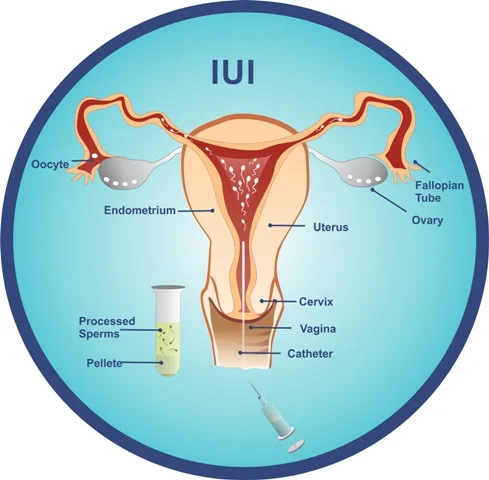
Fertility Nutrition for Women with Polycystic Ovary Syndrome (PCOS): Managing Symptoms with Diet
4. Limit refined carbs and sugars: Refined carbohydrates and added sugars can cause a spike in blood sugar levels and worsen insulin resistance. Limiting these foods can help regulate hormone levels and improve fertility.
5. Consider supplements: Some women with PCOS may benefit from supplements such as inositol, omega-3 fatty acids, and vitamin D. Consult with a healthcare professional to determine which supplements may be beneficial for you.
6. Stay hydrated: Adequate water intake is essential for overall health and can also help improve insulin sensitivity. Aim for at least 8 glasses of water per day.
7. Be mindful of portion sizes: Women with PCOS may have a higher risk of weight gain and obesity, which can worsen symptoms and fertility. Be mindful of portion sizes and aim for a balanced diet to maintain a healthy weight.
In addition to these dietary tips, it is also essential to incorporate regular physical activity into your routine. Exercise can help improve insulin sensitivity, regulate hormone levels, and reduce inflammation in the body.
Final Thoughts
Managing PCOS symptoms and improving fertility through diet and lifestyle changes may take time and effort, but the benefits are worth it. It is essential to remember that every woman’s body is different, and what works for one may not work for another. It is crucial to consult with a healthcare professional or a registered dietitian who specializes in PCOS to create a personalized diet plan that suits your needs and goals.
In summary, PCOS is a complex condition that can significantly impact a woman’s fertility. However, incorporating specific dietary principles such as focusing on whole, nutrient-dense foods, choosing low GI options, limiting refined carbs and sugars, and staying hydrated can help manage symptoms and improve fertility. Along with regular physical activity and potentially targeted supplements, a fertility-focused diet can play a crucial role in managing PCOS and supporting overall health.