Blog Post Title: Male Factor Infertility and Male Enhancement: Debunking the Connection
Introduction:
Infertility affects about 1 in 8 couples and it is estimated that male factor infertility is responsible for about 40% of these cases. When a couple struggles with infertility, the focus is often on the woman and her reproductive health. However, it is important to also address male factor infertility and its potential causes. One of the common misconceptions surrounding male infertility is the belief that male enhancement supplements or treatments can improve fertility. In this blog post, we will explore the connection between male factor infertility and male enhancement and debunk any myths surrounding this topic.
Understanding Male Factor Infertility:
To understand the connection between male factor infertility and male enhancement, it is important to first understand what male factor infertility is. Male factor infertility refers to the inability of a man to impregnate a woman after 12 months of regular unprotected intercourse. This can be due to a variety of reasons such as low sperm count, abnormal sperm shape or movement, or hormonal imbalances. It is important to note that male infertility does not necessarily mean a man is unable to have sexual intercourse, it simply means there is a problem with his sperm.
What is Male Enhancement?
Male enhancement refers to any products or treatments that claim to improve male sexual performance, increase libido, or enhance the size of the penis. These products can include supplements, creams, pumps, and surgeries. The market for male enhancement products is huge, with millions of dollars spent on these products every year. However, the effectiveness and safety of these products are often questionable.
The Myth of Male Enhancement and Fertility:
One of the common myths surrounding male factor infertility is that taking male enhancement supplements or undergoing treatments can improve a man’s fertility. This belief is often perpetuated by marketing tactics used by companies selling these products. They claim that their products can increase sperm count, improve sperm quality, and ultimately increase the chances of pregnancy. However, there is no scientific evidence to support these claims.
Male Factor Infertility and Male Enhancement: Debunking the Connection
In fact, some male enhancement supplements may actually harm male fertility. The ingredients in these products are not regulated by the FDA, so there is no guarantee of their safety or effectiveness. Some of these supplements may contain harmful ingredients that can negatively impact sperm production and quality. Additionally, certain treatments like penile implants or surgeries can also cause damage to the reproductive organs, ultimately leading to infertility.
The Truth about Male Factor Infertility and Treatment:
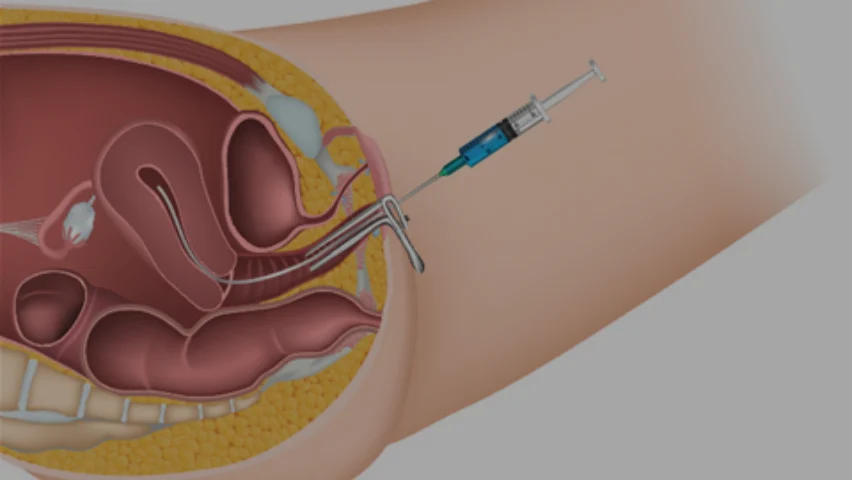
While male enhancement products may not improve male fertility, there are other treatments available for male factor infertility. Depending on the cause of infertility, a doctor may recommend lifestyle changes, medications, or procedures such as intrauterine insemination (IUI) or in vitro fertilization (IVF). These treatments are based on scientific research and have been proven to be effective in helping couples conceive.
In some cases, male factor infertility may also be a symptom of an underlying medical condition. It is important for men to consult with a doctor to determine the cause of infertility and address any underlying health issues. This can not only improve fertility but also overall health and well-being.
The Importance of Open Communication:
Another reason why the myth of male enhancement and fertility persists is the stigma surrounding male infertility. Many men feel embarrassed or ashamed to talk about their fertility issues, which can lead them to turn to unproven treatments. It is important for couples to have open and honest communication about fertility and seek professional help if needed. Male infertility is a common issue and it is nothing to be ashamed of.
Summarizing the Connection between Male Factor Infertility and Male Enhancement:
In summary, male factor infertility is a common issue that affects many couples and it is important to address it alongside female infertility. Male enhancement products and treatments have no scientific evidence to support their effectiveness in improving fertility and may even cause harm. Seeking professional help and having open communication about fertility is key in addressing male factor infertility.
In conclusion, the connection between male factor infertility and male enhancement is a myth that needs to be debunked. Instead of relying on unproven treatments, it is important for men to consult with a doctor and address any underlying health issues. Open communication and seeking professional help can greatly improve the chances of conception and ultimately, the dream of starting a family.