Tag: maca root

  • Fertility Supplements for Men: Improving Sperm Health and Count

    In recent years, there has been an increasing focus on male fertility and how certain factors can affect sperm health and count. While there are numerous reasons for male infertility, one important aspect that cannot be overlooked is the role of nutrition and supplementation. Fertility supplements for men have gained popularity as a way to improve sperm health and count, and this blog post will explore the top supplements that have been shown to be effective in achieving this goal.

    The Importance of Sperm Health and Count

    Before delving into the different supplements, it is crucial to understand the significance of sperm health and count. Sperm health refers to the quality and functionality of sperm, while sperm count is the number of sperm present in a given sample. Both of these factors play a crucial role in male fertility, and any abnormalities or deficiencies can lead to difficulties in conception. Low sperm count and poor sperm health have been linked to various issues such as decreased sperm motility, DNA damage, and higher rates of miscarriage. Therefore, maintaining optimal sperm health and count is essential for couples trying to conceive.

    Top Fertility Supplements for Men

    1. Coenzyme Q10 (CoQ10)

    CoQ10 is a powerful antioxidant that has been shown to have positive effects on male fertility. It helps to protect sperm cells from oxidative damage, which can lead to DNA damage and reduced sperm quality. Studies have also shown that CoQ10 can improve sperm motility and count, ultimately increasing the chances of conception. This supplement is available in both ubiquinol and ubiquinone forms, with ubiquinol being more easily absorbed by the body.

    2. L-carnitine

    L-carnitine is an amino acid that plays a crucial role in sperm metabolism and energy production. It is found in high concentrations in the epididymis, the organ responsible for sperm maturation. Studies have shown that L-carnitine can improve sperm motility and count, as well as decrease DNA damage. It is also believed to have a protective effect on sperm cells, making them less vulnerable to oxidative stress.

    3. Vitamin C
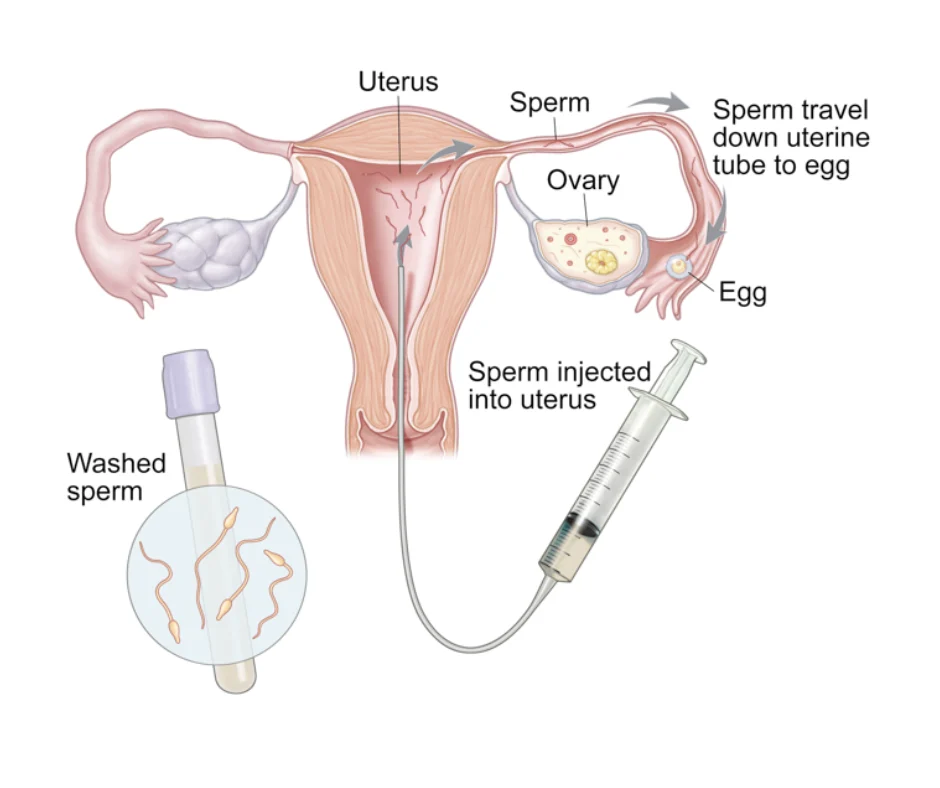
    diagram illustrating intrauterine insemination process, showing sperm injection into the uterus and egg fertilization pathway

    Fertility Supplements for Men: Improving Sperm Health and Count

    Vitamin C is a well-known antioxidant that has been linked to improved sperm health. It helps to protect sperm cells from oxidative damage, which can lead to DNA fragmentation and reduced sperm quality. Studies have also shown that vitamin C can improve sperm count and motility, making it a valuable supplement for men struggling with fertility issues.

    4. Zinc

    Zinc is an essential mineral that is involved in many bodily functions, including sperm production and development. It plays a crucial role in maintaining sperm health and count, and deficiencies have been linked to reduced sperm quality. Studies have shown that zinc supplementation can improve sperm count, motility, and morphology, making it an important nutrient for male fertility.

    5. Vitamin D

    Vitamin D is a vital nutrient for overall health, but it also plays a role in male fertility. Studies have found that men with low levels of vitamin D have lower sperm counts and decreased sperm motility. Vitamin D deficiency has also been linked to male infertility, making it essential to ensure adequate levels of this nutrient for optimal sperm health.

    6. Omega-3 Fatty Acids

    Omega-3 fatty acids, specifically EPA and DHA, have been shown to have positive effects on male fertility. These healthy fats are crucial for sperm membrane structure and function, and deficiencies have been linked to sperm abnormalities. Studies have found that supplementation with omega-3 fatty acids can improve sperm motility, morphology, and count, making it a valuable supplement for men looking to boost their fertility.

    7. Maca Root

    Maca root has been used for centuries as a traditional medicine to improve fertility and sexual function. It is believed to have adaptogenic properties, meaning it can help the body adapt to stressors. Studies have found that maca root can improve sperm motility and count, as well as increase libido and sexual function in men.

    In summary, fertility supplements for men can be an effective way to improve sperm health and count. CoQ10, L-carnitine, vitamin C, zinc, vitamin D, omega-3 fatty acids, and maca root are some of the top supplements that have been shown to have positive effects on male fertility. It is important to note that supplements should not be used as a replacement for a healthy diet and lifestyle. Consulting with a healthcare professional is recommended before starting any supplementation regimen.

  • Unlocking the Power of Fertility Supplements: Key Ingredients to Look For

    Blog Post:

    Fertility struggles can be emotionally and physically exhausting for couples trying to conceive. While there are many factors that can affect fertility, such as age, genetics, and underlying medical conditions, incorporating fertility supplements into your diet can help increase your chances of conception. These supplements are specifically designed to support reproductive health and optimize fertility in both men and women. In this blog post, we will dive into the key ingredients to look for in fertility supplements and how they can unlock the power of fertility.

    1. Folic Acid

    Folic acid, also known as folate, is a B vitamin that is crucial for reproductive health. It is especially important for women who are trying to conceive as it helps prevent neural tube defects in the developing baby. Folic acid also plays a key role in sperm production and quality in men. Studies have shown that men with low levels of folic acid may have a higher risk of abnormal sperm production. Therefore, including folic acid in your fertility supplement can help increase the chances of a successful pregnancy.

    2. Coenzyme Q10

    Coenzyme Q10, or CoQ10, is a powerful antioxidant that helps protect cells from damage and supports energy production. In terms of fertility, CoQ10 is essential for egg health and sperm quality. As women age, their egg quality and quantity decline, which can make it more challenging to conceive. CoQ10 helps improve egg quality and increase the chances of successful fertilization. For men, CoQ10 can improve sperm motility and protect sperm from oxidative damage, ultimately increasing their fertility potential.

    3. L-Arginine

    L-Arginine is an amino acid that plays a crucial role in reproductive health. It helps increase blood flow to the reproductive organs, promoting optimal function. For women, L-Arginine can improve the thickness of the uterine lining, making it a more hospitable environment for a fertilized egg to implant. In men, L-Arginine has been shown to improve sperm count, motility, and morphology. Including this ingredient in your fertility supplement can help boost your chances of conception.

    success rate of IUI in India with a graphic of a uterus and syringe alongside a rising graph

    Unlocking the Power of Fertility Supplements: Key Ingredients to Look For

    4. Vitamins D and E

    Vitamin D and E are essential for overall health, but they are also crucial for fertility. Vitamin D helps regulate hormone levels and improve egg quality in women. In men, vitamin D deficiency has been linked to low sperm count and poor sperm motility. Vitamin E is a powerful antioxidant that protects sperm from oxidative damage and helps maintain the integrity of sperm DNA. Including both of these vitamins in your fertility supplement can help optimize reproductive health for both men and women.

    5. Zinc

    Zinc is an essential mineral that is involved in many processes in the body, including reproductive health. It plays a vital role in hormone production and helps regulate the menstrual cycle in women. In men, zinc is necessary for sperm development and motility. Studies have shown that zinc deficiency can lead to lower sperm count and quality. Therefore, including zinc in your fertility supplement can be beneficial for both men and women trying to conceive.

    6. Maca Root

    Maca root is a traditional herb that has been used for centuries for its fertility-boosting properties. It is rich in antioxidants and essential nutrients that support reproductive health. Maca root is believed to help balance hormones, increase libido, and improve sperm production. It has also been shown to improve menstrual cycle regularity and ovulation in women. Adding maca root to your fertility supplement can help increase your chances of conception.

    7. Omega-3 Fatty Acids

    Omega-3 fatty acids, specifically docosahexaenoic acid (DHA) and eicosapentaenoic acid (EPA), are crucial for reproductive health. These healthy fats help regulate hormone levels, improve egg quality, and promote a healthy uterine lining in women. In men, omega-3 fatty acids are necessary for sperm production and quality. Including this ingredient in your fertility supplement can help balance hormones and improve overall reproductive health.

    In summary, fertility supplements can be a valuable tool for couples trying to conceive. They can help optimize reproductive health and increase the chances of a successful pregnancy. When looking for a fertility supplement, be sure to check for these key ingredients: folic acid, CoQ10, L-Arginine, vitamins D and E, zinc, maca root, and omega-3 fatty acids. Incorporating these ingredients into your supplement can help unlock the power of fertility and bring you one step closer to your dream of starting a family.

  • Essential Nutrients for Boosting Fertility Without Injections

    Blog Post: Essential Nutrients for Boosting Fertility Without Injections

    When it comes to trying to conceive, many women turn to expensive and invasive fertility treatments such as injections. However, these treatments can be both financially and emotionally draining, and some women may prefer to explore natural alternatives before resorting to medical intervention. In this blog post, we will discuss the essential nutrients that can boost fertility without the need for injections, providing a natural and holistic approach to increasing the chances of conceiving.

    1. Folic Acid: Folic acid, also known as folate, is an essential B vitamin that is crucial for a healthy pregnancy. It plays a vital role in the development of the baby’s neural tube, which eventually becomes the brain and spinal cord. It is recommended that women trying to conceive take a daily supplement of 400-800 micrograms of folic acid to reduce the risk of birth defects. Foods rich in folic acid include leafy green vegetables, legumes, and fortified cereals.

    2. Iron: Iron is another essential nutrient for boosting fertility. It helps with the production of healthy red blood cells, which are necessary for carrying oxygen to the reproductive organs. Iron deficiency can lead to anemia, which can cause irregular ovulation and interfere with the menstrual cycle. To increase iron intake, women can incorporate foods such as lean red meat, poultry, fish, and leafy green vegetables into their diet. It is also recommended to pair iron-rich foods with vitamin C, which helps with iron absorption.

    3. Vitamin D: Vitamin D is essential for overall health, and it is also crucial for fertility. Studies have shown that women with low levels of vitamin D may have a harder time getting pregnant. This nutrient helps with the production of estrogen and progesterone, the hormones necessary for ovulation and a healthy menstrual cycle. Sun exposure is the best way to get vitamin D, but it can also be found in fatty fish, egg yolks, and fortified dairy products. If needed, a vitamin D supplement can also be taken.

    4. Omega-3 Fatty Acids: Omega-3 fatty acids are essential for reproductive health and can help regulate hormones and improve ovulation. They are also vital for the development of the baby’s brain and eyes. Sources of omega-3s include fatty fish like salmon and sardines, flaxseeds, chia seeds, and walnuts. Women can also consider taking a fish oil supplement to ensure they are getting enough of this important nutrient.

    5. Zinc: Zinc is crucial for both male and female fertility. In men, zinc is necessary for the production of healthy sperm, while in women, it helps with ovulation and the development of the egg. Zinc can be found in foods such as oysters, beef, poultry, and beans. It is also recommended to take a zinc supplement if there is a deficiency.

    Cost breakdown for IUI components, including requirements, impacts, and alternatives.

    Essential Nutrients for Boosting Fertility Without Injections

    6. Vitamin C: Vitamin C is a powerful antioxidant that helps protect the body from harmful free radicals. It also plays a role in fertility by aiding in the production of healthy sperm and regulating the menstrual cycle. Foods rich in vitamin C include citrus fruits, berries, bell peppers, and tomatoes.

    7. B Vitamins: B vitamins, such as B6 and B12, are essential for fertility as they help regulate hormone levels and support a healthy pregnancy. B6 is particularly important for balancing estrogen and progesterone levels, while B12 is necessary for the development of the baby’s nervous system. Foods high in B vitamins include whole grains, leafy green vegetables, and lean meats. A B vitamin supplement can also be taken if needed.

    8. Coenzyme Q10 (CoQ10): CoQ10 is a powerful antioxidant that helps protect the eggs from free radical damage and supports healthy egg quality. It also plays a role in energy production, which is crucial for the development of a healthy embryo. CoQ10 can be found in foods such as fish, meat, and whole grains, but a supplement may also be necessary to reach adequate levels.

    9. L-arginine: L-arginine is an amino acid that helps improve blood flow to the reproductive organs, which can aid in ovulation and support a healthy pregnancy. It is also necessary for the production of healthy sperm. L-arginine can be found in foods like poultry, dairy, and nuts, but a supplement may also be taken to increase levels.

    10. Maca Root: Maca root is a plant-based supplement that has been used for centuries to improve fertility and libido. It is believed to help balance hormones and increase blood flow to the reproductive organs. Maca root can be taken in powder or capsule form and is considered safe for most women trying to conceive.

    In conclusion, while injections may seem like the only option for boosting fertility, there are many essential nutrients that can help improve reproductive health naturally. By incorporating these nutrients into your diet or taking supplements if needed, you can increase your chances of conceiving without the need for invasive treatments. Remember to always consult with your healthcare provider before making any significant changes to your diet or starting any new supplements.

    Summary: Boosting fertility without injections is possible by incorporating essential nutrients into your diet or taking supplements. These include folic acid, iron, vitamin D, omega-3 fatty acids, zinc, vitamin C, B vitamins, CoQ10, L-arginine, and maca root. These nutrients help regulate hormones, support healthy ovulation and pregnancy, and protect the reproductive organs from free radical damage. Always consult with a healthcare provider before making any significant changes to your diet or taking supplements.

  • Natural Fertility Boosters: The Power of Herbs and Supplements

    Natural Fertility Boosters: The Power of Herbs and Supplements

    Fertility is a topic that is often surrounded by mystery and misconceptions. Many couples struggle with conceiving and turn to expensive treatments and medications, but what if there was a more natural and affordable way to boost fertility? The answer may lie in the power of herbs and supplements.

    Herbs and supplements have been used for centuries to support reproductive health and fertility. They can help regulate hormones, improve egg and sperm quality, and increase the chances of conception. In this blog post, we will explore the top natural fertility boosters and how they can help you on your journey to parenthood.

    1. Maca Root

    Maca root is a nutrient-dense herb that has been used for centuries in Peru to boost fertility. It is known for its ability to balance hormones, enhance libido, and improve overall reproductive health. Maca root is rich in vitamins, minerals, and antioxidants, making it a great addition to any fertility regime.

    Studies have shown that maca root can improve sperm quality and increase sperm count in men. In women, it can regulate menstrual cycles and improve egg quality. It can also help to reduce stress and anxiety, which can have a negative impact on fertility.

    2. Vitex

    Also known as chasteberry, vitex is a popular herb for women trying to conceive. It works by balancing hormones, specifically by increasing levels of progesterone and decreasing levels of estrogen. This is important for women with hormonal imbalances, as it can help regulate their menstrual cycles and increase the chances of ovulation.

    Vitex has also been shown to improve the chances of pregnancy in women with polycystic ovary syndrome (PCOS) and endometriosis. It can also help to reduce symptoms of premenstrual syndrome (PMS) and alleviate menstrual cramps.

    3. Red Raspberry Leaf

    Red raspberry leaf has been used for centuries to support reproductive health in women. It contains high levels of vitamins and minerals, including iron, calcium, and magnesium, which are essential for fertility and pregnancy.

    This herb is known for its ability to tone the uterus and improve blood flow to the reproductive organs. It can also help to regulate menstrual cycles and reduce heavy bleeding. Red raspberry leaf is safe to use throughout pregnancy, making it a great option for women trying to conceive.

    4. Coenzyme Q10 (CoQ10)

    CoQ10 is a powerful antioxidant that plays a crucial role in energy production within cells. It is found in high concentrations in the ovaries, where it helps to support egg quality. As women age, their levels of CoQ10 decrease, which can have a negative impact on fertility.

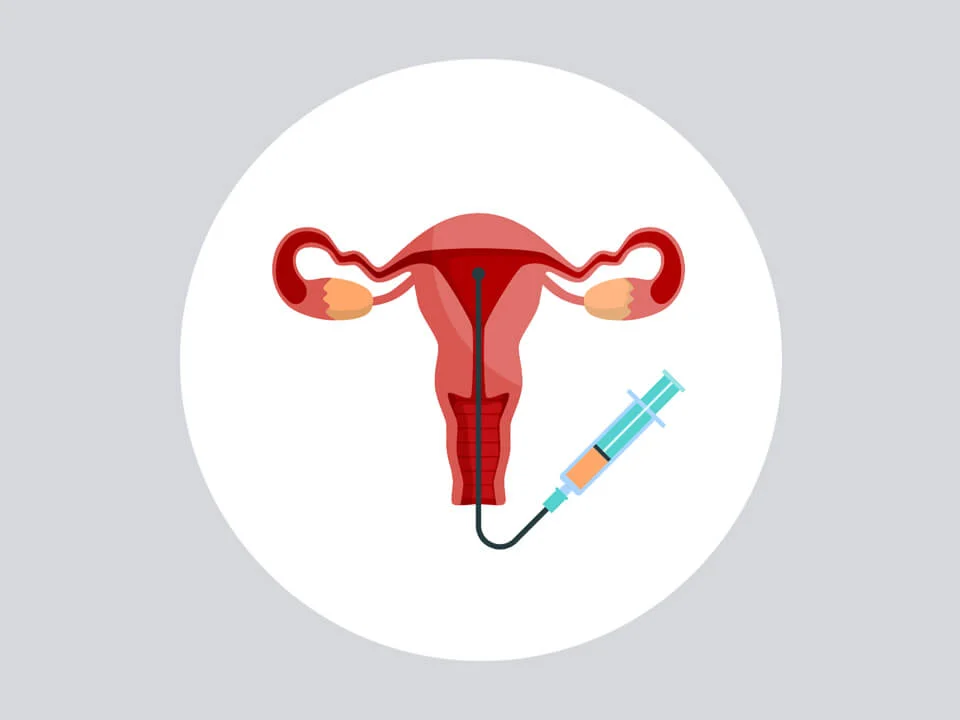
    Illustration of a uterus with a syringe, representing intrauterine insemination (IUI) procedure.

    Natural Fertility Boosters: The Power of Herbs and Supplements

    Supplementing with CoQ10 has been shown to improve egg quality and increase the chances of conception in women over the age of 35. It can also help to protect against oxidative stress, which can damage sperm and eggs.

    5. Zinc

    Zinc is an essential mineral that is involved in many processes in the body, including fertility. It is important for both men and women, as it can help to improve sperm count and motility in men, and regulate ovulation and support healthy hormone levels in women.

    Studies have shown that zinc deficiency can lead to infertility and recurrent miscarriages. Supplementing with zinc can help to improve fertility and increase the chances of a successful pregnancy.

    6. L-arginine

    L-arginine is an amino acid that is important for sperm production and motility. It is also essential for the production of nitric oxide, which helps to relax blood vessels and improve blood flow to the reproductive organs.

    Supplementing with L-arginine has been shown to improve sperm count, motility, and quality in men with low sperm count. It can also help to improve erectile dysfunction, which can be a contributing factor to infertility.

    7. Omega-3 Fatty Acids

    Omega-3 fatty acids, specifically EPA and DHA, are essential for reproductive health in both men and women. They are important for hormone production, sperm and egg quality, and overall reproductive function.

    Studies have shown that supplementing with omega-3 fatty acids can improve sperm quality and motility, regulate menstrual cycles, and increase the chances of pregnancy in women undergoing fertility treatments.

    In conclusion, herbs and supplements can play a powerful role in boosting fertility and increasing the chances of conception. They work by balancing hormones, improving egg and sperm quality, and supporting overall reproductive health. It is important to consult with a healthcare professional before adding any new supplements to your routine, especially if you are currently undergoing fertility treatments.

    Remember that natural fertility boosters are not a quick fix and may take some time to show results. It is also important to maintain a healthy diet and lifestyle for optimal fertility. With patience and persistence, these natural remedies can help you on your journey to starting a family.

    Summary:

    Fertility struggles can be a challenging and expensive journey for many couples. However, there are natural alternatives that can help boost fertility and increase the chances of conception. Herbs and supplements such as maca root, vitex, red raspberry leaf, CoQ10, zinc, L-arginine, and omega-3 fatty acids have been shown to regulate hormones, improve egg and sperm quality, and support overall reproductive health. It is important to consult with a healthcare professional before adding any new supplements to your routine, and to remember that natural remedies may take time to show results. With patience, persistence, and a healthy lifestyle, these natural fertility boosters may help you on your journey to parenthood.

  • Why More Women are Choosing Natural Fertility Boosters over Injections

    Blog Post:

    In recent years, there has been a growing trend of women turning to natural fertility boosters instead of traditional methods such as injections. This shift can be attributed to various factors, including concerns about the potential side effects of injections and a desire for a more holistic approach to fertility. In this blog post, we will explore the reasons behind this trend and the benefits of choosing natural fertility boosters over injections.

    First and foremost, let’s take a closer look at what fertility injections actually are. These injections contain hormones that stimulate the ovaries to produce more eggs, thereby increasing the chances of conception. They are often prescribed to women who are struggling with infertility or undergoing assisted reproductive technology (ART) procedures such as in vitro fertilization (IVF). While these injections can be effective in helping women conceive, they also come with a host of potential side effects.

    One of the main concerns about fertility injections is the risk of ovarian hyperstimulation syndrome (OHSS). This condition occurs when the ovaries are stimulated to produce too many eggs, leading to swelling and fluid buildup in the abdomen. In severe cases, OHSS can cause complications such as blood clots and kidney failure. Additionally, fertility injections can also cause mood swings, headaches, and bloating, which can be uncomfortable and disruptive to a woman’s daily life.

    Another issue with fertility injections is the financial burden they can place on couples. These injections can cost thousands of dollars per cycle and are often not covered by insurance. This can make it difficult for some women to afford multiple cycles, which may be necessary for successful conception. On the other hand, natural fertility boosters are often more affordable and can be incorporated into a woman’s daily routine without breaking the bank.

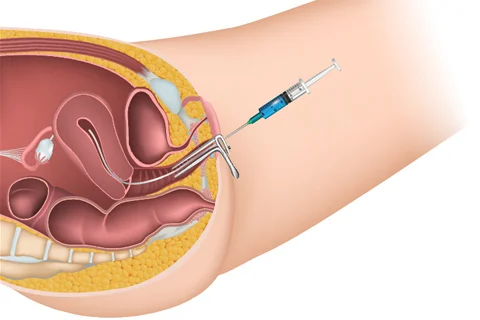
    illustration of intrauterine insemination procedure with a syringe and catheter in the uterus.

    Why More Women are Choosing Natural Fertility Boosters over Injections

    Aside from the potential side effects and financial burden, many women are also turning to natural fertility boosters because of their desire for a more holistic approach to fertility. Instead of relying on synthetic hormones, natural fertility boosters work with a woman’s body to regulate hormones and support reproductive health. These boosters can include herbs, supplements, and lifestyle changes such as diet and exercise.

    One popular natural fertility booster is maca root, a plant native to Peru that has been used for centuries to support fertility and reproductive health. Maca is rich in essential vitamins and minerals, including zinc, iron, and B vitamins, which are important for hormone balance and egg quality. It is also believed to help increase libido and improve overall mood and well-being, which can be beneficial for couples trying to conceive.

    Another natural fertility booster gaining popularity is acupuncture. This ancient Chinese practice involves the insertion of fine needles into specific points on the body to stimulate energy flow and promote overall health. When it comes to fertility, acupuncture has been shown to improve blood flow to the reproductive organs, regulate hormone levels, and reduce stress and anxiety, all of which can increase the chances of conception.

    Diet and exercise also play a significant role in fertility, and many women are choosing to focus on these areas instead of relying solely on injections. A healthy and balanced diet, rich in nutrients and antioxidants, can help regulate hormones and support reproductive health. Regular exercise can also help improve blood flow, reduce stress, and promote overall well-being, all of which can contribute to a woman’s fertility.

    It’s important to note that every woman’s body is unique, and what works for one may not work for another. It’s always best to consult with a healthcare professional before starting any new fertility regimen, whether it be natural fertility boosters or injections. However, for those who are looking for a more natural and holistic approach to fertility, natural fertility boosters may be a promising option.

    In summary, more and more women are choosing natural fertility boosters over injections for several reasons. These include concerns about potential side effects, financial burden, and a desire for a more holistic approach to fertility. Natural fertility boosters such as maca root, acupuncture, and lifestyle changes can support reproductive health and increase the chances of conception without the risks and costs associated with injections. Ultimately, the decision to use natural fertility boosters or injections should be made after careful consideration and consultation with a healthcare professional.