Blog Post:
The LGBTQ+ community has long faced challenges when it comes to starting a family. Historically, same-sex couples and individuals have been unable to conceive children naturally, leading to the rise of alternative methods such as sperm banks and known donors. While both options have their own benefits and drawbacks, they have had a significant impact on the LGBTQ+ community and their ability to have children. In this blog post, we will explore the impact of sperm banks versus known donors on the LGBTQ+ community.
Sperm Banks:
Sperm banks have been around since the early 20th century, but they gained popularity in the 1980s as more and more same-sex couples and individuals sought out alternative methods of conceiving. Sperm banks are essentially facilities that store and distribute donated sperm for the purpose of artificial insemination. Donors are typically screened for genetic and medical disorders, and their sperm is frozen and stored until it is needed.
One of the main benefits of using a sperm bank is the ability to access a large pool of donors. This means that individuals and couples have a wide variety of options to choose from when selecting a donor. They can also choose to use an anonymous donor, which can often be appealing for those who want to maintain privacy. Additionally, sperm banks often have strict regulations and guidelines in place, ensuring that donors are healthy and that the sperm is of high quality.
However, there are also drawbacks to using a sperm bank. The cost can be a major barrier for many individuals and couples, as the process can be quite expensive and may not be covered by insurance. There is also the risk of the donor being misidentified, which has happened in the past and can be a traumatic experience for all parties involved. Another major concern is the lack of genetic connection between the donor and the child, which can be a difficult concept for some families to navigate.
Known Donors:
Known donors, on the other hand, are individuals who donate sperm directly to the intended parents. This could be a close friend, family member, or someone chosen through a donor matching website. Known donors are typically not screened or regulated in the same way as sperm bank donors, and the process can vary greatly depending on the relationship between the donor and intended parents.
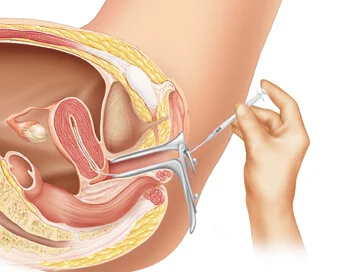
The Impact of Sperm Banks vs Known Donors on the LGBTQ+ Community
One of the main benefits of using a known donor is the ability to have a more personal connection with the donor. This can be important for some individuals and couples who want their child to have a genetic connection to both parents. It can also be a more affordable option, as there are no fees associated with using a sperm bank or a middleman. Additionally, known donors may be more willing to provide updates or be involved in the child’s life, if that is something both parties agree upon.
However, there are also significant drawbacks to using a known donor. Without proper screening and regulations, there is a higher risk of genetic and medical issues. There is also the potential for legal issues to arise, especially if the donor is not properly protected by a legal agreement. In cases where the donor is a friend or family member, there may also be complications in the relationship if the arrangement does not go as planned.
Impact on the LGBTQ+ Community:
Both sperm banks and known donors have had a significant impact on the LGBTQ+ community. For many, these options have provided a way to start a family and fulfill their desire to have children. Sperm banks have allowed individuals and couples to have access to a large pool of donors, giving them more choices and control over the process. On the other hand, known donors have allowed for a more personal connection and potentially a genetic link between the child and their non-biological parent.
However, there are also challenges and concerns within the community. The cost of using a sperm bank can be a major barrier for many, especially for those in the LGBTQ+ community who may already face discrimination and financial challenges. The lack of legal protections for known donors can also be a concern, as there have been cases where donors have sought custody or parental rights over the child.
In recent years, there has been a shift towards using known donors within the LGBTQ+ community. This is due in part to advancements in technology and the ability to screen donors for genetic and medical disorders. Additionally, the desire for a more personal connection and a genetic link has also played a role in this trend.
Summary:
In summary, the use of sperm banks and known donors has had a significant impact on the LGBTQ+ community and their ability to start a family. While both options have their own benefits and drawbacks, they have provided alternative methods for individuals and couples to have children. Sperm banks offer a wide variety of donors and strict regulations, while known donors offer a more personal connection and potential genetic link. However, there are also concerns and challenges within the community, such as the cost and lack of legal protections. Ultimately, the decision to use a sperm bank or known donor is a personal one and should be carefully considered by each individual or couple.