The Legal Side of Starting a Family: Home Insemination vs Clinical Insemination
Starting a family is a significant decision that requires careful planning and consideration. However, for some couples or individuals, the traditional route of conceiving a child may not be an option due to various reasons such as fertility issues, sexual orientation, or financial constraints. In such cases, the concept of home insemination and clinical insemination come into play. While both methods involve the use of donor sperm to conceive a child, there are significant legal differences between the two. In this blog post, we will explore the legal side of starting a family through home insemination and clinical insemination.
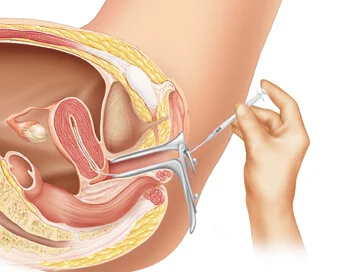
Home insemination, also known as self-insemination, refers to the process of using donor sperm at home to conceive a child. This method involves collecting sperm from a known or anonymous donor and inseminating it into the vagina using a syringe or a menstrual cup. On the other hand, clinical insemination, also known as assisted reproductive technology (ART), involves the use of donor sperm in a medical setting, usually a fertility clinic or a sperm bank. The sperm is directly inserted into the uterus or fallopian tubes through various procedures such as intrauterine insemination (IUI) or in vitro fertilization (IVF).
One of the main differences between home insemination and clinical insemination is the legal implications involved. Home insemination is not regulated by any laws or regulations, making it a gray area. The use of donor sperm at home may expose individuals to potential legal risks, such as the lack of legal protection for the donor or the intended parents. In contrast, clinical insemination is a highly regulated process that involves various legal agreements and contracts to protect all parties involved. Sperm banks and fertility clinics have strict screening processes for donors, ensuring the safety and legality of the procedure.
The Legal Side of Starting a Family: Home Insemination vs Clinical Insemination
Another significant legal aspect to consider is the parental rights of the donor and the intended parents. In home insemination, if the donor is known, they may have parental rights and responsibilities towards the child. This can lead to complicated legal battles for custody and child support, especially if the donor is not willing to waive their rights. However, in clinical insemination, the sperm donor is usually anonymous, and the intended parents have full legal parental rights to the child. The legal agreements and contracts signed before the procedure ensure that the donor has no legal rights or responsibilities towards the child.
Moreover, home insemination can also raise concerns about the health and safety of the donor and the child. In clinical insemination, sperm donors are screened for sexually transmitted diseases, genetic disorders, and other health conditions, reducing the risk of passing on any diseases or conditions to the child. However, in home insemination, there is no guarantee of such screenings, putting the child’s health at risk. Additionally, there is also a lack of legal protection for the donor’s health and safety in home insemination, as they are not subject to any regulations or laws.
The use of donor sperm also raises questions about the legal rights and responsibilities of the child. In home insemination, the child may not have any legal rights to know their genetic origins or medical history, as the donor is not regulated or tracked. This can lead to potential identity and psychological issues for the child in the future. In contrast, in clinical insemination, the child has the legal right to know their genetic origins and medical history, as the donor is regulated and tracked by the sperm bank or fertility clinic.
In conclusion, the legal implications of starting a family through home insemination and clinical insemination are significant. Home insemination may seem like a more affordable and convenient option, but it comes with various legal risks and implications. Clinical insemination, although more expensive, offers legal protection for all parties involved, ensuring a safe and regulated process. It is essential to consult with legal experts and thoroughly research the laws and regulations in your state or country before deciding on a method of conception.