Tag: legal complexities

  • Making an Informed Choice: Traditional vs. Gestational Surrogacy

    Traditional vs. Gestational Surrogacy: Making an Informed Choice

    Surrogacy has become an increasingly popular method for couples and individuals who are unable to conceive naturally. It involves a woman carrying a child for someone else, usually for monetary compensation. However, there are two types of surrogacy – traditional and gestational. While both methods have the same end goal, there are significant differences between the two. In this blog post, we will discuss the pros and cons of traditional and gestational surrogacy, and how to make an informed choice between the two.

    Traditional Surrogacy

    Traditional surrogacy, also known as genetic or partial surrogacy, involves the use of the surrogate’s egg to conceive the child. This means that the surrogate is genetically related to the child she is carrying. In traditional surrogacy, the surrogate is artificially inseminated with the intended father’s sperm or donor sperm. The child is then carried to term by the surrogate and given to the intended parents after birth.

    Pros of Traditional Surrogacy

    One of the main advantages of traditional surrogacy is the cost. Since the surrogate is using her own eggs, there is no need for expensive fertility treatments such as IVF. This makes traditional surrogacy a more affordable option for couples and individuals who are struggling with infertility.

    Another advantage of traditional surrogacy is the emotional connection between the surrogate and the child. Since the surrogate is genetically related to the child, there is a strong bond that can develop between them during the pregnancy. This can be a positive experience for both the surrogate and the intended parents.

    Cons of Traditional Surrogacy

    One of the main concerns with traditional surrogacy is the legal and emotional complexities that can arise. Since the surrogate is genetically related to the child, there is a chance that she may decide to keep the child after birth. This can lead to a lengthy and expensive legal battle for the intended parents.

    Another disadvantage of traditional surrogacy is the potential for emotional attachment between the surrogate and the child. This can lead to conflicting emotions and concerns for the surrogate, who may struggle with giving up the child after birth.

    Gestational Surrogacy
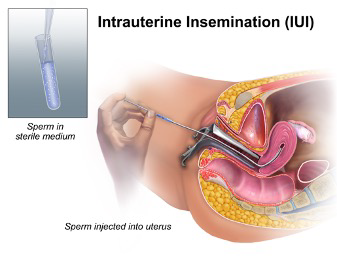
    Illustration of intrauterine insemination (IUI) procedure, showing sperm injection into the uterus.

    Making an Informed Choice: Traditional vs. Gestational Surrogacy

    Gestational surrogacy, also known as full surrogacy, involves the use of a surrogate who is not genetically related to the child she is carrying. In gestational surrogacy, the surrogate is implanted with an embryo created through IVF using the eggs and sperm of the intended parents or donors. The surrogate then carries the child to term and gives birth.

    Pros of Gestational Surrogacy

    One of the main advantages of gestational surrogacy is the legal security it provides for the intended parents. Since the surrogate has no genetic relation to the child, there is no risk of her trying to keep the child after birth. This can provide peace of mind for the intended parents and eliminate the need for a lengthy legal battle.

    Another advantage of gestational surrogacy is the ability to use the intended mother’s eggs. This allows for a genetic connection between the intended mother and the child, which may be important for some couples and individuals.

    Cons of Gestational Surrogacy

    The main disadvantage of gestational surrogacy is the cost. IVF and other fertility treatments involved in gestational surrogacy can be expensive, making it a less affordable option for many couples and individuals.

    Another concern with gestational surrogacy is the lack of a genetic connection between the surrogate and the child. This may lead to a less emotional bond between the surrogate and the child, which can be a disadvantage for some.

    Making an Informed Choice

    When considering surrogacy, it is important to weigh the pros and cons of both traditional and gestational surrogacy to make an informed decision. Factors such as cost, legal security, and emotional connection should be carefully considered before choosing the type of surrogacy that is right for you.

    It is also crucial to work with a reputable and experienced surrogacy agency or lawyer to ensure a smooth and legally binding process. They can provide guidance and support throughout the entire surrogacy journey, from finding a suitable surrogate to the legal contracts and agreements.

    In conclusion, traditional and gestational surrogacy both have their own benefits and challenges. It is important to carefully consider all factors and consult with professionals before making a decision. With the right preparation and support, surrogacy can be a viable option for couples and individuals looking to start or expand their family.

  • The Surrogacy vs Adoption Debate: Finding Common Ground

    The Surrogacy vs Adoption Debate: Finding Common Ground

    The decision to start a family is a life-changing and deeply personal one. For many couples and individuals, the traditional path to parenthood is not always feasible. This has led to an ongoing debate between surrogacy and adoption as alternative means of building a family. Both options have their own benefits and challenges, and the debate between the two can often be divisive. However, it is important to find common ground and have a deeper understanding of both surrogacy and adoption in order to make an informed decision. In this blog post, we will explore the surrogacy vs adoption debate and the potential for finding common ground between the two options.

    Understanding Surrogacy

    Surrogacy is the process of using a third party, known as a surrogate, to carry and give birth to a child for a couple or individual who is unable to conceive or carry a child themselves. There are two types of surrogacy: traditional surrogacy, where the surrogate’s egg is used, and gestational surrogacy, where the intended parent’s sperm and egg are used. Surrogacy is a complex and expensive process, involving legal contracts, medical procedures, and emotional considerations. However, for many people, it offers a chance to have a biological child and experience pregnancy and childbirth.

    Pros of Surrogacy

    One of the main benefits of surrogacy is the ability to have a biological child. For couples or individuals who are unable to conceive or carry a child themselves, surrogacy provides a way to have a child who shares their DNA. This can be a major factor in the decision-making process for those considering surrogacy. Additionally, surrogacy allows intended parents to be involved in the pregnancy and childbirth process, which can be a deeply meaningful experience for many.

    Cons of Surrogacy

    Surrogacy also has its challenges and drawbacks. The cost of surrogacy can be a major barrier for many, with the average cost in the United States ranging from $80,000 to $120,000. This high cost can make surrogacy inaccessible for many people, especially those who are already facing financial challenges due to infertility or other factors. Additionally, the legal and emotional complexities of surrogacy can be overwhelming for both the intended parents and the surrogate, and there is always a risk of legal disputes or emotional strains arising during the process.

    Understanding Adoption

    Adoption is the process of legally assuming the parental rights and responsibilities for a child who is not biologically related to the adoptive parents. There are several types of adoption, including domestic, international, and foster care adoption. Adoption offers a way for individuals and couples to become parents and provide a loving home for a child in need. However, it also comes with its own set of challenges and considerations.

    Pros of Adoption

    diagram illustrating intrauterine insemination (IUI) procedure with uterus, sperm, and catheter labeled

    The Surrogacy vs Adoption Debate: Finding Common Ground

    One of the main benefits of adoption is the ability to provide a child with a loving and stable home. Adoption offers a chance for children who may not have a permanent family to have a sense of belonging and security. Additionally, adoption can be a more affordable option compared to surrogacy, with the average cost in the United States ranging from $20,000 to $40,000. This can make adoption a more accessible option for many people.

    Cons of Adoption

    Adoption also has its challenges and limitations. One of the main drawbacks is the lack of genetic connection between the child and the adoptive parents. This can be a significant factor for those who are considering adoption, as it may impact the bonding and attachment process. Additionally, the adoption process can be lengthy and emotionally taxing, as it involves navigating legal and bureaucratic procedures and often requires prospective parents to go through extensive screening and background checks.

    Finding Common Ground

    The surrogacy vs adoption debate often pits these two options against each other, with each side arguing for their own merits. However, it is important to recognize that both surrogacy and adoption offer unique benefits and challenges, and there is potential to find common ground between the two.

    For couples or individuals who are considering surrogacy, it is important to acknowledge the challenges and complexities of the process and be prepared to address them. This includes having open and honest communication with the surrogate and understanding the legal and financial implications of surrogacy. Additionally, it is important to consider the potential emotional impact on all parties involved and have a support system in place.

    On the other hand, for those considering adoption, it is important to recognize the importance of genetic connection and the potential challenges of bonding with a child who is not biologically related. It is also crucial to have a realistic understanding of the adoption process and be prepared for the emotional rollercoaster it may entail. Having a support system and seeking guidance from experienced adoptive parents can also be helpful in navigating the process.

    Ultimately, the decision between surrogacy and adoption should not be a competition, but rather a personal and informed choice that takes into consideration individual circumstances and preferences. It is important to have a deeper understanding of both options and to seek guidance and support from professionals and those who have gone through similar experiences.

    In conclusion, the surrogacy vs adoption debate is a complex and emotional one, but there is potential to find common ground and have a deeper understanding of both options. Whether it is surrogacy or adoption, the ultimate goal is to provide a loving and stable home for a child and to fulfill the desire to become a parent. By recognizing the benefits and challenges of both options, individuals and couples can make an informed decision that is best for them and their future family.

    Summary:

    The debate between surrogacy and adoption as alternative means of building a family can often be divisive. However, it is important to find common ground and have a deeper understanding of both options in order to make an informed decision. Surrogacy offers the ability to have a biological child, while adoption allows for providing a loving home for a child in need. Both options have their own benefits and challenges, and it is crucial to acknowledge and prepare for them. Ultimately, the decision between surrogacy and adoption should not be a competition, but rather a personal and informed choice that takes into consideration individual circumstances and preferences.