Summary:
Intrauterine insemination (IUI) and donor insemination (DI) are two common fertility treatments used to help people conceive. While they both involve the insertion of sperm into the uterus, there are important legal implications that come with each procedure. This blog post will explore the legal implications of IUI and DI, including the rights and responsibilities of the donor, recipient, and resulting child. We will also discuss the legal process for obtaining sperm, the importance of legal agreements, and potential legal issues that may arise in the future. By understanding the legal implications of these fertility treatments, individuals and couples can make informed decisions and ensure that their rights and the rights of their future child are protected.
The Legal Process for Obtaining Sperm:
Before discussing the legal implications of IUI and DI, it is important to understand the legal process for obtaining sperm. In most cases, sperm is obtained from a sperm bank or a known donor. When using a sperm bank, the donor has already signed away his parental rights and the recipient will go through a rigorous screening process to ensure the health and quality of the sperm. On the other hand, when using a known donor, the recipient and donor must go through a legal process to establish parental rights and responsibilities.
Rights and Responsibilities of the Donor:
In IUI, the donor is typically the partner of the intended mother, who has agreed to the procedure and will assume parental rights and responsibilities. However, in DI, the donor is typically a stranger or known donor who has no intention of assuming parental rights and responsibilities. In these cases, the donor may have limited rights to the child, but also limited responsibilities such as financial support. Depending on the laws of the state or country, the donor may be required to undergo medical and genetic testing, as well as sign legal agreements relinquishing any parental rights.
Rights and Responsibilities of the Recipient:
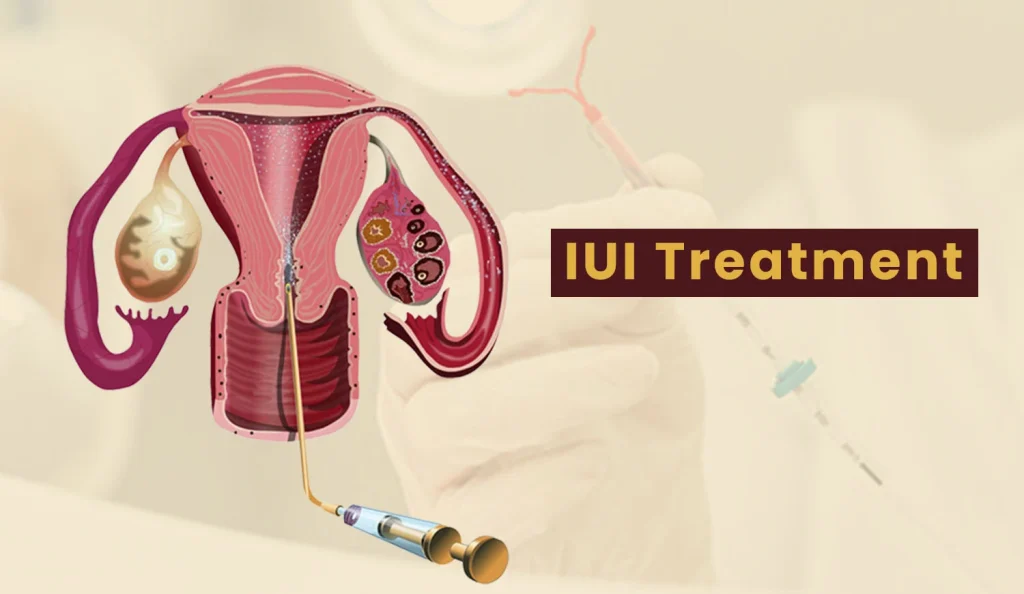
Exploring the Legal Implications: Intrauterine Insemination vs Donor Insemination
The recipient, whether it be a single individual or a couple, has the right to choose the donor and the method of insemination. They also have the responsibility of ensuring that the donor has gone through the necessary legal and medical processes. It is important for the recipient to thoroughly discuss and agree upon the rights and responsibilities of the donor with their partner, if applicable, and any legal agreements should be drafted and signed before the insemination process begins.
Rights and Responsibilities of the Resulting Child:
One of the most important legal implications of IUI and DI is the rights and responsibilities of the resulting child. In most cases, the resulting child will have the same legal rights as any other child, including the right to financial support and inheritance from both parents. However, in cases of known donors, there may be legal challenges to establishing parental rights and responsibilities. It is important for all parties involved to fully understand and consider the potential legal implications for the resulting child before proceeding with the insemination process.
Importance of Legal Agreements:
In order to protect the rights and responsibilities of all parties involved, it is crucial to have legal agreements in place before undergoing IUI or DI. These agreements should outline the intentions of all parties, including the donor, recipient, and any partners or spouses. They should also address potential issues such as custody and visitation rights, financial support, and medical decisions for the resulting child. These agreements can also help prevent legal disputes and ensure that the child’s best interests are taken into consideration.
Potential Legal Issues:
Despite the legal agreements and processes in place, there may still be potential legal issues that arise in the future. For example, if the donor was known but not officially recognized as the father, they may seek custody or visitation rights in the future. In cases where the donor is anonymous, the child may have questions about their genetic heritage and seek out information about their donor. It is important for all parties to be prepared for these potential issues and have open communication about them in order to avoid legal disputes.
In conclusion, IUI and DI are both viable options for individuals and couples looking to conceive. However, it is important to understand the legal implications that come with each procedure. By following the proper legal processes, drafting and signing legal agreements, and fully considering the rights and responsibilities of all parties involved, individuals and couples can navigate the legal implications of IUI and DI and ensure the best possible outcome for their future child.