Tag: laparoscopy

  • The Waiting Game: How Long Do Fertility Tests Take for Men and Women?

    Blog Post:

    The journey to parenthood is an exciting and emotional one. For many couples, trying to conceive can be a long and difficult process. And for those who are struggling with fertility issues, the waiting game can be even more challenging. One of the first steps in understanding and addressing fertility problems is undergoing fertility tests. But how long do these tests take for men and women? In this blog post, we will explore the various fertility tests available and the time it takes for both men and women to complete them.

    Fertility Tests for Women:

    1. Ovulation Tests:
    The first step in understanding fertility in women is to determine if and when ovulation is happening. This can be done through ovulation tests, which typically involve tracking basal body temperature, changes in cervical mucus, and using ovulation predictor kits. These tests can take anywhere from a few days to a few weeks to complete, depending on the length of a woman’s cycle and the accuracy of the tests.

    2. Hormone Tests:
    Hormone tests are crucial in understanding a woman’s reproductive health. These tests measure the levels of hormones such as estrogen, progesterone, luteinizing hormone (LH), and follicle-stimulating hormone (FSH). These tests can be done through blood work or saliva samples and usually take a few days to a week to complete.

    3. Ultrasound:
    Ultrasound is another common fertility test for women. It involves using sound waves to create images of the reproductive organs. This test can help identify any abnormalities or disorders that may affect fertility. An ultrasound typically takes about 20-30 minutes to complete.

    4. Hysterosalpingography (HSG):
    HSG is a procedure that uses X-rays and a special dye to examine the uterus and fallopian tubes. This test can help identify any blockages or abnormalities in the reproductive system. It usually takes about 15-30 minutes to complete and may require a day or two for recovery.

    5. Laparoscopy:
    Laparoscopy is a minimally invasive surgical procedure that involves inserting a small camera through a small incision in the abdomen. This procedure allows doctors to examine the reproductive organs and detect any issues that may affect fertility. Laparoscopy can take up to an hour to complete and may require a few days for recovery.

    Fertility Tests for Men:

    1. Semen Analysis:
    The most common fertility test for men is a semen analysis. This test involves collecting a sample of semen and analyzing it for sperm count, motility, and morphology. The process usually takes about a week to complete, including the time needed for sperm to fully develop.
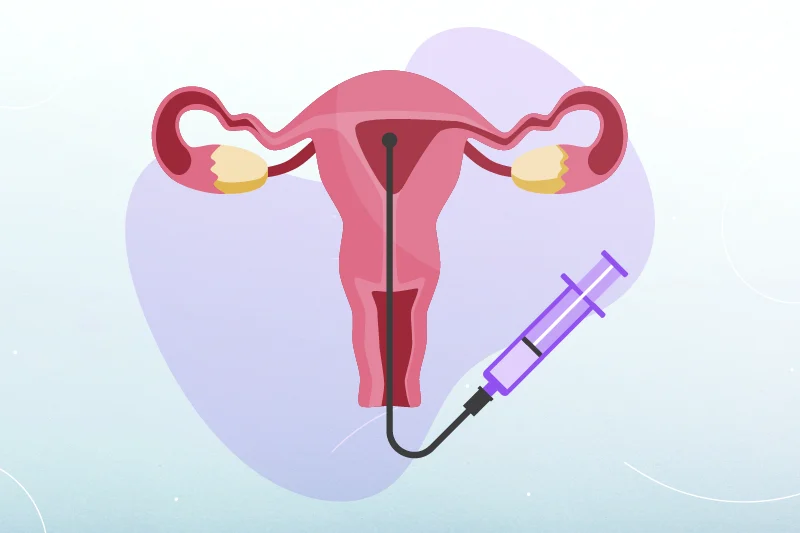
    Illustration of the uterus with a syringe, depicting the intrauterine insemination procedure.

    The Waiting Game: How Long Do Fertility Tests Take for Men and Women?

    2. Hormone Tests:
    Similar to women, hormone tests are also essential for men’s fertility. These tests measure the levels of testosterone, luteinizing hormone (LH), follicle-stimulating hormone (FSH), and prolactin. These tests can be done through blood work and usually take a few days to a week to complete.

    3. Ultrasound:
    Ultrasound can also be used to examine the male reproductive system. This test helps detect any blockages or abnormalities in the reproductive organs. It usually takes about 20-30 minutes to complete.

    4. Testicular Biopsy:
    In some cases, a testicular biopsy may be necessary to diagnose fertility problems in men. This procedure involves removing a small sample of testicular tissue for analysis. It can take up to a week to receive the results of the biopsy.

    5. Genetic Testing:
    In rare cases, genetic testing may be recommended for men experiencing fertility issues. This test can help identify any genetic disorders that may affect fertility. The results of genetic testing can take several weeks to months to come back.

    The Waiting Game:

    Overall, the time it takes to complete fertility tests for men and women varies depending on the type of test and the individual’s reproductive health. Most tests can be completed within a few days to a few weeks, but in some cases, it may take longer. It is essential to consult with a fertility specialist to determine which tests are necessary and how long each test may take to complete.

    In addition to the time it takes to complete the tests, there is also the waiting game for the results. This can be a stressful and emotional time for couples. It is important to stay positive and to communicate with your partner during this process. Remember, fertility issues are common, and there are many options available to help couples conceive.

    In conclusion, fertility tests are an essential step in understanding and addressing fertility problems for both men and women. The time it takes to complete these tests can vary, but it is crucial to be patient and communicate with your doctor throughout the process. With the right treatment and support, many couples can overcome fertility issues and achieve their dream of starting a family.
    Summary:

    Fertility tests are an essential step in understanding and addressing fertility problems for both men and women. The time it takes to complete these tests can vary, with ovulation tests and hormone tests taking a few days to a few weeks, ultrasounds taking 20-30 minutes, and laparoscopy or HSG taking longer. For men, semen analysis is the most common test, and hormone tests, ultrasound, and testicular biopsy may also be required. Genetic testing can take several weeks to months to get results. It is important to consult with a fertility specialist and communicate with your partner during this process. With the right treatment and support, many couples can overcome fertility issues and achieve their dream of starting a family.
  • Male Fertility Tests vs Female Fertility Tests: Which One is More Invasive?

    Blog Post:

    When it comes to starting a family, many couples face the challenge of fertility issues. In order to determine the cause of these issues, both men and women may undergo fertility tests. These tests are designed to assess the reproductive health of individuals and help them understand their chances of conceiving. However, there is a common debate among couples as to which fertility test is more invasive – male fertility tests or female fertility tests. In this blog post, we will delve into the differences between these two types of tests and determine which one is more invasive.

    Male Fertility Tests:

    The most commonly used male fertility test is a semen analysis. This test measures the quantity and quality of sperm in a man’s semen. The procedure involves collecting a semen sample through masturbation and then analyzing it in a laboratory. While this may seem like an uncomfortable process for some men, it is a relatively simple and non-invasive procedure. The only physical discomfort may come from the act of masturbation itself, but the overall process is painless.

    However, there are other male fertility tests that may be more invasive. These include a testicular biopsy, which involves removing a small sample of tissue from the testicles to assess sperm production, and a scrotal ultrasound, which uses sound waves to produce images of the testicles and surrounding tissues. These tests may be recommended if a man’s semen analysis results are abnormal or if there are other suspected issues with his reproductive system. While they are more invasive than a semen analysis, they are still considered relatively minor procedures and are typically done under local anesthesia.

    Female Fertility Tests:

    There are various types of fertility tests for women, each with a different level of invasiveness. The most common test is a blood test to check hormone levels, which can indicate whether a woman is ovulating and if there are any hormonal imbalances. This test requires a simple blood draw and is relatively painless.

    Another common fertility test for women is a transvaginal ultrasound, which involves inserting a small wand-like device into the vagina to produce images of the reproductive organs. This test can help identify any structural issues or abnormalities in the uterus, ovaries, and fallopian tubes. While it may cause some discomfort or pressure, it is still considered a minor and non-invasive procedure.

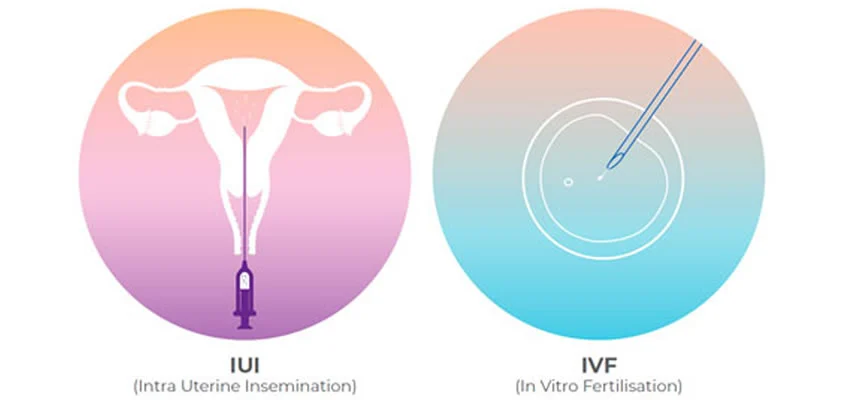
    comparison of IUI and IVF procedures illustrated with simple graphics and labels

    Male Fertility Tests vs Female Fertility Tests: Which One is More Invasive?

    However, there are other more invasive female fertility tests, such as a hysterosalpingogram (HSG) and a laparoscopy. An HSG involves injecting dye into the uterus and fallopian tubes to check for blockages, while a laparoscopy involves making a small incision in the abdomen to view the reproductive organs directly. These tests may be recommended if there are concerns about the structure of the reproductive organs or if other tests have yielded inconclusive results. They are considered more invasive and may require anesthesia, but they are still relatively minor procedures.

    Which One is More Invasive?

    Based on the above information, it is clear that both male and female fertility tests can range from non-invasive to more invasive procedures. However, it is difficult to determine which one is more invasive as it ultimately depends on the individual’s comfort level and the specific tests being performed. For example, a woman may find a transvaginal ultrasound more invasive than a man would find a semen analysis, while a man may find a testicular biopsy more invasive than a woman would find an HSG.

    It is also important to note that the level of invasiveness may also depend on the individual’s reproductive health and any underlying medical conditions. For some individuals, certain fertility tests may be more invasive due to their physical limitations or sensitivities.

    Overall, both male and female fertility tests serve the same purpose of determining the cause of fertility issues. While some may be more invasive than others, they are all crucial in helping couples understand their reproductive health and make informed decisions about their fertility journey.

    In conclusion, the debate between male fertility tests and female fertility tests being more invasive is subjective and cannot be determined with certainty. It is important for couples to discuss their options with their healthcare provider and choose the best course of action based on their individual needs and comfort level. Fertility tests, whether for men or women, are an essential tool in the journey towards starting a family and should be approached with patience and understanding.

    Summary:

    Fertility tests are important for couples facing fertility issues and are designed to assess the reproductive health of individuals. There is a common debate about which fertility test is more invasive – male or female. Male fertility tests, such as semen analysis, are relatively simple and non-invasive, while other tests like a testicular biopsy or scrotal ultrasound may be more invasive. Similarly, female fertility tests, such as a blood test or transvaginal ultrasound, are relatively non-invasive, but tests like an HSG or laparoscopy may be more invasive. The level of invasiveness ultimately depends on the individual’s comfort level and the specific tests being performed. It is important for couples to discuss their options with their healthcare provider and choose the best course of action based on their individual needs and comfort level.

  • Fertility Medications vs Surgery: What You Need to Know

    Blog Post:

    Fertility issues can be a challenging and emotional journey for many couples. When faced with difficulties in conceiving, there are various options available to help increase the chances of getting pregnant. Fertility medications and surgery are two common approaches that are used to treat infertility. However, it can be overwhelming and confusing to decide which option is best for you. In this blog post, we will discuss the differences between fertility medications and surgery, and what you need to know before making a decision.

    Fertility Medications:

    Fertility medications, also known as ovulation induction, are used to stimulate the ovaries to produce and release eggs. These medications can be taken orally, by injection, or vaginally. The most commonly used fertility medications are clomiphene citrate, letrozole, gonadotropins, and metformin.

    Clomiphene citrate and letrozole are oral medications that are used to stimulate the release of follicle-stimulating hormone (FSH) and luteinizing hormone (LH). These hormones are responsible for the growth and maturation of eggs in the ovaries. These medications are usually the first-line treatment for women with ovulatory disorders.

    Gonadotropins, on the other hand, are injectable medications that contain FSH and LH. These hormones directly stimulate the ovaries to produce eggs. Gonadotropins are typically used for women who do not respond to clomiphene citrate or letrozole. They are also used in combination with other fertility treatments, such as in vitro fertilization (IVF).

    Metformin is another medication that is commonly used in women with polycystic ovary syndrome (PCOS). This medication helps to regulate insulin levels and can improve ovulation in women with PCOS.

    Pros of Fertility Medications:

    – Less invasive: Fertility medications are non-surgical treatments, making them less invasive and less risky compared to surgery.

    – Cost-effective: Fertility medications are generally more affordable than surgery, making them a more accessible option for many couples.

    – Can be done at home: Most fertility medications can be self-administered at home, which means fewer doctor appointments and less time away from work.

    Cons of Fertility Medications:

    – Multiple births: Fertility medications can increase the chances of having multiple births, such as twins or triplets. This can increase the risk of complications during pregnancy and delivery.

    – Side effects: Some women may experience side effects from fertility medications, such as hot flashes, mood swings, and bloating.

    – Not effective for all types of infertility: Fertility medications are only effective for certain types of infertility, such as ovulation disorders. They are not effective for issues with the fallopian tubes or uterus.

    Surgery:

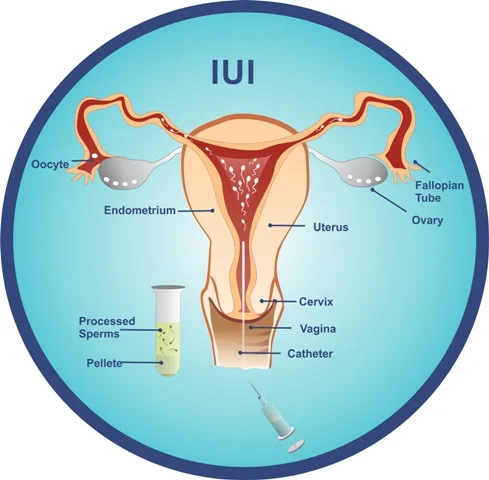
    diagram illustrating intrauterine insemination (IUI) with labeled reproductive anatomy and procedures

    Fertility Medications vs Surgery: What You Need to Know

    Surgery is another option for treating infertility. It involves a surgical procedure to correct any physical abnormalities that may be causing infertility. The most common types of surgery for infertility are hysteroscopy, laparoscopy, and tubal surgery.

    Hysteroscopy is a procedure that involves inserting a thin, lighted device into the uterus to diagnose and treat any issues with the uterine lining, such as fibroids or polyps.

    Laparoscopy is a minimally invasive surgery that is used to diagnose and treat issues with the reproductive organs, such as endometriosis, blocked fallopian tubes, or ovarian cysts.

    Tubal surgery is a procedure that repairs any damage or obstruction in the fallopian tubes, which can prevent the egg from reaching the uterus for fertilization.

    Pros of Surgery:

    – Can correct physical issues: Surgery can address underlying physical issues that may be causing infertility, which can improve the chances of getting pregnant.

    – Higher success rates: Unlike fertility medications, surgery can have a higher success rate in treating infertility, especially in cases of tubal blockages.

    – No multiple births: Unlike fertility medications, surgery does not increase the chances of having multiple births.

    Cons of Surgery:

    – Invasive: Surgery is a more invasive option compared to fertility medications, which can increase the risk of complications.

    – Expensive: Surgery can be more expensive than fertility medications, which may not be feasible for all couples.

    – Recovery time: Recovery time after surgery can be longer, and it may take a few weeks to resume normal activities.

    Conclusion:

    When it comes to fertility treatments, there is no one-size-fits-all solution. Both fertility medications and surgery have their own pros and cons, and the best option for you will depend on your individual situation. It is essential to consult with a fertility specialist to determine the underlying cause of your infertility and to discuss the most suitable treatment plan for you.

    In general, fertility medications are a less invasive and more cost-effective option, while surgery has a higher success rate in certain cases. However, fertility medications may not be effective for all types of infertility, and surgery can be more invasive and expensive. It is crucial to weigh the pros and cons and consider your personal preferences before making a decision.

    Summary:

    Fertility medications and surgery are two common approaches used to treat infertility. Fertility medications are non-surgical treatments that stimulate the ovaries to produce and release eggs. They are less invasive and more cost-effective than surgery, but they may not be effective for all types of infertility and can increase the chances of multiple births. Surgery is a more invasive option that can correct physical issues and has a higher success rate, but it can be more expensive and require a longer recovery time. Ultimately, the best option for you will depend on your individual situation, and it is important to consult with a fertility specialist before making a decision.

  • Fertility Medications vs Surgery: Which One is Right for You?

    Blog Post:

    When it comes to fertility issues, there are various treatment options available to help couples achieve their dream of having a baby. Two common methods of treatment are fertility medications and surgery, each with its own benefits and drawbacks. In this blog post, we will explore the differences between these two options and discuss which one may be the right choice for you.

    Fertility Medications:

    Fertility medications, also known as ovulation induction drugs, are often the first line of treatment for couples struggling with infertility. These medications work by regulating the hormones responsible for ovulation, thus increasing the chances of conception.

    One of the main advantages of fertility medications is that they are non-invasive and can be taken orally or through injections. This makes it a more comfortable and convenient option for many couples. Also, compared to surgery, fertility medications are significantly less expensive.

    Another benefit of fertility medications is that they can be used to treat a variety of fertility issues, such as ovulation disorders, polycystic ovary syndrome (PCOS), and hormonal imbalances. They can also be used in conjunction with other fertility treatments, such as intrauterine insemination (IUI) or in vitro fertilization (IVF).

    However, fertility medications may not be suitable for everyone. They can have side effects such as hot flashes, headaches, and mood swings. In rare cases, they can also cause ovarian hyperstimulation syndrome (OHSS), a condition where the ovaries become swollen and painful. In addition, fertility medications may not be effective for certain causes of infertility, such as blocked fallopian tubes or severe endometriosis.

    Surgery:

    Surgery for fertility issues is usually recommended when there is a structural problem that is preventing conception. Some common fertility surgeries include laparoscopy, hysteroscopy, and tubal reanastomosis.

    Laparoscopy is a minimally invasive surgery that involves making small incisions in the abdomen to access the reproductive organs. It is often used to diagnose and treat conditions such as endometriosis, ovarian cysts, and pelvic adhesions.

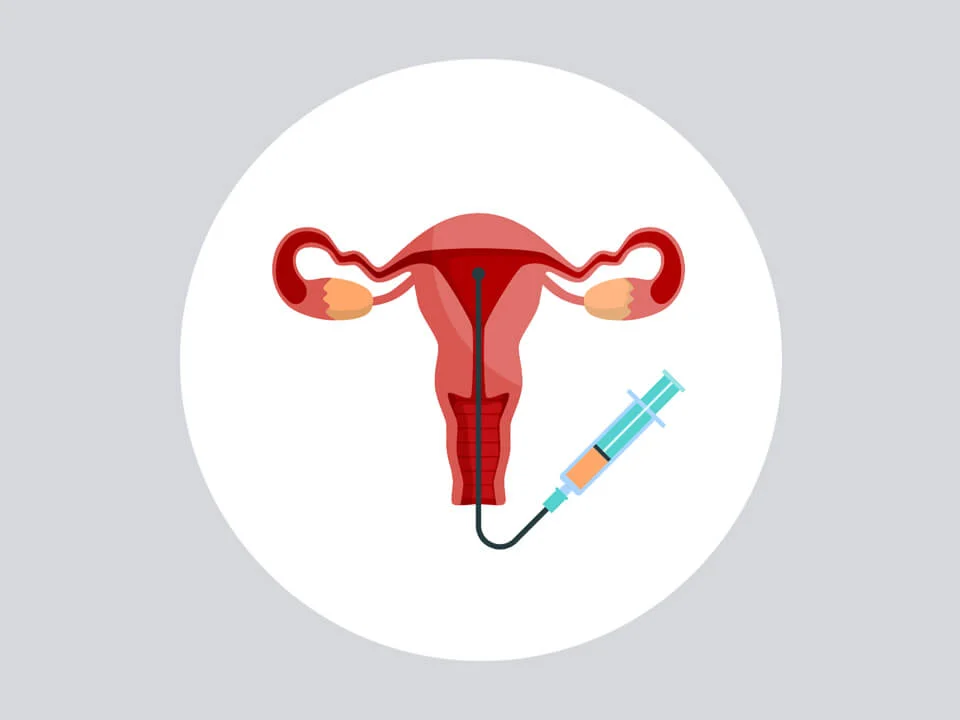
    Illustration of a uterus with a syringe, representing intrauterine insemination (IUI) procedure.

    Fertility Medications vs Surgery: Which One is Right for You?

    Hysteroscopy, on the other hand, is a procedure that allows doctors to view and treat any abnormalities in the uterus, such as fibroids, polyps, or scar tissue. This surgery is done by inserting a thin, flexible tube with a camera into the uterus through the cervix.

    Tubal reanastomosis, also known as tubal ligation reversal, is a surgery that reconnects the fallopian tubes after a woman has had her tubes tied. This procedure is usually recommended for women who have changed their minds about wanting to have children.

    One of the main advantages of surgery for fertility issues is that it can provide a permanent solution to certain problems. For example, tubal reanastomosis has a high success rate in restoring fertility in women who have had their tubes tied. Surgery can also improve the chances of conception for women with blocked fallopian tubes or uterine abnormalities.

    However, surgery for fertility issues can be invasive and may involve a longer recovery time compared to medications. It also carries the risks associated with any surgical procedure, such as infection, bleeding, and damage to surrounding organs.

    Which One is Right for You?

    The decision to choose between fertility medications and surgery ultimately depends on the cause of infertility and the individual’s personal preferences. In some cases, a combination of both methods may be recommended for optimal results.

    If the cause of infertility is hormonal imbalance or ovulation disorders, fertility medications may be the best option. They are also a good choice for couples who are not ready to undergo surgery or cannot afford it. On the other hand, if there is a structural issue that is preventing conception, surgery may be the better choice.

    It is essential to consult with a fertility specialist to determine the best course of treatment for your specific situation. They can evaluate your medical history and perform necessary tests to identify the root cause of infertility and recommend the most effective treatment plan.

    In conclusion, both fertility medications and surgery have their own benefits and limitations. It is crucial to weigh the pros and cons of each option and consult with a medical professional to determine which one is the right choice for you.

    Summary:

    Fertility issues can be challenging and emotional for couples, but there are treatment options available to help them conceive. Fertility medications and surgery are two common methods of treatment, each with its own advantages and disadvantages. Fertility medications are non-invasive, less expensive, and can treat a variety of fertility issues. However, they may not be effective for certain causes of infertility and can have side effects. Surgery, on the other hand, can provide a permanent solution to certain problems but is more invasive and carries risks. The choice between these two options depends on the cause of infertility and personal preferences, and it is best to consult with a fertility specialist to determine the most suitable treatment plan.