Tag: iron

  • Fertility Nutrition for Women with Irregular Cycles: Balancing Hormones with Diet

    Blog Post: Fertility Nutrition for Women with Irregular Cycles: Balancing Hormones with Diet

    For many women, having a regular menstrual cycle is a sign of good health and fertility. However, for some women, irregular periods can be a source of stress and frustration. Irregular cycles can make it harder to track ovulation and can also be a sign of underlying health issues. While there can be various reasons for irregular periods, one factor that is often overlooked is nutrition. In this blog post, we will explore the connection between diet and hormonal balance in women with irregular cycles, and provide tips for using nutrition to improve fertility.

    Understanding Irregular Cycles and Hormonal Imbalance

    Before we dive into the role of nutrition, it is important to understand the basics of irregular cycles and hormonal imbalance. An irregular cycle is defined as a menstrual cycle that is shorter than 21 days or longer than 35 days, or if the length of the cycle varies significantly from month to month. Hormonal imbalance, on the other hand, refers to an imbalance in the levels of hormones that regulate the menstrual cycle, namely estrogen and progesterone.

    Hormonal imbalances can be caused by a variety of factors such as stress, excessive exercise, and certain medical conditions. In women with irregular cycles, hormonal imbalances can lead to irregular periods, as well as other symptoms such as acne, weight gain, and mood swings. These imbalances can also affect ovulation, making it difficult to conceive.

    The Role of Nutrition in Hormonal Balance

    The food we eat plays a crucial role in our overall health, including hormonal balance. Our endocrine system, which produces and regulates hormones, relies on essential nutrients from our diet to function properly. When we lack these nutrients, our hormones can become imbalanced, leading to irregular cycles and other health issues.

    A healthy and balanced diet is essential for maintaining hormonal balance and promoting fertility. Here are some key nutrients that play a vital role in regulating hormones and improving fertility:

    1. Healthy Fats

    Healthy fats, such as omega-3 fatty acids, are essential for hormone production and balance. Omega-3s are found in foods like salmon, avocado, and nuts, and have been shown to improve ovulation and fertility. On the other hand, consuming too many unhealthy fats, like trans fats found in processed foods, can disrupt hormonal balance and increase the risk of infertility.

    2. Complex Carbohydrates

    Complex carbohydrates, such as whole grains, provide the body with energy and help regulate blood sugar levels. Eating a diet high in refined carbohydrates, like white bread and sugary snacks, can cause a spike in insulin levels, which can disrupt hormone production and lead to irregular cycles.

    3. Protein

    Protein is essential for the production of hormones and helps to regulate the menstrual cycle. Consuming enough protein can also help with weight management, as excess body fat can lead to hormonal imbalances. Good sources of protein include lean meats, eggs, and legumes.

    4. Antioxidants

    Antioxidants help to protect the body from free radical damage, which can affect hormone production. Foods high in antioxidants, such as berries, dark leafy greens, and cruciferous vegetables, can help improve hormone balance and promote fertility.

    Illustration of the IUI process, showing a syringe and catheter in the reproductive system.

    Fertility Nutrition for Women with Irregular Cycles: Balancing Hormones with Diet

    5. Iron and Zinc

    Iron and zinc are two essential minerals for women’s health and fertility. Iron helps to carry oxygen to the cells and is necessary for the production of healthy eggs. Zinc, on the other hand, is essential for hormone production and ovulation. Foods rich in iron and zinc include lean meats, seafood, and leafy greens.

    Tips for Using Nutrition to Improve Fertility

    Now that we’ve covered the key nutrients for hormonal balance, here are some tips for using nutrition to improve fertility in women with irregular cycles:

    1. Eat a Balanced Diet

    The first and most crucial step is to ensure you are eating a balanced diet that includes all the essential nutrients mentioned above. Aim for a variety of whole foods, including fruits, vegetables, lean proteins, and healthy fats.

    2. Avoid Processed Foods

    Processed foods, including packaged snacks and fast food, are often high in unhealthy fats, sugar, and refined carbohydrates. These can disrupt hormonal balance and should be limited or avoided altogether.

    3. Stay Hydrated

    Drinking enough water is essential for maintaining hormonal balance. Dehydration can lead to a drop in estrogen levels, which can cause irregular periods. Aim for at least 8 glasses of water a day.

    4. Consider Supplements

    In some cases, it may be challenging to get all the necessary nutrients from diet alone. In these cases, supplements can be helpful. Consult with a healthcare professional to determine which supplements may be right for you.

    5. Manage Stress

    Stress can wreak havoc on our hormones and contribute to irregular cycles. Find ways to manage stress, such as meditation, yoga, or spending time in nature.

    Summary:

    Irregular cycles can be a source of stress and frustration for many women, and nutrition can play a significant role in regulating hormones and improving fertility. A balanced diet that includes healthy fats, complex carbohydrates, protein, antioxidants, iron, and zinc is essential for hormonal balance. Avoiding processed foods, staying hydrated, and managing stress are also crucial for promoting fertility. Consider incorporating these tips into your lifestyle to support your hormonal health and improve your chances of conceiving.

  • Fertility Foods: A Look at the Key Nutrients for Boosting Fertility

    Summary:

    Fertility is a topic that is often surrounded by myths and misconceptions, leading many couples to struggle with conceiving a child. While there are many factors that can affect fertility, such as age, genetics, and underlying health conditions, one important aspect that often gets overlooked is nutrition. The foods we eat play a significant role in our overall health, including reproductive health. In this blog post, we will take a closer look at the key nutrients that can help boost fertility and increase the chances of conceiving.

    1. Folate

    Folate, also known as folic acid, is a B vitamin that is essential for reproductive health. It helps with the production of healthy eggs and sperm and is crucial for the development of a healthy baby. Folate also plays a role in preventing birth defects, such as neural tube defects. Foods rich in folate include leafy greens, legumes, avocado, and fortified cereals. It is recommended to consume at least 400 micrograms of folate daily for women trying to conceive.

    2. Zinc

    Zinc is another critical nutrient for fertility, as it is involved in the production of hormones and supports egg and sperm health. Zinc deficiency has been linked to fertility issues in both men and women. Foods rich in zinc include oysters, beef, chicken, pumpkin seeds, and lentils. It is recommended to consume 8-11 milligrams of zinc daily for women trying to conceive.

    3. Omega-3 Fatty Acids

    Omega-3 fatty acids are essential for reproductive health and have been shown to improve sperm quality, regulate hormones, and increase blood flow to the reproductive organs. Good sources of omega-3s include salmon, mackerel, chia seeds, and walnuts. It is recommended to consume at least 200-300 milligrams of omega-3s daily for women trying to conceive.

    4. Vitamin D

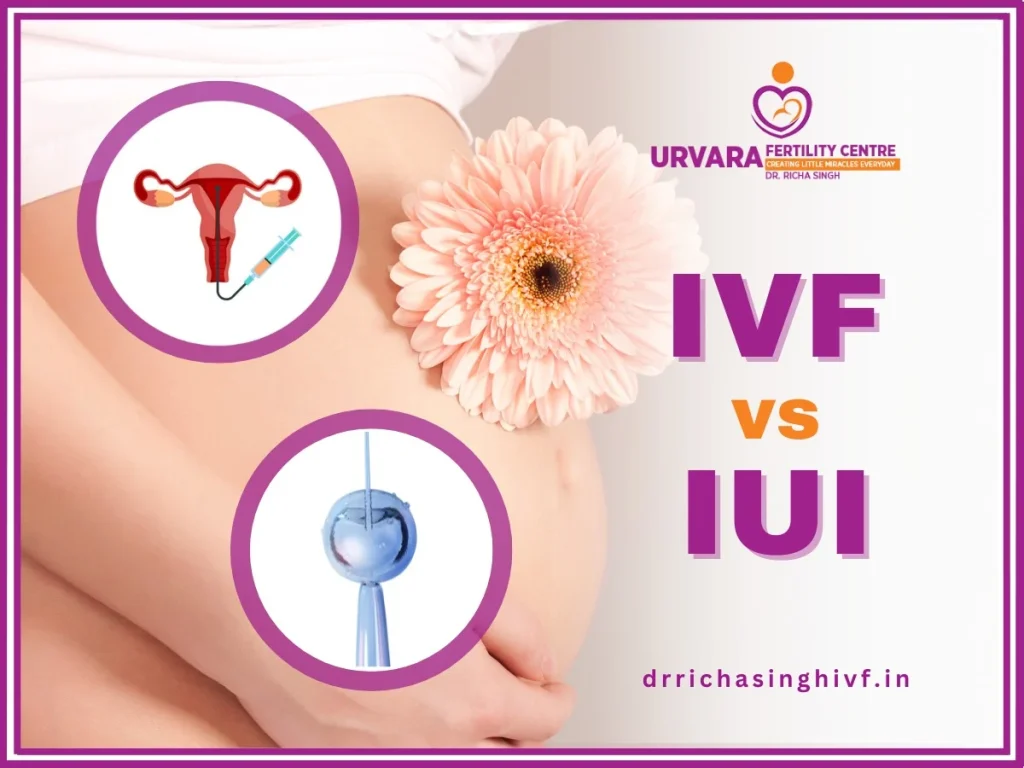
    IVF vs IUI comparison with illustrations of reproductive processes and a flower on a pregnant belly.

    Fertility Foods: A Look at the Key Nutrients for Boosting Fertility

    Vitamin D is crucial for overall health, including fertility. It helps with hormone regulation, improves egg quality, and supports a healthy pregnancy. Foods rich in vitamin D include fatty fish, egg yolks, fortified milk, and mushrooms. It is recommended to consume at least 600-800 international units (IU) of vitamin D daily for women trying to conceive.

    5. Iron

    Iron is essential for fertility because it helps with the production of healthy eggs and sperm and supports a healthy pregnancy. Iron deficiency has been linked to irregular menstrual cycles and anovulation (lack of ovulation). Good sources of iron include red meat, leafy greens, lentils, and fortified cereals. It is recommended to consume at least 18 milligrams of iron daily for women trying to conceive.

    6. Antioxidants

    Antioxidants are crucial for protecting reproductive cells from damage and improving overall reproductive health. They also play a role in improving sperm quality and reducing the risk of miscarriage. Foods rich in antioxidants include fruits and vegetables, especially berries, dark leafy greens, and citrus fruits.

    7. Water

    Staying hydrated is essential for reproductive health, as it helps with the production of cervical mucus, which is important for sperm survival and transport. It also helps with the production of healthy eggs and supports a healthy pregnancy. It is recommended to drink at least 8-10 glasses of water daily for women trying to conceive.

    In addition to these key nutrients, it is also important to maintain a healthy weight and exercise regularly as these factors can also impact fertility. It is also recommended to limit or avoid alcohol, caffeine, and processed foods, which can have negative effects on fertility.

    In conclusion, while there is no magic food that can guarantee fertility, incorporating these key nutrients into your diet can help improve overall reproductive health and increase the chances of conceiving. It is always best to consult with a healthcare professional for personalized nutritional recommendations and to address any underlying health issues that may be affecting fertility.

  • Essential Nutrients for Boosting Fertility Without Injections

    Blog Post: Essential Nutrients for Boosting Fertility Without Injections

    When it comes to trying to conceive, many women turn to expensive and invasive fertility treatments such as injections. However, these treatments can be both financially and emotionally draining, and some women may prefer to explore natural alternatives before resorting to medical intervention. In this blog post, we will discuss the essential nutrients that can boost fertility without the need for injections, providing a natural and holistic approach to increasing the chances of conceiving.

    1. Folic Acid: Folic acid, also known as folate, is an essential B vitamin that is crucial for a healthy pregnancy. It plays a vital role in the development of the baby’s neural tube, which eventually becomes the brain and spinal cord. It is recommended that women trying to conceive take a daily supplement of 400-800 micrograms of folic acid to reduce the risk of birth defects. Foods rich in folic acid include leafy green vegetables, legumes, and fortified cereals.

    2. Iron: Iron is another essential nutrient for boosting fertility. It helps with the production of healthy red blood cells, which are necessary for carrying oxygen to the reproductive organs. Iron deficiency can lead to anemia, which can cause irregular ovulation and interfere with the menstrual cycle. To increase iron intake, women can incorporate foods such as lean red meat, poultry, fish, and leafy green vegetables into their diet. It is also recommended to pair iron-rich foods with vitamin C, which helps with iron absorption.

    3. Vitamin D: Vitamin D is essential for overall health, and it is also crucial for fertility. Studies have shown that women with low levels of vitamin D may have a harder time getting pregnant. This nutrient helps with the production of estrogen and progesterone, the hormones necessary for ovulation and a healthy menstrual cycle. Sun exposure is the best way to get vitamin D, but it can also be found in fatty fish, egg yolks, and fortified dairy products. If needed, a vitamin D supplement can also be taken.

    4. Omega-3 Fatty Acids: Omega-3 fatty acids are essential for reproductive health and can help regulate hormones and improve ovulation. They are also vital for the development of the baby’s brain and eyes. Sources of omega-3s include fatty fish like salmon and sardines, flaxseeds, chia seeds, and walnuts. Women can also consider taking a fish oil supplement to ensure they are getting enough of this important nutrient.

    5. Zinc: Zinc is crucial for both male and female fertility. In men, zinc is necessary for the production of healthy sperm, while in women, it helps with ovulation and the development of the egg. Zinc can be found in foods such as oysters, beef, poultry, and beans. It is also recommended to take a zinc supplement if there is a deficiency.

    Cost breakdown for IUI components, including requirements, impacts, and alternatives.

    Essential Nutrients for Boosting Fertility Without Injections

    6. Vitamin C: Vitamin C is a powerful antioxidant that helps protect the body from harmful free radicals. It also plays a role in fertility by aiding in the production of healthy sperm and regulating the menstrual cycle. Foods rich in vitamin C include citrus fruits, berries, bell peppers, and tomatoes.

    7. B Vitamins: B vitamins, such as B6 and B12, are essential for fertility as they help regulate hormone levels and support a healthy pregnancy. B6 is particularly important for balancing estrogen and progesterone levels, while B12 is necessary for the development of the baby’s nervous system. Foods high in B vitamins include whole grains, leafy green vegetables, and lean meats. A B vitamin supplement can also be taken if needed.

    8. Coenzyme Q10 (CoQ10): CoQ10 is a powerful antioxidant that helps protect the eggs from free radical damage and supports healthy egg quality. It also plays a role in energy production, which is crucial for the development of a healthy embryo. CoQ10 can be found in foods such as fish, meat, and whole grains, but a supplement may also be necessary to reach adequate levels.

    9. L-arginine: L-arginine is an amino acid that helps improve blood flow to the reproductive organs, which can aid in ovulation and support a healthy pregnancy. It is also necessary for the production of healthy sperm. L-arginine can be found in foods like poultry, dairy, and nuts, but a supplement may also be taken to increase levels.

    10. Maca Root: Maca root is a plant-based supplement that has been used for centuries to improve fertility and libido. It is believed to help balance hormones and increase blood flow to the reproductive organs. Maca root can be taken in powder or capsule form and is considered safe for most women trying to conceive.

    In conclusion, while injections may seem like the only option for boosting fertility, there are many essential nutrients that can help improve reproductive health naturally. By incorporating these nutrients into your diet or taking supplements if needed, you can increase your chances of conceiving without the need for invasive treatments. Remember to always consult with your healthcare provider before making any significant changes to your diet or starting any new supplements.

    Summary: Boosting fertility without injections is possible by incorporating essential nutrients into your diet or taking supplements. These include folic acid, iron, vitamin D, omega-3 fatty acids, zinc, vitamin C, B vitamins, CoQ10, L-arginine, and maca root. These nutrients help regulate hormones, support healthy ovulation and pregnancy, and protect the reproductive organs from free radical damage. Always consult with a healthcare provider before making any significant changes to your diet or taking supplements.