The Emotional Toll: Intrauterine Insemination vs Donor Insemination
Deciding to start a family is a major decision, and for some couples, it may not come easily. When facing fertility struggles, there are various options available, including intrauterine insemination (IUI) and donor insemination (DI). While both procedures involve the use of sperm, there are significant differences between the two, especially when it comes to the emotional toll on the couple. In this blog post, we will delve into the emotional aspects of IUI and DI, and how each option may affect couples on their journey to parenthood.
Understanding Intrauterine Insemination (IUI)
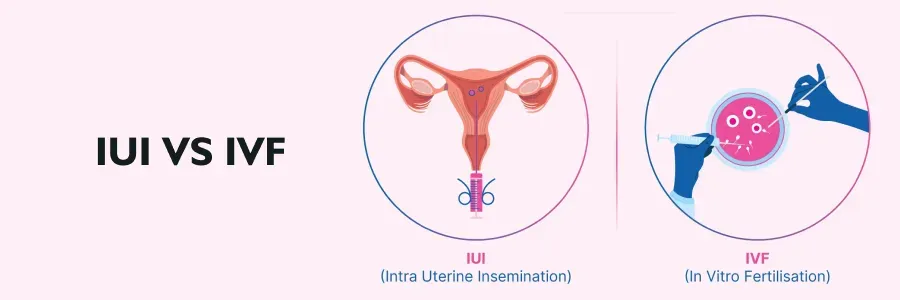
Intrauterine insemination, also known as artificial insemination, is a fertility treatment that involves placing sperm directly into the uterus during ovulation. This procedure is often used in cases where the male partner has low sperm count or poor sperm motility. In IUI, the sperm is washed and prepared before being inserted into the uterus, increasing the chances of fertilization.
The Emotional Rollercoaster of IUI
For couples undergoing IUI, the emotional toll can be significant. The process of preparing for IUI can be physically and emotionally draining, with frequent doctor appointments, hormone injections, and monitoring of ovulation. The wait between the insemination and finding out if it was successful can also be overwhelming, causing anxiety and stress for the couple. If the procedure is unsuccessful, it can lead to feelings of disappointment, frustration, and even guilt.
Despite the emotional challenges, many couples find hope in IUI as it is a less invasive and more affordable option compared to other fertility treatments. The procedure also allows the couple to use the male partner’s sperm, which can provide a sense of connection and involvement in the process.
Understanding Donor Insemination (DI)
Donor insemination, on the other hand, involves using donor sperm from a sperm bank or known donor to fertilize the female partner’s eggs. This option is commonly used for same-sex couples, single women, or couples with male factor infertility. DI can also be used when the male partner has a genetic condition that could be passed on to the child.
The Emotional Toll: Intrauterine Insemination vs Donor Insemination
The Emotional Impact of Donor Insemination
For couples considering donor insemination, the emotional impact can be even more challenging. The use of donor sperm means that the male partner will not be biologically related to the child, which can be a difficult concept for some couples to come to terms with. It can also bring up feelings of inadequacy, jealousy, and insecurity, especially for the male partner.
The process of choosing a donor can also be emotionally taxing, as the couple has to consider various factors such as physical characteristics, medical history, and personality traits. This can lead to disagreements and conflicts, adding more strain to an already stressful situation.
Coping with the Emotional Toll of Fertility Treatments
No matter which option a couple chooses, the emotional toll of fertility treatments can be overwhelming. It is essential to have open and honest communication with your partner throughout the process. Seeking support from a therapist or support group can also be beneficial.
It is also crucial to take care of your mental and emotional well-being during this time. Engage in activities that bring you joy, practice self-care, and lean on your support system for help and understanding.
In summary, both intrauterine insemination and donor insemination come with their unique emotional challenges. While IUI may provide a sense of hope and connection for the couple, DI can bring up feelings of insecurity and inadequacy. It is crucial for couples to understand and address these emotions to navigate their fertility journey successfully.
In the end, it is essential to remember that no matter the path you choose, the ultimate goal is to start or expand your family. With love, patience, and support, you and your partner can overcome the emotional toll of fertility treatments and achieve your dream of parenthood.