Blog Post:
Fertility is a complex and often sensitive topic for many couples. The struggle to conceive can be a source of stress, frustration, and disappointment. While there can be various factors that affect fertility, one aspect that is often overlooked is nutrition and inflammation.
The Link between Fertility, Nutrition, and Inflammation:
Nutrition plays a crucial role in overall health and wellness, including fertility. The food we consume provides our bodies with essential nutrients, vitamins, and minerals that are necessary for proper functioning. However, a poor diet can lead to inflammation in the body, which can have a significant impact on fertility.
Inflammation is a natural response of the body to infection or injury. In small doses, it is essential for the body’s healing process. However, chronic inflammation can be harmful and can lead to various health issues, including fertility problems. When the body is in a state of chronic inflammation, it produces high levels of inflammatory markers such as C-reactive protein (CRP) and interleukin-6 (IL-6), which can interfere with the reproductive system’s functioning.
Inflammation can affect fertility in several ways. First, it can disrupt the hormonal balance in the body, leading to irregular menstrual cycles and ovulation. Inflammation can also affect the quality and quantity of eggs and sperm, making it difficult to conceive. It can also cause damage to the reproductive organs, such as the uterus and fallopian tubes, making it challenging for fertilization and implantation to occur.
How to Reduce Inflammation for Improved Fertility:
While inflammation can be a barrier to conception, the good news is that it can be managed and reduced through proper nutrition. Making dietary changes and incorporating anti-inflammatory foods can help reduce inflammation and improve fertility. Here are some ways to reduce inflammation for improved fertility:
1. Choose Whole Foods:
A diet rich in whole, unprocessed foods is essential for reducing inflammation. Whole foods, such as fruits, vegetables, whole grains, and lean proteins, are packed with essential nutrients and antioxidants that can help fight inflammation. Avoid processed and packaged foods that are high in sugar, unhealthy fats, and preservatives, as these can trigger inflammation in the body.
2. Increase Omega-3 Fatty Acids Intake:
Omega-3 fatty acids are a type of healthy fat that has anti-inflammatory properties. These healthy fats can be found in fatty fish, such as salmon, sardines, and mackerel, as well as in plant-based sources like flaxseeds, chia seeds, and walnuts. Including these foods in your diet can help reduce inflammation and improve fertility.
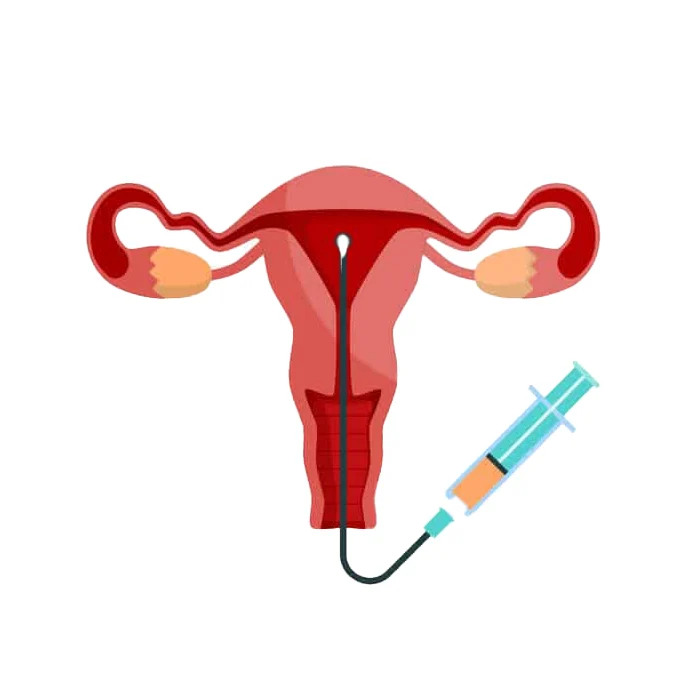
Fertility Nutrition and Inflammation: The Link and How to Reduce It for Conception
3. Consume Antioxidant-Rich Foods:
Antioxidants are compounds that help protect the body from cell damage caused by inflammation. Foods rich in antioxidants, such as berries, leafy greens, and nuts, can help reduce inflammation and improve overall health. Including a variety of colorful fruits and vegetables in your diet can provide your body with a wide range of antioxidants.
4. Limit or Avoid Inflammatory Foods:
Certain foods can trigger inflammation in the body and should be limited or avoided altogether. These include refined sugars, unhealthy fats, processed meats, and alcohol. These foods can increase the production of inflammatory markers in the body, making it difficult to manage inflammation.
5. Consider Supplements:
In addition to a healthy diet, certain supplements can also help reduce inflammation and improve fertility. Omega-3 fatty acid supplements, turmeric, and ginger are known for their anti-inflammatory properties and can be beneficial for those struggling with fertility issues.
6. Manage Stress:
Stress is another factor that can contribute to inflammation in the body. High levels of stress can disrupt the body’s hormonal balance and increase the production of inflammatory markers. Finding ways to manage stress, such as practicing relaxation techniques, meditation, and exercise, can help reduce inflammation and improve fertility.
7. Consult with a Registered Dietitian:
Consulting with a registered dietitian who specializes in fertility nutrition can be beneficial for couples trying to conceive. They can assess your current dietary habits and provide personalized recommendations to help reduce inflammation and improve fertility.
In conclusion, nutrition and inflammation are closely linked, and addressing inflammation through dietary changes can improve fertility. By incorporating anti-inflammatory foods, avoiding inflammatory foods, managing stress, and seeking guidance from a registered dietitian, couples can increase their chances of conception and have a healthier pregnancy.
Summary:
Fertility is affected by various factors, including nutrition and inflammation. Chronic inflammation in the body can disrupt the reproductive system’s functioning, making it difficult to conceive. However, making dietary changes and incorporating anti-inflammatory foods can help reduce inflammation and improve fertility. Choosing whole foods, increasing omega-3 fatty acids intake, consuming antioxidant-rich foods, and limiting inflammatory foods are some ways to manage inflammation. Managing stress and seeking guidance from a registered dietitian can also be beneficial for couples struggling with fertility issues.