Blog Post Title: DIY Insemination in the LGBTQ+ Community: A Guide to Family Planning
As society becomes more accepting and inclusive of the LGBTQ+ community, the desire to start a family has also grown among same-sex couples and individuals. However, the traditional methods of conception may not be an option for everyone in this community. This is where DIY insemination comes in – a safe, affordable, and empowering way for LGBTQ+ individuals and couples to start a family. In this blog post, we will delve into the basics of DIY insemination and how it has become a popular choice for family planning in the LGBTQ+ community.
What is DIY Insemination?
DIY insemination, also known as at-home insemination, is the process of inserting sperm into the vagina or cervix without the assistance of a medical professional. This method is commonly used by same-sex couples and single individuals who wish to conceive without traditional sexual intercourse. It involves purchasing sperm from a sperm bank or using a known donor, and using an insemination kit to insert the sperm into the body.
Why Choose DIY Insemination?
There are several reasons why DIY insemination has become a popular choice for family planning in the LGBTQ+ community. Firstly, it is a more affordable option compared to other assisted reproductive techniques such as intrauterine insemination (IUI) or in vitro fertilization (IVF). These procedures can cost thousands of dollars, making them inaccessible for many in the LGBTQ+ community. DIY insemination, on the other hand, can cost as little as $50 for a single attempt.
Another reason for choosing DIY insemination is the level of control and privacy it provides. Many LGBTQ+ individuals and couples feel more comfortable and in control of the process when they can perform it in the comfort of their own home. It also allows for a more intimate and personal experience between partners.
Steps for DIY Insemination
While the process of DIY insemination may seem daunting at first, it is relatively simple and can easily be done at home. Here are the basic steps for DIY insemination:
1. Choose a Sperm Donor: The first step is to decide on a sperm donor. This can be done through a sperm bank or by using a known donor. When using a sperm bank, you can select from a pool of donors based on their physical characteristics, medical history, and other personal preferences. If using a known donor, it is important to discuss and agree upon important factors such as legal rights and responsibilities.
2. Purchase an Insemination Kit: Insemination kits can be purchased online or from a fertility clinic. These kits usually include a syringe, a speculum, a cup for the sperm, and a sanitary wipe. Make sure to follow the instructions carefully and use a sterile kit for safety.
DIY Insemination in the LGBTQ+ Community
3. Track Ovulation: It is crucial to track ovulation to increase the chances of conception. This can be done through various methods such as using an ovulation predictor kit, tracking basal body temperature, or monitoring cervical mucus. DIY insemination should be done as close to ovulation as possible for the best chance of success.
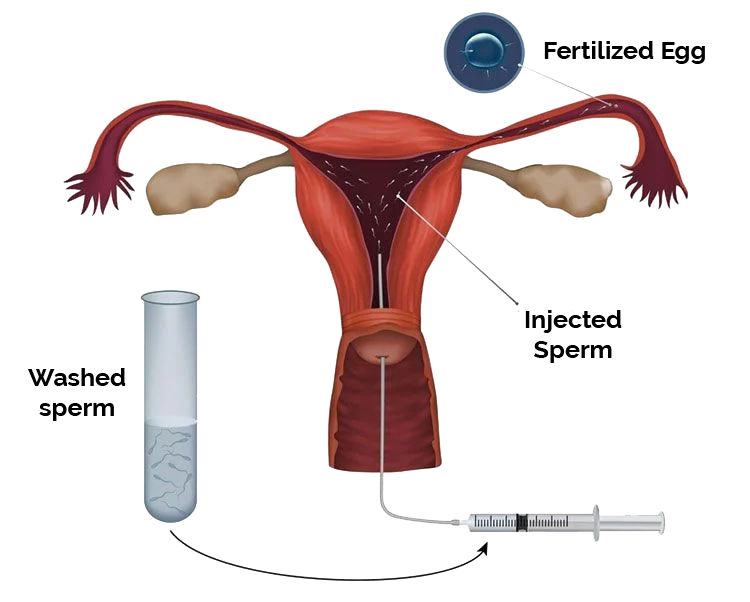
4. Prepare for Insemination: Before the insemination, make sure to wash your hands and sterilize the equipment. The person receiving the sperm should lie on their back with their hips slightly elevated. The sperm should be inserted into the vagina or cervix using the syringe.
5. Rest After Insemination: After the insemination, it is important to rest for at least 15 minutes with your hips elevated. This will help the sperm to travel towards the cervix and increase the chances of conception.
Success Rates and Challenges
The success rates of DIY insemination vary depending on a variety of factors such as age, fertility, and timing. According to a study published in the Journal of Obstetrics and Gynaecology Canada, the success rate for DIY insemination using frozen sperm is around 10-15% per cycle. The success rate can increase by using fresh sperm from a known donor.
One of the main challenges with DIY insemination is the lack of medical supervision. This method does not involve any testing or monitoring of fertility, which can make it difficult to determine the cause of any potential fertility issues. It is important to consult with a healthcare professional before attempting DIY insemination to ensure that there are no underlying fertility issues.
Inclusive Language in Family Planning
When discussing family planning in the LGBTQ+ community, it is important to use inclusive language. Many fertility clinics and healthcare providers have been criticized for using language that is heteronormative and excludes the LGBTQ+ community. This can make it difficult for individuals and couples in the community to feel comfortable and supported when seeking reproductive assistance. Using inclusive language and creating a welcoming environment is crucial for LGBTQ+ individuals and couples to feel seen, heard, and respected.
In conclusion, DIY insemination is a safe, affordable, and empowering option for family planning in the LGBTQ+ community. With proper research, preparation, and tracking of ovulation, it can be an effective method for achieving pregnancy. However, it is important to consult with a healthcare professional and use inclusive language when discussing family planning in the LGBTQ+ community.
Summary:
DIY insemination, also known as at-home insemination, is a popular choice for family planning in the LGBTQ+ community. This method involves purchasing sperm from a sperm bank or using a known donor, and using an insemination kit to insert the sperm into the body. It is a more affordable and private option compared to other assisted reproductive techniques. The process involves choosing a sperm donor, purchasing an insemination kit, tracking ovulation, preparing for insemination, and resting after insemination. Success rates can vary, and one of the main challenges is the lack of medical supervision. It is important to use inclusive language when discussing family planning in the LGBTQ+ community.