Tag: in vitro maturation

  • The Impact of Technology on Fertility Clinics and Hospitals

    Technology has revolutionized the way we approach fertility treatments, making it possible for many people to fulfill their dreams of starting a family. Fertility clinics and hospitals have embraced the latest advancements in technology to improve success rates and provide more personalized and efficient care to patients. In this blog post, we will explore the impact of technology on fertility clinics and hospitals, including the benefits, challenges, and future possibilities.

    The Evolution of Technology in Fertility Treatments

    Fertility treatments have come a long way since the first successful in vitro fertilization (IVF) procedure in 1978. Back then, the process was lengthy, expensive, and had a low success rate. However, with advancements in technology, IVF success rates have significantly improved, and the procedure has become more accessible and affordable.

    One of the biggest technological advancements in fertility treatments is the development of preimplantation genetic testing (PGT). PGT allows for the screening of embryos for genetic disorders and chromosomal abnormalities before they are implanted in the uterus. This has not only increased the chances of a successful pregnancy but has also reduced the risk of passing on genetic diseases to the child.

    Another significant development is the use of time-lapse imaging in IVF. This technology allows for the continuous monitoring of embryos, providing valuable information about their development and helping doctors select the healthiest embryos for implantation. This has led to higher success rates and reduced the number of multiple births, which can be risky for both the mother and babies.

    Technology has also improved the process of egg retrieval. In the past, this procedure was done manually, which could be time-consuming and uncomfortable for the patient. Now, advanced tools such as transvaginal ultrasound and ultrasound-guided needle aspiration have made the process quicker and less invasive.

    Benefits of Technology in Fertility Clinics and Hospitals

    The use of technology in fertility clinics and hospitals has brought numerous benefits, including:

    1. Improved success rates: As mentioned earlier, technology has significantly improved the success rates of fertility treatments. This has given hope to many individuals and couples struggling with infertility.

    2. Personalized treatment: With the use of advanced tools and techniques, doctors can now tailor treatment plans to meet the specific needs of each patient. This has resulted in more successful outcomes and reduced the risk of complications.

    3. Enhanced patient experience: Technology has made fertility treatments less invasive, less painful, and more comfortable for patients. This has reduced the stress and anxiety associated with these procedures, making them more bearable for patients.

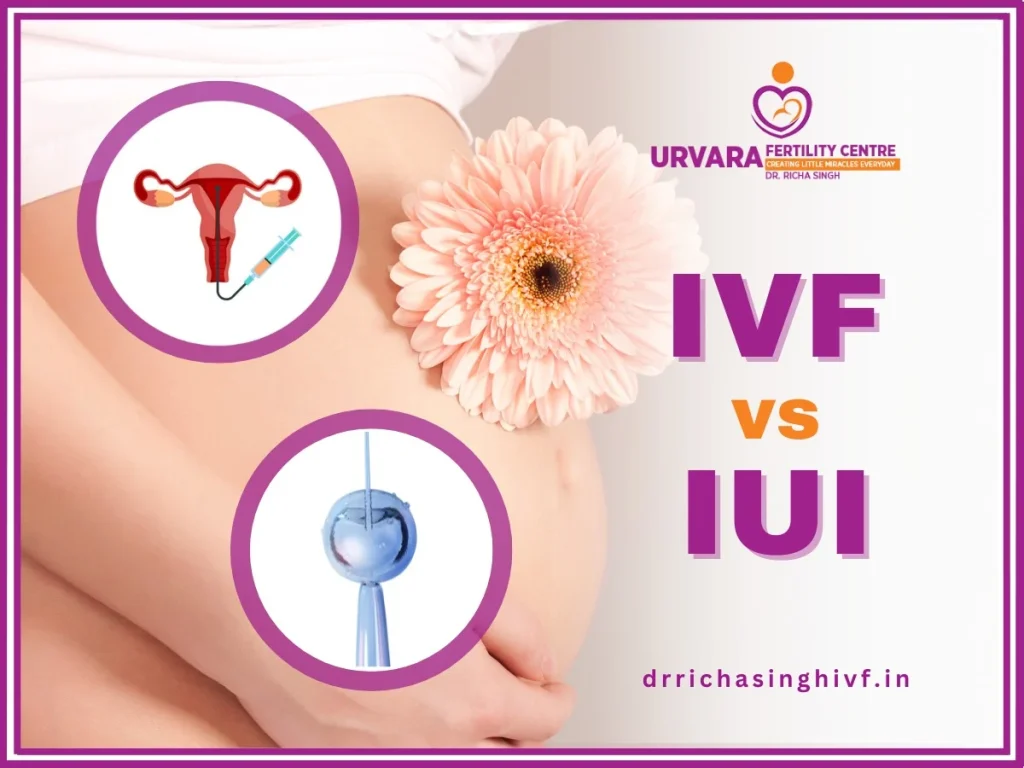
    comparison of IUI and IVF procedures illustrated with simple graphics and labels

    The Impact of Technology on Fertility Clinics and Hospitals

    4. Increased efficiency: The use of technology has streamlined processes and made them more efficient. This has reduced waiting times for patients and improved the overall experience at fertility clinics and hospitals.

    Challenges of Incorporating Technology in Fertility Treatments

    While technology has brought many benefits to fertility treatments, it has also presented some challenges, including:

    1. High costs: Advanced technology comes at a hefty price, making it inaccessible to many patients. This has created a divide between those who can afford the latest treatments and those who cannot.

    2. Ethical concerns: The use of technology in fertility treatments has raised ethical concerns, particularly with the use of PGT and other techniques that involve the manipulation of embryos.

    3. Lack of regulations: With new technologies emerging constantly, there is a lack of regulations and standardization in the field of fertility treatments. This can lead to inconsistencies in treatment and potential risks for patients.

    The Future of Technology in Fertility Clinics and Hospitals

    The future possibilities of technology in fertility clinics and hospitals are exciting and hold a lot of promise. Some of the advancements that we can expect to see in the near future include:

    1. Artificial intelligence (AI): AI has the potential to revolutionize fertility treatments by analyzing large amounts of data and identifying patterns that can improve success rates and predict outcomes.

    2. In vitro maturation (IVM): This is a technique that involves retrieving immature eggs and maturing them in a lab before fertilization. This could eliminate the need for hormone injections and reduce the risks and side effects associated with IVF.

    3. Cryopreservation: The technology for freezing and storing eggs and embryos has significantly improved in recent years, making it possible for women to preserve their fertility for future use.

    In summary, technology has had a profound impact on fertility clinics and hospitals, making it possible for many people to achieve their dream of having a child. The advancements in technology have improved success rates, personalized treatment, and enhanced the patient experience. However, it has also presented some challenges and ethical concerns that need to be addressed. With the constant evolution of technology, the future of fertility treatments looks promising, and we can expect to see more advancements that will further improve success rates and patient outcomes.
  • The Role of Technology in Egg Donation and Egg Freezing

    The Role of Technology in Egg Donation and Egg Freezing

    Technology has played a significant role in shaping the field of reproductive medicine, particularly in the areas of egg donation and egg freezing. These advancements have made it possible for more individuals and couples to achieve their dream of starting a family. In this blog post, we will explore the various ways in which technology has impacted and continues to impact the processes of egg donation and egg freezing.

    Egg Donation

    Egg donation is a process where a woman donates her eggs to be used by another individual or couple who are unable to conceive using their own eggs. This process has been made possible and more efficient through the use of technology.

    One of the major technological advancements in egg donation is the use of electronic medical records (EMRs). EMRs have revolutionized the way medical information is stored and shared, making it easier for egg donors and recipients to access their medical records from anywhere in the world. This has significantly reduced the time and effort involved in coordinating the process between donors, recipients, and medical professionals.

    Another technological advancement that has greatly improved the egg donation process is the use of advanced imaging techniques. Ultrasound and 3D imaging have made it possible for doctors to accurately monitor the growth and development of eggs in the donor’s ovaries. This allows for precise timing for the retrieval of the eggs, increasing the chances of a successful fertilization.

    In recent years, the use of virtual consultations and telemedicine has also become a game-changer in the field of egg donation. These technologies allow donors and recipients to communicate with their doctors and medical professionals remotely, reducing the need for in-person appointments and saving time and resources.

    Egg Freezing

    Egg freezing, also known as oocyte cryopreservation, is the process of extracting and freezing a woman’s eggs for future use. This technology has opened up new possibilities for women who want to delay starting a family for various reasons, such as career advancement or medical reasons.

    One of the most significant technological advancements in egg freezing is the development of vitrification, a fast-freezing technique that prevents the formation of ice crystals, thus preserving the quality of the eggs. This method has significantly improved the success rates of egg freezing and has made it possible for women to preserve their fertility for longer periods.

    IVF vs IUI comparison with illustrations of reproductive processes and a flower on a pregnant belly.

    The Role of Technology in Egg Donation and Egg Freezing

    The use of robotic technology has also made the egg freezing process more efficient and less invasive. With the help of robots, doctors can precisely and safely retrieve the eggs from the ovaries, reducing the risk of complications and increasing the chances of success.

    The Role of Artificial Intelligence (AI)

    Artificial Intelligence (AI) has also started to play a significant role in the field of egg donation and egg freezing. AI algorithms can be used to analyze and predict the success rates of egg freezing, taking into account various factors such as the woman’s age, hormone levels, and the quality of the eggs. This information can help doctors and patients make informed decisions about whether egg freezing is a viable option for them.

    AI is also being used to improve the selection process for egg donors. With the help of facial recognition software and genetic testing, AI algorithms can match donors with recipients who share similar physical and genetic traits, increasing the chances of a successful match.

    The Future of Technology in Egg Donation and Egg Freezing

    As technology continues to advance, there is no doubt that it will play an even more significant role in the field of reproductive medicine. Some emerging technologies, such as in vitro maturation (IVM) and mitochondrial replacement therapy, have the potential to further improve the processes of egg donation and egg freezing.

    IVM is a process that involves maturing eggs in a laboratory instead of inside the woman’s body. This method could eliminate the need for hormone injections and reduce the risk of ovarian hyperstimulation syndrome (OHSS), making the egg donation and egg freezing process safer and more accessible.

    Mitochondrial replacement therapy involves replacing the faulty mitochondria in a woman’s eggs with healthy ones from a donor. This technology could help women with certain genetic conditions to have healthy biological children, reducing the risk of passing on genetic disorders.

    In conclusion, technology has been a game-changer in the field of egg donation and egg freezing. From electronic medical records to vitrification and AI, these advancements have made these processes more efficient, accessible, and successful. As technology continues to advance, we can only expect more breakthroughs that will further improve the outcomes of egg donation and egg freezing and help more people achieve their dream of starting a family.

    Summary:

    Technology has played a significant role in shaping the field of reproductive medicine, particularly in the areas of egg donation and egg freezing. Advancements such as electronic medical records, advanced imaging techniques, vitrification, robotic technology, and artificial intelligence have made these processes more efficient, accessible, and successful. Emerging technologies like in vitro maturation and mitochondrial replacement therapy have the potential to further improve the outcomes of egg donation and egg freezing in the future.