Medical Fertility Testing: Exploring the Different Types Available
Fertility is a crucial aspect of human life that allows individuals to conceive and have children. However, not everyone is fortunate enough to have good fertility health. For some, it may take longer to get pregnant, while for others, it may be a struggle to conceive at all. This is where medical fertility testing comes into play. It is a way to assess an individual’s fertility health and determine any underlying issues that may be affecting their chances of conceiving. In this blog post, we will explore the different types of medical fertility testing available and how they can help individuals understand their fertility health better.
1. Hormone Testing
Hormone testing is one of the most common types of fertility testing. It involves checking the levels of various hormones in the body, such as follicle-stimulating hormone (FSH), luteinizing hormone (LH), estrogen, and progesterone. These hormones play a significant role in the menstrual cycle and ovulation, and any imbalances can affect fertility. Hormone testing can be done through blood tests, saliva tests, or urine tests, and it can help identify issues such as polycystic ovary syndrome (PCOS), thyroid disorders, or menopause.
2. Ovulation Testing
Ovulation testing is another essential type of fertility testing, especially for women. It involves tracking and monitoring a woman’s ovulation cycle to determine the best time for conception. Ovulation can be tracked through various methods, including monitoring basal body temperature, tracking cervical mucus changes, or using ovulation predictor kits. These tests can help determine whether a woman is ovulating regularly and if there are any issues affecting ovulation.
3. Semen Analysis
Semen analysis is a fertility test that is primarily used for men. It involves examining a semen sample to assess the quantity, quality, and movement of sperm. Low sperm count, abnormal sperm shape, and poor sperm motility can all affect fertility. A semen analysis can also detect any underlying issues such as infections or hormonal imbalances that may be affecting sperm production.
4. Hysterosalpingography (HSG)
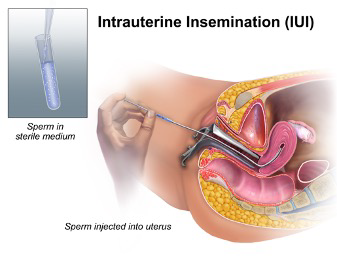
Medical Fertility Testing: Exploring the Different Types Available
Hysterosalpingography (HSG) is a fertility test that involves injecting a dye into the cervix and taking an X-ray of the uterus and fallopian tubes. This test helps determine if there are any blockages or abnormalities in the reproductive organs that may be hindering conception. If there are any blockages, they can be cleared through a minimally invasive procedure, increasing the chances of pregnancy.
5. Pelvic Ultrasound
A pelvic ultrasound is a non-invasive test that uses sound waves to create images of the reproductive organs. It can help detect any structural abnormalities such as fibroids, cysts, or polyps that may be affecting fertility. It can also be used to monitor follicle growth during ovulation and can help diagnose conditions such as endometriosis or uterine abnormalities.
6. Genetic Testing
Genetic testing is a more advanced type of fertility testing that can help identify any genetic conditions that may affect fertility. It involves taking a blood or saliva sample and testing it for any genetic mutations or abnormalities that may lead to infertility or recurrent miscarriages. Genetic testing can also be done for couples to identify any potential genetic issues that may affect their future children.
7. Immunological Testing
Immunological testing is a type of fertility testing that involves checking the blood for any autoimmune conditions that may affect fertility. Some autoimmune disorders, such as antiphospholipid syndrome, can cause recurrent miscarriages or affect the success of fertility treatments. Immunological testing can help identify these conditions and develop a treatment plan to improve fertility.
In conclusion, there are various types of medical fertility testing available to help individuals understand their fertility health better. These tests can be done individually or in combination to provide a comprehensive assessment of one’s fertility. If you are trying to conceive and facing challenges, it is essential to consult with a healthcare professional and undergo the necessary fertility testing to identify any underlying issues and develop a treatment plan.
Summary:
Medical fertility testing is a crucial way to assess an individual’s fertility health and determine any underlying issues that may be affecting their chances of conceiving. There are several types of fertility testing available, including hormone testing, ovulation testing, semen analysis, HSG, pelvic ultrasound, genetic testing, and immunological testing. These tests can help identify issues such as hormonal imbalances, ovulation problems, sperm abnormalities, structural issues, genetic conditions, or autoimmune disorders that may be affecting fertility. By undergoing the necessary fertility testing, individuals can understand their fertility health better and develop a treatment plan to improve their chances of conceiving.