Tag: Identity

  • The Emotional Journey of a Sperm Donor in Medical Insemination

    Blog Post: The Emotional Journey of a Sperm Donor in Medical Insemination

    For many individuals and couples struggling with infertility, the use of donated sperm through medical insemination can be a life-changing option. And while the focus is often on the recipient and their journey towards parenthood, the process of sperm donation and the emotional journey of the donor is often overlooked. In this blog post, we will delve into the emotional journey of a sperm donor in medical insemination and explore the challenges, rewards, and impact of this selfless act.

    Understanding the Decision to Become a Sperm Donor

    The decision to become a sperm donor is not one that is made lightly. It requires a great deal of thought and consideration as it involves donating a part of oneself to help others create a family. Many sperm donors are motivated by the desire to help others and make a positive impact on someone’s life. However, this decision can also be driven by personal experiences, such as knowing someone who has struggled with infertility or having a family member who has been a sperm or egg donor.

    Navigating the Screening Process

    The screening process for becoming a sperm donor is extensive and can be emotionally challenging for many individuals. Donors are required to undergo a series of physical and psychological evaluations to ensure they are healthy and fit to donate. These evaluations can bring up feelings of vulnerability and anxiety, as donors must disclose personal information about their medical history and undergo physical exams.

    Additionally, donors must also undergo genetic testing to identify any potential hereditary diseases or conditions that could be passed on to any potential offspring. This can be a daunting process for some donors, as it may reveal information about their own health that they were previously unaware of. The emotional impact of these tests can be significant and may cause some donors to question their decision to donate.

    The Process of Donation

    Once a donor is deemed suitable to donate, they will begin the process of sperm collection. This can be done through a variety of methods, including masturbation into a cup, using a special condom during intercourse, or a surgical procedure to extract sperm directly from the testicles. While the physical process of donation may be straightforward, it can still evoke a range of emotions for the donor.

    For some donors, the act of donating sperm can be similar to the experience of giving blood or donating organs – a noble act to help others in need. However, for others, the process can be emotionally challenging as it involves giving a part of themselves without any guarantee of the outcome. Donors may also feel a sense of detachment from their sperm, as they are not involved in the conception or raising of any potential offspring.

    The Impact on Relationships and Identity
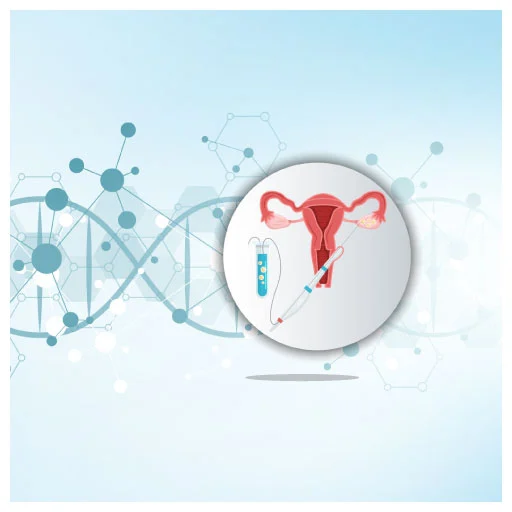
    Illustration of IUI procedure with uterus and syringe against a DNA background.

    The Emotional Journey of a Sperm Donor in Medical Insemination

    The decision to become a sperm donor can also have a significant impact on the donor’s relationships and personal identity. Donors may face judgment or questions from family and friends about their decision to donate. They may also experience feelings of guilt or shame for not being able to create a family in the traditional sense.

    Furthermore, donating sperm can also bring up questions about the donor’s own identity and sense of self. They may wonder about the potential offspring and their role in their lives. Donors may also grapple with the idea of having biological children in the world that they may never meet or have a relationship with.

    Coping with Emotional Challenges

    The emotional journey of a sperm donor in medical insemination can be challenging, but there are ways to cope with these feelings. First and foremost, it is essential for donors to have a strong support system, whether it be a partner, family, or friends who understand and support their decision to donate. Donors may also find comfort in connecting with other donors through support groups or online forums.

    It is also crucial for donors to have open and honest communication with the medical professionals involved in the process. This can help address any concerns or questions that donors may have and provide a better understanding of the entire process.

    The Rewards of Sperm Donation

    Despite the emotional challenges, there are also many rewards that come with being a sperm donor. The most significant reward is the knowledge that the donor has helped someone else achieve their dream of having a family. Many donors also find a sense of fulfillment and purpose in knowing that they have made a positive impact on someone’s life.

    Furthermore, some sperm donors may also have the opportunity to have a relationship with the recipient and their child. This can bring a sense of joy and fulfillment for donors, knowing that they have a biological connection to the child and can be a part of their life in some way.

    In Conclusion

    The emotional journey of a sperm donor in medical insemination can be complex and challenging. It involves navigating through various emotions, from initial considerations to the screening process, the act of donation, and the impact on relationships and identity. However, it is also a journey that can be incredibly rewarding and fulfilling for those who choose to embark on it. Sperm donors play a vital role in helping others achieve their dream of parenthood, and their selfless act deserves recognition and appreciation.

    Summary: The decision to become a sperm donor is a significant one that involves a thorough screening process and emotional challenges. The process of donation and its impact on relationships and identity can also be emotionally challenging for donors. Coping with these challenges and recognizing the rewards of sperm donation is crucial for donors on their emotional journey.
  • The Impact of Home Insemination and IVF on the Traditional Family Structure

    The Impact of Home Insemination and IVF on the Traditional Family Structure

    In recent years, there has been a significant shift in the way families are formed. With advancements in medical technology and a growing acceptance of non-traditional family structures, more and more couples are turning to home insemination and in vitro fertilization (IVF) as a means of starting or growing their families. While these methods can be a blessing for many, they have also brought about changes in the traditional family structure and have raised questions about the definition of family in modern society.

    Home insemination and IVF are two different methods of assisted reproduction that have become increasingly popular in recent years. Home insemination involves the insertion of sperm into the vagina or cervix of a woman in order to fertilize her egg. This can be done using a variety of methods, including a syringe or a specialized device called an insemination kit. IVF, on the other hand, involves the fertilization of eggs outside of the body, usually in a laboratory setting, and then the transfer of the resulting embryo into the uterus.

    One of the most significant impacts of home insemination and IVF on the traditional family structure is the breakdown of the traditional nuclear family. The traditional nuclear family, consisting of a heterosexual married couple and their biological children, has been the dominant family structure in many societies for centuries. However, with the rise of home insemination and IVF, families can now be formed and expanded in a variety of ways, including same-sex couples, single parents, and blended families.

    For same-sex couples, home insemination and IVF have provided a way for them to have biological children without the need for a sperm or egg donor. This has allowed these couples to have a more traditional family structure, with both partners being biologically related to their child. It has also challenged the notion that a child needs a mother and a father to have a stable and loving family environment.

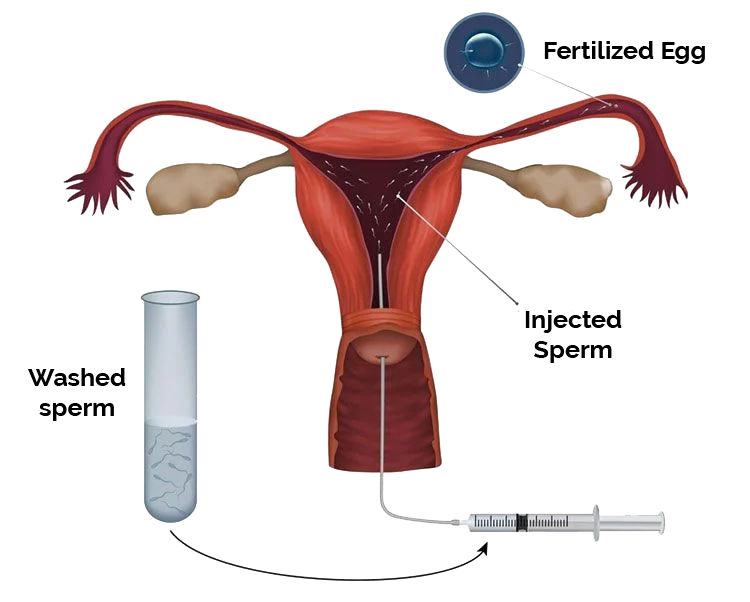
    Illustration of intrauterine insemination (IUI) procedure, showing sperm injection into the uterus.

    The Impact of Home Insemination and IVF on the Traditional Family Structure

    Single parents have also been able to benefit from home insemination and IVF. With these methods, they can have a biological child without the need for a partner. This has given single individuals the opportunity to become parents and create a family structure that may not have been possible before. It has also challenged the idea that a child needs two parents to have a happy and fulfilling childhood.

    Another impact of home insemination and IVF on the traditional family structure is the increasing acceptance of non-traditional family structures in society. As more and more families are formed through these methods, the traditional nuclear family is no longer seen as the only acceptable family structure. This has led to a more diverse and inclusive view of family, with individuals and couples being able to define their own family structure based on their personal choices and circumstances.

    However, while home insemination and IVF have brought about positive changes in the traditional family structure, they have also raised some concerns. One of the main concerns is the potential impact on children who are born through these methods. With traditional families, children typically have a clear understanding of who their biological parents are. However, with home insemination and IVF, this may not always be the case. In some cases, a child may have multiple biological parents, such as in the case of a sperm or egg donor, and this can lead to confusion or questions about their identity.

    There is also the issue of financial accessibility. Home insemination and IVF can be expensive, and not all couples or individuals may have the means to undergo these procedures. This can create a divide between those who can afford these methods and those who cannot, leading to further inequalities in society.

    In conclusion, the rise of home insemination and IVF has had a significant impact on the traditional family structure. These methods have allowed for a more diverse and inclusive view of family, challenging the traditional nuclear family as the only acceptable structure. While there are concerns and challenges that come with these advancements, they have also provided opportunities for individuals and couples to create families in ways that were not previously possible. As society continues to evolve and accept non-traditional family structures, it is important to consider the impact of these methods on individuals, families, and society as a whole.

  • The Impact of Donor Anonymity on Donor-Conceived Children in Sperm Banks vs Known Donors

    Donor-conceived children, or children who are conceived through sperm donation, have become increasingly common in modern society. Sperm banks provide a convenient and anonymous way for individuals and couples to have children, while known donors offer a more personal and involved approach. However, the decision to use a sperm bank or a known donor can have a significant impact on the children conceived through these methods. In this blog post, we will explore the impact of donor anonymity on donor-conceived children, comparing the experiences of children born through sperm banks and those with known donors.

    Sperm banks have been around since the early 20th century, but it wasn’t until the 1970s that they became popular and widely accessible. Today, sperm banks offer a wide range of donors to choose from, including physical characteristics, educational background, and medical history. However, the one factor that remains constant in sperm bank donations is the anonymity of the donors.

    One of the main arguments for donor anonymity is the protection of the donor’s privacy. Donors may not want to be involved in the child’s life or have any legal responsibilities towards them. This anonymity also allows donors to donate multiple times, increasing the chances of successful pregnancies. However, this anonymity also means that the child will never know who their biological father is, which can have a profound impact on their sense of identity.

    For donor-conceived children, not knowing their biological father can lead to feelings of confusion, anger, and a sense of loss. They may have questions about their genetic history, heritage, and medical background that cannot be answered. This lack of information can also affect their sense of self, as they may struggle to understand where they come from and who they are.

    On the other hand, known donors offer a different experience for donor-conceived children. Known donors are individuals who are known to the recipient, either through a personal connection or through a donor registry. Unlike sperm bank donors, known donors are involved in the child’s life, and the child knows who their biological father is. This can provide a sense of security and reassurance for the child, knowing that they have someone they can turn to for answers and support.

    Furthermore, known donors can also provide valuable information about their medical history, which can be crucial for the child’s health. They can also play an active role in the child’s life, whether it is through regular contact or occasional visits. This involvement can bring a sense of completeness and belonging to the child, as they have a connection to their biological father.

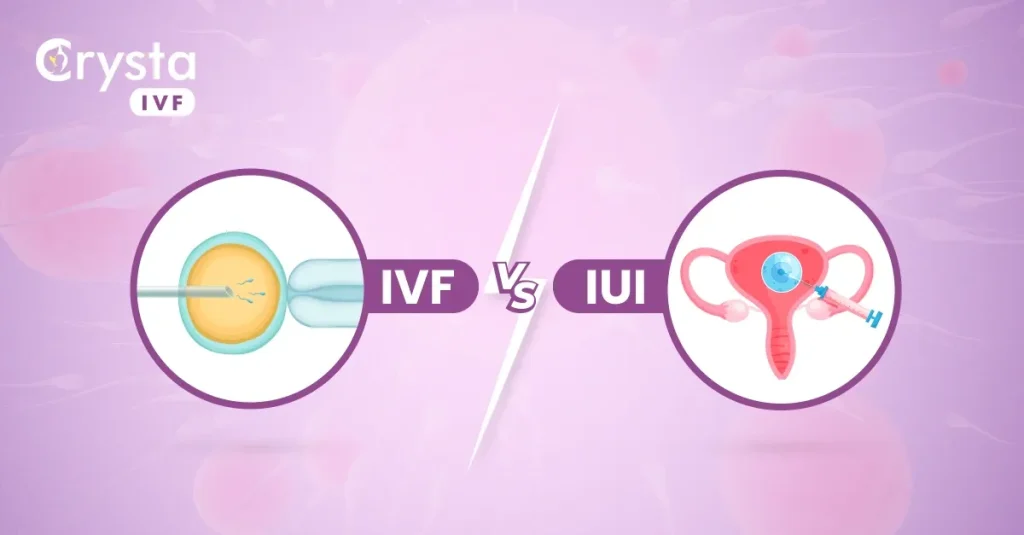
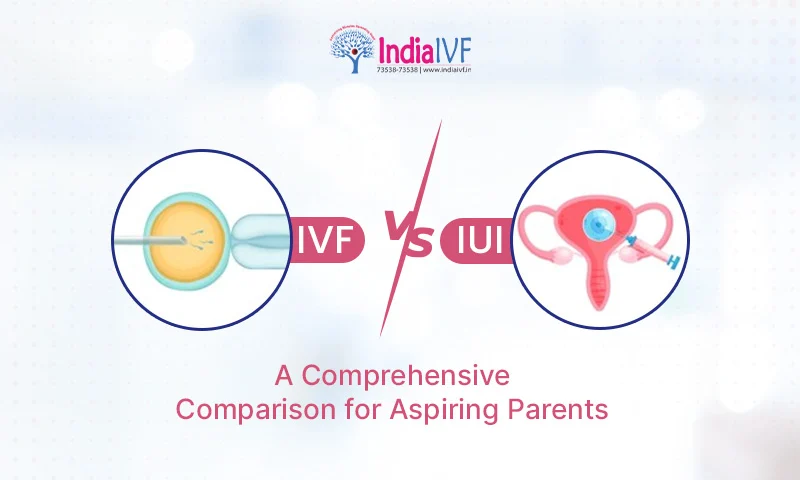
    IVF vs IUI comparison graphic highlighting reproductive methods for aspiring parents.

    The Impact of Donor Anonymity on Donor-Conceived Children in Sperm Banks vs Known Donors

    However, using a known donor also comes with its challenges. Unlike sperm banks, known donors do not have to undergo strict medical and psychological screenings. This can pose a risk to the child’s health, as there is a higher chance of genetic diseases or disorders being passed on. Additionally, the involvement of a known donor can also lead to complex family dynamics, especially if the donor has his own family.

    Another factor to consider is the legal aspect of using a sperm bank or known donor. In most countries, sperm bank donors have no legal rights or responsibilities towards the child. This can provide a sense of security for the recipient, knowing that the donor cannot suddenly claim parental rights. However, in some cases, donors have been able to successfully sue for parental rights, leading to complicated legal battles.

    On the other hand, known donors may have legal rights and responsibilities towards the child, depending on the laws of the country. This can create a complex situation, especially when the donor is not the intended parent of the child. It is essential for both parties to have a clear understanding of their legal rights and responsibilities before entering into a known donor arrangement.

    Moreover, the decision to use a sperm bank or a known donor can also have financial implications. Sperm banks can be costly, with the cost of one cycle of artificial insemination ranging from $500 to $1,000. However, the cost of using a known donor can vary greatly, depending on the agreement made between the parties. This can include medical expenses, travel costs, and even compensation for the donor’s time and effort.

    In conclusion, the impact of donor anonymity on donor-conceived children can be significant. While sperm banks offer a convenient and anonymous way to have children, it also means that the child will never know their biological father. On the other hand, known donors provide a more personal and involved approach, but it comes with its challenges and complexities. It is crucial for both the donor and recipient to carefully consider the long-term implications before making a decision that will ultimately affect the child’s life.

    In summary, the use of sperm banks and known donors can have a profound impact on donor-conceived children. While sperm banks offer anonymity and convenience, known donors provide a more personal and involved approach. The decision between the two can affect the child’s sense of identity, medical history, and legal rights. It is essential for both parties to carefully consider these factors before deciding on the best option for creating a family.

  • The Role of Openness: Surrogacy vs Adoption

    Blog Post Title: The Role of Openness: Surrogacy vs Adoption

    Openness is a concept that has become increasingly important in the world of surrogacy and adoption. Both of these processes involve the creation of a family, but they differ greatly in terms of how that family is formed and the level of openness that is involved. In this blog post, we will delve into the role of openness in surrogacy and adoption, and explore the benefits and challenges of each option.

    Surrogacy, also known as gestational surrogacy, is a process in which a woman carries a child for another individual or couple. This can be done either through traditional surrogacy, where the surrogate’s own egg is used, or through gestational surrogacy, where the surrogate carries a child conceived through in vitro fertilization (IVF) using the intended parents’ egg and sperm. In both cases, the surrogate has no genetic relationship to the child.

    On the other hand, adoption is the legal process of becoming the parent of a child who is not biologically related to you. This can be through private adoption, where the adoptive parents work directly with the birth parents, or through agency adoption, where a licensed agency facilitates the adoption process.

    One of the main differences between surrogacy and adoption is the level of openness. Surrogacy arrangements are typically more closed, with limited contact or communication between the surrogate and the intended parents. This is due to the fact that the surrogate has no genetic connection to the child and may not want to be involved in the child’s life after the birth. In contrast, adoption can involve varying levels of openness, from closed adoptions where there is no contact between the birth parents and adoptive parents, to fully open adoptions where there is ongoing communication and even visits between the two families.

    The Role of Openness in Surrogacy

    Surrogacy has traditionally been seen as a more private and secretive process, with the surrogate often being anonymous. This is partly due to the fact that the surrogate is not genetically related to the child and may not want to be involved in the child’s life after the birth. However, there has been a shift in recent years towards more openness in surrogacy arrangements.

    One of the main reasons for this shift is the growing importance of the surrogate’s role in the process. Surrogates are now seen as valuable members of the family-building team, and their emotional and physical well-being is given more consideration. As a result, many intended parents and surrogates are choosing to have more open and honest communication throughout the process.

    Openness in surrogacy can take many forms. It can involve regular communication between the intended parents and the surrogate, including updates on the pregnancy and the child’s development. It can also include the involvement of the surrogate in the child’s life after the birth, such as attending special events or maintaining a relationship with the child.

    Benefits and Challenges of Openness in Surrogacy

    One of the main benefits of openness in surrogacy is the opportunity for the child to have a relationship with the surrogate. This can provide the child with a sense of identity and connection to their biological roots. It can also help to demystify the surrogacy process and allow the child to understand their unique family dynamic.

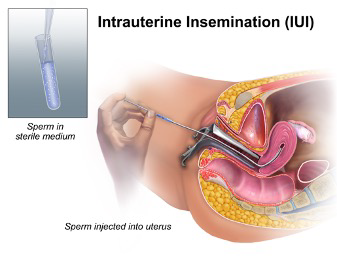
    Comparison of IVF and IUI procedures with illustrations of each method.

    The Role of Openness: Surrogacy vs Adoption

    Moreover, openness in surrogacy can also be beneficial for the surrogate. It can provide her with a sense of closure and fulfillment, knowing that she has helped create a family. It also allows for a more positive and supportive relationship between the surrogate and the intended parents, which can make the process smoother and more enjoyable for everyone involved.

    However, openness in surrogacy also comes with its challenges. One of the main concerns is the potential for confusion or conflicting emotions for the child. The child may struggle with understanding their relationship with the surrogate, and may also have difficulty navigating the dynamics between their birth and intended families.

    The Role of Openness in Adoption

    Openness in adoption has become more prevalent in recent years, with many adoptive parents and birth parents choosing to have ongoing contact and communication. This has been seen as a positive shift, as it allows for a more transparent and honest approach to adoption.

    Openness in adoption can take many forms, depending on the preferences of the birth and adoptive parents. It can include sharing identifying information, such as names and contact details, or it can involve more limited communication, such as letters and photos. In some cases, there may also be in-person visits or the birth parents may have a role in the child’s life.

    Benefits and Challenges of Openness in Adoption

    One of the main benefits of openness in adoption is the opportunity for the child to have a relationship with their birth family. This can provide the child with a sense of connection and understanding of their identity. It can also help to reduce the stigma often associated with adoption and create a more positive and supportive family dynamic.

    Openness in adoption can also be beneficial for the birth parents. It allows them to maintain a connection to their child and see how they are thriving in their new family. It can also provide them with a sense of closure and peace of mind, knowing that their child is loved and cared for.

    However, there are also challenges that come with openness in adoption. One of the main concerns is the potential for conflicting emotions and boundaries between the birth and adoptive families. It may also be difficult for the child to navigate the relationships with their birth and adoptive families, and they may struggle with feelings of loyalty or confusion.

    In Summary

    In conclusion, the role of openness in surrogacy and adoption is a complex and evolving concept. While surrogacy arrangements tend to be more closed, there has been a shift towards more openness in recent years. On the other hand, adoption can involve varying levels of openness, depending on the preferences of the birth and adoptive families. Both options have their own benefits and challenges, and the decision of whether to pursue surrogacy or adoption should be based on what is best for the child and the families involved.

  • The Impact on the Child: Surrogacy vs Adoption

    Blog Post Title: The Impact on the Child: Surrogacy vs Adoption

    Introduction:

    The decision to become a parent is a life-changing one that comes with its own set of challenges and responsibilities. For many couples who are unable to conceive naturally, surrogacy and adoption are two viable alternatives. Both options offer the opportunity to become parents, but they also have their own unique impact on the child. In this blog post, we will explore the various aspects of surrogacy and adoption and how they affect the child.

    Surrogacy:

    Surrogacy is a process where a woman carries a child for another couple or individual. There are two types of surrogacy – traditional surrogacy and gestational surrogacy. In traditional surrogacy, the surrogate mother uses her own egg, making her the biological mother of the child. On the other hand, in gestational surrogacy, the surrogate mother carries a fertilized egg created through in-vitro fertilization (IVF) using the intended mother’s egg or a donor egg, making her the gestational carrier of the child.

    Impact on the Child:

    One of the primary concerns with surrogacy is the emotional impact it may have on the child. Unlike adoption, where the child is placed with adoptive parents after birth, the child in surrogacy is carried by another woman, which can create a sense of confusion and detachment. In traditional surrogacy, the child may also have a genetic connection to the surrogate mother, which can further complicate their identity and sense of belonging.

    Another significant impact on the child is the lack of a legal relationship with the surrogate mother. In most cases, the surrogate mother has no legal rights to the child, which can be unsettling for the child as they grow older and try to understand their origins.

    Adoption:

    Adoption is a legal process where the rights and responsibilities of biological parents are transferred to adoptive parents. There are various types of adoption, including domestic, international, and foster care adoption. Each type has its own set of challenges and benefits, but they all involve giving a child a permanent and loving home.

    diagram of the female reproductive system with an IUI syringe and test tube for artificial insemination

    The Impact on the Child: Surrogacy vs Adoption

    Impact on the Child:

    The primary impact of adoption on the child is the sense of belonging and security that comes with being a part of a family. In most cases, adoption happens after birth, which means the child has a legal relationship with their adoptive parents from the start. This can help the child build a strong sense of identity and eliminate any confusion or detachment that may arise in surrogacy.

    Moreover, adoption also offers the opportunity for an open adoption, where the child can maintain a relationship with their birth parents. This can help the child understand their origins and have a sense of connection to their biological family, which can be beneficial for their emotional well-being.

    Comparison:

    While both surrogacy and adoption offer the chance to become parents, they have their own unique impact on the child. Surrogacy may struggle with issues of identity and detachment, while adoption provides a sense of belonging and security. However, adoption also has its own set of challenges, such as the child’s potential feelings of abandonment by their birth parents.

    In terms of cost, surrogacy tends to be more expensive than adoption, which can be a significant barrier for many couples. Adoption also involves a lengthy process, including home studies and background checks, which can take months or even years to complete. On the other hand, surrogacy can often be a quicker process, but it still involves extensive medical procedures and legal agreements.

    Conclusion:

    In the end, the decision between surrogacy and adoption ultimately depends on the individual circumstances of the couple or individual seeking to become parents. Both options offer their own unique set of challenges and benefits, and it is essential to carefully consider the impact on the child before making a decision. It is also crucial to seek guidance from professionals and have open and honest discussions with all parties involved to ensure the best outcome for the child.

    Summary:

    The decision to become a parent is a life-changing one that comes with its own set of challenges and responsibilities. For couples who are unable to conceive naturally, surrogacy and adoption are two viable alternatives. Surrogacy involves a woman carrying a child for another couple or individual, while adoption is a legal process where the rights and responsibilities of biological parents are transferred to adoptive parents. Both options have their own unique impact on the child, with surrogacy struggling with issues of identity and detachment, while adoption provides a sense of belonging and security. The final decision ultimately depends on the individual circumstances, and it is crucial to carefully consider the impact on the child before making a decision.