Summary:
Fertility is a complex and delicate aspect of overall health, and nutrition plays a crucial role in optimizing it. One important factor that can impact fertility is thyroid health. The thyroid gland, located in the neck, produces hormones that regulate metabolism, energy, and even reproduction. When thyroid function is disrupted, it can lead to fertility issues such as irregular ovulation, miscarriage, and difficulty conceiving. In this blog post, we will explore the connection between fertility, nutrition, and thyroid health and provide tips on how to optimize it.
Firstly, it is important to understand the role of nutrition in maintaining a healthy thyroid. The thyroid gland requires certain nutrients, including iodine, selenium, iron, and zinc, to function properly. A deficiency in any of these nutrients can lead to an underactive thyroid, also known as hypothyroidism. This condition can cause irregular menstrual cycles and disrupt ovulation, making it difficult to conceive. Additionally, an excess of certain nutrients, such as goitrogens found in cruciferous vegetables, can interfere with thyroid function. Therefore, it is essential to have a balanced and varied diet to ensure adequate intake of all necessary nutrients for thyroid health.
In addition to nutrition, there is a strong link between thyroid health and the endocrine system, which is responsible for regulating hormones related to fertility. The thyroid gland is part of this system and works closely with other endocrine glands, such as the pituitary gland and the ovaries. When the thyroid is not functioning properly, it can affect the production and balance of reproductive hormones, leading to fertility issues. For instance, hypothyroidism can cause an increase in the hormone prolactin, which can interfere with ovulation and menstruation.
A common condition that affects thyroid health is Hashimoto’s thyroiditis, an autoimmune disorder in which the immune system attacks the thyroid gland. This condition can lead to hypothyroidism and fertility issues. Research has shown that women with Hashimoto’s are at a higher risk of miscarriage and may have a harder time conceiving. Therefore, it is crucial for women with this condition to work with their healthcare provider to manage their thyroid health and optimize their chances of conceiving.
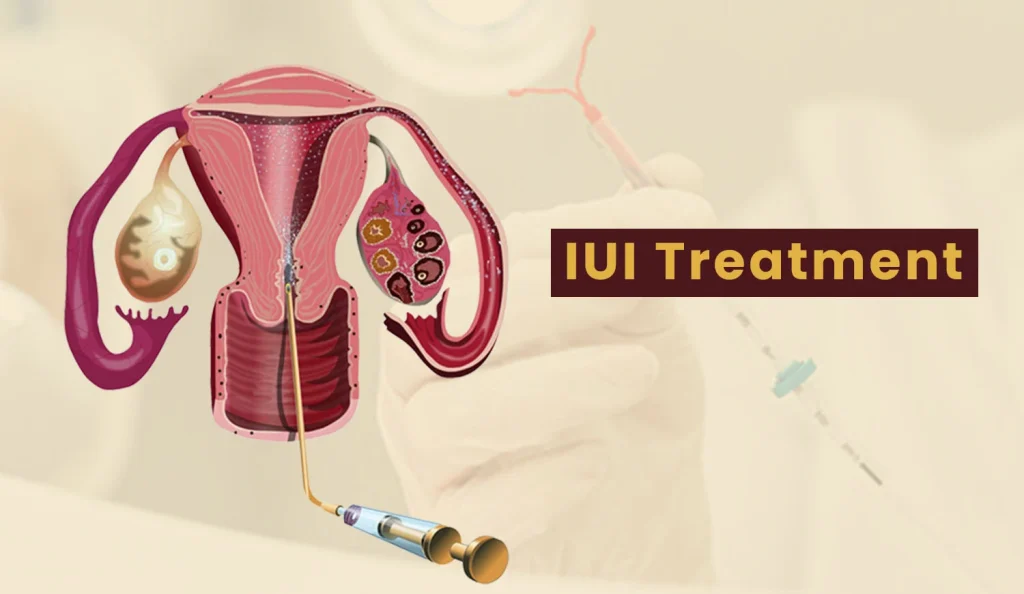
Fertility Nutrition and Thyroid Health: The Connection and How to Optimize It
So, how can one optimize their fertility and thyroid health through nutrition? First and foremost, it is essential to eat a well-balanced diet that includes a variety of whole foods. This means consuming a mix of fruits, vegetables, whole grains, lean proteins, and healthy fats. It is also important to limit processed foods, refined sugars, and unhealthy fats, as they can contribute to inflammation and hormonal imbalances.
In terms of specific nutrients, iodine is crucial for thyroid health as it is a building block for thyroid hormones. Good sources of iodine include seaweed, seafood, dairy products, and iodized salt. Selenium is another essential nutrient for thyroid health, and it also has antioxidant properties that can help protect the thyroid gland. Foods rich in selenium include Brazil nuts, tuna, and eggs.
Iron and zinc are also important for thyroid health. Iron is necessary for the production of thyroid hormones, and a deficiency can lead to hypothyroidism. Good sources of iron include lean meats, leafy greens, legumes, and fortified cereals. Zinc, on the other hand, helps regulate the thyroid hormone T3 and is essential for fertility. Foods rich in zinc include oysters, beef, pumpkin seeds, and chickpeas.
In addition to these specific nutrients, it is also important to monitor and manage any underlying thyroid conditions. This may include working with a healthcare provider to monitor thyroid hormone levels and make any necessary dietary or lifestyle changes. It is also essential to address any other health issues that may be affecting fertility, such as insulin resistance, PCOS, or stress.
In conclusion, fertility and thyroid health are closely connected, and nutrition plays a crucial role in optimizing both. Eating a well-balanced diet that includes all necessary nutrients, managing any underlying thyroid conditions, and addressing other health issues can help improve fertility and thyroid function. Remember to work closely with a healthcare provider to monitor and manage your thyroid health and fertility journey.