Tag: hormone testing

  • Male Fertility Tests vs Female Fertility Tests: Which One is Less Invasive?

    Male Fertility Tests vs Female Fertility Tests: Which One is Less Invasive?

    When it comes to fertility testing, both men and women may feel overwhelmed and anxious. For couples trying to conceive, understanding the fertility of both partners is crucial in determining the best course of action. While there are various methods to assess fertility, some may be more invasive than others. In this blog post, we will explore the differences between male and female fertility tests and which one is less invasive.

    What are Male and Female Fertility Tests?

    Before diving into the comparison, it is essential to understand what male and female fertility tests are. Male fertility tests primarily focus on the quality, quantity, and movement of sperm. These tests can help identify any underlying issues that may affect sperm production or function. On the other hand, female fertility tests assess the health and function of the reproductive organs, including the ovaries, uterus, and fallopian tubes. These tests also evaluate the hormone levels that play a crucial role in the menstrual cycle and ovulation.

    1. Male Fertility Tests

    a. Semen Analysis

    The most common male fertility test is a semen analysis. This test involves collecting a semen sample and examining it under a microscope to assess the quantity and quality of sperm. The sample is typically obtained through masturbation and can be done at a fertility clinic or at home. It is a non-invasive and relatively simple test that provides valuable information about sperm count, motility, and morphology.

    b. Hormone Testing

    In some cases, male fertility issues may be due to hormonal imbalances. Hormone testing involves a blood test to measure the levels of hormones such as testosterone, prolactin, and follicle-stimulating hormone (FSH). These hormones play a crucial role in sperm production and can help identify any underlying hormonal issues that may be affecting fertility.

    c. Genetic Testing

    Genetic testing is recommended for men with a family history of genetic disorders or those who have low sperm count or motility. This test involves a blood sample to check for genetic abnormalities that may affect fertility. While it is not a routine test, it can provide valuable information for couples struggling with infertility.

    2. Female Fertility Tests
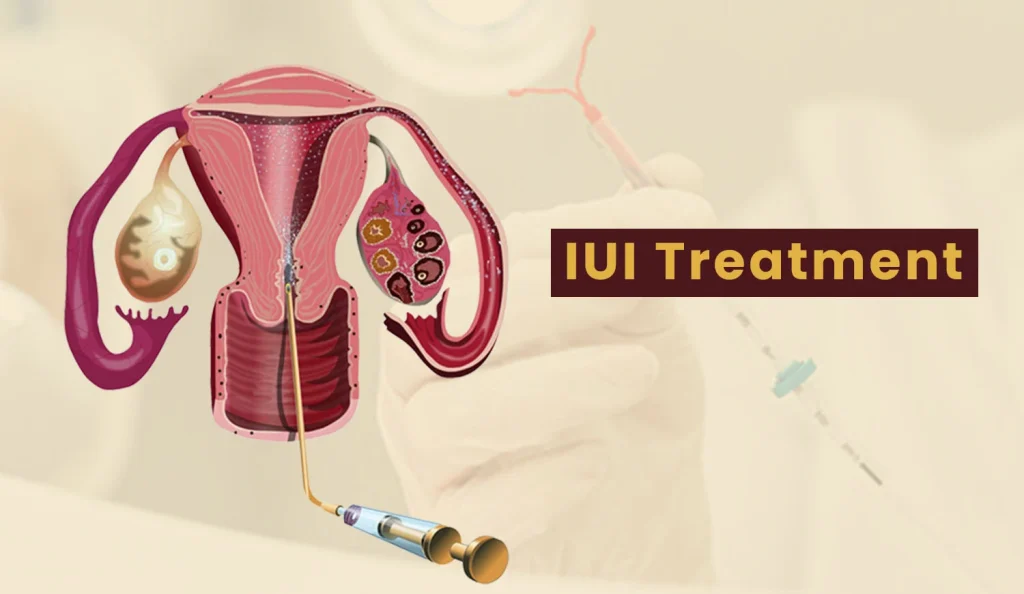
    illustration of the uterus and ovaries with a syringe, labeled "IUI Treatment" in the background

    Male Fertility Tests vs Female Fertility Tests: Which One is Less Invasive?

    a. Ovulation Testing

    Ovulation testing is often the first step in assessing female fertility. This test involves tracking the changes in hormone levels throughout the menstrual cycle to determine when ovulation occurs. It can be done through urine or blood tests, and it helps identify the most fertile days for conception.

    b. Imaging Tests

    Imaging tests, such as ultrasounds, can help assess the health of the reproductive organs. For women, these tests can detect any abnormalities or issues with the uterus, ovaries, and fallopian tubes. They are non-invasive and can provide valuable information about the structure and function of the reproductive organs.

    c. Hysterosalpingography (HSG)

    HSG is a type of imaging test that involves injecting a dye into the uterus and fallopian tubes. This test can help identify any blockages or abnormalities in the fallopian tubes, which can prevent fertilization. While it may cause some discomfort, it is a minimally invasive procedure that can provide important information about female fertility.

    Which One is Less Invasive?

    Both male and female fertility tests have their own advantages and limitations. However, when it comes to invasiveness, male fertility tests tend to be less invasive than female fertility tests. Most male fertility tests involve collecting a semen sample or a simple blood test, which can be done in the comfort of one’s home or at a fertility clinic. On the other hand, female fertility tests may involve more invasive procedures, such as HSG, which can cause discomfort and require a visit to a medical facility.

    Moreover, male fertility tests are also less time-consuming and do not require multiple appointments or extensive tracking. In contrast, female fertility tests may involve several appointments and monitoring throughout the menstrual cycle, which can be stressful and time-consuming.

    However, it is important to note that the invasiveness of fertility tests may vary depending on the individual’s specific situation and needs. For some men, genetic testing or a more in-depth semen analysis may be necessary, which can be more invasive. Similarly, for women with underlying health conditions, more invasive tests may be required to accurately assess fertility.

    In conclusion, both male and female fertility tests are essential in understanding and addressing fertility issues. While male fertility tests tend to be less invasive, the invasiveness of these tests may vary depending on the individual’s needs. It is crucial for couples to consult with a healthcare professional to determine the most appropriate and effective fertility testing methods for their specific situation.

    Summary:

    Fertility testing is crucial for couples trying to conceive, and it involves assessing the fertility of both partners. Male fertility tests primarily focus on sperm quality and quantity, while female fertility tests assess the health and function of the reproductive organs and hormones. Male fertility tests tend to be less invasive than female fertility tests, as they typically involve collecting a semen sample or a simple blood test. However, the invasiveness of fertility tests may vary depending on the individual’s specific situation and needs. It is important for couples to consult with a healthcare professional to determine the most appropriate and effective fertility testing methods for their situation.
  • Fertility Testing for Men and Women: What to Expect During the Process

    Blog Post Title: Fertility Testing for Men and Women: What to Expect During the Process

    Summary:

    Fertility is a crucial aspect of human life and the desire to have a child is a natural one. However, for many couples, achieving pregnancy can be a challenging journey. This is where fertility testing comes into play. Fertility testing is a process that helps determine the underlying causes of infertility in both men and women. In this blog post, we will discuss the different types of fertility tests available for men and women, and what to expect during the process.

    For Women:

    1. Medical History and Physical Examination:
    The first step in fertility testing for women is a comprehensive medical history and physical examination. This will help the doctor understand any underlying medical conditions that may be affecting fertility.

    2. Ovulation Testing:
    Ovulation is a crucial aspect of fertility, and a woman must release a healthy egg for pregnancy to occur. Ovulation testing can be done through blood tests, urine tests, or ultrasound scans to determine the timing and regularity of ovulation.

    3. Hormone Testing:
    Hormonal imbalances can greatly affect a woman’s fertility. Hormone testing involves blood tests to measure levels of hormones such as estrogen, progesterone, and follicle-stimulating hormone (FSH).

    4. Imaging Tests:
    Imaging tests, such as ultrasound scans, can help identify any structural abnormalities in the reproductive organs that may be affecting fertility.

    5. Hysterosalpingography (HSG):
    HSG is a procedure where a dye is injected into the uterus and fallopian tubes to check for any blockages or abnormalities that may be preventing pregnancy.

    6. Laparoscopy:
    In some cases, a laparoscopy may be recommended to diagnose and treat conditions such as endometriosis or pelvic inflammatory disease, which can affect fertility.

    For Men:

    1. Semen Analysis:
    The first step in fertility testing for men is a semen analysis. A sample of semen is collected and analyzed for sperm count, motility, and morphology.

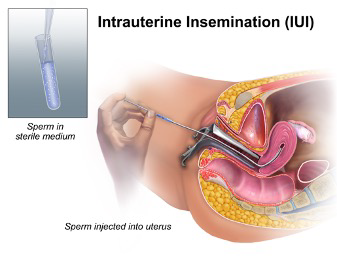
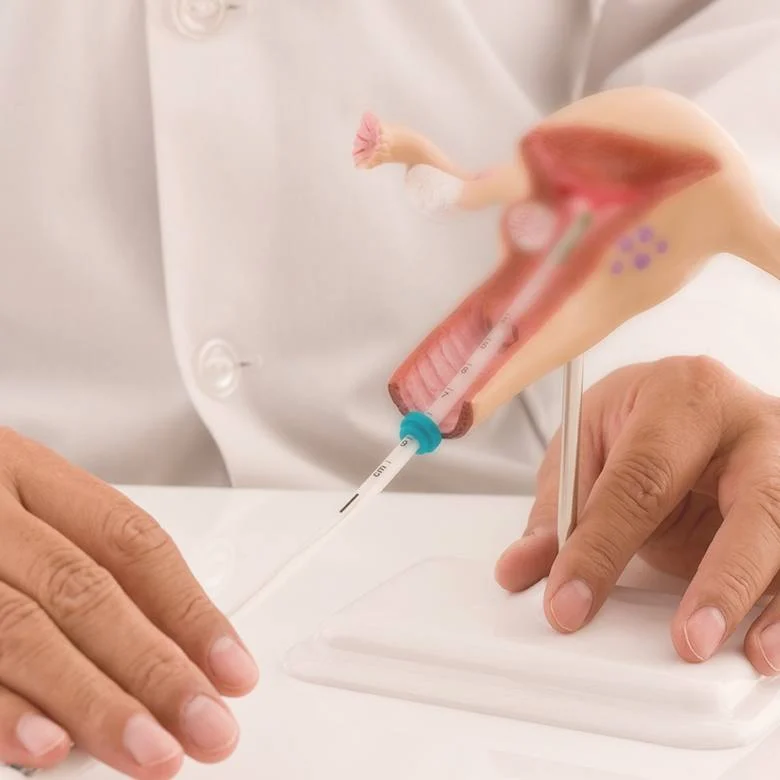
    model of the female reproductive system with a hand demonstrating intrauterine insemination technique

    Fertility Testing for Men and Women: What to Expect During the Process

    2. Hormone Testing:
    Hormonal imbalances in men can also affect fertility. Hormone testing involves blood tests to check the levels of testosterone, follicle-stimulating hormone (FSH), and luteinizing hormone (LH).

    3. Imaging Tests:
    Imaging tests, such as ultrasound scans, can help identify any structural abnormalities in the reproductive organs that may be affecting fertility.

    4. Genetic Testing:
    Some cases of male infertility may be due to genetic factors. Genetic testing can help identify any gene mutations that may be causing fertility issues.

    5. Testicular Biopsy:
    In some cases, a testicular biopsy may be recommended to check for any blockages or abnormalities in the testicles that may be affecting sperm production.

    What to Expect During the Process:

    Fertility testing can be a lengthy and emotional process for couples. It is essential to have open communication with your doctor and partner during this time. Here are some things to keep in mind:

    1. Patience is Key:
    Fertility testing can take time, and it is essential to be patient and not get discouraged if the results are not immediate.

    2. Discomfort:
    Some fertility tests may involve a certain level of discomfort, such as the HSG or testicular biopsy. It is essential to discuss any concerns with your doctor beforehand.

    3. Emotional Support:
    Fertility testing can be emotionally taxing for both partners. It is crucial to lean on each other for emotional support and seek counseling if needed.

    4. Cost:
    Fertility testing can be expensive, and it is important to discuss the costs with your doctor and insurance company beforehand.

    5. Treatment Options:
    Once the fertility testing is complete, your doctor will discuss the results and possible treatment options with you. These may include medication, surgery, or assisted reproductive techniques such as in vitro fertilization (IVF).

    In conclusion, fertility testing is a crucial step in the journey towards parenthood. It helps identify the underlying causes of infertility and allows for appropriate treatment to be recommended. It is essential to have open communication with your doctor and partner during this process and to be patient and supportive of each other.

  • Medical Fertility Testing: When to Seek Help from a Specialist

    Medical Fertility Testing: When to Seek Help from a Specialist

    The ability to conceive and carry a pregnancy to term is a natural process that many individuals and couples take for granted. However, for some, the journey to parenthood may not be as simple or straightforward. Infertility affects approximately 12% of couples worldwide, and it can be a complex and emotionally challenging issue to navigate. Fortunately, with advancements in medical technology and fertility treatments, many couples struggling with infertility can still fulfill their dreams of having a family. The first step in addressing infertility is to seek medical fertility testing, which can help determine the cause of infertility and guide individuals towards the most appropriate treatment options. In this blog post, we will discuss when it is necessary to seek help from a fertility specialist, the different types of medical fertility testing available, and what to expect during the testing process.

    When to Seek Help from a Fertility Specialist

    It is common for couples to try to conceive for up to a year before seeking medical help. However, there are certain factors that may indicate a need to seek help from a fertility specialist sooner. These include:

    1. Age: As women age, their fertility decreases due to a decline in the quality and quantity of their eggs. Women over the age of 35 who have been trying to conceive for six months without success should consult a fertility specialist.

    2. Irregular or absent menstrual cycles: Irregular or absent periods can be a sign of an underlying hormonal imbalance, which can affect a woman’s ability to conceive.

    3. History of pelvic inflammatory disease (PID): PID is a bacterial infection that can cause scarring in the reproductive organs, leading to infertility. Women who have a history of PID should seek medical help if they are having trouble conceiving.

    4. Previous miscarriages: Miscarriages can be emotionally and physically taxing, and they may also be a sign of underlying fertility issues.

    5. Known male factor infertility: If a man has a history of low sperm count or motility, it is essential to seek medical help when trying to conceive.

    6. Lifestyle factors: Certain lifestyle factors, such as smoking, excessive alcohol consumption, and obesity, can negatively impact fertility and should be addressed if trying to conceive.

    Types of Medical Fertility Testing

    doctor discussing treatment with a patient in a medical office, featuring an ultrasound machine in the background

    Medical Fertility Testing: When to Seek Help from a Specialist

    There are several types of medical fertility testing that a fertility specialist may recommend, depending on the individual’s medical history and potential causes of infertility. These tests can help identify any underlying issues that may be hindering the ability to conceive and guide the most appropriate treatment plan.

    1. Ovulation testing: This involves tracking a woman’s menstrual cycle and hormone levels to determine if she is ovulating regularly.

    2. Hormone testing: Hormonal imbalances can affect fertility, and blood tests can measure hormone levels to identify any imbalances.

    3. Hysterosalpingography (HSG): This is an X-ray procedure that involves injecting dye into the uterus and fallopian tubes to check for any blockages or abnormalities.

    4. Semen analysis: This test is used to evaluate the quantity and quality of a man’s sperm.

    5. Genetic testing: Certain genetic conditions can affect fertility, and genetic testing can help identify any potential issues.

    6. Pelvic ultrasound: This imaging test can help identify any structural abnormalities in the reproductive organs that may be causing infertility.

    What to Expect During the Testing Process

    The specific tests recommended by a fertility specialist will vary depending on the individual’s situation. However, in general, the testing process begins with a comprehensive medical history and physical examination. From there, the specialist may order specific tests, such as blood work, imaging tests, and semen analysis. The testing process may take several weeks to complete, and it is essential to follow the specialist’s instructions and attend all appointments to ensure accurate results.

    Once the testing is complete, the specialist will review the results and discuss potential treatment options. These may include fertility medications, intrauterine insemination (IUI), in vitro fertilization (IVF), or other assisted reproductive technologies. The specialist will work with the individual or couple to determine the best course of action based on their medical history, test results, and personal preferences.

    In addition to medical treatment, a fertility specialist may also recommend lifestyle changes, such as maintaining a healthy weight, quitting smoking, and reducing stress, to improve the chances of conceiving. They may also provide emotional support and counseling, as infertility can be a challenging and emotional journey for individuals and couples.

    In summary, infertility is a common issue that affects many couples worldwide. Seeking help from a fertility specialist can help determine the cause of infertility and guide individuals towards the most appropriate treatment options. It is essential to seek help from a specialist if there are any underlying medical conditions, lifestyle factors, or a history of miscarriages or male factor infertility. There are various types of medical fertility testing available, and the testing process may take several weeks to complete. However, with the support of a fertility specialist, many individuals and couples can overcome infertility and achieve their dream of starting a family.

  • Medical Fertility Testing for Same-Sex Couples: How it Can Help in the Journey to Parenthood

    Blog Post Title: Medical Fertility Testing for Same-Sex Couples: How it Can Help in the Journey to Parenthood

    Summary:

    For same-sex couples, the journey to parenthood can be a complex and emotional one. While advances in technology and society have made it possible for same-sex couples to have children, there are still many challenges that they may face. One of these challenges is the issue of fertility. Same-sex couples may have difficulty conceiving naturally, and this can be a source of frustration and heartache. However, medical fertility testing can offer hope and solutions for same-sex couples in their journey to parenthood.

    In this blog post, we will explore the importance of medical fertility testing for same-sex couples and how it can help in their journey to parenthood. We will discuss the various types of fertility testing available, the benefits of testing, and how it can guide couples in making informed decisions about their fertility options.

    Understanding Fertility Testing:

    Fertility testing is a process that helps identify potential fertility issues and provides information about a person’s reproductive health. For same-sex couples, this can be an essential step in their journey to parenthood. There are several types of fertility testing available, including hormone testing, semen analysis, and imaging tests.

    Hormone testing involves blood tests that measure the levels of various hormones in the body, such as estrogen, progesterone, and testosterone. These tests can provide information about the function of the ovaries and the menstrual cycle in women and the production of sperm in men.

    Semen analysis is a test that examines the quality and quantity of sperm in a man’s semen. This test can determine if there are any issues with sperm production or if there are any abnormalities in the sperm that may affect fertility.

    Imaging tests, such as ultrasounds and hysterosalpingograms (HSG), use technology to create images of the reproductive organs. These tests can help identify any structural issues that may be affecting fertility, such as blocked fallopian tubes or uterine abnormalities.

    Benefits of Fertility Testing for Same-Sex Couples:

    Medical fertility testing can provide same-sex couples with valuable information about their reproductive health. It can help identify any potential issues that may be affecting their ability to conceive and guide them in making informed decisions about their fertility options. Some of the benefits of fertility testing for same-sex couples include:

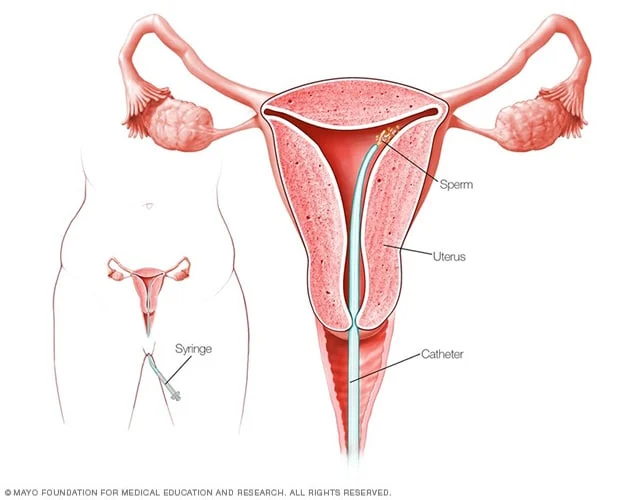
    diagram illustrating intrauterine insemination (IUI) procedure with uterus, sperm, and catheter labeled

    Medical Fertility Testing for Same-Sex Couples: How it Can Help in the Journey to Parenthood

    1. Identifying Fertility Issues: Fertility testing can help identify any fertility issues that may be present in either partner. This information is crucial as it can guide couples in choosing the most appropriate fertility treatment.

    2. Saving Time and Money: By identifying any fertility issues early on, couples can save time and money by avoiding unnecessary fertility treatments that may not be suitable for their specific situation.

    3. Providing a Clear Understanding of Options: Fertility testing can help same-sex couples understand the various fertility options available to them, such as intrauterine insemination (IUI), in vitro fertilization (IVF), or surrogacy. This information can help them make an informed decision about the best path to parenthood for them.

    4. Reducing Stress and Anxiety: The uncertainty and emotional toll of trying to conceive can be overwhelming for same-sex couples. Fertility testing can provide clarity and alleviate some of the stress and anxiety associated with the process.

    Guiding the Path to Parenthood:

    For same-sex couples, fertility testing can play a vital role in guiding them towards their goal of parenthood. It can provide couples with a clear understanding of their fertility potential and help them make informed decisions about their options. Some of the ways fertility testing can guide the path to parenthood include:

    1. Informing Treatment Plans: Fertility testing results can help doctors develop personalized treatment plans for same-sex couples. This can increase the chances of a successful pregnancy and reduce the risk of complications.

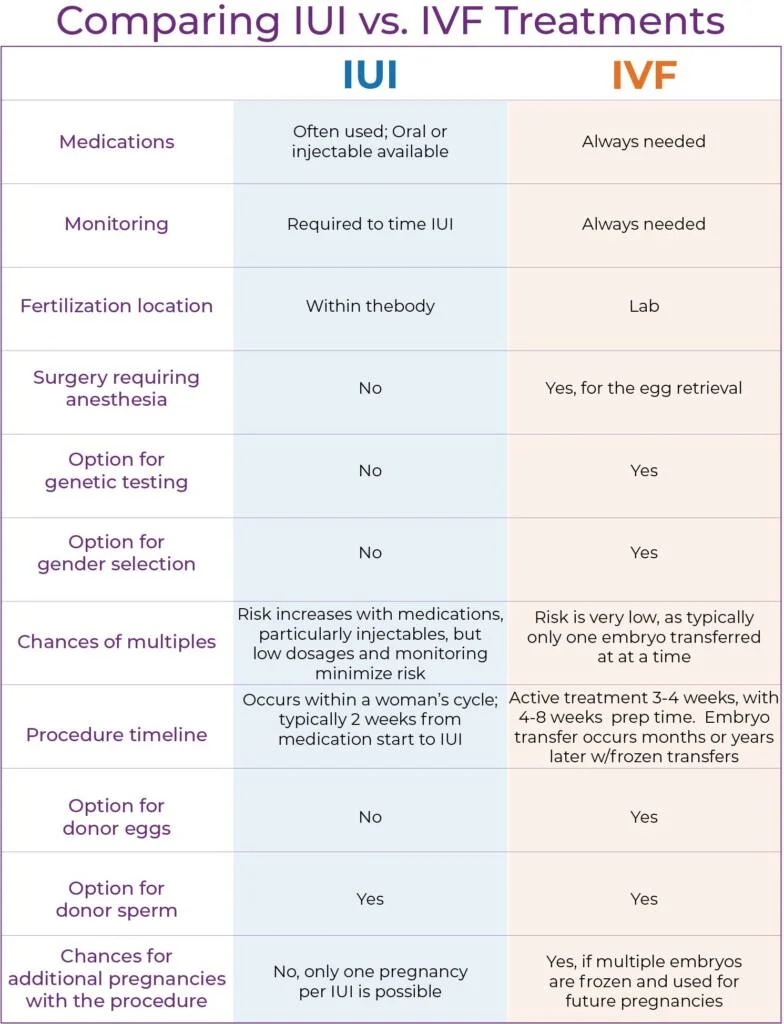
    2. Choosing the Right Fertility Treatment: With the help of fertility testing, couples can choose the most suitable fertility treatment for their specific needs. For example, if a woman has a low ovarian reserve, she may need to consider IVF instead of IUI.

    3. Planning for Surrogacy: For same-sex male couples, fertility testing can help determine which partner’s sperm is most suitable for use in surrogacy. It can also identify any potential issues that may affect the surrogate’s ability to carry a pregnancy.

    4. Managing Expectations: Fertility testing can provide a realistic understanding of the chances of success with different fertility treatments. This can help manage expectations and reduce disappointment if a treatment is not successful.

    In conclusion, medical fertility testing can be a valuable tool for same-sex couples in their journey to parenthood. It can provide crucial information about their reproductive health and guide them towards the most suitable fertility options. With the support of a qualified fertility specialist, same-sex couples can navigate the complexities of fertility and turn their dream of parenthood into a reality.

  • The Role of Stress in Fertility: Can At-Home Testing Help Identify the Cause?

    Blog Post:

    The journey of trying to conceive can be filled with excitement, hope, and joy, but it can also come with its fair share of stress and anxiety. While some level of stress is a part of everyday life, excessive stress can have a significant impact on our overall health, including fertility. In fact, studies have shown that high levels of stress can affect both male and female fertility, making it difficult to conceive. However, the good news is that there are ways to manage stress and improve fertility, and at-home testing may be able to help identify the underlying causes. In this blog post, we will explore the role of stress in fertility and how at-home testing can be a useful tool in understanding and addressing fertility issues.

    Understanding Stress and Its Impact on Fertility

    Before we dive into the connection between stress and fertility, it’s essential to understand what stress is and how it affects our bodies. Stress is the body’s natural response to any demand or threat. It triggers the release of hormones, such as cortisol and adrenaline, which prepare the body for a fight or flight response. While this response is necessary in certain situations, chronic stress can have harmful effects on our physical and mental well-being.

    When it comes to fertility, stress can disrupt the delicate balance of hormones in the body, leading to an irregular menstrual cycle and ovulation. In men, stress can affect sperm production and quality, making it difficult to fertilize an egg. Additionally, stress can also impact sexual desire and intimacy, further hindering the chances of conception.

    The Link Between Stress and Infertility

    Several studies have explored the connection between stress and fertility and have found a significant association between the two. One study from the National Institutes of Health found that women with high levels of alpha-amylase, an enzyme that indicates stress, had a 29% lower chance of getting pregnant each month than those with lower levels. Another study from the American Society for Reproductive Medicine found that women who reported feeling stressed had a lower chance of conceiving during their fertile window.

    In men, stress can also have a significant impact on fertility. A study published in the journal Fertility and Sterility found that men with high levels of perceived stress had a lower sperm count and motility compared to men with lower stress levels. This can make it challenging to fertilize an egg and lead to difficulties in conceiving.

    How At-Home Testing Can Help Identify the Cause of Infertility

    Infertility can have various underlying causes, and stress is just one of them. However, identifying the root cause is crucial in finding the right treatment and improving chances of conception. At-home fertility testing kits can be a useful tool in understanding the factors that may be impacting fertility.

    Hormone testing kits can help monitor hormone levels, such as estrogen, progesterone, and testosterone, which play a vital role in fertility. These tests can be done at home, making it more convenient for individuals and couples to track their hormone levels regularly. This can help identify any imbalances that may be causing fertility issues.

    Comparison chart of IUI and IVF treatments, detailing medications, monitoring, procedures, and success rates.

    The Role of Stress in Fertility: Can At-Home Testing Help Identify the Cause?

    Another at-home testing option is semen analysis kits, which can help men determine their sperm count and quality. These kits can provide valuable information and help identify any potential fertility issues that may be related to stress.

    Other at-home tests, such as ovulation predictor kits and fertility tracking apps, can also be helpful in understanding ovulation patterns and fertile days. These tools can be beneficial for couples trying to conceive as they can help identify the best time to have intercourse for optimal chances of pregnancy.

    Managing Stress for Improved Fertility

    While at-home testing can help identify the cause of infertility, managing stress is equally important in improving fertility. Here are some ways to reduce stress and promote overall well-being:

    1. Practice relaxation techniques: Activities such as yoga, meditation, and deep breathing can help reduce stress and promote relaxation.

    2. Exercise regularly: Regular physical activity can help release endorphins, also known as the “feel-good” hormones, which can help reduce stress levels.

    3. Get quality sleep: Lack of sleep can increase stress levels, so it’s essential to get enough rest each night.

    4. Seek support: Talking to a therapist or joining a support group can be beneficial for managing stress and coping with the emotional challenges of fertility struggles.

    5. Make time for self-care: Engage in activities that bring joy and help you relax, such as reading, listening to music, or taking a warm bath.

    Summary:

    Stress can have a significant impact on fertility, affecting both men and women. Chronic stress can disrupt hormone balance and interfere with ovulation, making it difficult to conceive. However, at-home testing can be a useful tool in identifying the underlying causes of infertility, including stress. Hormone testing kits, semen analysis kits, and ovulation predictor kits can help individuals and couples track and monitor their fertility, providing valuable information to address any potential issues. Additionally, managing stress through relaxation techniques, regular exercise, and self-care can also help improve fertility. With the help of at-home testing and stress management techniques, couples can take a proactive approach towards improving their fertility and achieving their dream of starting a family.

  • Medical Fertility Testing: Exploring the Different Types Available

    Medical Fertility Testing: Exploring the Different Types Available

    Fertility is a crucial aspect of human life that allows individuals to conceive and have children. However, not everyone is fortunate enough to have good fertility health. For some, it may take longer to get pregnant, while for others, it may be a struggle to conceive at all. This is where medical fertility testing comes into play. It is a way to assess an individual’s fertility health and determine any underlying issues that may be affecting their chances of conceiving. In this blog post, we will explore the different types of medical fertility testing available and how they can help individuals understand their fertility health better.

    1. Hormone Testing

    Hormone testing is one of the most common types of fertility testing. It involves checking the levels of various hormones in the body, such as follicle-stimulating hormone (FSH), luteinizing hormone (LH), estrogen, and progesterone. These hormones play a significant role in the menstrual cycle and ovulation, and any imbalances can affect fertility. Hormone testing can be done through blood tests, saliva tests, or urine tests, and it can help identify issues such as polycystic ovary syndrome (PCOS), thyroid disorders, or menopause.

    2. Ovulation Testing

    Ovulation testing is another essential type of fertility testing, especially for women. It involves tracking and monitoring a woman’s ovulation cycle to determine the best time for conception. Ovulation can be tracked through various methods, including monitoring basal body temperature, tracking cervical mucus changes, or using ovulation predictor kits. These tests can help determine whether a woman is ovulating regularly and if there are any issues affecting ovulation.

    3. Semen Analysis

    Semen analysis is a fertility test that is primarily used for men. It involves examining a semen sample to assess the quantity, quality, and movement of sperm. Low sperm count, abnormal sperm shape, and poor sperm motility can all affect fertility. A semen analysis can also detect any underlying issues such as infections or hormonal imbalances that may be affecting sperm production.

    4. Hysterosalpingography (HSG)

    Illustration of intrauterine insemination (IUI) procedure, showing sperm injection into the uterus.

    Medical Fertility Testing: Exploring the Different Types Available

    Hysterosalpingography (HSG) is a fertility test that involves injecting a dye into the cervix and taking an X-ray of the uterus and fallopian tubes. This test helps determine if there are any blockages or abnormalities in the reproductive organs that may be hindering conception. If there are any blockages, they can be cleared through a minimally invasive procedure, increasing the chances of pregnancy.

    5. Pelvic Ultrasound

    A pelvic ultrasound is a non-invasive test that uses sound waves to create images of the reproductive organs. It can help detect any structural abnormalities such as fibroids, cysts, or polyps that may be affecting fertility. It can also be used to monitor follicle growth during ovulation and can help diagnose conditions such as endometriosis or uterine abnormalities.

    6. Genetic Testing

    Genetic testing is a more advanced type of fertility testing that can help identify any genetic conditions that may affect fertility. It involves taking a blood or saliva sample and testing it for any genetic mutations or abnormalities that may lead to infertility or recurrent miscarriages. Genetic testing can also be done for couples to identify any potential genetic issues that may affect their future children.

    7. Immunological Testing

    Immunological testing is a type of fertility testing that involves checking the blood for any autoimmune conditions that may affect fertility. Some autoimmune disorders, such as antiphospholipid syndrome, can cause recurrent miscarriages or affect the success of fertility treatments. Immunological testing can help identify these conditions and develop a treatment plan to improve fertility.

    In conclusion, there are various types of medical fertility testing available to help individuals understand their fertility health better. These tests can be done individually or in combination to provide a comprehensive assessment of one’s fertility. If you are trying to conceive and facing challenges, it is essential to consult with a healthcare professional and undergo the necessary fertility testing to identify any underlying issues and develop a treatment plan.

    Summary:

    Medical fertility testing is a crucial way to assess an individual’s fertility health and determine any underlying issues that may be affecting their chances of conceiving. There are several types of fertility testing available, including hormone testing, ovulation testing, semen analysis, HSG, pelvic ultrasound, genetic testing, and immunological testing. These tests can help identify issues such as hormonal imbalances, ovulation problems, sperm abnormalities, structural issues, genetic conditions, or autoimmune disorders that may be affecting fertility. By undergoing the necessary fertility testing, individuals can understand their fertility health better and develop a treatment plan to improve their chances of conceiving.