**Summary:**
Infertility is a common issue that affects many couples trying to conceive. While female infertility has often been the focus of fertility discussions, male infertility is a significant factor that should not be overlooked. In fact, it is estimated that male infertility accounts for 40-50% of all infertility cases. Fortunately, advancements in technology have made it possible for men to conduct at-home fertility testing, giving them a better understanding of their reproductive health and potential issues that may be hindering their chances of conceiving. In this blog post, we will delve into the world of at-home fertility testing for men, discussing the importance of male fertility testing, the different types of tests available, and how to interpret the results. By the end of this post, you will have a better understanding of male infertility and the steps you can take to improve your chances of starting a family.
**Understanding Male Infertility:**
Male infertility is defined as the inability of a man to impregnate a woman after a year of trying to conceive. While there are various causes of male infertility, the most common include low sperm count, poor sperm motility, and abnormal sperm morphology. Other factors that can contribute to male infertility include hormonal imbalances, genetic disorders, and lifestyle choices such as smoking, excessive alcohol consumption, and drug use. It is essential to note that male infertility does not always mean a complete inability to conceive; it can also result in subfertility, where the chances of conception are significantly reduced.
**The Importance of Male Fertility Testing:**
Many men may be hesitant to undergo fertility testing, often assuming that infertility is solely a female issue. However, getting tested is crucial for both partners to determine the cause of infertility and develop a treatment plan accordingly. Male fertility testing can also help identify any underlying health issues that may be affecting reproductive health, such as hormonal imbalances or genetic disorders. Additionally, early detection of male infertility can save couples time, money, and emotional distress by allowing them to explore different options for starting a family, such as assisted reproductive techniques or adoption.
**Types of At-Home Fertility Tests for Men:**
1. Semen Analysis Kit:
The most common at-home fertility test for men is a semen analysis kit. This test involves collecting a semen sample at home and mailing it to a laboratory for analysis. The sample is then examined for sperm count, motility, and morphology. The results are usually sent back to the individual within a few days, providing valuable insights into their reproductive health.
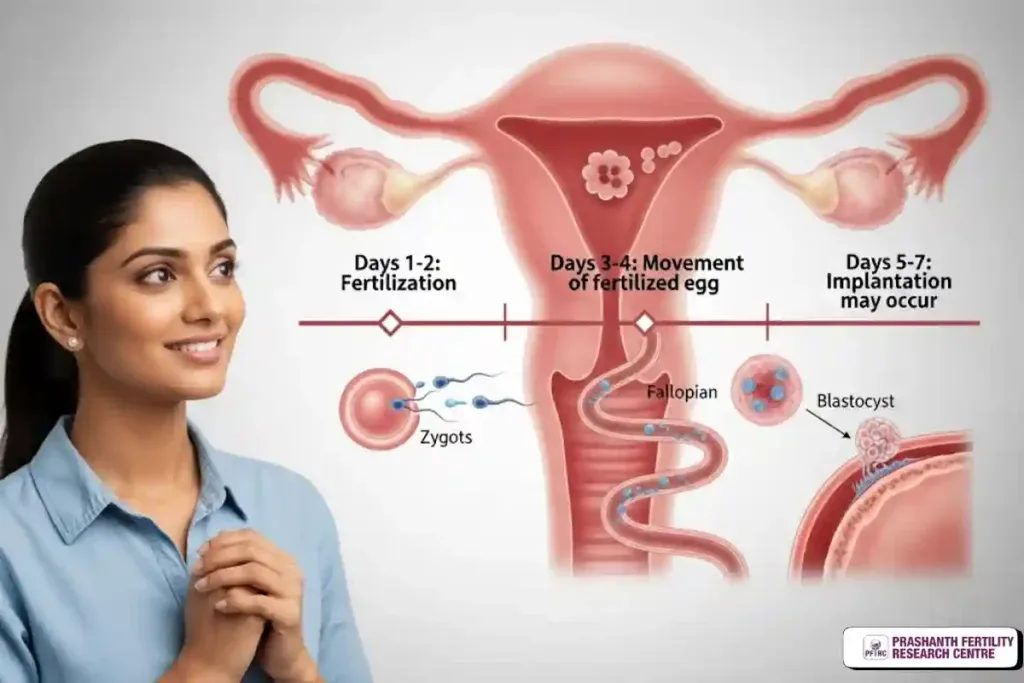
At-Home Fertility Testing for Men: Understanding Male Infertility
2. Hormone Test Kit:
Hormonal imbalances can significantly impact male fertility. At-home hormone test kits allow men to check their hormone levels, including testosterone, luteinizing hormone (LH), and follicle-stimulating hormone (FSH). These tests typically involve collecting a saliva or blood sample and sending it to a laboratory for analysis. Results can help identify any hormonal imbalances that may be affecting fertility.
3. DNA Fragmentation Test:
DNA fragmentation refers to the breaking of DNA strands in sperm, which can lead to reduced fertility. This test is usually recommended for men who have been trying to conceive for a year or more with no success. At-home DNA fragmentation tests involve collecting a semen sample and mailing it to a laboratory for analysis. Results can help determine the quality of sperm and the likelihood of fertilization.
**Interpreting the Results:**
Once you receive the results of your at-home fertility test, it is essential to understand what they mean. If your results show any abnormalities, it is essential to consult a healthcare professional to discuss the next steps. A low sperm count, poor sperm motility, or abnormal sperm morphology may indicate male infertility. However, it is crucial to remember that these results are not definitive and should be confirmed by a doctor through a physical examination and further testing.
**Tips for Improving Male Fertility:**
While at-home fertility tests can provide valuable insights into male fertility, there are steps men can take to improve their reproductive health. These include maintaining a healthy weight, avoiding harmful substances, exercising regularly, and eating a balanced diet rich in vitamins and minerals. It is also essential to manage stress levels as high levels of stress can affect hormone production and sperm quality.
In conclusion, male infertility is a common issue that affects many couples trying to conceive. At-home fertility testing for men has made it possible to identify potential issues with reproductive health, allowing individuals to take the necessary steps to improve their chances of starting a family. By understanding the importance of male fertility testing, the different types of tests available, and how to interpret the results, men can take control of their reproductive health and work towards their goal of becoming fathers.