Tag: Hormone Regulation

  • Exploring the Role of Acupuncture in Conjunction with Fertility Medications or Surgery

    Exploring the Role of Acupuncture in Conjunction with Fertility Medications or Surgery

    Infertility is a common issue that affects many couples around the world. According to the Centers for Disease Control and Prevention (CDC), approximately 6.1 million women in the United States between the ages of 15-44 have difficulty getting or staying pregnant. While there are various factors that can contribute to infertility, one treatment option that has gained attention and popularity in recent years is acupuncture. This ancient Chinese practice involves the insertion of thin needles into specific points in the body to stimulate and balance the flow of energy. But how effective is acupuncture when used in conjunction with fertility medications or surgery? In this blog post, we will explore the role of acupuncture in fertility and its potential benefits when used alongside traditional fertility treatments.

    Understanding Acupuncture and Fertility

    Acupuncture has been used for thousands of years in traditional Chinese medicine to treat a variety of health conditions. It is based on the belief that the body has a natural flow of energy, known as qi, that travels through channels called meridians. When this energy is disrupted or blocked, it can lead to illness and other health problems. Acupuncture aims to restore the flow of qi and bring the body back into balance.

    In terms of fertility, acupuncture is believed to help by regulating the hormones involved in the reproductive system, improving blood flow to the reproductive organs, and reducing stress and anxiety. Many practitioners also believe that acupuncture can help to increase the chances of successful conception by improving the quality of eggs and sperm.

    Acupuncture in Conjunction with Fertility Medications

    Fertility medications, such as Clomid, are commonly prescribed to women who are struggling to get pregnant. These medications work by stimulating the ovaries to produce more eggs, increasing the chances of conception. However, these medications can also have side effects such as headaches, mood swings, and bloating.
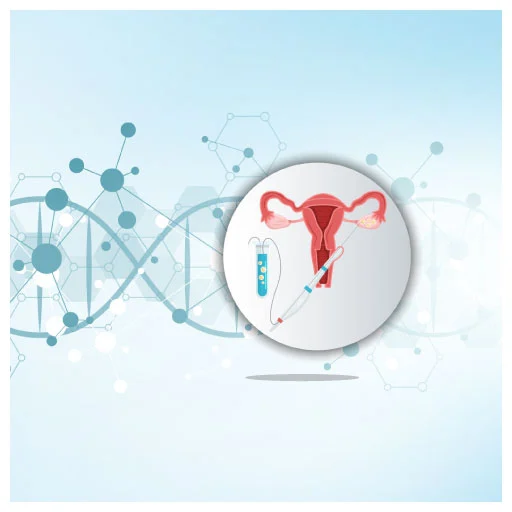
    Illustration of IUI procedure with uterus and syringe against a DNA background.

    Exploring the Role of Acupuncture in Conjunction with Fertility Medications or Surgery

    Studies have shown that acupuncture can help to alleviate these side effects and improve the chances of success when used alongside fertility medications. In a study published in the Journal of Complementary and Alternative Medicine, women who received acupuncture in conjunction with Clomid had a significantly higher pregnancy rate than those who only received Clomid treatment. This suggests that acupuncture can enhance the effectiveness of fertility medications and improve the chances of successful conception.

    Acupuncture in Conjunction with Fertility Surgery

    For some couples, fertility surgery may be necessary to address issues such as blocked fallopian tubes, fibroids, or endometriosis. While these procedures can improve the chances of pregnancy, they can also be physically and emotionally taxing. This is where acupuncture can play a role in supporting the body during and after surgery.

    Research has shown that acupuncture can help to reduce pain and inflammation, as well as improve wound healing. In a study published in the Journal of Alternative and Complementary Medicine, women who received acupuncture before and after laparoscopic surgery for endometriosis reported less pain and a faster recovery compared to those who did not receive acupuncture. Additionally, acupuncture has been found to improve sperm quality and motility in men who have had fertility surgery.

    The Benefits of Combining Acupuncture and Fertility Treatments

    There are several potential benefits to combining acupuncture with fertility medications or surgery. Firstly, acupuncture can help to reduce the side effects of fertility medications, making the process more comfortable for women. It can also improve the chances of success by regulating hormones and improving the quality of eggs and sperm. Furthermore, acupuncture can help to alleviate stress and anxiety, which can have a negative impact on fertility.

    Additionally, using acupuncture in conjunction with fertility treatments can also be more cost-effective in the long run, as it may reduce the need for multiple rounds of treatments. It can also provide a more holistic approach to fertility, addressing not only the physical but also the emotional and mental aspects of the journey.

    In conclusion, while more research is needed to fully understand the role of acupuncture in fertility, the evidence suggests that it can be a beneficial complementary treatment when used alongside traditional fertility medications or surgery. By regulating hormones, improving blood flow, reducing stress, and supporting the body during and after procedures, acupuncture can enhance the effectiveness of fertility treatments and improve the chances of successful conception.
  • Fertility Acupuncture: A Natural Alternative to IVF

    Blog Post: Fertility Acupuncture: A Natural Alternative to IVF

    According to the Centers for Disease Control and Prevention (CDC), about 6.1 million women in the United States struggle with infertility. For many couples, this can be a heartbreaking and frustrating experience, especially when conventional methods like in vitro fertilization (IVF) are not successful. However, there is a growing interest in alternative methods to improve fertility, and one of the most popular is fertility acupuncture.

    Acupuncture has been used in traditional Chinese medicine for thousands of years and is based on the belief that energy, known as qi, flows through the body along specific pathways called meridians. When this energy is blocked or imbalanced, it can lead to health issues, including infertility. Fertility acupuncture aims to restore the balance of qi in the body, thus promoting overall health and increasing the chances of conception.

    How Does Fertility Acupuncture Work?

    During a fertility acupuncture session, thin, sterile needles are inserted into specific points on the body to stimulate the flow of qi and promote healing. These points are believed to correspond to different organs and systems in the body, including the reproductive organs. Acupuncture is thought to improve blood flow, reduce inflammation, and regulate hormone levels, all of which can impact fertility.

    Acupuncture can also be combined with other traditional Chinese medicine practices, such as herbal remedies, moxibustion (burning herbs near the skin), and cupping (placing heated cups on the skin). These additional therapies can further enhance the effects of acupuncture and improve overall health and fertility.

    Benefits of Fertility Acupuncture

    Fertility acupuncture offers several potential benefits for couples struggling to conceive, including:

    1. Increased Blood Flow to the Reproductive Organs: Acupuncture has been shown to improve blood flow to the uterus and ovaries, providing these organs with the necessary nutrients and oxygen to function properly.

    2. Regulation of Hormone Levels: Acupuncture can help regulate the levels of hormones that are essential for ovulation and healthy pregnancy, such as estrogen, progesterone, and follicle-stimulating hormone (FSH).

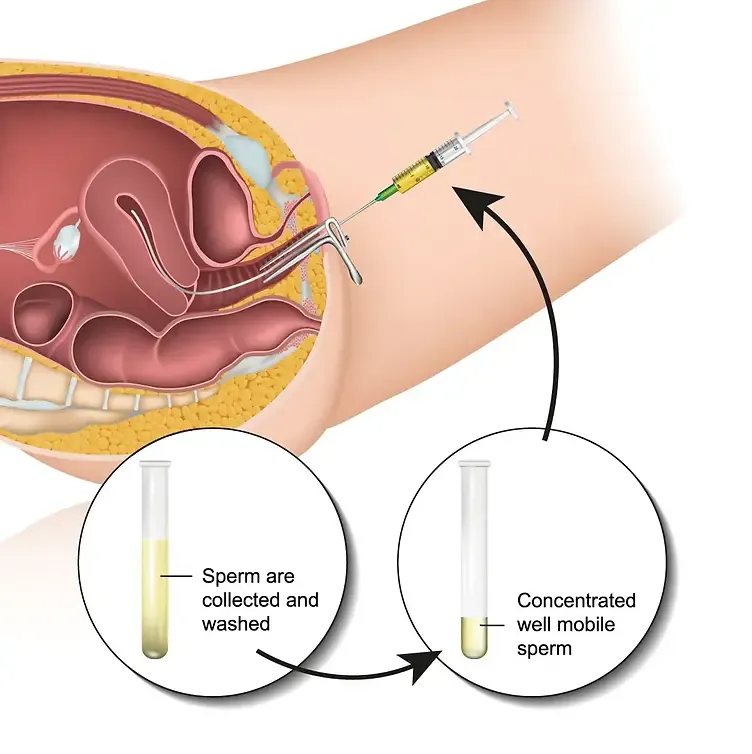
    Illustration of intrauterine insemination process, showing sperm collection and injection into the uterus.

    Fertility Acupuncture: A Natural Alternative to IVF

    3. Reduction of Stress and Anxiety: Trying to conceive can be a stressful and emotionally taxing experience. Acupuncture has been shown to reduce stress and anxiety levels, which can have a positive impact on fertility.

    4. Improved Quality of Eggs and Sperm: Studies have shown that acupuncture can improve the quality of both eggs and sperm, making them more viable for fertilization.

    5. Fewer Side Effects: Unlike conventional fertility treatments, acupuncture has little to no side effects, making it a safer alternative for those who are unable to tolerate medications.

    Fertility Acupuncture vs. IVF

    Many couples turn to IVF when fertility treatments fail, but it can be a costly and invasive procedure with a low success rate. In contrast, fertility acupuncture is a non-invasive and more affordable option that can be used alone or in conjunction with IVF. Some studies have shown that combining acupuncture with IVF can increase the success rates of IVF by up to 65%.

    Furthermore, IVF can be emotionally and physically taxing for women, whereas fertility acupuncture can help reduce stress and promote overall well-being. It can also be used as a natural way to prepare the body for IVF, increasing the chances of success.

    Is Fertility Acupuncture Right for You?

    While fertility acupuncture has shown promising results, it is not a miracle cure for infertility. It may not work for everyone, and it is essential to consult with a qualified acupuncturist who specializes in fertility issues. They can assess your individual situation and create a personalized treatment plan that addresses your specific needs.

    It is also essential to note that fertility acupuncture is not a quick fix. It may take several weeks or even months of regular sessions to see the full effects. However, many couples have found success with this natural alternative to IVF, and it is worth considering for those struggling with infertility.

    In summary, fertility acupuncture is a safe and natural alternative to conventional fertility treatments like IVF. It can improve blood flow, regulate hormones, reduce stress, and improve the quality of eggs and sperm, all of which can increase the chances of conception. It is a non-invasive and more affordable option that can be used alone or in conjunction with IVF. While it may not work for everyone, many couples have found success with this ancient practice, making it a viable option for those struggling with infertility.

  • Fertility Acupuncture: A Natural Approach to Conception

    Fertility Acupuncture: A Natural Approach to Conception

    For many couples, conceiving a child can be a challenging and emotional journey. With the rise of infertility rates in recent years, more and more people are turning to alternative methods to help them achieve their dream of starting a family. One such method that has gained popularity is fertility acupuncture. This ancient Chinese practice has been used for centuries to promote overall health and well-being, but it has also been found to be an effective treatment for fertility issues. In this blog post, we will explore the benefits of fertility acupuncture and how it can be a natural approach to conception.

    What is Fertility Acupuncture?

    Acupuncture is a form of Traditional Chinese Medicine (TCM) that involves the insertion of thin needles into specific points on the body to stimulate the flow of energy, known as Qi. When it comes to fertility acupuncture, the focus is on balancing the body’s energy and addressing any underlying imbalances that may be preventing conception. According to TCM, the body’s energy flow can be disrupted by various factors such as stress, poor diet, and environmental toxins, which can affect fertility.

    How Does Fertility Acupuncture Work?

    Fertility acupuncture works by targeting specific points on the body, which are believed to correspond to the reproductive organs and hormonal system. These points, when stimulated, can help regulate the menstrual cycle, improve egg quality, and increase blood flow to the uterus, which can enhance the chances of conception. Acupuncture can also help reduce stress and anxiety levels, which are known to have a negative impact on fertility.

    Benefits of Fertility Acupuncture

    1. Regulates Hormones: Hormonal imbalances can be a major cause of infertility. Acupuncture can help regulate the body’s hormone levels, which can improve ovulation and increase the chances of conception.

    Illustration of IUI procedure with uterus and syringe against a DNA background.

    Fertility Acupuncture: A Natural Approach to Conception

    2. Increases Blood Flow to the Reproductive Organs: Acupuncture can help increase blood flow to the uterus, ovaries, and testes, which can improve the quality of eggs and sperm and increase the chances of fertilization.

    3. Reduces Stress: The journey of trying to conceive can be stressful and emotionally draining. Acupuncture can help reduce stress levels and promote relaxation, which can have a positive impact on fertility.

    4. Improves Egg Quality: As women age, the quality of their eggs can decline, making it more difficult to conceive. Acupuncture can help improve the quality of eggs by increasing blood flow to the ovaries and balancing hormone levels.

    5. Increases Success Rates of Assisted Reproductive Techniques: Studies have shown that acupuncture can increase the success rates of assisted reproductive techniques, such as in vitro fertilization (IVF) and intrauterine insemination (IUI). Acupuncture can help prepare the body for these procedures by improving the uterine lining and reducing stress levels.

    Is Fertility Acupuncture Right for You?

    Fertility acupuncture is a safe and natural approach to conception that can benefit both men and women. It is a non-invasive treatment with minimal side effects, making it a viable option for couples who want to avoid or supplement medical interventions. However, it is essential to consult with a licensed acupuncturist who specializes in fertility to determine if this treatment is suitable for your specific situation.

    In addition to fertility acupuncture, acupuncturists may also recommend herbal supplements, dietary changes, and lifestyle modifications to support overall reproductive health. It is crucial to work with a qualified practitioner who can create a personalized treatment plan tailored to your needs.

    In summary, fertility acupuncture is a natural and holistic approach to conception that can help regulate hormones, improve egg and sperm quality, reduce stress, and increase the chances of pregnancy. It is a safe and effective treatment that can benefit couples struggling with infertility. If you are considering fertility acupuncture, be sure to consult with a qualified practitioner to determine the best course of treatment for you.

  • The Role of Nutrition in Fertility: Foods That Can Boost Natural Conception and Assisted Reproduction

    Blog Post:

    The journey to parenthood can be a challenging and emotional one, especially for couples struggling with fertility issues. While there are various factors that can affect fertility, one important aspect that often gets overlooked is nutrition. The food we eat plays a significant role in our overall health, including reproductive health. In this blog post, we will explore the role of nutrition in fertility and discuss the foods that can boost natural conception and assisted reproduction.

    The Link Between Nutrition and Fertility

    It is no secret that a well-balanced and nutritious diet is crucial for maintaining good health. But when it comes to fertility, the impact of nutrition becomes even more significant. Our bodies require certain nutrients to function properly, and this includes our reproductive system. The food we eat provides our bodies with the necessary vitamins, minerals, and other essential nutrients that are responsible for regulating hormones and supporting the reproductive organs.

    Inadequate nutrition can lead to hormonal imbalances, which can affect ovulation and sperm production. It can also lead to poor egg and sperm quality, making it more challenging to conceive. Studies have shown that women who follow a healthy and balanced diet have a higher chance of getting pregnant compared to those with a poor diet. Additionally, proper nutrition can also improve the success rates of fertility treatments such as IVF and IUI.

    Foods That Can Boost Natural Conception

    1. Leafy Greens – Leafy greens like spinach, kale, and broccoli are rich in folate, a B-vitamin that is crucial for reproductive health. Folate helps in the production of healthy eggs and sperm and reduces the risk of birth defects.

    2. Whole Grains – Whole grains, such as oats, quinoa, and brown rice, are a great source of complex carbohydrates, which provide a steady supply of energy to the body. They also contain fiber, which helps in regulating blood sugar levels and hormone balance.

    3. Healthy Fats – Healthy fats, such as omega-3 fatty acids found in salmon, avocado, and nuts, are essential for reproductive health. They help in regulating hormone levels and improving blood flow to the reproductive organs.

    4. Berries – Berries are packed with antioxidants, which help in protecting the eggs and sperm from free radical damage. They are also a great source of vitamin C, which is essential for healthy sperm production.

    5. Lean Protein – Lean protein sources like chicken, fish, and beans contain amino acids, which are the building blocks of cells and tissues. They are also important for hormone production and regulation.

    IVF vs IUI comparison with illustrations of reproductive processes and a flower on a pregnant belly.

    The Role of Nutrition in Fertility: Foods That Can Boost Natural Conception and Assisted Reproduction

    6. Dairy Products – Dairy products like milk, cheese, and yogurt are rich in calcium, which is crucial for maintaining healthy bones and muscles. They also contain vitamin D, which plays a vital role in fertility by regulating hormone levels.

    7. Water – Staying hydrated is crucial for overall health, including reproductive health. Drinking enough water can help in regulating hormone levels, improving egg and sperm quality, and maintaining a healthy cervical mucus.

    Foods That Can Boost Assisted Reproduction

    1. Avocados – Avocados are a rich source of monounsaturated fats, which can help in improving the success rates of IVF. They also contain vitamin E, which can improve the quality of the uterine lining.

    2. Maca Root – Maca root is a superfood that has been used for centuries to boost fertility. It is rich in essential vitamins and minerals and has been shown to improve sperm and egg quality, regulate hormones, and increase libido.

    3. Pomegranate – Pomegranate is packed with antioxidants, which can help in improving the quality of the eggs and sperm. It also has anti-inflammatory properties, which can reduce inflammation in the reproductive organs and improve their function.

    4. Brazil Nuts – Brazil nuts are a rich source of selenium, a mineral that is essential for sperm production and motility. They also contain zinc, which is crucial for male fertility.

    5. Dark Chocolate – Dark chocolate contains flavonoids, which have been shown to improve sperm quality and increase sperm count. It is also a mood booster, which can be beneficial for couples going through the stressful process of assisted reproduction.

    In conclusion, a healthy and balanced diet is crucial for both natural conception and assisted reproduction. Incorporating these foods into your diet can improve your chances of conceiving and support the success of fertility treatments. Remember to also consult with your doctor or a registered dietitian to ensure you are getting all the necessary nutrients for optimal reproductive health.

    Summary:

    Nutrition plays a crucial role in fertility, affecting both natural conception and assisted reproduction. Adequate nutrition is essential for regulating hormones, supporting reproductive organs, and improving egg and sperm quality. Incorporating foods like leafy greens, whole grains, healthy fats, berries, and lean proteins can boost natural conception. For assisted reproduction, foods like avocados, maca root, pomegranate, brazil nuts, and dark chocolate are beneficial. Consult with your doctor or a registered dietitian for personalized recommendations.