Tag: herbal medicine

  • Holistic Fertility Treatments for PCOS: Addressing the Root Cause

    Title: Holistic Fertility Treatments for PCOS: Addressing the Root Cause

    Polycystic Ovary Syndrome (PCOS) affects 1 in 10 women of reproductive age, making it one of the most common hormonal disorders in women. It is a complex condition that can cause a range of symptoms, including irregular periods, weight gain, acne, and fertility problems. While conventional treatments may offer relief from the symptoms, they often fail to address the root cause of PCOS. This is where holistic fertility treatments come in – they aim to address the underlying imbalances in the body that are causing PCOS, rather than just treating the symptoms. In this blog post, we will explore some holistic fertility treatments that can help women with PCOS achieve a healthy pregnancy by addressing the root cause of their condition.

    1. Diet and Nutrition
    Diet and nutrition play a crucial role in managing PCOS. Women with PCOS often have insulin resistance, which means that their cells are less responsive to insulin, leading to high levels of insulin in the blood. This results in the ovaries producing excess androgens (male hormones), which can disrupt ovulation and cause other symptoms of PCOS. A diet that is low in sugar and refined carbohydrates and high in healthy fats, protein, and fiber can help manage insulin resistance and balance hormone levels. Foods like green leafy vegetables, lean protein, and healthy fats like avocados, nuts, and olive oil should be incorporated into the diet. Additionally, supplements like inositol, folic acid, and vitamin D can also help improve insulin sensitivity and regulate menstrual cycles in women with PCOS.

    2. Acupuncture
    Acupuncture is an ancient Chinese therapy that involves inserting thin needles into specific points on the body to stimulate energy flow. In the case of PCOS, acupuncture can help regulate hormone levels, reduce inflammation, and promote ovulation. Several studies have shown that acupuncture can improve menstrual regularity, reduce testosterone levels, and increase the chances of pregnancy in women with PCOS. It is a safe and natural treatment with little to no side effects, making it a popular choice among women with PCOS who are trying to conceive.

    3. Herbal Medicine
    Herbal medicine has been used for centuries to treat various health conditions, including PCOS. There are several herbs that have been found to be effective in treating PCOS by balancing hormones, reducing inflammation, and improving insulin sensitivity. Some of the most commonly used herbs for PCOS include cinnamon, spearmint, licorice root, and saw palmetto. However, it is important to consult a qualified herbalist or naturopath before incorporating any herbal remedies into your PCOS treatment plan, as some herbs may interact with medications or have side effects.
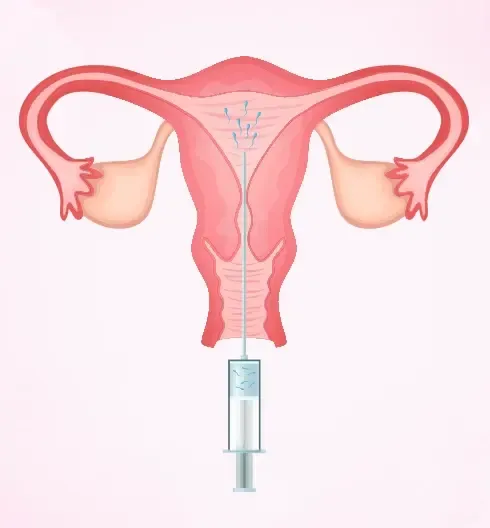
    Illustration of a uterus with a syringe indicating an intrauterine insemination procedure.

    Holistic Fertility Treatments for PCOS: Addressing the Root Cause

    4. Stress Management
    Stress can have a significant impact on hormone levels and ovulation in women with PCOS. Cortisol, the stress hormone, can disrupt the delicate balance of hormones in the body, leading to irregular periods and fertility problems. It is essential to find ways to manage stress and incorporate relaxation techniques into your daily routine. This can include practicing yoga or meditation, going for walks in nature, or spending time doing activities that you enjoy. Reducing stress levels can help regulate hormone levels and improve fertility in women with PCOS.

    5. Exercise
    Regular exercise is crucial for women with PCOS as it can help improve insulin sensitivity, regulate menstrual cycles, and manage weight. Women with PCOS are often advised to engage in moderate to high-intensity exercises like strength training, cardio, and high-intensity interval training (HIIT). These types of exercises can help burn fat, improve insulin sensitivity, and regulate hormone levels. However, it is important to find an exercise routine that works for you and to not over-exercise, as excessive exercise can also disrupt hormone levels.

    6. Mind-Body Therapies
    Mind-body therapies like meditation, mindfulness, and cognitive-behavioral therapy (CBT) can be beneficial for women with PCOS. These therapies can help reduce stress, improve mood, and promote a positive mindset, which can be helpful in managing PCOS. CBT, in particular, can also help address any negative thoughts or beliefs that may contribute to stress and anxiety in women with PCOS. By incorporating mind-body therapies into your PCOS treatment plan, you can improve your overall well-being and increase your chances of conceiving.

    In conclusion, holistic fertility treatments can be highly effective in managing PCOS and improving fertility by addressing the root cause of the condition. By incorporating diet and nutrition, acupuncture, herbal medicine, stress management, exercise, and mind-body therapies into your treatment plan, you can balance your hormones, regulate your menstrual cycles, and increase your chances of conceiving naturally. It is important to work with a qualified healthcare practitioner who can create a personalized treatment plan tailored to your specific needs and monitor your progress along the way. With a holistic approach, women with PCOS can overcome their fertility struggles and achieve a healthy pregnancy.

    Summary:
    Polycystic Ovary Syndrome (PCOS) affects 1 in 10 women and is a common hormonal disorder that can cause fertility problems. Holistic fertility treatments aim to address the root cause of PCOS by balancing hormones, reducing inflammation, and improving insulin sensitivity. These treatments include diet and nutrition, acupuncture, herbal medicine, stress management, exercise, and mind-body therapies. By incorporating these treatments into your PCOS treatment plan, you can improve your overall health and increase your chances of conceiving naturally.
  • The Role of Traditional Chinese Medicine in Holistic Fertility Treatments

    Blog Post:

    Traditional Chinese Medicine (TCM) has been used for thousands of years to treat various health conditions, including infertility. In recent years, there has been a growing interest in using TCM as a holistic approach to fertility treatments. This ancient practice focuses on balancing the body, mind, and spirit to promote overall health and well-being. In this blog post, we will explore the role of TCM in holistic fertility treatments and how it can help couples struggling with infertility.

    Understanding Traditional Chinese Medicine

    TCM is a comprehensive medical system that includes various practices such as acupuncture, herbal medicine, dietary therapy, and mind-body exercises like tai chi and qigong. It is based on the belief that the body is a complex system of interconnected energy channels, or meridians, and the balance of this energy, known as qi, is essential for good health. When there is an imbalance in the flow of qi, it can lead to illness and disease.

    TCM practitioners use various techniques to restore balance and promote the body’s natural healing abilities. Acupuncture, for example, involves inserting thin needles into specific points on the body to stimulate the flow of qi and promote healing. Herbal medicine, on the other hand, uses natural substances like plants, minerals, and animal products to treat various health conditions.

    TCM and Fertility

    According to TCM principles, infertility is often caused by an imbalance in the body, which can be attributed to factors such as stress, poor diet, and emotional disturbances. TCM practitioners believe that by restoring balance and promoting the body’s natural healing abilities, fertility can be improved. Here are some ways in which TCM can help with fertility:

    1. Regulating the Menstrual Cycle

    In TCM, the menstrual cycle is seen as a reflection of a woman’s overall health. Irregular or painful periods are often considered signs of underlying imbalances in the body. TCM treatments aim to regulate the menstrual cycle by addressing these imbalances, which can help with fertility. Acupuncture and herbal medicine can be used to regulate hormones and improve blood flow to the reproductive organs, promoting a healthy menstrual cycle.

    2. Improving Egg Quality

    TCM can also help improve the quality of a woman’s eggs. According to TCM, the kidneys are responsible for storing the essence of life, which is essential for fertility. By nourishing the kidneys, TCM treatments can help improve the quality of eggs and increase the chances of conception.

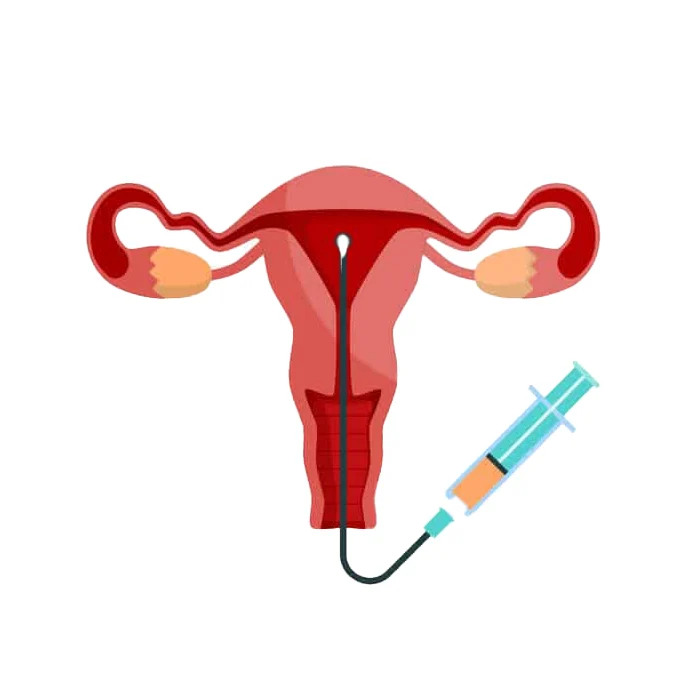
    illustration of a uterus with a syringe for intrauterine insemination (IUI) procedure

    The Role of Traditional Chinese Medicine in Holistic Fertility Treatments

    3. Boosting Sperm Quality and Count

    TCM is not just beneficial for women struggling with fertility; it can also help men. Studies have shown that acupuncture and herbal medicine can improve sperm quality and count, which can increase the chances of conception. TCM treatments can also help address issues such as low libido and erectile dysfunction, which can contribute to male infertility.

    4. Reducing Stress and Anxiety

    Stress and anxiety are common factors that can contribute to infertility. TCM treatments can help reduce stress and promote relaxation, which can have a positive impact on fertility. Acupuncture, in particular, has been shown to stimulate the production of endorphins, the body’s natural “feel-good” hormones, which can help reduce stress and promote a sense of well-being.

    5. Supporting Assisted Reproductive Technology (ART)

    TCM can also be used in conjunction with conventional fertility treatments such as in vitro fertilization (IVF) or intrauterine insemination (IUI). Studies have shown that acupuncture can improve the success rates of these treatments by promoting blood flow to the uterus and increasing the chances of implantation. TCM can also help reduce the side effects of fertility medications and improve overall reproductive health.

    In addition to the above, TCM also focuses on the overall well-being of the individual, which can have a significant impact on fertility. TCM practitioners may recommend dietary changes, stress management techniques, and mind-body exercises to support fertility treatments.

    In Summary

    TCM offers a holistic approach to fertility treatments, focusing on balancing the body, mind, and spirit to promote overall health and well-being. By addressing underlying imbalances in the body, TCM can help regulate the menstrual cycle, improve egg and sperm quality, reduce stress and anxiety, and support assisted reproductive technology. It is a safe and natural way to promote fertility and can be used in conjunction with conventional fertility treatments.

    In conclusion, TCM can play a significant role in holistic fertility treatments, offering a natural and effective approach for couples struggling with infertility. By understanding and addressing the root causes of infertility, TCM can help restore balance and promote fertility in a gentle and non-invasive way.

    SEO metadata:

  • Overcoming Infertility with Holistic Healing Techniques

    Blog Post Title: Overcoming Infertility with Holistic Healing Techniques

    Infertility is a condition that affects millions of couples around the world. It can be a physically and emotionally draining experience, leaving many feeling hopeless and frustrated. While there are traditional medical treatments available, many couples are turning to holistic healing techniques to help them overcome infertility. In this blog post, we will explore the various holistic healing techniques that can be used to address infertility and offer hope to those struggling to conceive.

    What is Infertility?

    Infertility is defined as the inability to conceive after trying for at least one year. It can be caused by a variety of factors including hormonal imbalances, structural issues, medical conditions, and lifestyle choices. Both men and women can experience infertility, and it can be a result of one or multiple factors. While it is a common issue, it can still be a very isolating and emotional experience for those affected.

    Holistic Healing Techniques for Infertility

    Holistic healing is a form of alternative medicine that focuses on treating the whole person, rather than just the symptoms of a specific condition. It takes into account the physical, emotional, and spiritual aspects of a person’s health and seeks to achieve balance and harmony in all areas. When it comes to infertility, holistic healing techniques can offer a more comprehensive approach to addressing the root causes of the issue.

    1. Acupuncture

    Acupuncture is an ancient Chinese healing practice that involves the insertion of thin needles into specific points on the body to promote balance and harmony. It has been used for centuries to treat a variety of health issues, including infertility. Studies have shown that acupuncture can help regulate hormonal imbalances, improve blood flow to the reproductive organs, and reduce stress levels, all of which can contribute to fertility issues. Many couples have found success in conceiving after undergoing regular acupuncture treatments.

    2. Herbal Medicine

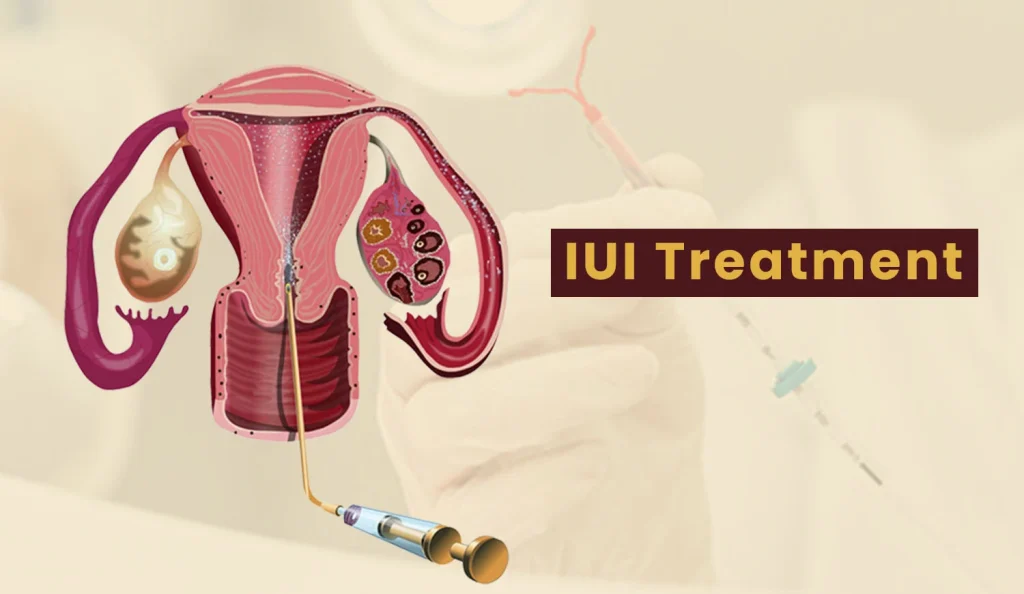
    illustration of the uterus and ovaries with a syringe, labeled "IUI Treatment" in the background

    Overcoming Infertility with Holistic Healing Techniques

    Herbal medicine has been used for centuries in traditional healing practices around the world. It involves the use of plants and herbs to treat various health conditions. When it comes to infertility, certain herbs can be used to regulate hormones, improve egg quality, and support the reproductive system. Some commonly used herbs for fertility include maca, red raspberry leaf, and vitex. It is important to consult with a qualified herbalist before taking any herbal supplements, as they can interact with other medications or have side effects.

    3. Mind-Body Techniques

    The mind and body are closely connected, and stress and emotional factors can have a significant impact on our physical health. Mind-body techniques such as yoga, meditation, and hypnotherapy can help reduce stress levels and promote relaxation, which can be beneficial for those struggling with infertility. These techniques can also help couples cope with the emotional toll that infertility can take, and create a more positive mindset for conception.

    4. Nutrition and Diet

    What we put into our bodies has a direct impact on our overall health, including fertility. Following a healthy and balanced diet can help regulate hormones, improve egg and sperm quality, and support the reproductive system. Some key nutrients for fertility include folic acid, iron, and omega-3 fatty acids. It is also important to limit or avoid processed foods, alcohol, and caffeine, as these can have a negative impact on fertility.

    5. Traditional Chinese Medicine

    Traditional Chinese Medicine (TCM) is a holistic healing system that has been used for thousands of years to treat a variety of health conditions. It involves the use of techniques such as acupuncture, herbal medicine, massage, and dietary therapy to restore balance and harmony in the body. TCM can be particularly beneficial for those struggling with fertility issues, as it addresses both physical and emotional aspects of health.

    Summary:

    Infertility is a common and emotionally challenging issue that affects many couples. While traditional medical treatments are available, many are turning to holistic healing techniques to address the root causes of infertility. Acupuncture, herbal medicine, mind-body techniques, nutrition, and Traditional Chinese Medicine are all effective holistic approaches to addressing infertility. By treating the whole person, these techniques can help regulate hormones, improve egg and sperm quality, and reduce stress levels, all of which can contribute to fertility issues. If you are struggling with infertility, consider incorporating these holistic healing techniques into your journey towards conception.

  • Breaking Down the Differences: Holistic vs Western Medicine Fertility Treatments

    Blog post:

    When it comes to fertility treatments, there are two major approaches that individuals and couples can choose from: holistic and Western medicine. Both have their own unique methods and philosophies, and it can be overwhelming to navigate through the differences. In this blog post, we will break down the key differences between holistic and Western medicine fertility treatments, so you can make an informed decision about which approach is right for you.

    Holistic Fertility Treatments

    Holistic fertility treatments focus on treating the whole person, rather than just the symptoms of infertility. This approach takes into account a person’s physical, emotional, and spiritual well-being, and aims to address any underlying issues that may be contributing to fertility problems. Holistic treatments often involve a combination of natural therapies, such as herbal medicine, acupuncture, and lifestyle changes, to promote overall health and balance in the body.

    One of the main principles of holistic medicine is that the body has the ability to heal itself, given the right tools and support. Therefore, holistic fertility treatments aim to support and enhance the body’s natural fertility processes, rather than using medical interventions to force a desired outcome.

    Acupuncture, a form of traditional Chinese medicine, is a popular holistic treatment for infertility. It involves the insertion of thin needles into specific points on the body to stimulate energy flow and promote balance. Studies have shown that acupuncture can improve blood flow to the reproductive organs, regulate hormone levels, and reduce stress and anxiety, all of which can contribute to fertility issues.

    Herbal medicine is another common holistic treatment for infertility. Certain herbs are believed to have properties that can improve reproductive health and increase fertility. For example, red raspberry leaf is thought to strengthen the uterus and improve the chances of implantation, while maca root is believed to regulate hormone levels and improve sperm quality.

    Other holistic approaches to fertility treatment may include dietary changes, such as increasing intake of fertility-boosting foods, and stress-reducing techniques like yoga and meditation. These treatments aim to create a healthy and balanced environment within the body to support fertility.

    Western Medicine Fertility Treatments

    Cost breakdown for IUI components, including requirements, impacts, and alternatives.

    Breaking Down the Differences: Holistic vs Western Medicine Fertility Treatments

    On the other hand, Western medicine fertility treatments focus on diagnosing and treating specific medical conditions that may be causing infertility. This approach involves the use of medical interventions, such as fertility drugs, assisted reproductive technology (ART), and surgery, to address issues with ovulation, sperm count or quality, and other physical factors that may be hindering fertility.

    Fertility drugs, such as Clomid, are commonly used in Western medicine to stimulate ovulation in women who are not ovulating regularly. These drugs work by regulating hormone levels and increasing the chances of ovulation, thereby increasing the chances of pregnancy. However, they may come with side effects and carry a risk of multiple births.

    ART, which includes procedures such as in vitro fertilization (IVF) and intrauterine insemination (IUI), involves the use of medical technology to assist in the conception process. IVF, for example, involves fertilizing an egg with sperm in a laboratory and then implanting the resulting embryo into the woman’s uterus. This method can be effective, but it can also be expensive and emotionally taxing.

    Surgery may also be recommended in certain cases, such as if a woman has blocked fallopian tubes or endometriosis, which can interfere with fertility. Surgery aims to correct these physical issues and increase the chances of conception.

    The main difference between holistic and Western medicine fertility treatments is the approach to addressing fertility problems. While Western medicine focuses on treating specific medical conditions, holistic medicine takes a more holistic view of the body and aims to create a healthy and balanced environment for fertility to thrive.

    Which Approach is Right for You?

    Choosing between holistic and Western medicine fertility treatments is a personal decision that should be based on your individual needs and preferences. If you are looking for a more natural and gentle approach, holistic treatments may be a better fit for you. However, if you have a diagnosed medical condition that requires medical intervention, Western medicine treatments may be the best option.

    It is important to note that both approaches can be used together, and many people find success in combining the two. For example, some couples may use fertility drugs to stimulate ovulation while also incorporating acupuncture and herbal medicine to support the process.

    In summary, holistic and Western medicine fertility treatments differ in their approach to addressing fertility issues. Holistic treatments focus on treating the whole person and promoting balance in the body, while Western medicine treatments target specific medical conditions. Ultimately, the best approach for you will depend on your individual needs and preferences.

    SEO metadata:

  • The Link between Traditional Chinese Medicine and Fertility Acupuncture

    Blog Post:

    Traditional Chinese Medicine (TCM) has been used for centuries to promote overall health and well-being. One aspect of TCM that has gained popularity in recent years is fertility acupuncture. This ancient practice has been shown to have a positive impact on fertility and has become a sought-after treatment for couples struggling to conceive. In this blog post, we will explore the link between traditional Chinese medicine and fertility acupuncture, and how it can help improve the chances of conception.

    Understanding Traditional Chinese Medicine

    Before diving into the connection between TCM and fertility acupuncture, it is crucial to have a basic understanding of TCM principles. TCM is a holistic approach to healthcare that focuses on balancing the body’s energy or Qi (pronounced “chee”) to promote overall health. According to TCM, the body has a network of meridians or pathways through which Qi flows. Any disruption or blockage in these meridians can lead to illness or disease.

    TCM practitioners use various techniques to balance Qi, including acupuncture, herbal medicine, massage, and dietary therapy. Acupuncture is the most well-known and widely used technique, which involves inserting thin needles into specific points along the body’s meridians to stimulate Qi flow and promote healing.

    How TCM Can Impact Fertility

    According to TCM, infertility is caused by an imbalance in the body’s Qi, which can be due to various factors such as stress, poor diet, or underlying health conditions. By restoring the balance of Qi, TCM can help improve fertility and increase the chances of conception.

    TCM practitioners believe that the reproductive organs are connected to specific meridians and acupuncture points. By targeting these points, acupuncture can help regulate the menstrual cycle, improve blood flow to the reproductive organs, and balance hormones. It can also reduce stress and promote relaxation, which can have a significant impact on fertility.

    Studies have shown that acupuncture can regulate the hypothalamic-pituitary-ovarian (HPO) axis, which is responsible for producing and regulating hormones involved in the menstrual cycle and ovulation. By balancing the HPO axis, acupuncture can help regulate the menstrual cycle and improve ovulation, increasing the chances of conception.

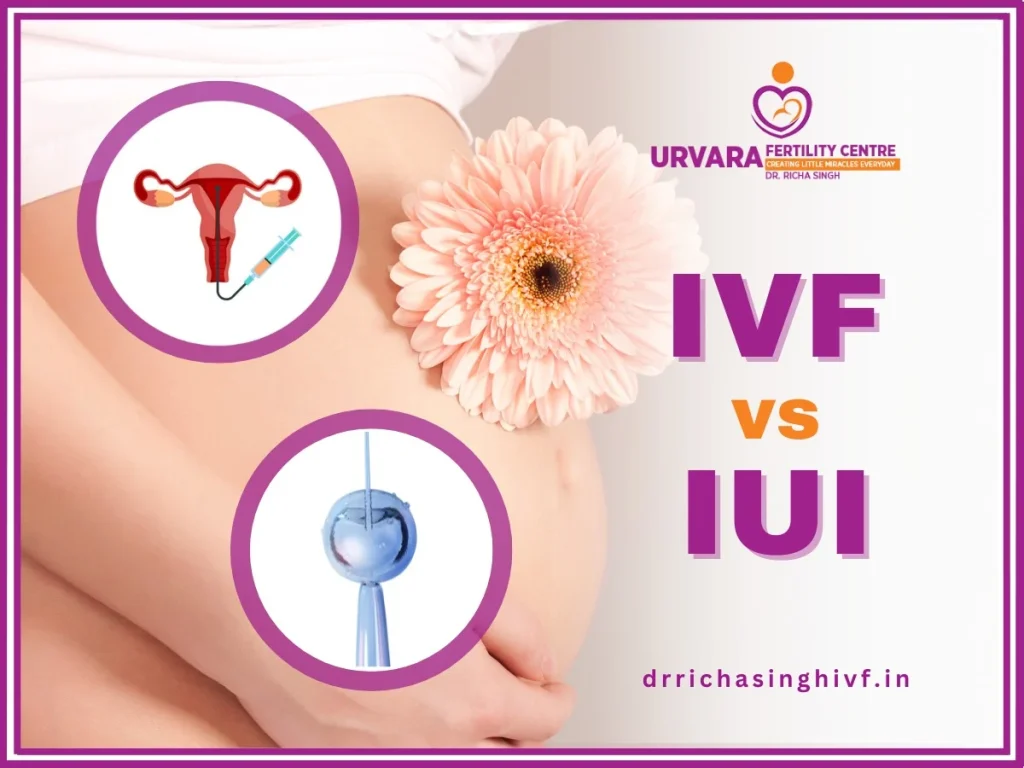
    IVF vs IUI comparison with illustrations of reproductive processes and a flower on a pregnant belly.

    The Link between Traditional Chinese Medicine and Fertility Acupuncture

    Acupuncture has also been shown to improve the quality of eggs and sperm. A study published in the Journal of Integrative Medicine found that acupuncture can increase the number of mature eggs and improve the quality of sperm in men with infertility issues. Acupuncture can also reduce inflammation in the body, which can have a positive impact on fertility.

    Fertility acupuncture can also help with underlying health conditions that may be contributing to infertility. TCM practitioners take a holistic approach to healthcare, considering the mind, body, and spirit as interconnected. By addressing any underlying health issues, such as thyroid problems or polycystic ovary syndrome (PCOS), acupuncture can help improve overall health and increase fertility.

    The Role of Herbal Medicine in Fertility

    Herbal medicine is another essential aspect of TCM that can have a positive impact on fertility. TCM practitioners use a combination of herbs to create personalized formulas for their patients, based on their specific needs and underlying health issues.

    Herbal medicine can help balance hormones, regulate the menstrual cycle, and improve egg quality. It can also address underlying health conditions that may be contributing to infertility. Unlike pharmaceutical drugs, which often have side effects, herbal medicine is natural and has minimal side effects. It can also be used in conjunction with other fertility treatments such as IVF to improve success rates.

    Combining TCM and Modern Fertility Treatments

    Many couples turn to TCM and fertility acupuncture after struggling with modern fertility treatments such as IVF or IUI. TCM can help prepare the body for these treatments by improving overall health, reducing stress, and balancing hormones. It can also help reduce the side effects of these treatments, such as bloating and mood swings.

    Studies have shown that combining acupuncture with IVF can significantly improve success rates. A study published in the Journal of Chinese Medicine found that women who received acupuncture before and after embryo transfer had a significantly higher pregnancy rate compared to those who did not receive acupuncture.

    Summary:

    Traditional Chinese Medicine (TCM) is a holistic approach to healthcare that focuses on balancing the body’s energy or Qi to promote overall health. Fertility acupuncture, a practice rooted in TCM, has gained popularity for its ability to improve fertility and increase the chances of conception. By targeting specific points along the body’s meridians, acupuncture can regulate the menstrual cycle, improve hormone balance, and increase the quality of eggs and sperm. Herbal medicine, another aspect of TCM, can also play a crucial role in promoting fertility by addressing underlying health issues and balancing hormones. Combining TCM with modern fertility treatments, such as IVF, can significantly improve success rates and reduce side effects. Overall, the link between traditional Chinese medicine and fertility acupuncture can offer hope and help to couples struggling to conceive.