Blog Post: The Impact of Diet and Exercise on Male and Female Factor Infertility
Infertility is a condition that affects approximately 1 in 8 couples worldwide. While there are various factors that can contribute to infertility, diet and exercise are often overlooked when it comes to male and female fertility. In this blog post, we will explore the impact of diet and exercise on male and female factor infertility, and how making changes to these lifestyle factors can potentially improve fertility outcomes.
The Link Between Diet and Infertility
Diet plays a crucial role in overall health and can have a significant impact on fertility. For women, being underweight or overweight can lead to hormonal imbalances and disrupt the menstrual cycle, making it difficult to conceive. On the other hand, obesity can also lead to insulin resistance, which can interfere with ovulation. In fact, a study published in the journal Obstetrics and Gynecology found that women with a BMI of 35 or higher were 26% more likely to experience infertility.
In addition to weight, certain foods and nutrients can also affect fertility. For example, trans fats found in processed and fried foods have been linked to ovulatory infertility, while a diet rich in whole grains, fruits, vegetables, and healthy fats has been associated with a lower risk of infertility. Furthermore, low levels of antioxidants in the diet, such as vitamin C and E, have been linked to male factor infertility, as they play a vital role in sperm health and function.
The Role of Exercise in Fertility
Exercise is also an essential factor in maintaining a healthy weight and improving fertility. For women, regular physical activity has been associated with a lower risk of ovulatory infertility. In fact, a study published in the journal Obstetrics and Gynecology found that women who engaged in moderate to vigorous exercise for at least 30 minutes a day had a 30% lower risk of ovulatory infertility.
For men, exercise can also have a positive impact on fertility. A study published in the journal Fertility and Sterility found that men who exercised regularly had higher sperm counts and better sperm quality compared to those who were sedentary. Exercise has also been shown to improve testosterone levels, which is crucial for sperm production and overall reproductive health.
The Impact of Lifestyle Factors on IVF Success
For couples undergoing fertility treatments such as in vitro fertilization (IVF), lifestyle factors such as diet and exercise can also play a significant role in the success of the treatment. A study published in the Journal of Assisted Reproduction and Genetics found that women who followed a healthy diet and engaged in moderate exercise had higher pregnancy rates and live birth rates compared to those who did not.
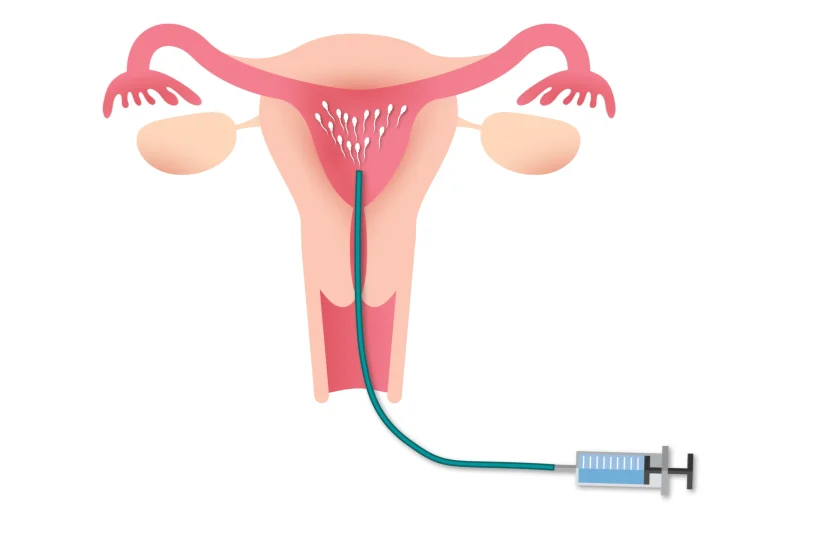
The Impact of Diet and Exercise on Male and Female Factor Infertility
Furthermore, another study published in the journal Fertility and Sterility found that men who followed a healthy lifestyle, including a balanced diet and regular exercise, had better sperm quality and increased IVF success rates. This suggests that making changes to lifestyle factors can potentially improve outcomes for couples undergoing fertility treatments.
Tips for a Fertility-Friendly Diet and Exercise Routine
If you are trying to conceive, here are some tips for incorporating a fertility-friendly diet and exercise routine into your lifestyle:
1. Maintain a healthy weight: Aim for a BMI between 18.5-24.9 for optimal fertility.
2. Eat a balanced diet: Focus on whole, unprocessed foods and include a variety of fruits, vegetables, lean proteins, and healthy fats in your diet. Limit your intake of processed and fried foods.
3. Incorporate fertility-boosting foods: Add foods rich in antioxidants, such as berries, leafy greens, and nuts, to your diet. Also, include sources of healthy fats, such as avocado, olive oil, and fatty fish.
4. Stay hydrated: Make sure to drink enough water throughout the day to support overall health and fertility.
5. Engage in moderate exercise: Aim for at least 30 minutes of moderate exercise, such as walking, cycling, or swimming, most days of the week.
6. Avoid excessive exercise: While regular exercise is beneficial for fertility, too much intense exercise can have a negative impact. Avoid excessive exercise and listen to your body’s signals.
7. Talk to your doctor: If you are struggling with infertility, consult with your doctor to determine the best diet and exercise plan for your specific situation.
In summary, diet and exercise play a significant role in male and female factor infertility. Maintaining a healthy weight, eating a balanced diet, and engaging in regular physical activity can potentially improve fertility outcomes for couples. By making simple changes to lifestyle factors, you can support your overall health and increase your chances of conceiving.