Fertility treatments have become increasingly popular in recent years, as more and more couples struggle with infertility. As a result, there has been a significant rise in the number of fertility clinics and hospitals offering these services. While both options provide the necessary medical care for fertility treatments, many patients are left wondering which one offers better post-treatment care. In this blog post, we will explore the differences between fertility clinics and hospitals in terms of post-treatment care and help you make an informed decision for your fertility journey.
Fertility Clinics: Specialized Care and Personalized Support
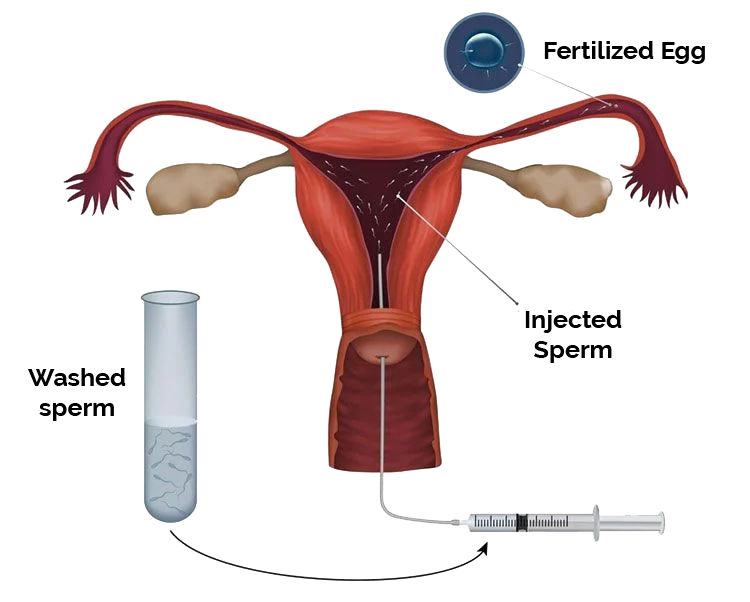
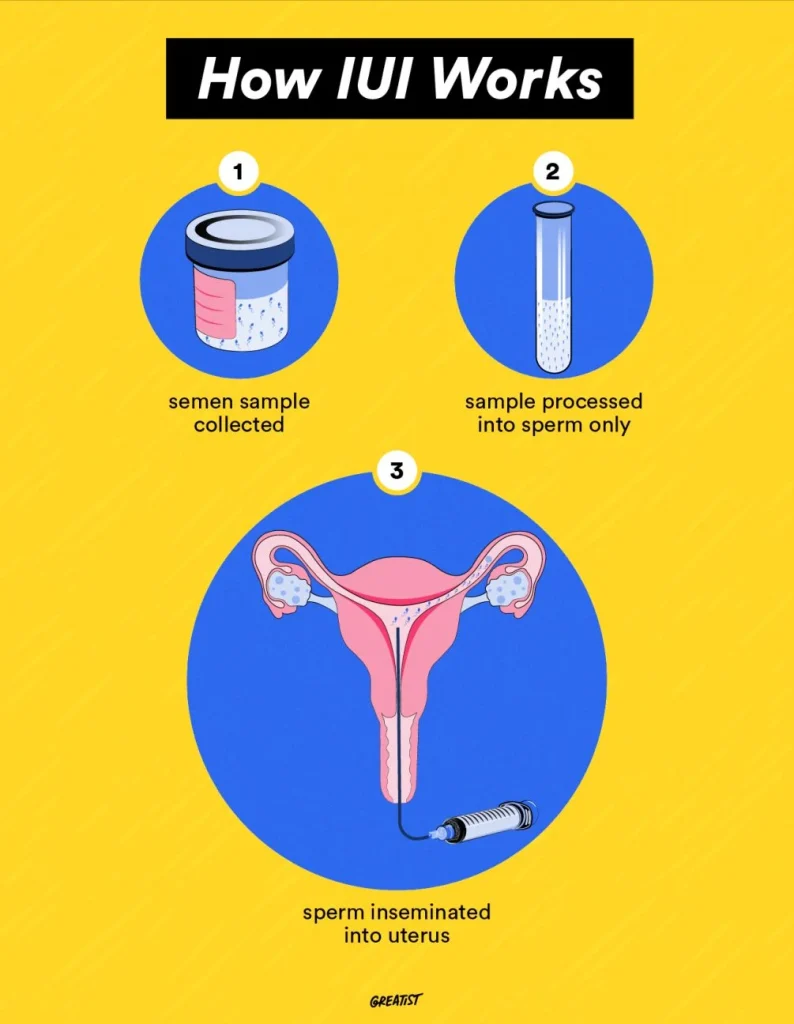
Fertility clinics are specialized medical facilities that focus solely on treating infertility. These clinics employ a team of experts, including reproductive endocrinologists, fertility specialists, and embryologists, who are highly trained in fertility treatments. This specialized team works closely with each patient to develop a personalized treatment plan, which may include in vitro fertilization (IVF), intrauterine insemination (IUI), or other assisted reproductive technologies.
One of the main advantages of fertility clinics is the personalized support and care that they offer. Unlike hospitals, fertility clinics are solely dedicated to treating infertility and have a deep understanding of the physical, emotional, and financial challenges that come with it. They often have support groups, counselors, and other resources to help patients cope with the emotional stress of fertility treatments. This holistic approach to post-treatment care can greatly benefit patients and improve their overall experience.
Moreover, fertility clinics often have a lower patient-to-staff ratio, allowing for more individualized attention and care. This can be particularly helpful during the post-treatment phase, as patients may have questions or concerns that require personalized attention. Fertility clinics also have more experience in dealing with the unique needs and challenges of fertility patients, making them better equipped to provide comprehensive post-treatment care.
Hospitals: Comprehensive Medical Care and Resources
Hospitals, on the other hand, are general medical facilities that offer a wide range of medical services, including fertility treatments. While they may not have the same level of specialization and personalized care as fertility clinics, they do have access to a wide range of medical resources and technologies. This can be particularly beneficial for patients who have underlying medical conditions that may affect their fertility or require additional medical attention during the treatment process.
Fertility Clinics vs Hospitals: Which Has Better Post-Treatment Care?
Furthermore, hospitals often have more resources and specialists available to handle any complications that may arise during or after fertility treatments. This can provide a sense of reassurance for patients who may be concerned about potential risks or complications. Additionally, hospitals have a structured and standardized approach to post-treatment care, ensuring that patients receive consistent and thorough follow-up care.
However, one of the drawbacks of hospitals is that fertility treatments may not be their primary focus. Thus, patients may not receive the same level of emotional and psychological support as they would in a fertility clinic. The busy and fast-paced environment of hospitals may also make it challenging for patients to develop a close relationship with their healthcare providers.
Which Option Has Better Post-Treatment Care?
When it comes to post-treatment care, there is no definitive answer as to which option is better. Both fertility clinics and hospitals have their own strengths and weaknesses. Ultimately, the best option for post-treatment care will depend on the individual needs and preferences of each patient.
For those who value personalized support and specialized care, fertility clinics may be the better option. On the other hand, patients who require a higher level of medical attention or have underlying health conditions may benefit from the resources and expertise available at hospitals.
It is essential to carefully research and consider all factors before making a decision. Patients should also communicate openly with their healthcare providers to ensure that their post-treatment care aligns with their needs and expectations.
In conclusion, fertility clinics and hospitals both play a significant role in providing post-treatment care for fertility patients. While fertility clinics offer personalized support and specialized care, hospitals provide comprehensive medical care and resources. Ultimately, the best option for post-treatment care will vary for each patient and depends on their unique circumstances.
SEO Metadata: