Tag: genetic screening

  • The Role of Donor Screening in Ensuring the Quality of Frozen and Fresh Donor Sperm

    The Role of Donor Screening in Ensuring the Quality of Frozen and Fresh Donor Sperm

    Donor sperm has been used for decades to help individuals and couples struggling with fertility issues to conceive. With advancements in technology, the use of donor sperm has become more accessible and widely used. However, with this increased demand, the importance of donor screening to ensure the quality of the sperm has become crucial.

    Donor screening is a process that involves thorough medical, genetic, and psychological evaluation of potential sperm donors. This process aims to assess the donor’s overall health, lifestyle, and medical history to determine their eligibility to donate sperm. Donor screening plays a crucial role in ensuring the quality of both frozen and fresh donor sperm, and in this blog post, we will explore why.

    Quality Control

    The primary purpose of donor screening is to maintain the quality of donor sperm. Sperm quality is essential for successful conception, and therefore, it is crucial to ensure that the donated sperm is of high quality. Donor screening helps to identify any potential genetic or medical issues that could affect the quality of the sperm. This includes screening for sexually transmitted diseases, genetic disorders, and other health conditions that could be passed on to the recipient or the child.

    Medical History

    During the donor screening process, potential donors are required to provide a detailed medical history. This information is crucial in determining the overall health of the donor and any potential risks that may affect the quality of the sperm. The medical history also includes any medications, supplements, or recreational drugs the donor may have taken, which could affect the sperm quality. This information is essential in selecting donors with the best sperm quality to increase the chances of successful conception.

    Genetic Screening

    Genetic screening is a crucial aspect of donor screening, as it helps to identify any potential genetic disorders that could be passed on to the child. This screening process involves testing for genetic diseases, such as cystic fibrosis, sickle cell anemia, and Tay-Sachs disease. The results of these tests help to determine the donor’s eligibility to donate sperm and also provide valuable information for the recipient to make informed decisions about the donor.

    Psychological Evaluation
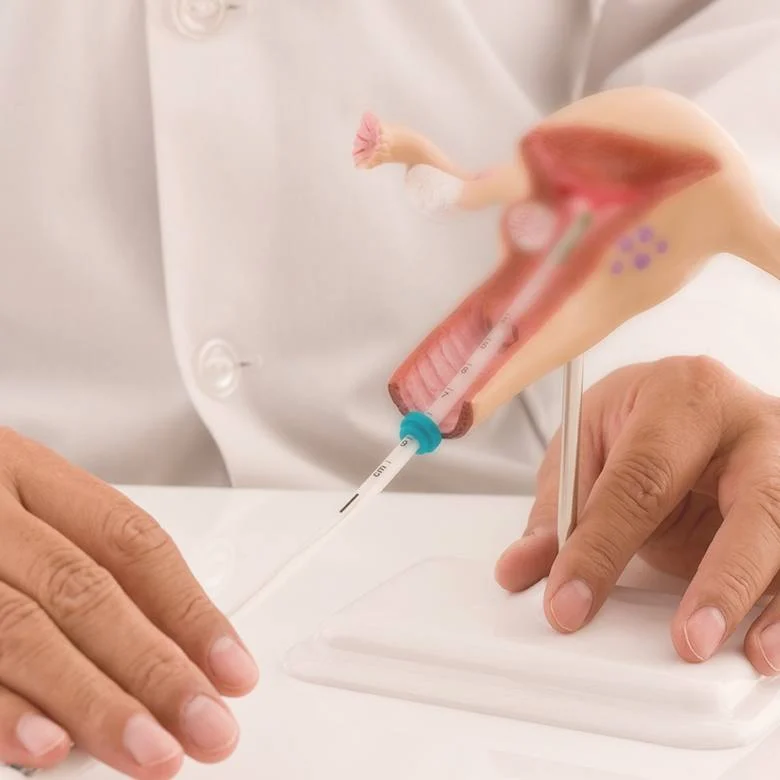
    model of the female reproductive system with a hand demonstrating intrauterine insemination technique

    The Role of Donor Screening in Ensuring the Quality of Frozen and Fresh Donor Sperm

    In addition to medical and genetic screening, potential donors also undergo a psychological evaluation. This process aims to assess the donor’s mental and emotional well-being, as well as their motivations for donating sperm. This evaluation helps to identify any potential psychological issues that could affect the donor’s ability to provide quality sperm. It also ensures that the donor is fully aware of the implications of their donation and is mentally prepared for the process.

    Fresh vs. Frozen Donor Sperm

    Donor screening is equally important for both fresh and frozen donor sperm. Fresh donor sperm is collected and used immediately, while frozen donor sperm is cryopreserved and stored for future use. While the process of freezing sperm does not affect its quality, it is essential to ensure that the sperm is of high quality before it is frozen. This is why donor screening is crucial for both types of donor sperm.

    Donor screening for frozen sperm also involves additional steps to ensure the quality of the sperm after it has been thawed. This includes post-thaw analysis, where the sperm is examined under a microscope to assess its quality and viability. This step helps to ensure that the sperm is still of high quality after the freezing and thawing process.

    The Importance of Regular Screening

    Donor screening is not a one-time process. Donors are required to undergo regular screenings, usually every six months, to ensure that their sperm quality remains high. This is important because a donor’s health and lifestyle can change over time, which could affect the quality of their sperm. Regular screening also helps to identify any new medical or genetic issues that may have developed since the donor’s initial screening.

    In addition to regular screenings, donors are also required to update their medical history if there are any significant changes in their health. This ensures that the recipient has the most up-to-date information about the donor’s health and can make informed decisions about using their sperm.

    In Conclusion

    Donor screening plays a crucial role in ensuring the quality of both frozen and fresh donor sperm. It helps to maintain quality control, assess the donor’s overall health and genetic history, and identify any potential risks that could affect the quality of the sperm. Regular screenings and updating of medical history are also important to ensure that the donor’s sperm remains of high quality. Donor screening is a vital step in the process of using donor sperm and plays a significant role in helping individuals and couples achieve their dream of having a child.

    SEO metadata:
  • The Role of Genetics in At-Home vs Clinic Intrauterine Insemination

    The Role of Genetics in At-Home vs Clinic Intrauterine Insemination

    Intrauterine insemination (IUI) is a commonly used fertility treatment that involves placing sperm directly into a woman’s uterus to increase the chances of fertilization. This procedure can be done at home or in a clinic, and while the process is similar, there are some key differences when it comes to the role of genetics.

    Genetics play a crucial role in the success of IUI, as it determines the quality and viability of the sperm and the potential genetic disorders that can be passed down to the child. In this blog post, we will explore the role of genetics in at-home vs clinic IUI and how it affects the outcomes of the procedure.

    At-Home IUI and Genetics:

    At-home IUI involves collecting the sperm sample at home and placing it into the uterus. This method is preferred by some couples as it is more convenient, less expensive, and allows for more privacy. However, when it comes to the role of genetics, at-home IUI may not be the best option.

    One of the main concerns with at-home IUI is the quality of the sperm sample. Sperm quality is determined by factors such as count, motility, and morphology. These factors can be affected by genetics, as some men may have genetic conditions that can lead to low sperm count or poor sperm quality. This can significantly reduce the chances of successful fertilization and pregnancy.

    In addition, at-home IUI does not involve any genetic screening or testing of the sperm sample. This means that any potential genetic disorders that the man may carry can be passed on to the child. This could lead to health issues for the child in the future, and in some cases, can even result in miscarriage or stillbirth.

    Clinic IUI and Genetics:

    In contrast, clinic IUI involves collecting the sperm sample at the clinic and performing genetic screening and testing before the procedure. This allows for a more thorough evaluation of the sperm quality and any potential genetic disorders that may be present.

    Genetic screening involves testing for any genetic conditions that can be passed down to the child. This can include chromosomal abnormalities, single gene disorders, and genetic mutations. By identifying these potential risks, couples can make informed decisions about their fertility treatment and seek appropriate medical advice.

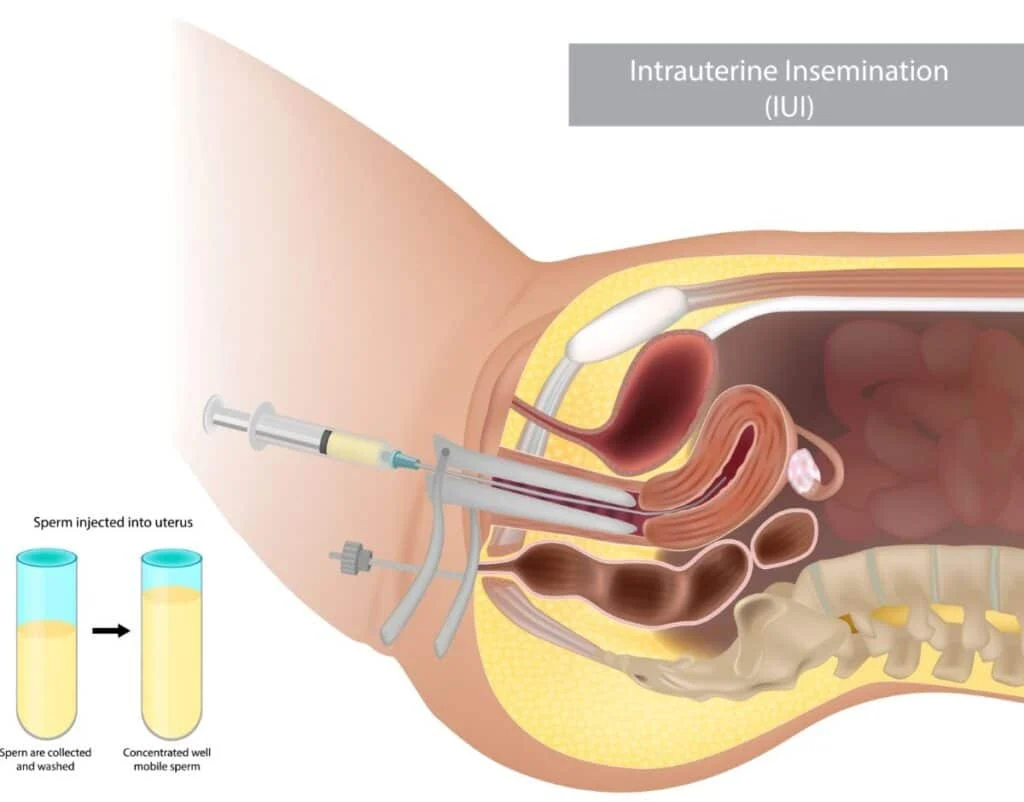
    Illustration of intrauterine insemination (IUI) procedure, showing sperm injection into the uterus.

    The Role of Genetics in At-Home vs Clinic Intrauterine Insemination

    In addition, clinic IUI also allows for the use of donor sperm, which undergoes rigorous genetic screening and testing before being used in the procedure. This ensures that the sperm used is of high quality and does not carry any genetic disorders.

    Genetics and the Success of IUI:

    The role of genetics in IUI goes beyond just the sperm sample. It also plays a significant role in the success of the procedure. According to a study published in the Journal of Assisted Reproduction and Genetics, genetic factors can influence the outcome of IUI, with some genetic variations being associated with decreased pregnancy rates.

    For example, variations in the FSHR gene have been linked to decreased pregnancy rates in IUI. This gene is responsible for follicle-stimulating hormone, which plays a crucial role in ovulation and fertility. Therefore, identifying these genetic variations through screening can help couples make more informed decisions about their fertility treatment and potentially improve their chances of success.

    Genetics and the Health of the Child:

    Aside from the success of the procedure, genetics also play a crucial role in the health of the child. As mentioned earlier, at-home IUI does not involve any genetic screening or testing, which can lead to potential health issues for the child.

    In contrast, clinic IUI with genetic screening and testing can help identify any potential genetic disorders that may be present in the sperm sample. This allows couples to make informed decisions about their fertility treatment and seek appropriate medical advice if needed.

    Furthermore, genetic screening can also help identify any carrier status for genetic disorders. This means that while the individual may not have a genetic disorder, they may carry a gene that can be passed down to their child. This information can be vital in making decisions about family planning and seeking proper medical care for the child if needed.

    In summary, genetics play a crucial role in the success of IUI and the health of the child. While at-home IUI may seem like a more convenient and less expensive option, it lacks the necessary genetic screening and testing that is essential for a successful and healthy pregnancy. Clinic IUI, on the other hand, offers a more comprehensive approach with genetic screening and testing, which can ultimately lead to better outcomes for both the parents and the child.

    In conclusion, when it comes to the role of genetics in IUI, clinic-based procedures are the preferred option. Not only do they offer a more thorough evaluation of the sperm sample, but they also provide important information about potential genetic disorders and carrier status. This allows couples to make informed decisions about their fertility treatment and the health of their future child.

  • The Role of Genetics: Artificial Insemination vs Natural Conception

    Blog Post:

    Genetics play a crucial role in the creation of new life, and the method of conception can greatly impact the genetic makeup of an individual. In today’s world, there are two main methods of conception: artificial insemination and natural conception. While both methods can result in a successful pregnancy, they have significant differences in terms of their genetic implications. In this blog post, we will explore the role of genetics in both artificial insemination and natural conception, and discuss the pros and cons of each method.

    Artificial insemination, also known as assisted reproductive technology (ART), involves the placement of sperm directly into a woman’s reproductive tract. This can be done using donor sperm or the sperm of the woman’s partner. The process is usually done in a clinical setting and involves various techniques such as intrauterine insemination (IUI) or in vitro fertilization (IVF). With artificial insemination, the fertilization of the egg occurs outside of the body, and the resulting embryo is then transferred into the woman’s uterus.

    One of the main advantages of artificial insemination is that it allows individuals or couples with fertility issues to have a child. This method bypasses any potential barriers to natural conception, such as low sperm count or blocked fallopian tubes. However, the use of donor sperm or eggs in artificial insemination means that the child will have a genetic makeup that is different from their parents. This can raise questions about the child’s identity and their relationship with their biological parents.

    Moreover, artificial insemination also allows for genetic screening of embryos before implantation. This can help identify any potential genetic disorders or chromosomal abnormalities, reducing the risk of passing them on to the child. This is especially beneficial for couples with a family history of genetic diseases, as it can increase the chances of having a healthy baby.

    On the other hand, natural conception involves the fertilization of an egg by sperm inside the woman’s body. This is the most common method of conception and is often seen as the most natural way to have a child. With natural conception, the child inherits genetic traits from both parents, resulting in a unique combination of characteristics.

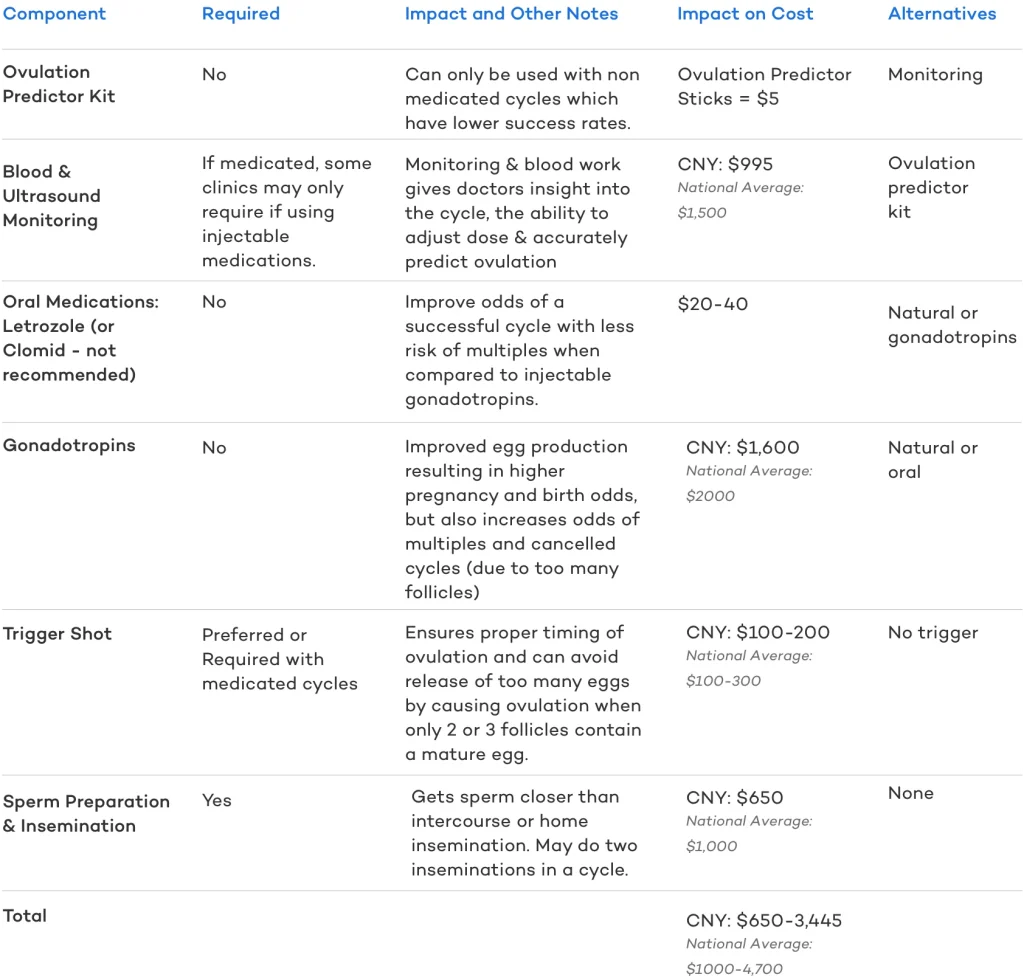
    Cost breakdown for IUI components, including requirements, impacts, and alternatives.

    The Role of Genetics: Artificial Insemination vs Natural Conception

    One of the main advantages of natural conception is that it allows for a stronger genetic connection between the child and their parents. The child will share not only physical traits but also personality traits and behaviors with their parents. This can also help strengthen the bond between parent and child.

    However, natural conception also has its drawbacks. The genetic makeup of the child is solely dependent on the genetic makeup of the parents, and this can increase the risk of inheriting genetic disorders or diseases. Additionally, with natural conception, there is no way to screen for genetic abnormalities before pregnancy, which means that the child may be born with a genetic disorder that could have been prevented through artificial insemination.

    The debate between artificial insemination and natural conception is a complex one, with arguments for and against both methods. However, it is essential to understand that both methods have the potential to create a healthy and happy child. The decision ultimately comes down to personal choice and individual circumstances.

    In terms of genetics, artificial insemination offers more control over the genetic makeup of the child, while natural conception allows for a stronger genetic connection between the child and parents. It is also worth noting that with advances in technology, genetic screening and testing are becoming more accessible, even for natural conception. This allows for potential issues to be identified early on and managed accordingly.

    In conclusion, genetics play a significant role in the method of conception, whether it is through artificial insemination or natural conception. Both methods have their advantages and disadvantages in terms of genetic implications, and the decision ultimately lies with the individual or couple. It is essential to consider all factors, including personal beliefs, medical history, and genetic risks, before making a decision on the method of conception.

    Summary:

    The role of genetics is crucial in the creation of new life, and the method of conception can greatly impact the genetic makeup of an individual. In today’s world, there are two main methods of conception: artificial insemination and natural conception. While both methods have their advantages and disadvantages, they also have significant differences in terms of their genetic implications. Artificial insemination allows for more control over the genetic makeup of the child, while natural conception allows for a stronger genetic connection between the child and parents. Ultimately, the decision comes down to personal choice and individual circumstances.

  • Same-Sex Couples and Genetic Screening: Understanding the Process in Home Insemination and IVF

    Blog Post:

    Same-sex couples have been gaining more visibility and acceptance in recent years, and with that, the desire to start a family has become a reality for many of them. However, for same-sex couples, starting a family may require more planning and consideration than for heterosexual couples. Genetic screening, in the context of home insemination and IVF, is an important step that must be understood and carefully navigated by same-sex couples.

    Genetic screening is the process of analyzing an individual’s genetic makeup to identify potential genetic disorders or diseases that could be passed on to their offspring. This process is crucial for any couple, but it holds even more significance for same-sex couples. As they do not have the ability to conceive naturally, genetic screening becomes an essential step in their journey towards parenthood.

    The Process of Genetic Screening:

    The process of genetic screening can be done in various ways, but the most common methods are preconception screening and prenatal screening. Preconception screening involves testing the genetic makeup of both partners before conception to identify any potential genetic risks. Prenatal screening, on the other hand, is done during pregnancy to identify any genetic abnormalities in the fetus.

    In the case of same-sex couples, preconception screening is the more common method as it allows them to identify any potential genetic risks before starting the process of home insemination or IVF. This gives them time to consider their options and make informed decisions about their family planning.

    Home Insemination and Genetic Screening:

    Home insemination is a popular choice for same-sex couples who wish to conceive a child. It involves the use of a sperm donor and can be done at home with the help of a home insemination kit or with the guidance of a fertility specialist. However, before proceeding with home insemination, it is crucial for same-sex couples to understand the importance of genetic screening.

    During home insemination, the sperm donor’s genetic history must be thoroughly screened to ensure that there are no potential genetic risks. This is especially important for same-sex male couples who may use a sperm donor to conceive. The donor’s genetic makeup must be carefully examined to avoid any potential health complications for the child.

    The same applies to same-sex female couples who may choose to use a sperm donor or a known sperm donor for home insemination. In this case, both partners’ genetic makeup must be screened to identify any potential risks that could be passed on to the child.

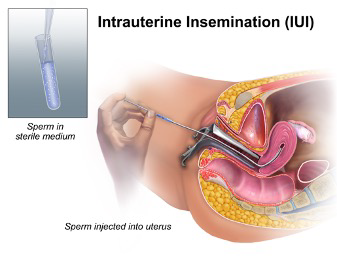
    Diagram illustrating intrauterine insemination (IUI) procedure with sperm injection into the uterus.

    Same-Sex Couples and Genetic Screening: Understanding the Process in Home Insemination and IVF

    IVF and Genetic Screening:

    In vitro fertilization (IVF) is another popular option for same-sex couples who wish to have a biological child. It involves the retrieval of eggs from one partner and the use of a sperm donor to fertilize the eggs in a laboratory. The resulting embryo is then implanted into the other partner’s uterus to carry the pregnancy.

    Like home insemination, genetic screening is a crucial step in the IVF process for same-sex couples. Both partners’ genetic makeup must be screened before the procedure to identify any potential risks. Additionally, the sperm donor’s genetic history must also be examined to ensure that there are no potential health complications for the child.

    Benefits of Genetic Screening for Same-Sex Couples:

    The process of genetic screening may seem daunting and overwhelming for same-sex couples, but it has several benefits that make it an essential step in their journey towards parenthood. Firstly, it allows them to make informed decisions about their family planning and consider the potential risks for their child’s health.

    Secondly, genetic screening can help identify any potential health risks that may not be apparent in the couple’s family history. This is especially important for same-sex couples who may not have access to their biological family’s medical history.

    Lastly, genetic screening can help prevent the transfer of genetic disorders or diseases to the child, ensuring that they have the best chance at a healthy life.

    In conclusion, genetic screening is a crucial step that must be understood and carefully navigated by same-sex couples who wish to start a family through home insemination or IVF. It allows them to make informed decisions about their family planning and ensures the best possible outcome for their child’s health.

    Summary:

    Same-sex couples who wish to start a family through home insemination or IVF must understand the process of genetic screening. This involves analyzing the genetic makeup of both partners and the sperm donor to identify any potential health risks for the child. Genetic screening is an essential step that allows same-sex couples to make informed decisions about their family planning and ensures the best possible outcome for their child’s health.