Title: The Future of Fertility Preservation: What’s on the Horizon
In recent years, fertility preservation has become a hot topic as more individuals and couples are choosing to delay starting a family until later in life. Whether it is due to career aspirations, financial stability, or personal reasons, the demand for fertility preservation options has increased significantly. As technology advances, the future of fertility preservation looks promising, with new advancements and options on the horizon. In this blog post, we will explore some of the emerging trends and technologies in the field of fertility preservation and their potential impact on the future of family planning.
Advancements in Egg Freezing Technology
Egg freezing, also known as oocyte cryopreservation, has been around for decades but has seen significant improvements in recent years. This process involves retrieving a woman’s eggs, freezing them, and storing them until she is ready to use them in the future. The traditional method of egg freezing involved a slow-freezing process, which could damage the eggs’ quality. However, with the development of vitrification, a rapid freezing technique, the success rates of egg freezing have significantly increased.
Moreover, advancements in lab techniques, such as time-lapse imaging, allow for better selection of viable eggs for freezing, resulting in higher chances of success when the eggs are thawed and fertilized. With these advancements, egg freezing has become a more accessible and viable option for women looking to preserve their fertility.
Social Freezing
While egg freezing was previously reserved for women undergoing medical treatments that may affect their fertility, such as cancer treatments, it is now becoming a popular choice for women who want to delay starting a family. This trend, known as social freezing, has seen a significant increase in recent years. As more women prioritize their careers and delay starting a family, social freezing provides them with the option to preserve their fertility and have children later in life.
In addition to technological advancements, the increase in social freezing can also be attributed to the growing acceptance and accessibility of the procedure. Many companies now offer fertility benefits, including egg freezing, as part of their employee benefits package. This not only makes the process more affordable for women but also normalizes the conversation around fertility preservation.
Improvements in Male Fertility Preservation
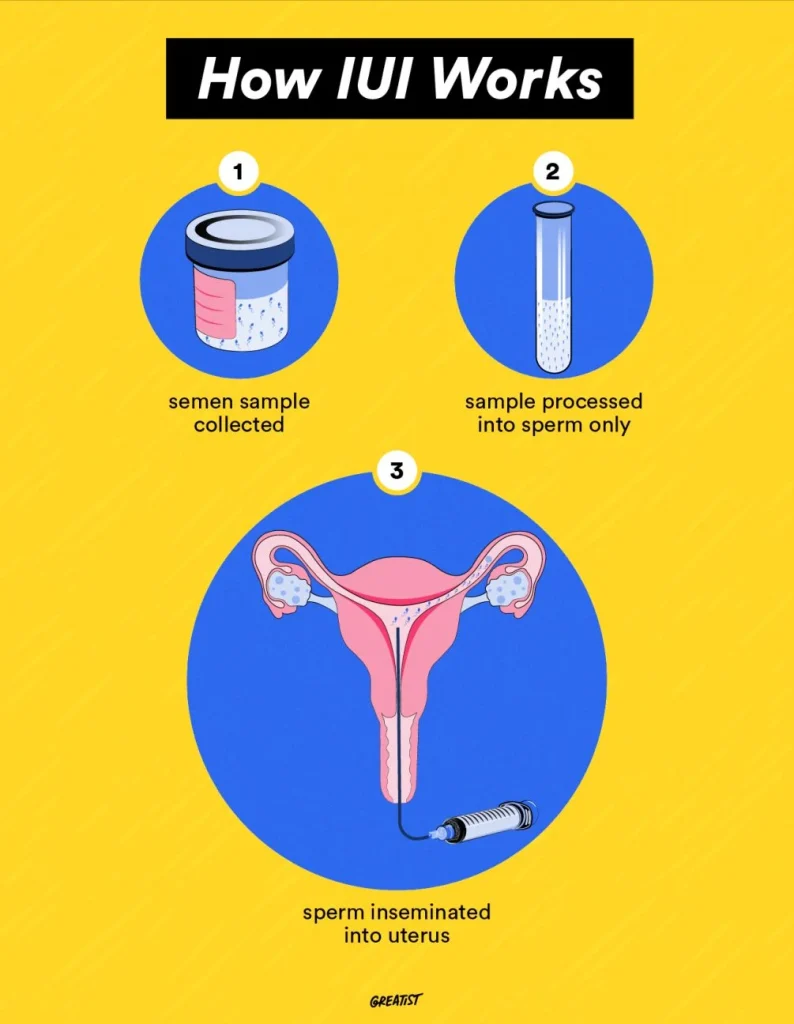
The Future of Fertility Preservation: What's on the Horizon
While most discussions around fertility preservation focus on women, advancements in male fertility preservation should not be overlooked. Sperm freezing, also known as sperm cryopreservation, has been a standard procedure for decades. However, recent advancements have made the process more efficient and effective. The use of new cryoprotectants and freezing methods has resulted in higher success rates when thawing frozen sperm.
Moreover, researchers are also exploring other options for male fertility preservation, such as testicular tissue freezing and sperm stem cell preservation. These techniques could potentially provide options for men who are unable to produce viable sperm or have undergone medical treatments that may affect their fertility.
The Emergence of Artificial Gametes
One of the most exciting developments in the field of fertility preservation is the emergence of artificial gametes. Gametes, or reproductive cells, are essential for fertility, and the ability to create them artificially could revolutionize the field of fertility preservation. Researchers have been working on developing artificial egg and sperm cells using stem cells from the individual or from a donor. These artificial gametes could potentially be used for fertility treatments, eliminating the need for traditional methods such as egg and sperm donation.
While these techniques are still in the early stages of development, the potential impact they could have on fertility preservation is immense. They could potentially provide options for individuals and couples who are unable to produce viable gametes, allowing them to have biological children of their own.
The Role of Artificial Intelligence
Artificial intelligence (AI) has been making waves in various industries, and fertility preservation is no exception. AI has the potential to improve the success rates of fertility treatments by using algorithms to analyze data and predict the best course of action for each patient. This can help doctors make more informed decisions and personalize treatment plans for each individual, increasing their chances of success.
Moreover, AI can also be used in sperm and egg selection for IVF treatments, further improving the chances of success. By analyzing a large amount of data and identifying patterns, AI can help select the most viable sperm and eggs for fertilization, resulting in higher success rates.
Summary:
As technology advances, the future of fertility preservation looks promising. Advancements in egg freezing technology, the emergence of social freezing, and improvements in male fertility preservation techniques have made fertility preservation more accessible and effective. The development of artificial gametes and the use of AI in fertility treatments could potentially revolutionize the field of fertility preservation and provide more options for individuals and couples looking to start a family later in life.