Blog Post:
In recent years, do-it-yourself (DIY) fertility treatments have become a popular option for couples struggling with infertility. With advancements in technology and the rising costs of traditional fertility treatments, more and more people are turning to DIY methods as a more affordable and accessible alternative. However, these DIY fertility treatments come with their own set of legal implications that individuals and couples should be aware of before embarking on this journey. In this blog post, we will explore the legal implications of DIY fertility treatments and the potential risks involved.
First and foremost, it is important to understand that fertility treatments, whether done at a clinic or at home, are regulated by the government. In the United States, the Food and Drug Administration (FDA) regulates fertility treatments, and any DIY treatments that involve the use of drugs or medical devices without a prescription from a licensed healthcare professional are considered illegal. This means that individuals who choose to pursue DIY fertility treatments without proper medical supervision may be subject to legal consequences.
One of the main concerns with DIY fertility treatments is the potential health risks involved. Without proper medical oversight, individuals may be putting their health and well-being at risk. For example, some DIY fertility treatments involve the use of hormones, which can have serious side effects if not monitored and administered correctly. In addition, there is a risk of contamination or improper handling of equipment, which can lead to infections or other health complications.
Moreover, there is also a risk of legal consequences if the DIY fertility treatment results in a pregnancy. In some states, individuals who use a sperm donor or surrogate without going through a licensed fertility clinic may not have legal parental rights. This could lead to complicated legal battles and uncertainty for both the parents and the child. It is important to note that laws and regulations surrounding fertility treatments vary from state to state, so it is crucial to research and understand the legal implications in your specific jurisdiction.
Another legal concern with DIY fertility treatments is the potential for fraud and scams. As with any growing industry, there are individuals and companies that may take advantage of vulnerable individuals seeking fertility treatments. Without proper regulation and oversight, it can be difficult to determine the legitimacy and effectiveness of DIY fertility treatments. This could result in individuals spending large sums of money on treatments that may not be effective or even safe.
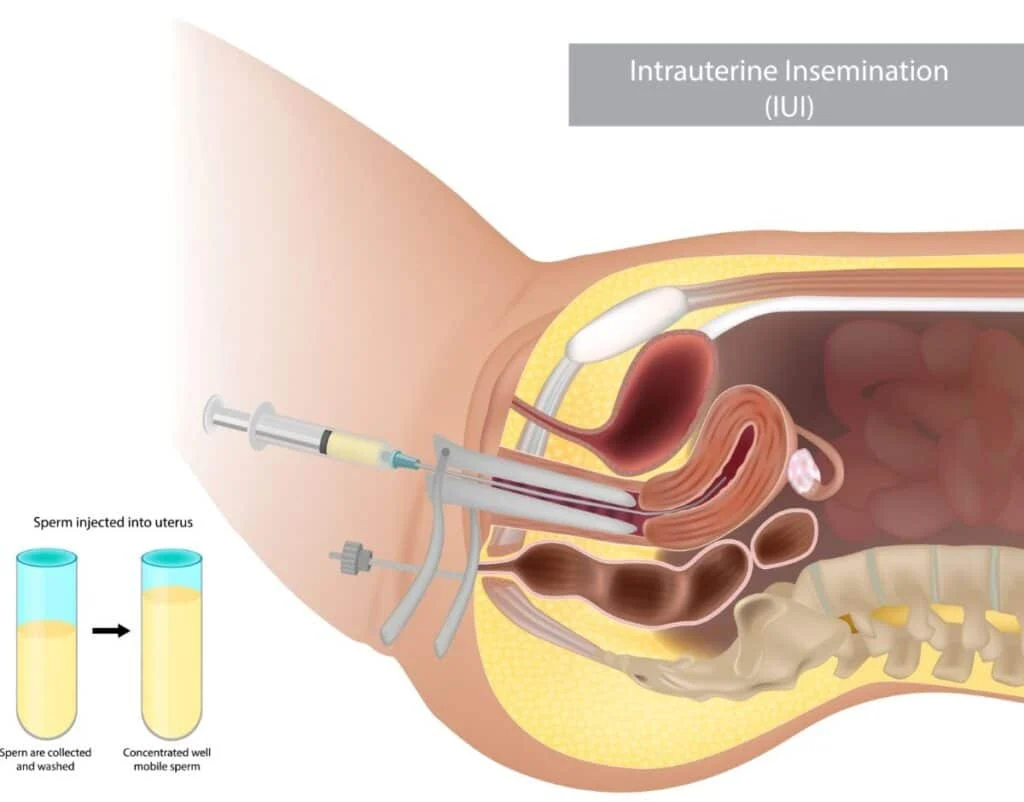
The Legal Implications of DIY Fertility Treatments
Furthermore, there is also the issue of informed consent. DIY fertility treatments often involve individuals procuring their own sperm or eggs, which raises questions about the consent of the donor. In traditional fertility treatments, donors go through a thorough screening process and provide their consent before any procedures are done. With DIY treatments, there is no guarantee that the donor has given their informed consent, which could lead to legal complications down the line.
In addition, DIY fertility treatments also raise ethical concerns. With the rise of online marketplaces for sperm and egg donations, there is a growing concern about the commoditization of human reproductive materials. Some argue that this can lead to the exploitation of donors and the devaluation of human life. It is important for individuals to consider these ethical concerns before pursuing DIY fertility treatments.
So, what can individuals do to protect themselves legally when it comes to DIY fertility treatments? One option is to seek legal advice before embarking on any DIY treatments. A lawyer can help individuals understand the legal implications and risks involved and provide guidance on how to protect their rights. It is also important to thoroughly research and understand the laws and regulations in your state regarding fertility treatments.
In conclusion, while DIY fertility treatments may seem like a more affordable and accessible option for couples struggling with infertility, it is important to consider the legal implications and potential risks involved. Without proper medical supervision and legal guidance, individuals may be putting their health and well-being at risk and facing legal consequences. It is crucial to thoroughly research and understand the laws and regulations in your state before pursuing any DIY fertility treatments.
Summary:
DIY fertility treatments have become a popular option for couples struggling with infertility due to their lower costs and accessibility. However, it is important to note that these treatments are regulated by the government and individuals may face legal consequences if not done under proper medical supervision. DIY fertility treatments also carry health risks and raise concerns about informed consent, fraud, and ethics. Seeking legal advice and thoroughly researching laws and regulations in your state can help protect individuals from potential legal complications.