Tag: foster care adoption

  • From Infertility to Adoption: The Financial Implications of Building a Family

    From Infertility to Adoption: The Financial Implications of Building a Family

    Building a family is a dream for many couples, but for some, it may not come as easily as they had hoped. Infertility, or the inability to conceive naturally, affects 1 in 8 couples in the United States. This can be a difficult and emotionally taxing experience for those involved, but it can also take a toll on their finances. In this blog post, we will explore the financial implications of building a family, from infertility treatments to adoption, and provide tips on how to navigate this journey in a financially responsible way.

    Infertility Treatments

    Infertility treatments are often the first step for couples struggling to conceive. These treatments can range from medication to assisted reproductive technologies like in vitro fertilization (IVF). While these treatments can be successful, they also come with a hefty price tag. The average cost of one IVF cycle is around $12,000, and many couples require multiple cycles to achieve a successful pregnancy.

    In addition to the cost of the treatments themselves, there are also additional expenses such as medications, consultations, and diagnostic tests. These costs can add up quickly and become a financial burden for couples already dealing with the emotional stress of infertility.

    To help manage these costs, couples may want to consider alternative options such as fertility clinics that offer discounted treatment packages or financing plans. It is also important to research insurance coverage for infertility treatments, as some plans may cover certain procedures or medications.

    Adoption

    For some couples, adoption may be the best option for building a family. However, this process also comes with its own set of financial implications. The average cost of domestic adoption can range from $20,000 to $40,000, while international adoption can cost upwards of $50,000. These costs cover various expenses such as legal fees, agency fees, and travel expenses.

    One way to make adoption more affordable is through employer adoption benefits. Many companies offer adoption assistance programs to their employees, which can cover a portion of adoption expenses. It is also important to research adoption tax credits and grants that may be available to help offset the costs.

    Foster Care Adoption
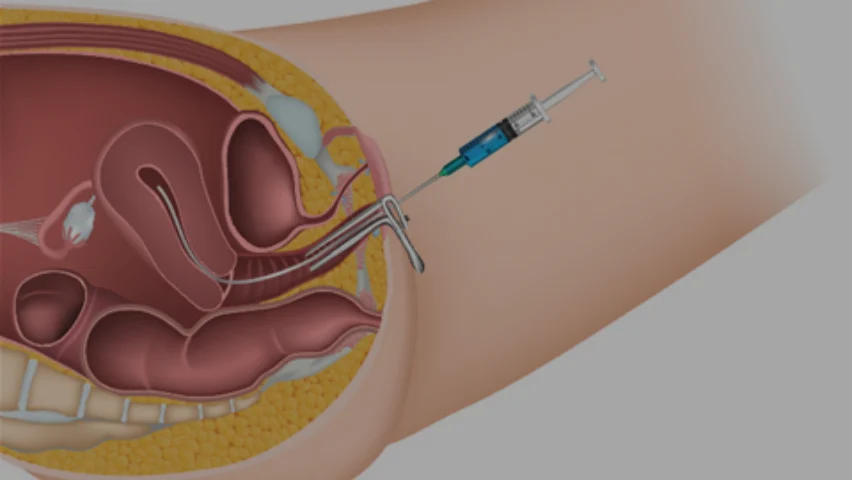
    Illustration of intrauterine insemination (IUI) procedure with syringe and catheter in the uterus.

    From Infertility to Adoption: The Financial Implications of Building a Family

    Foster care adoption is another option for couples looking to build a family. This process involves adopting a child who is in the foster care system and in need of a permanent home. It is a more affordable option compared to traditional adoption, with minimal costs involved in the adoption process.

    However, foster care adoption also comes with its own set of financial implications. Adoptive parents may need to cover the costs of medical expenses, legal fees, and other expenses related to the child’s care. It is important to research the available resources and support for foster care adoption, such as adoption subsidies and financial assistance from the state.

    Financial Planning for Building a Family

    No matter which path a couple chooses to build their family, it is important to have a solid financial plan in place. This can help alleviate financial stress and allow couples to focus on their journey to parenthood. Here are some tips for financial planning when building a family:

    1. Create a budget: Sit down with your partner and create a budget that takes into account all of the expenses related to infertility treatments or adoption. This will help you plan and save accordingly.

    2. Research available resources: As mentioned earlier, there are various resources available to help with the financial burden of building a family. Take the time to research and explore these options to find what works best for you.

    3. Consider alternative options: There may be alternative options available that are more affordable, such as using a fertility clinic with discounted packages or pursuing foster care adoption. Be open to exploring different paths to parenthood.

    4. Save for unexpected expenses: It is important to have a savings plan in place to cover unexpected expenses that may arise during the process. This can include additional medical treatments or unexpected legal fees.

    5. Seek financial advice: Building a family can be an overwhelming and emotionally charged experience, and seeking financial advice can help alleviate some of the stress. Consider consulting with a financial advisor who can help you make informed decisions about your finances.

    In conclusion, building a family, whether through infertility treatments or adoption, can come with a significant financial burden. It is important for couples to be aware of these costs and plan accordingly. By researching available resources, creating a budget, and seeking financial advice, couples can navigate this journey in a financially responsible way. Remember, the ultimate goal is to build a happy and loving family, and with proper financial planning, this dream is within reach.

    SEO metadata:
  • Is Adoption More Affordable Than Fertility Treatments? A Comprehensive Comparison

    Summary:

    Adoption and fertility treatments are two options for couples struggling with infertility who still want to start a family. While both paths can lead to the same result, there are significant differences in terms of cost. In this blog post, we will compare the costs of adoption and fertility treatments and explore the various factors that can affect the overall affordability. We will also delve into the emotional and psychological impact of both options and provide resources for couples to consider when making this important decision. By the end of this post, you will have a better understanding of which option may be more affordable for you and your family.

    Adoption Costs:

    Adoption is the legal process of permanently transferring parental rights and responsibilities from one family to another. There are three main types of adoption: domestic, international, and foster care. Each type has its own unique costs and requirements.

    Domestic adoption, where a child is adopted from within the country, typically has the highest costs. The average cost of a domestic adoption can range from $20,000 to $40,000. This includes expenses such as agency fees, legal fees, birth mother expenses, and home study fees.

    International adoption, where a child is adopted from another country, can also be expensive. The average cost can range from $25,000 to $50,000. This includes expenses such as agency fees, travel expenses, and foreign country fees.

    Foster care adoption, where a child in the foster care system is adopted, is generally the most affordable option. The average cost can range from $2,000 to $5,000. This includes expenses such as home study fees and legal fees.

    Fertility Treatment Costs:

    Fertility treatments are medical procedures that are used to help couples conceive a child. There are various types of fertility treatments, such as in vitro fertilization (IVF), intrauterine insemination (IUI), and fertility drugs. The costs of these treatments can vary depending on the type of treatment, the number of cycles needed, and any additional procedures or medications required.

    The average cost of one cycle of IVF can range from $12,000 to $15,000. This does not include additional costs such as medications, which can add another $3,000 to $5,000 to the total cost.

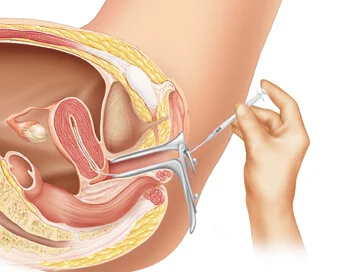
    IUI, which involves placing sperm directly into the uterus, is a less expensive option with an average cost of $500 to $4,000 per cycle. However, multiple cycles may be needed for success.

    Fertility drugs, which are used to stimulate ovulation, can range from $50 to $5,000 per cycle, depending on the type of medication and dosage needed.

    illustration of intrauterine insemination procedure with a hand holding a speculum and syringe near the uterus

    Is Adoption More Affordable Than Fertility Treatments? A Comprehensive Comparison

    Factors Affecting Cost:

    There are several factors that can affect the overall cost of adoption and fertility treatments. One of the biggest factors is the type of adoption or treatment chosen. As mentioned earlier, domestic adoption and IVF tend to have higher costs compared to foster care adoption and IUI.

    The location can also play a significant role in cost. Adoption costs can vary depending on the state and country, while fertility treatment costs can differ between clinics. It is essential to research and compare costs in different locations to find the most affordable option for your specific situation.

    Another factor to consider is the age of the child or the woman undergoing fertility treatments. Older children and women may require more extensive medical care, which can increase costs. Additionally, women over the age of 35 may need to use more expensive fertility treatments, such as IVF, due to a decline in fertility.

    Emotional and Psychological Impact:

    The decision to pursue adoption or fertility treatments can be emotionally and psychologically taxing for couples. Adoption can be a lengthy process, and the uncertainty of being matched with a child can be stressful. On the other hand, fertility treatments can also take a toll on a couple’s emotional well-being, with the added pressure of undergoing medical procedures and the possibility of not being successful.

    It is crucial for couples to consider the emotional and psychological impact of both options and to seek support from professionals or support groups throughout the process.

    Resources for Couples:

    There are many resources available for couples who are considering adoption or fertility treatments. These resources can provide guidance, support, and financial assistance.

    For adoption, there are grants, loans, and tax credits available to help offset the costs. Organizations such as the National Adoption Foundation and the Dave Thomas Foundation for Adoption offer financial assistance for families looking to adopt.

    For fertility treatments, some insurance plans may cover some of the costs. It is essential to research and understand your insurance coverage and consider speaking with a financial advisor to explore other options such as loans or grants.

    Conclusion:

    In conclusion, the cost of adoption and fertility treatments can vary significantly depending on various factors. While foster care adoption and IUI may be more affordable options, they are not suitable for every couple. It is crucial for couples to carefully consider their financial situation, emotional readiness, and personal preferences when deciding between adoption and fertility treatments. Seeking support from professionals and utilizing available resources can also make the process more manageable. Ultimately, the most affordable option for starting a family will depend on each couple’s unique circumstances.