Tag: folate

  • Fertility Nutrition for Men: Essential Nutrients for Optimal Sperm Production

    Blog Post:

    Fertility is a topic that is often associated with women, but it is just as important for men. In fact, studies have shown that male fertility issues contribute to about 40% of infertility cases. Therefore, it is crucial for men to pay attention to their overall health and nutrition in order to maintain optimal sperm production. In this blog post, we will discuss essential nutrients that are important for male fertility and how to incorporate them into your diet.

    1. Zinc

    Zinc is a mineral that plays a key role in male reproductive health. It is essential for sperm production and maintaining healthy testosterone levels. Studies have shown that men with low levels of zinc are more likely to have sperm abnormalities and reduced sperm count. Therefore, it is important for men to consume enough zinc in their diet.

    Foods rich in zinc include oysters, beef, chicken, pumpkin seeds, and cashews. If you are not getting enough zinc through your diet, you can also consider taking a zinc supplement. The recommended daily intake for men is 11 mg, but it is important not to exceed 40 mg per day as high levels of zinc can be harmful.

    2. Folate

    Folate, also known as vitamin B9, is an essential nutrient for both men and women when it comes to fertility. It has been found to improve sperm quality and reduce the risk of chromosomal abnormalities in sperm. Folate also helps in the production of DNA, which is important for healthy sperm formation.

    Leafy greens, legumes, and avocado are all good sources of folate. It is recommended for men to consume 400-600 mcg of folate daily. You can also consider taking a folate supplement, especially if you are planning to conceive.

    3. Selenium

    Selenium is another important mineral for male fertility. It is a powerful antioxidant that helps to protect sperm from damage caused by free radicals. It has also been found to improve sperm motility and reduce the risk of DNA damage in sperm.

    Foods rich in selenium include Brazil nuts, tuna, eggs, and whole wheat bread. The recommended daily intake for men is 55 mcg, but it is important not to exceed 400 mcg per day as high levels of selenium can be toxic.

    4. Vitamin C
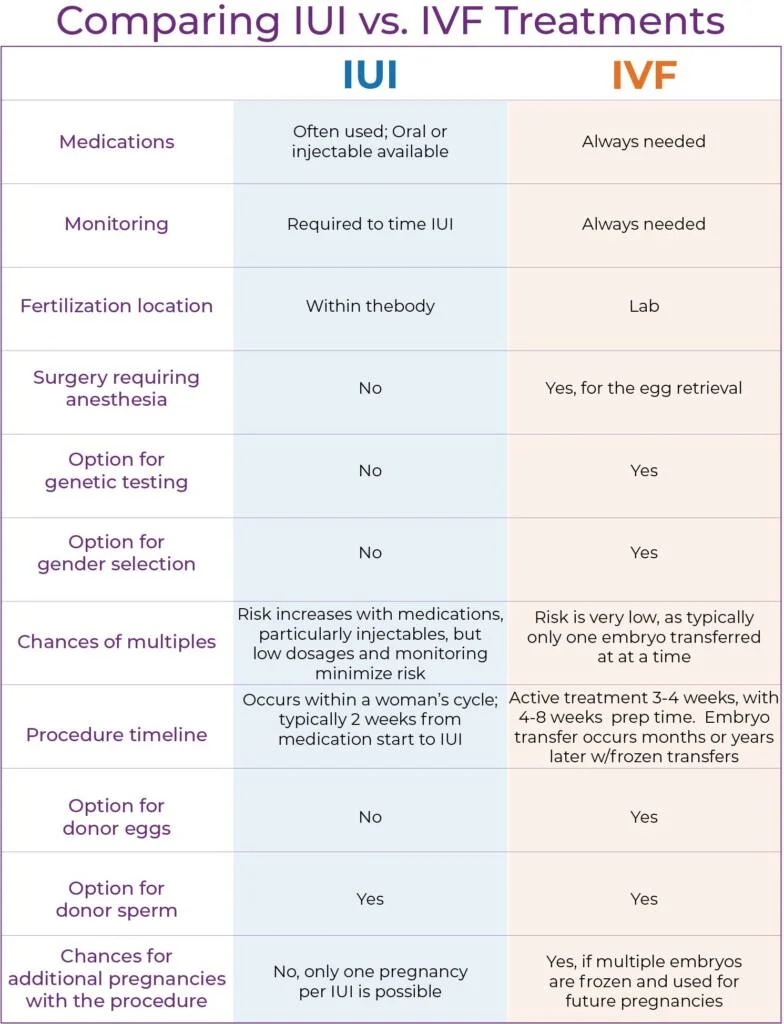
    Comparison chart of IUI and IVF treatments, detailing medications, monitoring, procedures, and success rates.

    Fertility Nutrition for Men: Essential Nutrients for Optimal Sperm Production

    Vitamin C is a well-known antioxidant that plays a crucial role in male fertility. It helps to protect sperm from oxidative stress, which can damage sperm DNA. Studies have also shown that vitamin C can improve sperm quality and motility.

    Citrus fruits, berries, and leafy greens are all good sources of vitamin C. The recommended daily intake for men is 90 mg, but it is safe to consume up to 2000 mg per day. However, it is always best to get your daily dose from whole foods rather than supplements.

    5. Omega-3 Fatty Acids

    Omega-3 fatty acids are essential for overall health, including male fertility. They help to regulate hormone levels and improve sperm quality. Studies have also shown that omega-3s can increase sperm count and motility.

    Fatty fish like salmon and sardines, as well as chia seeds and walnuts, are all good sources of omega-3 fatty acids. The recommended daily intake for men is 1.6 g, but it is safe to consume up to 3 g per day.

    6. Vitamin D

    Vitamin D is known as the “sunshine vitamin” as it is produced in the body when the skin is exposed to sunlight. It is essential for male fertility as it helps to maintain healthy testosterone levels. Low levels of vitamin D have been linked to reduced sperm count and motility.

    Foods rich in vitamin D include fatty fish, egg yolks, and fortified dairy products. The recommended daily intake for men is 600-800 IU, but you can also consider getting some sun exposure or taking a vitamin D supplement.

    7. Lycopene

    Lycopene is a powerful antioxidant found in red fruits and vegetables such as tomatoes, watermelon, and red bell peppers. It has been found to improve sperm quality and protect against DNA damage in sperm.

    Incorporating these foods into your diet can help to improve male fertility. It is also important to note that maintaining a healthy weight, exercising regularly, and reducing stress can also have a positive impact on sperm production.

    In summary, male fertility is influenced by a variety of factors, including nutrition. Consuming a diet rich in essential nutrients like zinc, folate, selenium, vitamin C, omega-3 fatty acids, vitamin D, and lycopene can help to improve sperm quality and count. It is also important to maintain a healthy lifestyle to support overall reproductive health.
  • Fertility Foods: A Look at the Key Nutrients for Boosting Fertility

    Summary:

    Fertility is a topic that is often surrounded by myths and misconceptions, leading many couples to struggle with conceiving a child. While there are many factors that can affect fertility, such as age, genetics, and underlying health conditions, one important aspect that often gets overlooked is nutrition. The foods we eat play a significant role in our overall health, including reproductive health. In this blog post, we will take a closer look at the key nutrients that can help boost fertility and increase the chances of conceiving.

    1. Folate

    Folate, also known as folic acid, is a B vitamin that is essential for reproductive health. It helps with the production of healthy eggs and sperm and is crucial for the development of a healthy baby. Folate also plays a role in preventing birth defects, such as neural tube defects. Foods rich in folate include leafy greens, legumes, avocado, and fortified cereals. It is recommended to consume at least 400 micrograms of folate daily for women trying to conceive.

    2. Zinc

    Zinc is another critical nutrient for fertility, as it is involved in the production of hormones and supports egg and sperm health. Zinc deficiency has been linked to fertility issues in both men and women. Foods rich in zinc include oysters, beef, chicken, pumpkin seeds, and lentils. It is recommended to consume 8-11 milligrams of zinc daily for women trying to conceive.

    3. Omega-3 Fatty Acids

    Omega-3 fatty acids are essential for reproductive health and have been shown to improve sperm quality, regulate hormones, and increase blood flow to the reproductive organs. Good sources of omega-3s include salmon, mackerel, chia seeds, and walnuts. It is recommended to consume at least 200-300 milligrams of omega-3s daily for women trying to conceive.

    4. Vitamin D

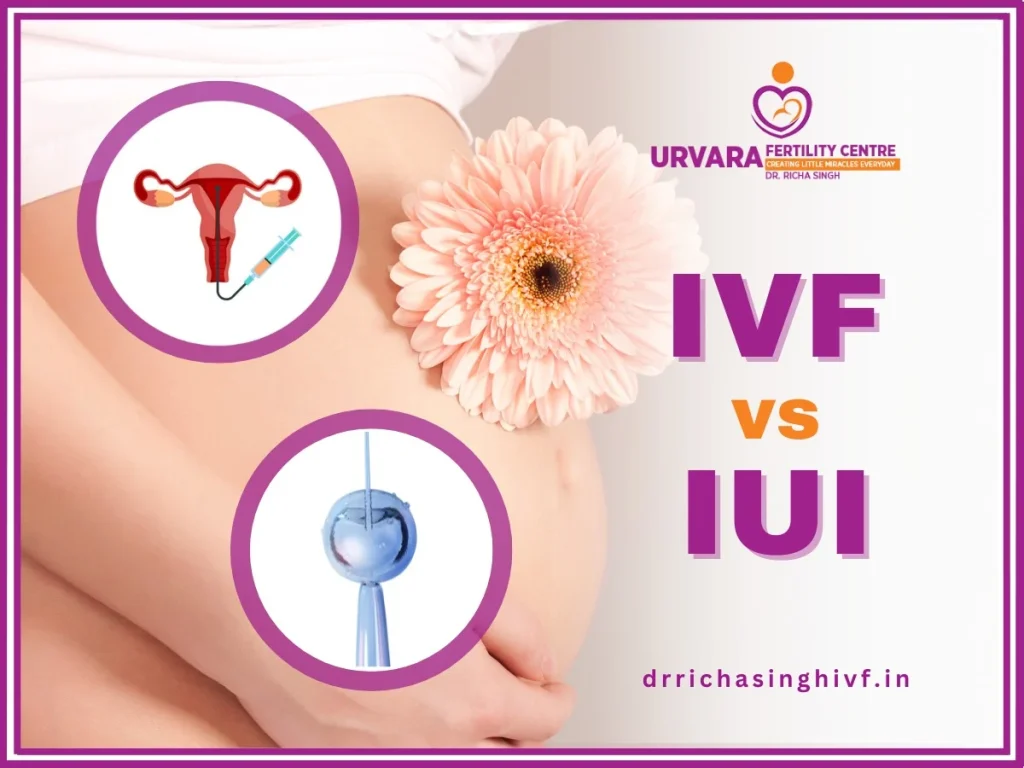
    IVF vs IUI comparison with illustrations of reproductive processes and a flower on a pregnant belly.

    Fertility Foods: A Look at the Key Nutrients for Boosting Fertility

    Vitamin D is crucial for overall health, including fertility. It helps with hormone regulation, improves egg quality, and supports a healthy pregnancy. Foods rich in vitamin D include fatty fish, egg yolks, fortified milk, and mushrooms. It is recommended to consume at least 600-800 international units (IU) of vitamin D daily for women trying to conceive.

    5. Iron

    Iron is essential for fertility because it helps with the production of healthy eggs and sperm and supports a healthy pregnancy. Iron deficiency has been linked to irregular menstrual cycles and anovulation (lack of ovulation). Good sources of iron include red meat, leafy greens, lentils, and fortified cereals. It is recommended to consume at least 18 milligrams of iron daily for women trying to conceive.

    6. Antioxidants

    Antioxidants are crucial for protecting reproductive cells from damage and improving overall reproductive health. They also play a role in improving sperm quality and reducing the risk of miscarriage. Foods rich in antioxidants include fruits and vegetables, especially berries, dark leafy greens, and citrus fruits.

    7. Water

    Staying hydrated is essential for reproductive health, as it helps with the production of cervical mucus, which is important for sperm survival and transport. It also helps with the production of healthy eggs and supports a healthy pregnancy. It is recommended to drink at least 8-10 glasses of water daily for women trying to conceive.

    In addition to these key nutrients, it is also important to maintain a healthy weight and exercise regularly as these factors can also impact fertility. It is also recommended to limit or avoid alcohol, caffeine, and processed foods, which can have negative effects on fertility.

    In conclusion, while there is no magic food that can guarantee fertility, incorporating these key nutrients into your diet can help improve overall reproductive health and increase the chances of conceiving. It is always best to consult with a healthcare professional for personalized nutritional recommendations and to address any underlying health issues that may be affecting fertility.