Tag: finances

  • Navigating the Decision: Fertility Preservation or Immediate Pregnancy

    Navigating the Decision: Fertility Preservation or Immediate Pregnancy

    Fertility is a topic that is often overlooked until the time comes to start a family. However, for some women, the decision to have children is not as straightforward as it may seem. Many factors such as age, health, and personal circumstances can impact a woman’s ability to conceive and carry a child. This can lead to the difficult decision between fertility preservation or immediate pregnancy. In this blog post, we will explore the options available for women facing this decision and provide guidance for navigating this important choice.

    The Importance of Fertility Preservation

    For women who are facing a medical diagnosis or treatment that may affect their fertility, the option of fertility preservation can be crucial. This includes women with cancer or other serious illnesses that require treatments such as chemotherapy or radiation, which can damage the ovaries and decrease fertility. In these cases, fertility preservation provides a way for women to potentially have biological children in the future, even if they are unable to conceive naturally after treatment.

    Fertility preservation involves freezing eggs, embryos, or ovarian tissue to be used later in assisted reproductive techniques such as in vitro fertilization (IVF) or intrauterine insemination (IUI). These techniques can help women who have undergone fertility preservation to have a child at a later time, when they are ready and able to do so.

    The process of fertility preservation typically involves undergoing ovarian stimulation to produce multiple eggs, which are then retrieved and frozen for future use. This process can be time-consuming and costly, but it can provide women with a sense of security and hope for their future fertility.

    Immediate Pregnancy: The Traditional Route

    On the other hand, many women may feel the pressure to start a family immediately due to societal and cultural expectations, as well as their own personal desires. This may lead them to choose immediate pregnancy over fertility preservation, even if there are potential risks or concerns. Additionally, for some women, age may also be a factor in the decision to pursue immediate pregnancy, as fertility declines with age and the chances of conceiving naturally decrease.

    The traditional route of immediate pregnancy involves trying to conceive naturally or through assisted reproductive techniques, such as IVF or IUI, without freezing any eggs or embryos for future use. While this can be a viable option for many women, it is important to consider the potential risks and challenges that may arise.

    For example, women who delay pregnancy until later in life may face difficulties with conception or have a higher risk of pregnancy complications. Additionally, women who have medical conditions or take certain medications may need to carefully consider the potential impact on their pregnancy and future fertility.
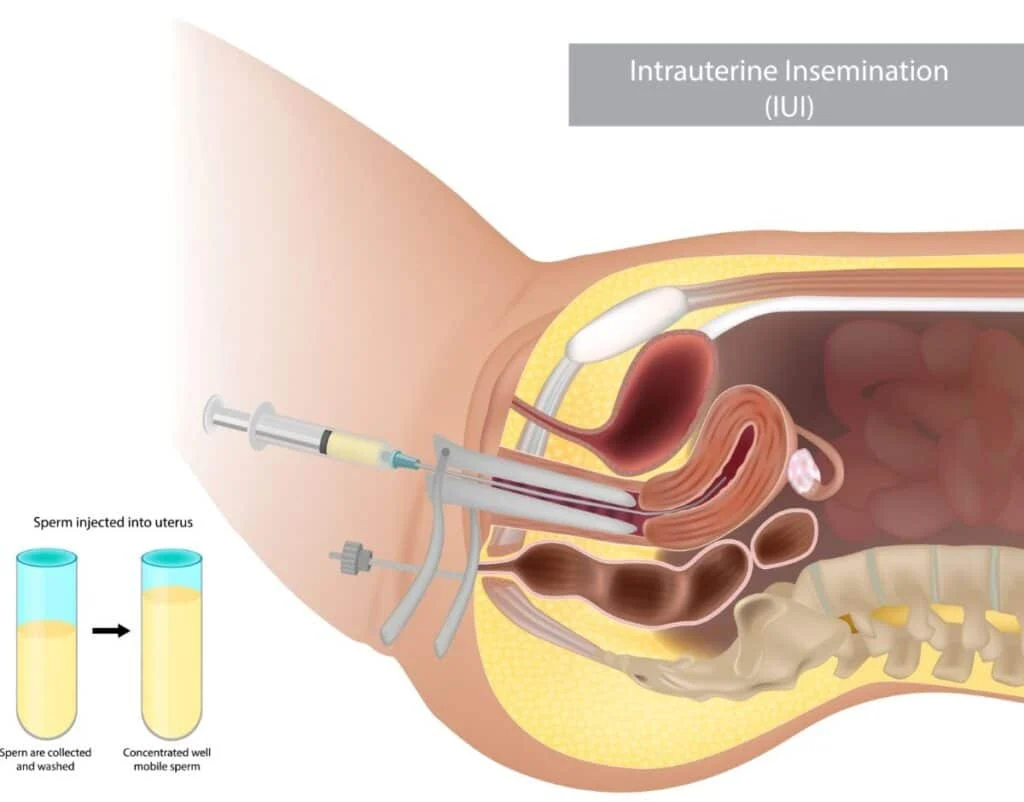
    Diagram illustrating intrauterine insemination (IUI) procedure with sperm injection into the uterus.

    Navigating the Decision: Fertility Preservation or Immediate Pregnancy

    The Role of Counseling and Support

    When facing the decision of fertility preservation or immediate pregnancy, it is essential to seek counseling and support from medical professionals, as well as family and friends. This can help women gain a better understanding of their options and the potential risks and benefits of each choice.

    Counseling can also provide emotional support for women who may be struggling with the decision and the complex emotions that come with it. It can also help women explore the reasons behind their desires to either preserve their fertility or start a family immediately, and make a decision that is best for their physical and emotional well-being.

    Making the Decision: Factors to Consider

    Ultimately, the decision between fertility preservation and immediate pregnancy is a personal one that will depend on individual circumstances and preferences. However, there are some important factors to consider when weighing these options.

    Age and health are crucial factors to consider, as they can impact a woman’s fertility and the potential risks of pregnancy. Women who are facing a medical condition or treatment that may affect their fertility may lean towards fertility preservation, while those who are in good health and have a strong desire for children may choose immediate pregnancy.

    Finances are also an important consideration, as fertility preservation can be costly and not always covered by insurance. This may make immediate pregnancy a more viable option for some women, especially if they are not currently in a financial position to undergo fertility preservation.

    Personal circumstances and support system are also important to consider. Women who have a strong support system and are emotionally ready to start a family may feel more confident in pursuing immediate pregnancy, while those who may not have a partner or support system may lean towards fertility preservation to give them more time to find a suitable partner.

    In the end, it is important for women to carefully consider all factors and seek guidance from medical professionals to make an informed decision that is best for them.

    Summary:

    The decision between fertility preservation and immediate pregnancy can be a difficult and complex one for women to navigate. Fertility preservation is a crucial option for women facing medical conditions or treatments that may affect their fertility, while immediate pregnancy may be the traditional route for those who feel pressure to start a family immediately. Seeking counseling and support, considering factors such as age, health, finances, and personal circumstances, and ultimately making an informed decision can help women navigate this important choice.
  • Choosing Your Co-Parent: What to Look for in a Potential Partner

    Blog Post:

    Choosing the right co-parent is an important decision for anyone who wants to start a family. Whether you are looking for a romantic partner or someone who simply shares your values and goals for raising children, there are certain qualities and traits that you should look for in a potential co-parent. In this blog post, we will discuss the key factors to consider when choosing your co-parent and how to find the right partner for this important role in your life.

    1. Shared Values and Goals

    One of the most crucial factors to consider when choosing a co-parent is shared values and goals. This includes fundamental beliefs about parenting, such as discipline, education, and religion. It is important to discuss these topics early on and ensure that you and your potential co-parent are on the same page. This will ensure a smoother co-parenting relationship and create a consistent environment for your child.

    2. Communication Skills

    Effective communication is essential in any relationship, but it is especially important when it comes to co-parenting. Look for someone who is open and honest, and who is willing to have difficult conversations. This will be important in making important decisions about your child’s upbringing and resolving any conflicts that may arise. Make sure to have open and honest conversations with your potential co-parent to gauge their communication skills and ensure that you can work together effectively.

    3. Parenting Style

    It is important to consider your potential co-parent’s parenting style and how it aligns with your own. Some people may have a more relaxed approach while others may be more strict. It is important to find someone who has a similar parenting style to yours to ensure consistency for your child. This will also help avoid conflicts and disagreements about how to raise your child.

    4. Commitment and Reliability

    Co-parenting is a long-term commitment and it requires a reliable and committed partner. Look for someone who is willing to put in the time and effort to co-parent and who is willing to make sacrifices for the sake of your child. This could include attending school events, doctor’s appointments, and making important decisions together. Make sure to discuss your expectations and commitments with your potential co-parent to ensure that you are both on the same page.

    5. Trust and Respect

    Trust and respect are important foundations for any relationship, including co-parenting. You should choose a co-parent who is trustworthy and respectful towards you and your child. This includes respecting your decisions as a parent and trusting your judgment. It is also important to have mutual trust and respect for each other as co-parents to ensure an effective and harmonious relationship.

    test tube with sperm in blue liquid, promoting IUI success rate and factors influencing fertility.

    Choosing Your Co-Parent: What to Look for in a Potential Partner

    6. Compatibility and Compatibility

    Compatibility and chemistry are important in any relationship, including co-parenting. While you do not need to have a romantic relationship with your co-parent, it is important to have a strong connection and compatibility. This will make it easier to work together and create a positive environment for your child. It is important to get to know your potential co-parent on a personal level and see if you have a good connection before making a final decision.

    7. Financial Stability

    Co-parenting can be financially demanding, and it is important to choose a co-parent who is financially stable and responsible. This will ensure that you both can provide for your child and make important decisions about their upbringing without any financial strain. It is important to have open and honest discussions about finances with your potential co-parent to make sure you are both on the same page.

    8. Supportive Network

    Having a supportive network is crucial for any parent, and it is especially important for co-parents. Look for a potential co-parent who has a strong support system, whether it is their family or friends. This will not only provide support for you and your co-parent, but also for your child. It is important to have a strong and supportive network to navigate the challenges of co-parenting and provide a stable and loving environment for your child.

    9. Willingness to Compromise

    Co-parenting requires a lot of compromise and flexibility. It is important to choose a co-parent who is willing to compromise and make sacrifices for the sake of your child. This could include adjusting schedules, making changes to parenting plans, or even making personal sacrifices. It is crucial to have open and honest conversations about expectations and flexibility with your potential co-parent to ensure a successful co-parenting relationship.

    10. Legal Considerations

    Lastly, it is important to consider the legal aspect of co-parenting. It is recommended to have a written agreement in place outlining the responsibilities and expectations of each co-parent. This will provide clarity and avoid any potential conflicts in the future. It is important to discuss the legal aspects of co-parenting with your potential partner and seek legal advice if needed.

    In conclusion, choosing your co-parent is an important decision that requires careful consideration. It is important to find someone who shares your values and goals, has effective communication skills, a compatible parenting style, and is committed and reliable. Trust, respect, and a supportive network are also crucial factors to consider. Remember to have open and honest conversations with your potential co-parent and seek legal advice if needed. With these considerations in mind, you can find the right co-parent to embark on this important journey of raising a child together.

    Summary:

    Choosing the right co-parent is a crucial decision that requires careful consideration. It is important to find someone who shares your values and goals, has effective communication skills, a compatible parenting style, and is committed and reliable. Trust, respect, and a supportive network are also crucial factors to consider. Compromise, legal considerations, and a strong personal connection are also important in choosing the right co-parent for a successful co-parenting relationship.