Blog Post:
When it comes to fertility, couples often feel overwhelmed and unsure of where to turn for help. With a plethora of options available, it can be challenging to know whether to try fertility supplements or seek medical treatments. However, regardless of the path chosen, one thing is clear – a healthy lifestyle is crucial for maximizing fertility potential. In this blog post, we will explore the differences between fertility supplements and medical treatments and the importance of a healthy lifestyle in boosting fertility.
Fertility Supplements:
Fertility supplements are becoming popular among couples trying to conceive. These supplements typically contain vitamins, minerals, herbs, and other natural ingredients that claim to improve fertility. While some couples swear by these supplements, there is limited scientific evidence to support their effectiveness. However, some studies have shown that certain supplements, such as Coenzyme Q10 and DHEA, can improve egg quality and sperm count in individuals with specific fertility issues. It is essential to consult with a healthcare provider before taking any supplements as they can interact with other medications or have adverse effects.
Medical Treatments:
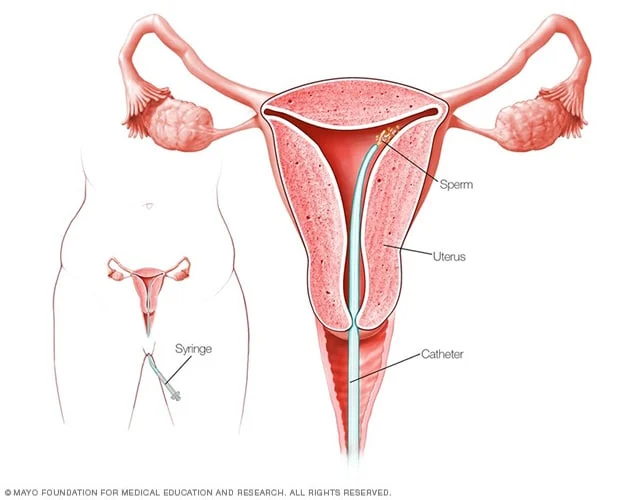
On the other hand, medical treatments for infertility involve more invasive procedures, such as fertility drugs, intrauterine insemination (IUI), and in-vitro fertilization (IVF). These treatments are typically recommended for couples who have been trying to conceive for a year or longer without success or those with diagnosed fertility issues. While these treatments have a higher success rate compared to fertility supplements, they also come with risks and side effects. It is essential to discuss the potential risks and benefits of these treatments with a fertility specialist before making a decision.
The Importance of a Healthy Lifestyle:
While both fertility supplements and medical treatments can help improve fertility, they are not a substitute for a healthy lifestyle. A healthy lifestyle includes a balanced diet, regular exercise, stress management, and avoiding harmful substances such as alcohol, tobacco, and drugs. These lifestyle factors play a significant role in fertility as they can impact hormone levels, egg and sperm quality, and overall reproductive health.
Diet:
Fertility Supplements vs Medical Treatments: The Importance of a Healthy Lifestyle
A nutritious diet is essential for overall health and fertility. A diet rich in fruits, vegetables, whole grains, lean proteins, and healthy fats can provide the necessary nutrients for reproductive health. Certain foods, such as folate-rich leafy greens, can also help prevent birth defects. On the other hand, a diet high in processed foods, sugar, and unhealthy fats can negatively impact fertility.
Exercise:
Regular physical activity is not only beneficial for physical health but also for fertility. Exercise helps manage stress, maintain a healthy weight, and regulate hormone levels. However, excessive and intense exercise can have the opposite effect and interfere with ovulation. It is essential to find a balance and engage in moderate exercise, such as brisk walking, yoga, or swimming, for optimal fertility.
Stress Management:
Stress can have a significant impact on fertility. When the body is under stress, it releases a hormone called cortisol, which can interfere with ovulation and sperm production. Furthermore, stress can also affect libido and strain relationships, making it harder to conceive. Finding healthy ways to manage stress, such as meditation, yoga, or talking to a therapist, is crucial for fertility.
Avoiding Harmful Substances:
Avoiding harmful substances such as alcohol, tobacco, and drugs is crucial for fertility. These substances can harm reproductive health, lower sperm count, and cause birth defects. Women who are trying to conceive should avoid alcohol completely, and men should limit their intake to no more than one drink per day. Quitting smoking and avoiding recreational drugs is also essential for fertility.
Summary:
When it comes to fertility, couples have the option of trying fertility supplements or seeking medical treatments. Fertility supplements are natural remedies that claim to improve fertility, while medical treatments are more invasive procedures. However, regardless of the path chosen, a healthy lifestyle is vital for maximizing fertility potential. A balanced diet, regular exercise, stress management, and avoiding harmful substances can improve reproductive health and increase the chances of conception.
In conclusion, while fertility supplements and medical treatments can help improve fertility, they are not a substitute for a healthy lifestyle. Couples trying to conceive should focus on maintaining a healthy lifestyle, along with consulting with a healthcare provider, to achieve their dream of parenthood.