Tag: fertility nutrition

  • Fertility Nutrition and IVF: How Diet Can Support Assisted Reproductive Techniques

    Blog Post Title: Fertility Nutrition and IVF: How Diet Can Support Assisted Reproductive Techniques

    In recent years, there has been a significant increase in the number of couples turning to assisted reproductive techniques, such as in-vitro fertilization (IVF), to help them conceive. While IVF has proven to be a successful method for many, it is not without its challenges and limitations. However, there is growing evidence that suggests proper nutrition and diet can play a crucial role in supporting the success of IVF and other assisted reproductive techniques. In this blog post, we will explore the connection between fertility nutrition and IVF and how making dietary changes can improve the chances of success for couples undergoing these procedures.

    The Impact of Diet on Fertility

    Before delving into the specifics of fertility nutrition and IVF, it is important to understand the impact of diet on fertility in general. Studies have shown that a well-balanced and nutritious diet can improve the overall reproductive health of both men and women. On the other hand, a poor diet can lead to hormonal imbalances, decreased sperm quality, and irregular ovulation, which can all hinder the chances of conception.

    For women, maintaining a healthy weight is crucial for fertility. Being underweight or overweight can affect hormone production and menstrual cycles, making it difficult to conceive. Additionally, certain nutrients such as folic acid, iron, and Vitamin D are essential for maintaining a healthy reproductive system.

    For men, a diet rich in antioxidants, zinc, and folate can improve sperm quality and motility. A diet high in processed foods, alcohol, and caffeine, on the other hand, can negatively impact sperm count and quality.

    Fertility Nutrition and IVF

    IVF is a complex and costly procedure, and couples who undergo this process often want to do everything in their power to increase their chances of success. While there are many factors that can affect the outcome of IVF, nutrition and diet have been identified as key players in supporting the process.

    One study found that following a Mediterranean-style diet, which is rich in fruits, vegetables, whole grains, and healthy fats, can improve the chances of pregnancy in women undergoing IVF. The study also showed that women who followed this diet were more likely to have successful pregnancies and deliver healthy babies.
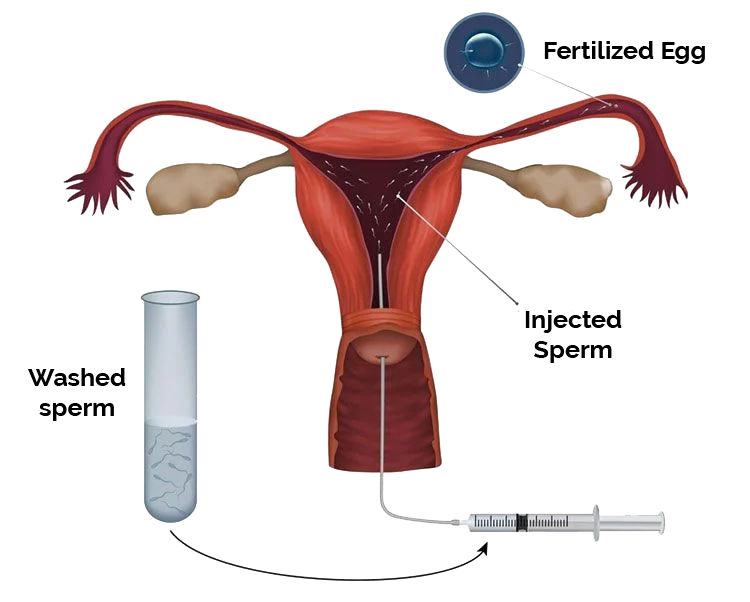
    diagram of the female reproductive system with an IUI syringe and test tube for artificial insemination

    Fertility Nutrition and IVF: How Diet Can Support Assisted Reproductive Techniques

    The reason behind the positive impact of a Mediterranean-style diet on IVF success is due to the high levels of antioxidants and anti-inflammatory compounds found in these foods. These nutrients can help reduce oxidative stress in the body, which has been linked to infertility and pregnancy complications.

    Another study found that increasing protein intake, specifically from plant-based sources, can improve the quality of embryos and increase the chances of implantation during IVF. This is because plant-based proteins contain important amino acids and antioxidants that can support healthy egg development and fertilization.

    In addition to specific foods, it is also important to pay attention to overall calorie intake and weight management during IVF. Studies have shown that being either underweight or overweight can affect the success of IVF and increase the risk of pregnancy complications. Working with a registered dietitian or nutritionist can help couples undergoing IVF create a personalized meal plan that supports their specific needs and goals.

    Other Ways Diet Can Support IVF

    Aside from improving the chances of success during IVF, nutrition and diet can also play a role in preparing the body for the procedure. Just like any other medical procedure, preparing for IVF involves taking care of one’s overall health and well-being.

    Including plenty of fruits and vegetables in the diet can help boost the immune system and reduce inflammation in the body, which can improve the chances of a successful IVF procedure. Consuming healthy fats, such as those found in avocados, nuts, and olive oil, can also help balance hormones and support healthy egg development.

    In addition to food choices, certain lifestyle factors can also impact fertility and the success of IVF. These include smoking, alcohol consumption, and stress levels. Quitting smoking and reducing alcohol intake can improve sperm quality, while managing stress through relaxation techniques, exercise, and a healthy diet can support hormonal balance and improve overall well-being.

    Summary:

    In conclusion, fertility nutrition plays a crucial role in supporting assisted reproductive techniques such as IVF. A well-balanced and nutritious diet can improve the overall reproductive health of both men and women, increasing the chances of a successful IVF procedure. Specifically, a Mediterranean-style diet, increased plant-based protein intake, and weight management have been linked to improved IVF outcomes. Additionally, making healthy food choices and managing lifestyle factors can also prepare the body for IVF and support overall fertility.
  • Fertility Nutrition for Vegans: How to Get Essential Nutrients for Conception

    Fertility is a topic that is often discussed in the context of traditional diets and lifestyle choices. However, with the rise of veganism and plant-based diets, there is increasing interest in how these dietary choices can impact fertility and conception. While there is limited research on the direct effects of a vegan diet on fertility, it is important for vegans who are trying to conceive to pay attention to their nutrition and ensure they are getting all the essential nutrients for a healthy pregnancy. In this blog post, we will explore the key nutrients that vegans should focus on for fertility and how to incorporate them into a plant-based diet.

    1. Protein
    Protein is an essential nutrient for fertility as it is needed for the production of hormones and the development of healthy eggs and sperm. While animal sources such as meat, dairy, and eggs are commonly associated with protein, there are plenty of plant-based sources as well. Some examples include beans, lentils, tofu, nuts, and seeds. It is important for vegans to consume a variety of these plant-based protein sources to ensure they are getting a complete amino acid profile.

    2. Iron
    Iron is crucial for fertility as it helps with the development of the placenta and supports the growth of the baby. Plant-based sources of iron include dark leafy greens, beans, lentils, quinoa, and fortified grains. To enhance iron absorption, it is recommended to consume iron-rich foods with a source of vitamin C, such as citrus fruits, broccoli, or bell peppers.

    3. Calcium
    Calcium is essential for bone health and plays a role in regulating hormones related to fertility. While dairy products are a common source of calcium, vegans can get their daily intake from plant-based sources such as tofu, fortified plant milks, leafy greens, and almonds. It is important to note that calcium absorption can be impacted by certain nutrients, such as oxalates found in spinach and phytates found in whole grains. Therefore, it is recommended to consume a variety of calcium-rich foods and consider taking a calcium supplement if needed.

    4. Folate
    Folate, or folic acid, is a crucial nutrient for fertility as it helps prevent birth defects and supports healthy fetal development. While it is commonly found in animal products, vegans can get their daily intake from sources such as leafy greens, beans, lentils, and fortified grains. It is important to note that folate is a water-soluble vitamin, meaning it can be easily lost during cooking. To ensure adequate intake, it is recommended to consume folate-rich foods in their raw or lightly cooked form.

    diagram of the female reproductive system with an IUI syringe and test tube for artificial insemination

    Fertility Nutrition for Vegans: How to Get Essential Nutrients for Conception

    5. Omega-3 Fatty Acids
    Omega-3 fatty acids are important for fertility as they support hormone production and help with the development of the baby’s brain and eyes. While fish is a common source of omega-3s, vegans can get their daily intake from plant-based sources such as flaxseeds, chia seeds, walnuts, and hemp seeds. It is important to note that plant-based sources of omega-3s provide a different type of fatty acid, called alpha-linolenic acid (ALA), which needs to be converted in the body to the more beneficial forms, EPA and DHA. Therefore, it is recommended to consume a variety of these plant-based sources to ensure adequate intake.

    6. Zinc
    Zinc is an important mineral for fertility as it helps with hormone production and supports the development of healthy eggs and sperm. While it is commonly found in animal products, vegans can get their daily intake from plant-based sources such as legumes, nuts, seeds, and whole grains. However, it is important to note that plant-based sources of zinc are less readily absorbed compared to animal sources. Therefore, it is recommended to consume a variety of these foods and consider taking a zinc supplement if needed.

    7. Vitamin B12
    Vitamin B12 is essential for fertility as it plays a role in hormone production and supports the development of the baby’s nervous system. As this vitamin is only found in animal products, vegans need to pay extra attention to their intake. Fortified plant milks, cereals, and nutritional yeast are some vegan-friendly sources of B12. However, it is recommended to regularly get your B12 levels checked and consider taking a supplement if needed.

    In addition to these key nutrients, it is important for vegans to ensure they are getting enough calories and a balanced diet to support fertility. Eating a variety of whole foods, including fruits, vegetables, whole grains, and healthy fats, is key for overall health and fertility.

    In summary, while there is limited research on the direct effects of a vegan diet on fertility, it is important for vegans who are trying to conceive to pay attention to their nutrition. Ensuring adequate intake of protein, iron, calcium, folate, omega-3 fatty acids, zinc, and vitamin B12 is crucial for fertility and can be achieved through a well-planned and varied plant-based diet. It is also important to consult with a healthcare professional and consider taking supplements if needed.

    Metadata:

  • Fertility Nutrition vs Traditional Diet: Which One is Right for You?

    Blog Post Title: Fertility Nutrition vs Traditional Diet: Which One is Right for You?

    Introduction:

    When it comes to fertility, many couples struggle to conceive and often turn to various methods to improve their chances of pregnancy. While medical interventions and fertility treatments are commonly used, the role of nutrition in fertility is often overlooked. However, recent studies have shown that proper nutrition can play a crucial role in improving fertility and increasing the chances of conception.

    In this blog post, we will explore the differences between fertility nutrition and traditional diets, and which one may be the right choice for you.

    Fertility Nutrition:

    Fertility nutrition focuses on consuming specific nutrients that are essential for reproductive health. It involves a balanced diet that includes whole foods, healthy fats, and specific vitamins and minerals that are known to improve fertility. Some of the key nutrients that are important for fertility include:

    1. Folate: This B vitamin is essential for cell division and DNA synthesis, making it crucial for healthy egg and sperm development.

    2. Iron: Adequate iron levels are essential for proper ovulation and fertility. Iron deficiency can lead to irregular menstrual cycles and decreased egg quality.

    3. Omega-3 fatty acids: These healthy fats have been linked to improved fertility in both men and women. They help regulate hormones and improve blood flow to the reproductive organs.

    4. Antioxidants: These include vitamins C and E, selenium, and zinc, which help protect the cells from damage and improve sperm quality.

    5. Vitamin D: This vitamin plays a crucial role in regulating reproductive hormones and improving egg quality.

    A fertility-focused diet also emphasizes the importance of consuming whole foods and avoiding processed and sugary foods, as they can negatively impact fertility.

    Traditional Diet:

    On the other hand, a traditional diet refers to the typical Western diet that is high in processed and refined foods, unhealthy fats, and sugar. This type of diet has been linked to various health issues, including obesity, diabetes, and heart disease. However, many people still follow a traditional diet, unaware of its potential impact on fertility.

    A traditional diet lacks essential nutrients and is often high in inflammatory foods, which can disrupt hormonal balance and negatively affect reproductive health. It also leads to weight gain, which is a major factor in fertility issues.

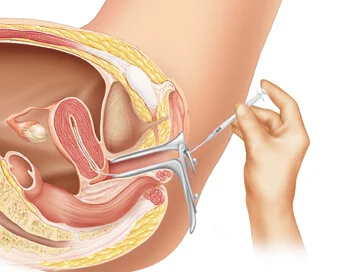
    illustration of intrauterine insemination procedure with a hand holding a speculum and syringe near the uterus

    Fertility Nutrition vs Traditional Diet: Which One is Right for You?

    The Role of Body Weight:

    Body weight plays a crucial role in fertility, and both fertility nutrition and traditional diets can have an impact on it. Being underweight or overweight can lead to hormonal imbalances and affect ovulation. Fertility nutrition focuses on maintaining a healthy weight through a balanced diet, while a traditional diet can lead to weight gain and potentially interfere with fertility.

    Benefits of Fertility Nutrition:

    1. Improved Hormonal Balance: Fertility nutrition helps regulate hormonal balance, which is crucial for ovulation and overall reproductive health.

    2. Increased Chances of Conception: A diet rich in essential nutrients can improve egg and sperm quality, increasing the chances of conception.

    3. Reduced Risk of Complications: Fertility nutrition can help reduce the risk of pregnancy complications, such as gestational diabetes and pre-eclampsia.

    4. Better Overall Health: A fertility-focused diet is not only beneficial for reproductive health but also for overall health. It can help prevent chronic diseases and improve energy levels.

    Benefits of Traditional Diet:

    1. Convenience: A traditional diet is often convenient and readily available, making it an easy choice for many people.

    2. Social Acceptance: Following a traditional diet may be more socially acceptable, as it allows for more flexibility in food choices.

    3. Familiarity: Many individuals are used to following a traditional diet and may find it challenging to switch to a fertility-focused diet.

    Conclusion:

    In conclusion, while a traditional diet may be convenient and familiar, it may not provide the essential nutrients needed for optimal fertility. Fertility nutrition, on the other hand, focuses on consuming a variety of whole foods that are rich in nutrients and can improve reproductive health. However, it is important to note that every person’s nutritional needs are different, and consulting with a healthcare professional is recommended before making any significant dietary changes.

    Summary:

    Fertility nutrition and traditional diets have significant differences in the types of foods consumed and their effects on reproductive health. Fertility nutrition emphasizes the importance of consuming essential nutrients, while a traditional diet may lack these crucial elements. Both diets can have an impact on body weight, which plays a crucial role in fertility. While traditional diets may be more convenient and socially acceptable, fertility nutrition has numerous benefits, including improved hormonal balance, increased chances of conception, and better overall health.

  • The Link Between Diet and Fertility: Exploring Traditional vs Fertility Nutrition

    Blog Post: The Link Between Diet and Fertility: Exploring Traditional vs Fertility Nutrition

    The journey to parenthood can be an exciting and fulfilling experience, but for many couples struggling with infertility, it can also be a frustrating and emotionally draining one. While there are various medical interventions available to help with fertility issues, research has shown that diet also plays a significant role in optimizing fertility.

    In this blog post, we will explore the link between diet and fertility, and compare traditional diets to fertility nutrition. By understanding the impact of food on reproductive health, we hope to provide valuable information for those trying to conceive.

    The Traditional Diet

    Traditional diets vary across cultures and regions, but they all share some common characteristics. These diets are generally based on whole, unprocessed foods, with a strong emphasis on fruits, vegetables, and whole grains. They also tend to include a variety of protein sources, such as lean meats, fish, and legumes.

    In traditional diets, there is a balance between macronutrients (carbohydrates, proteins, and fats) and a focus on consuming foods in their most natural form. These diets also tend to be lower in added sugars and unhealthy fats, which are often found in processed foods.

    Fertility Nutrition

    Fertility nutrition, on the other hand, is a specialized diet that focuses on optimizing reproductive health. It includes specific foods and nutrients that have been scientifically proven to support fertility and increase the chances of conception.

    One of the key principles of fertility nutrition is maintaining a healthy weight. Being underweight or overweight can have a significant impact on fertility, as it can disrupt hormonal balance and affect ovulation. A fertility diet typically includes a balanced mix of complex carbohydrates, lean proteins, and healthy fats, which help in maintaining a healthy weight.

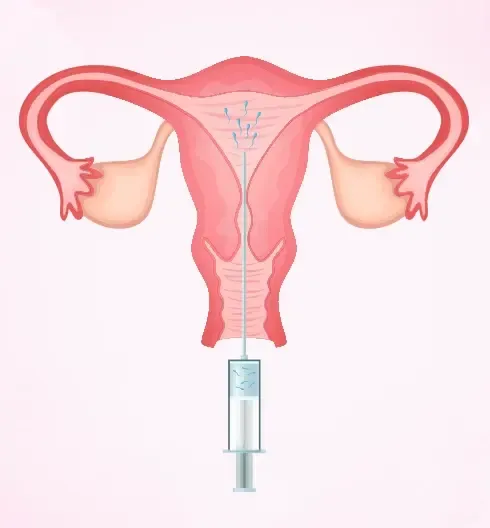
    Illustration of a uterus with a syringe indicating an intrauterine insemination procedure.

    The Link Between Diet and Fertility: Exploring Traditional vs Fertility Nutrition

    Another crucial aspect of fertility nutrition is consuming a variety of whole foods, particularly those rich in antioxidants and anti-inflammatory properties. These include brightly colored fruits and vegetables, whole grains, and healthy fats like avocados and nuts. Antioxidants help to protect eggs and sperm from damage caused by free radicals, while anti-inflammatory foods can reduce inflammation in the reproductive organs.

    In addition, fertility nutrition also emphasizes the importance of certain vitamins and minerals, such as folic acid, iron, and zinc. These nutrients play a critical role in fertility, as they are involved in hormone production, egg development, and sperm health.

    The Impact of Diet on Fertility

    The foods we eat can have a significant impact on our reproductive health. For example, a diet high in processed foods, trans fats, and added sugars can lead to inflammation, insulin resistance, and hormonal imbalances, all of which can negatively affect fertility.

    On the other hand, a diet rich in whole, nutrient-dense foods can help to regulate hormones and improve overall reproductive health. Studies have shown that women who follow a healthy diet have a higher chance of conceiving, and are less likely to experience fertility problems such as ovulatory disorders.

    Moreover, diet can also affect male fertility. A diet high in unhealthy fats and low in antioxidants can lead to lower sperm quality and quantity, making it more difficult for couples to conceive.

    Traditional vs Fertility Nutrition: Which is Better for Fertility?

    There is no one-size-fits-all approach when it comes to diet and fertility. Both traditional diets and fertility nutrition can play a role in optimizing reproductive health. Traditional diets, with their focus on whole, unprocessed foods, can provide a solid foundation for fertility. However, for those struggling with fertility issues, a specialized fertility diet may be necessary to address any nutrient deficiencies and promote optimal reproductive health.

    It is essential to note that fertility nutrition is not a quick fix for infertility. It takes time to make dietary changes and see the full effects on fertility. It is also essential to consult with a healthcare professional before making any significant dietary changes, especially if you have any underlying health conditions or are taking medications.

    In summary, there is a strong link between diet and fertility. Traditional diets can provide a solid foundation for reproductive health, but a specialized fertility diet may be necessary for those struggling with infertility. A balanced, whole foods-based diet, along with proper medical care, can significantly improve the chances of conception and help couples achieve their dream of parenthood.

  • Fueling Your Fertility: Understanding the Benefits of Fertility Nutrition

    Fueling Your Fertility: Understanding the Benefits of Fertility Nutrition

    When it comes to trying to conceive, many couples turn to medical interventions or fertility treatments, but often overlook the impact of nutrition on their fertility. However, studies have shown that making certain dietary changes and incorporating key nutrients can have a significant impact on fertility and increase the chances of conception. In this blog post, we will delve into the benefits of fertility nutrition and how it can help you on your journey to parenthood.

    The Importance of Fertility Nutrition
    Nutrition plays a crucial role in overall health and well-being, and this is especially true for fertility. The foods we eat provide our bodies with the essential nutrients needed to support reproductive functions. A balanced and nutrient-rich diet can help regulate hormone levels, improve egg and sperm quality, and increase the chances of successful implantation.

    Key Nutrients for Fertility
    There are several key nutrients that have been linked to improved fertility, and incorporating them into your diet can make a significant difference. These include:

    1. Folate: Folate, also known as folic acid, is a B vitamin essential for healthy fetal development. It has been shown to reduce the risk of birth defects and improve fertility in both men and women.

    2. Iron: Iron is an important mineral for reproductive health, as it helps with the production of red blood cells and supports the transportation of oxygen to the reproductive organs. Iron deficiency has been linked to irregular ovulation and menstrual cycles in women.

    3. Omega-3 Fatty Acids: Omega-3 fatty acids, found in fatty fish, nuts, and seeds, have been shown to improve sperm quality and increase blood flow to the reproductive organs.

    4. Vitamin D: Vitamin D plays a crucial role in regulating hormone levels and supporting healthy ovulation in women. It has also been linked to improved sperm quality in men.

    5. Zinc: Zinc is an essential mineral for reproductive health, as it helps with the production of eggs and sperm. Studies have shown that zinc deficiency can lead to fertility issues in both men and women.

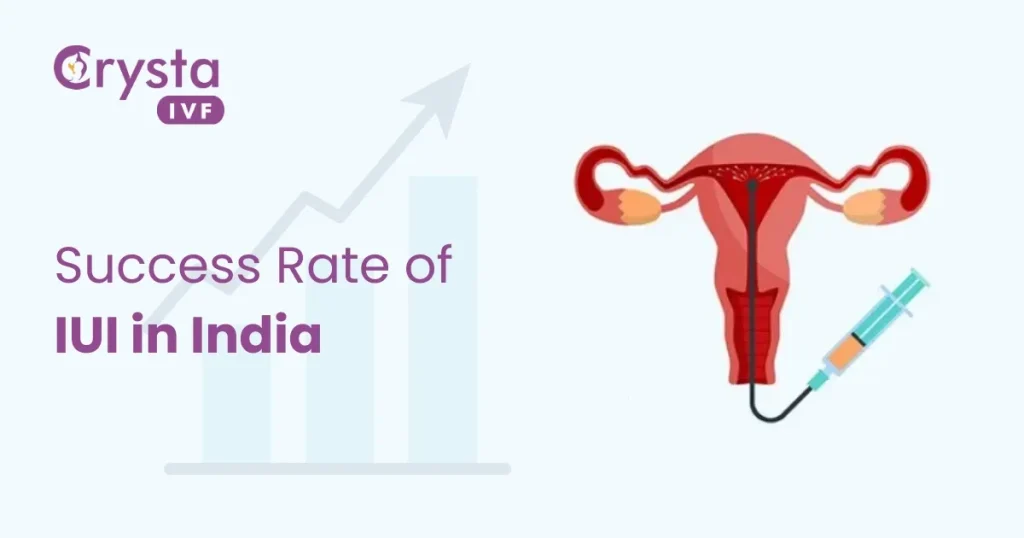
    success rate of IUI in India with a graphic of a uterus and syringe alongside a rising graph

    Fueling Your Fertility: Understanding the Benefits of Fertility Nutrition

    Incorporating these key nutrients into your diet through whole, nutrient-dense foods is the best way to ensure you are getting the necessary nutrients for fertility. However, if you struggle to meet your daily requirements, supplements can also be beneficial.

    The Role of Antioxidants
    Antioxidants are compounds that help protect our cells from damage caused by free radicals. These free radicals can harm reproductive cells, leading to infertility. Incorporating antioxidant-rich foods, such as fruits, vegetables, and whole grains, into your diet can help reduce oxidative stress and improve fertility.

    The Impact of Diet on Hormone Balance
    Hormone imbalances are a common cause of fertility issues, and diet can play a significant role in balancing hormones. Processed foods, high in sugar and unhealthy fats, can disrupt hormone levels and lead to insulin resistance, which can affect ovulation. On the other hand, a diet rich in whole foods, healthy fats, and complex carbohydrates can help regulate hormone levels and improve fertility.

    Foods to Avoid
    In addition to incorporating fertility-boosting foods, it is also essential to avoid certain foods that can have a negative impact on fertility. These include:

    1. Trans Fats: Trans fats are found in processed foods and have been linked to infertility in women.

    2. High-Mercury Fish: Certain types of fish, such as swordfish and tuna, contain high levels of mercury, which can impair fertility.

    3. Caffeine and Alcohol: Both caffeine and alcohol have been linked to infertility and should be limited or avoided when trying to conceive.

    4. Refined Carbohydrates: Refined carbohydrates, such as white bread and pasta, can cause spikes in insulin levels, leading to hormone imbalances and fertility issues.

    The Importance of a Healthy Weight
    Maintaining a healthy weight is crucial for fertility. Both being underweight and overweight can affect hormone levels and decrease fertility. A balanced diet, regular exercise, and a healthy weight can all contribute to improved fertility and increase the chances of conception.

    In summary, proper nutrition plays a significant role in fertility and can greatly impact your chances of conceiving. By incorporating key nutrients, antioxidants, and hormone-balancing foods into your diet, and avoiding certain harmful foods, you can support your reproductive health and increase your chances of a successful pregnancy. Consult with a healthcare professional or a registered dietitian to create a personalized fertility nutrition plan that fits your needs.