Tag: fertility health

  • Fertility Nutrition and IVF: How Diet Can Support Assisted Reproductive Techniques

    Blog Post Title: Fertility Nutrition and IVF: How Diet Can Support Assisted Reproductive Techniques

    In recent years, there has been a significant increase in the number of couples turning to assisted reproductive techniques, such as in-vitro fertilization (IVF), to help them conceive. While IVF has proven to be a successful method for many, it is not without its challenges and limitations. However, there is growing evidence that suggests proper nutrition and diet can play a crucial role in supporting the success of IVF and other assisted reproductive techniques. In this blog post, we will explore the connection between fertility nutrition and IVF and how making dietary changes can improve the chances of success for couples undergoing these procedures.

    The Impact of Diet on Fertility

    Before delving into the specifics of fertility nutrition and IVF, it is important to understand the impact of diet on fertility in general. Studies have shown that a well-balanced and nutritious diet can improve the overall reproductive health of both men and women. On the other hand, a poor diet can lead to hormonal imbalances, decreased sperm quality, and irregular ovulation, which can all hinder the chances of conception.

    For women, maintaining a healthy weight is crucial for fertility. Being underweight or overweight can affect hormone production and menstrual cycles, making it difficult to conceive. Additionally, certain nutrients such as folic acid, iron, and Vitamin D are essential for maintaining a healthy reproductive system.

    For men, a diet rich in antioxidants, zinc, and folate can improve sperm quality and motility. A diet high in processed foods, alcohol, and caffeine, on the other hand, can negatively impact sperm count and quality.

    Fertility Nutrition and IVF

    IVF is a complex and costly procedure, and couples who undergo this process often want to do everything in their power to increase their chances of success. While there are many factors that can affect the outcome of IVF, nutrition and diet have been identified as key players in supporting the process.

    One study found that following a Mediterranean-style diet, which is rich in fruits, vegetables, whole grains, and healthy fats, can improve the chances of pregnancy in women undergoing IVF. The study also showed that women who followed this diet were more likely to have successful pregnancies and deliver healthy babies.
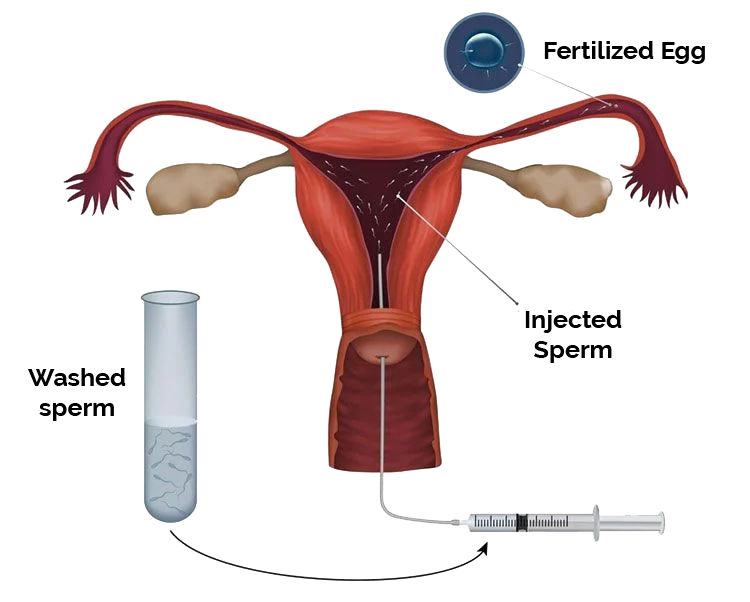
    diagram of the female reproductive system with an IUI syringe and test tube for artificial insemination

    Fertility Nutrition and IVF: How Diet Can Support Assisted Reproductive Techniques

    The reason behind the positive impact of a Mediterranean-style diet on IVF success is due to the high levels of antioxidants and anti-inflammatory compounds found in these foods. These nutrients can help reduce oxidative stress in the body, which has been linked to infertility and pregnancy complications.

    Another study found that increasing protein intake, specifically from plant-based sources, can improve the quality of embryos and increase the chances of implantation during IVF. This is because plant-based proteins contain important amino acids and antioxidants that can support healthy egg development and fertilization.

    In addition to specific foods, it is also important to pay attention to overall calorie intake and weight management during IVF. Studies have shown that being either underweight or overweight can affect the success of IVF and increase the risk of pregnancy complications. Working with a registered dietitian or nutritionist can help couples undergoing IVF create a personalized meal plan that supports their specific needs and goals.

    Other Ways Diet Can Support IVF

    Aside from improving the chances of success during IVF, nutrition and diet can also play a role in preparing the body for the procedure. Just like any other medical procedure, preparing for IVF involves taking care of one’s overall health and well-being.

    Including plenty of fruits and vegetables in the diet can help boost the immune system and reduce inflammation in the body, which can improve the chances of a successful IVF procedure. Consuming healthy fats, such as those found in avocados, nuts, and olive oil, can also help balance hormones and support healthy egg development.

    In addition to food choices, certain lifestyle factors can also impact fertility and the success of IVF. These include smoking, alcohol consumption, and stress levels. Quitting smoking and reducing alcohol intake can improve sperm quality, while managing stress through relaxation techniques, exercise, and a healthy diet can support hormonal balance and improve overall well-being.

    Summary:

    In conclusion, fertility nutrition plays a crucial role in supporting assisted reproductive techniques such as IVF. A well-balanced and nutritious diet can improve the overall reproductive health of both men and women, increasing the chances of a successful IVF procedure. Specifically, a Mediterranean-style diet, increased plant-based protein intake, and weight management have been linked to improved IVF outcomes. Additionally, making healthy food choices and managing lifestyle factors can also prepare the body for IVF and support overall fertility.
  • Fertility Nutrition for Vegans: How to Get Essential Nutrients for Conception

    Fertility is a topic that is often discussed in the context of traditional diets and lifestyle choices. However, with the rise of veganism and plant-based diets, there is increasing interest in how these dietary choices can impact fertility and conception. While there is limited research on the direct effects of a vegan diet on fertility, it is important for vegans who are trying to conceive to pay attention to their nutrition and ensure they are getting all the essential nutrients for a healthy pregnancy. In this blog post, we will explore the key nutrients that vegans should focus on for fertility and how to incorporate them into a plant-based diet.

    1. Protein
    Protein is an essential nutrient for fertility as it is needed for the production of hormones and the development of healthy eggs and sperm. While animal sources such as meat, dairy, and eggs are commonly associated with protein, there are plenty of plant-based sources as well. Some examples include beans, lentils, tofu, nuts, and seeds. It is important for vegans to consume a variety of these plant-based protein sources to ensure they are getting a complete amino acid profile.

    2. Iron
    Iron is crucial for fertility as it helps with the development of the placenta and supports the growth of the baby. Plant-based sources of iron include dark leafy greens, beans, lentils, quinoa, and fortified grains. To enhance iron absorption, it is recommended to consume iron-rich foods with a source of vitamin C, such as citrus fruits, broccoli, or bell peppers.

    3. Calcium
    Calcium is essential for bone health and plays a role in regulating hormones related to fertility. While dairy products are a common source of calcium, vegans can get their daily intake from plant-based sources such as tofu, fortified plant milks, leafy greens, and almonds. It is important to note that calcium absorption can be impacted by certain nutrients, such as oxalates found in spinach and phytates found in whole grains. Therefore, it is recommended to consume a variety of calcium-rich foods and consider taking a calcium supplement if needed.

    4. Folate
    Folate, or folic acid, is a crucial nutrient for fertility as it helps prevent birth defects and supports healthy fetal development. While it is commonly found in animal products, vegans can get their daily intake from sources such as leafy greens, beans, lentils, and fortified grains. It is important to note that folate is a water-soluble vitamin, meaning it can be easily lost during cooking. To ensure adequate intake, it is recommended to consume folate-rich foods in their raw or lightly cooked form.

    diagram of the female reproductive system with an IUI syringe and test tube for artificial insemination

    Fertility Nutrition for Vegans: How to Get Essential Nutrients for Conception

    5. Omega-3 Fatty Acids
    Omega-3 fatty acids are important for fertility as they support hormone production and help with the development of the baby’s brain and eyes. While fish is a common source of omega-3s, vegans can get their daily intake from plant-based sources such as flaxseeds, chia seeds, walnuts, and hemp seeds. It is important to note that plant-based sources of omega-3s provide a different type of fatty acid, called alpha-linolenic acid (ALA), which needs to be converted in the body to the more beneficial forms, EPA and DHA. Therefore, it is recommended to consume a variety of these plant-based sources to ensure adequate intake.

    6. Zinc
    Zinc is an important mineral for fertility as it helps with hormone production and supports the development of healthy eggs and sperm. While it is commonly found in animal products, vegans can get their daily intake from plant-based sources such as legumes, nuts, seeds, and whole grains. However, it is important to note that plant-based sources of zinc are less readily absorbed compared to animal sources. Therefore, it is recommended to consume a variety of these foods and consider taking a zinc supplement if needed.

    7. Vitamin B12
    Vitamin B12 is essential for fertility as it plays a role in hormone production and supports the development of the baby’s nervous system. As this vitamin is only found in animal products, vegans need to pay extra attention to their intake. Fortified plant milks, cereals, and nutritional yeast are some vegan-friendly sources of B12. However, it is recommended to regularly get your B12 levels checked and consider taking a supplement if needed.

    In addition to these key nutrients, it is important for vegans to ensure they are getting enough calories and a balanced diet to support fertility. Eating a variety of whole foods, including fruits, vegetables, whole grains, and healthy fats, is key for overall health and fertility.

    In summary, while there is limited research on the direct effects of a vegan diet on fertility, it is important for vegans who are trying to conceive to pay attention to their nutrition. Ensuring adequate intake of protein, iron, calcium, folate, omega-3 fatty acids, zinc, and vitamin B12 is crucial for fertility and can be achieved through a well-planned and varied plant-based diet. It is also important to consult with a healthcare professional and consider taking supplements if needed.

    Metadata:

  • Fertility Foods: A Look at the Key Nutrients for Boosting Fertility

    Summary:

    Fertility is a topic that is often surrounded by myths and misconceptions, leading many couples to struggle with conceiving a child. While there are many factors that can affect fertility, such as age, genetics, and underlying health conditions, one important aspect that often gets overlooked is nutrition. The foods we eat play a significant role in our overall health, including reproductive health. In this blog post, we will take a closer look at the key nutrients that can help boost fertility and increase the chances of conceiving.

    1. Folate

    Folate, also known as folic acid, is a B vitamin that is essential for reproductive health. It helps with the production of healthy eggs and sperm and is crucial for the development of a healthy baby. Folate also plays a role in preventing birth defects, such as neural tube defects. Foods rich in folate include leafy greens, legumes, avocado, and fortified cereals. It is recommended to consume at least 400 micrograms of folate daily for women trying to conceive.

    2. Zinc

    Zinc is another critical nutrient for fertility, as it is involved in the production of hormones and supports egg and sperm health. Zinc deficiency has been linked to fertility issues in both men and women. Foods rich in zinc include oysters, beef, chicken, pumpkin seeds, and lentils. It is recommended to consume 8-11 milligrams of zinc daily for women trying to conceive.

    3. Omega-3 Fatty Acids

    Omega-3 fatty acids are essential for reproductive health and have been shown to improve sperm quality, regulate hormones, and increase blood flow to the reproductive organs. Good sources of omega-3s include salmon, mackerel, chia seeds, and walnuts. It is recommended to consume at least 200-300 milligrams of omega-3s daily for women trying to conceive.

    4. Vitamin D

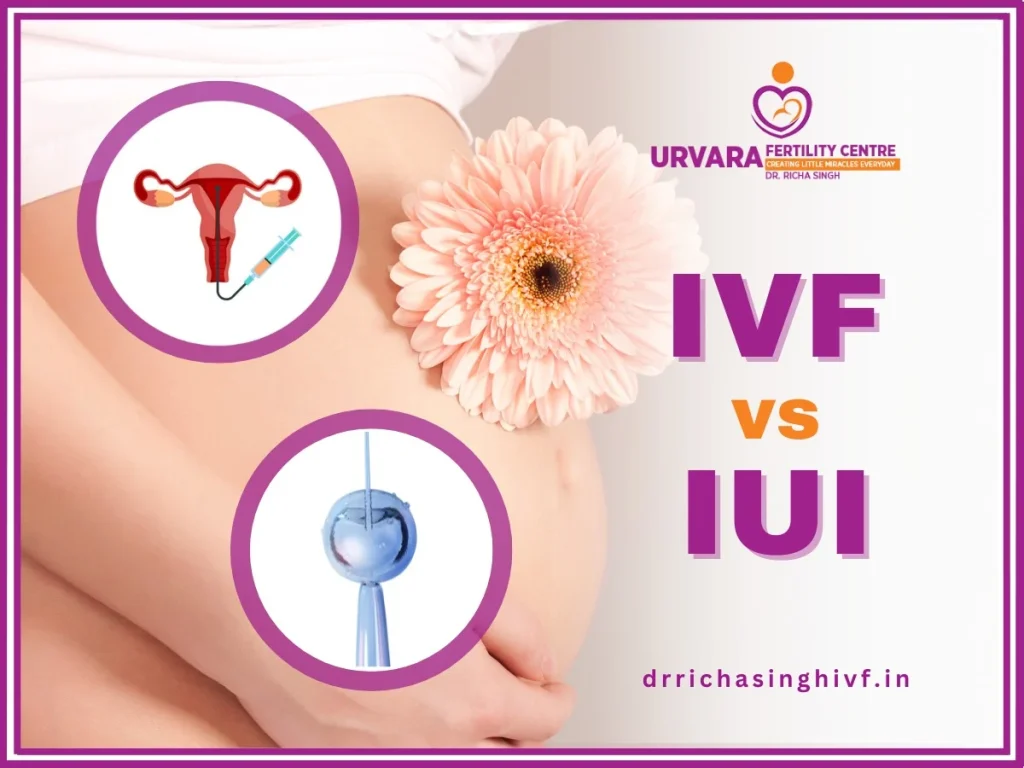
    IVF vs IUI comparison with illustrations of reproductive processes and a flower on a pregnant belly.

    Fertility Foods: A Look at the Key Nutrients for Boosting Fertility

    Vitamin D is crucial for overall health, including fertility. It helps with hormone regulation, improves egg quality, and supports a healthy pregnancy. Foods rich in vitamin D include fatty fish, egg yolks, fortified milk, and mushrooms. It is recommended to consume at least 600-800 international units (IU) of vitamin D daily for women trying to conceive.

    5. Iron

    Iron is essential for fertility because it helps with the production of healthy eggs and sperm and supports a healthy pregnancy. Iron deficiency has been linked to irregular menstrual cycles and anovulation (lack of ovulation). Good sources of iron include red meat, leafy greens, lentils, and fortified cereals. It is recommended to consume at least 18 milligrams of iron daily for women trying to conceive.

    6. Antioxidants

    Antioxidants are crucial for protecting reproductive cells from damage and improving overall reproductive health. They also play a role in improving sperm quality and reducing the risk of miscarriage. Foods rich in antioxidants include fruits and vegetables, especially berries, dark leafy greens, and citrus fruits.

    7. Water

    Staying hydrated is essential for reproductive health, as it helps with the production of cervical mucus, which is important for sperm survival and transport. It also helps with the production of healthy eggs and supports a healthy pregnancy. It is recommended to drink at least 8-10 glasses of water daily for women trying to conceive.

    In addition to these key nutrients, it is also important to maintain a healthy weight and exercise regularly as these factors can also impact fertility. It is also recommended to limit or avoid alcohol, caffeine, and processed foods, which can have negative effects on fertility.

    In conclusion, while there is no magic food that can guarantee fertility, incorporating these key nutrients into your diet can help improve overall reproductive health and increase the chances of conceiving. It is always best to consult with a healthcare professional for personalized nutritional recommendations and to address any underlying health issues that may be affecting fertility.

  • Fueling Your Fertility: Understanding the Benefits of Fertility Nutrition

    Fueling Your Fertility: Understanding the Benefits of Fertility Nutrition

    When it comes to trying to conceive, many couples turn to medical interventions or fertility treatments, but often overlook the impact of nutrition on their fertility. However, studies have shown that making certain dietary changes and incorporating key nutrients can have a significant impact on fertility and increase the chances of conception. In this blog post, we will delve into the benefits of fertility nutrition and how it can help you on your journey to parenthood.

    The Importance of Fertility Nutrition
    Nutrition plays a crucial role in overall health and well-being, and this is especially true for fertility. The foods we eat provide our bodies with the essential nutrients needed to support reproductive functions. A balanced and nutrient-rich diet can help regulate hormone levels, improve egg and sperm quality, and increase the chances of successful implantation.

    Key Nutrients for Fertility
    There are several key nutrients that have been linked to improved fertility, and incorporating them into your diet can make a significant difference. These include:

    1. Folate: Folate, also known as folic acid, is a B vitamin essential for healthy fetal development. It has been shown to reduce the risk of birth defects and improve fertility in both men and women.

    2. Iron: Iron is an important mineral for reproductive health, as it helps with the production of red blood cells and supports the transportation of oxygen to the reproductive organs. Iron deficiency has been linked to irregular ovulation and menstrual cycles in women.

    3. Omega-3 Fatty Acids: Omega-3 fatty acids, found in fatty fish, nuts, and seeds, have been shown to improve sperm quality and increase blood flow to the reproductive organs.

    4. Vitamin D: Vitamin D plays a crucial role in regulating hormone levels and supporting healthy ovulation in women. It has also been linked to improved sperm quality in men.

    5. Zinc: Zinc is an essential mineral for reproductive health, as it helps with the production of eggs and sperm. Studies have shown that zinc deficiency can lead to fertility issues in both men and women.

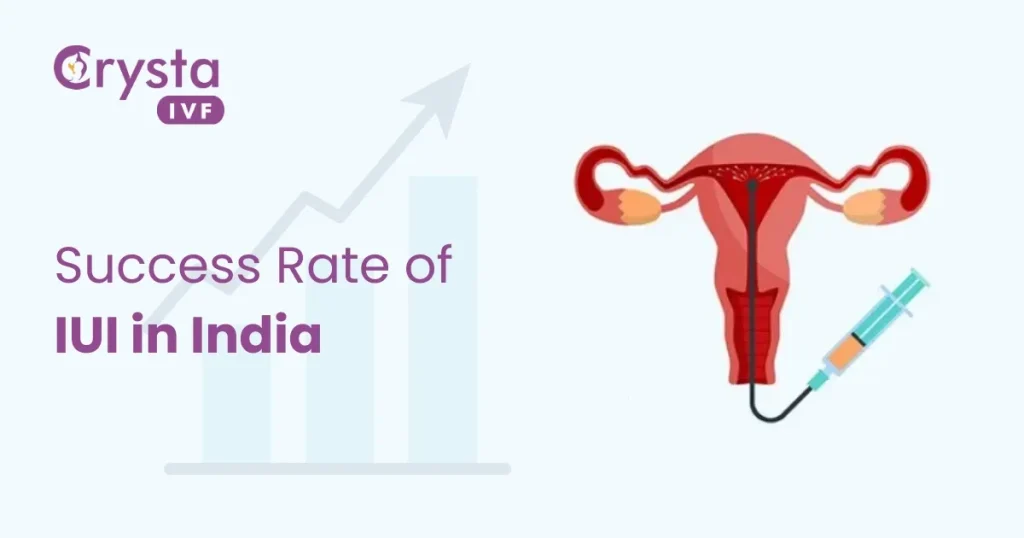
    success rate of IUI in India with a graphic of a uterus and syringe alongside a rising graph

    Fueling Your Fertility: Understanding the Benefits of Fertility Nutrition

    Incorporating these key nutrients into your diet through whole, nutrient-dense foods is the best way to ensure you are getting the necessary nutrients for fertility. However, if you struggle to meet your daily requirements, supplements can also be beneficial.

    The Role of Antioxidants
    Antioxidants are compounds that help protect our cells from damage caused by free radicals. These free radicals can harm reproductive cells, leading to infertility. Incorporating antioxidant-rich foods, such as fruits, vegetables, and whole grains, into your diet can help reduce oxidative stress and improve fertility.

    The Impact of Diet on Hormone Balance
    Hormone imbalances are a common cause of fertility issues, and diet can play a significant role in balancing hormones. Processed foods, high in sugar and unhealthy fats, can disrupt hormone levels and lead to insulin resistance, which can affect ovulation. On the other hand, a diet rich in whole foods, healthy fats, and complex carbohydrates can help regulate hormone levels and improve fertility.

    Foods to Avoid
    In addition to incorporating fertility-boosting foods, it is also essential to avoid certain foods that can have a negative impact on fertility. These include:

    1. Trans Fats: Trans fats are found in processed foods and have been linked to infertility in women.

    2. High-Mercury Fish: Certain types of fish, such as swordfish and tuna, contain high levels of mercury, which can impair fertility.

    3. Caffeine and Alcohol: Both caffeine and alcohol have been linked to infertility and should be limited or avoided when trying to conceive.

    4. Refined Carbohydrates: Refined carbohydrates, such as white bread and pasta, can cause spikes in insulin levels, leading to hormone imbalances and fertility issues.

    The Importance of a Healthy Weight
    Maintaining a healthy weight is crucial for fertility. Both being underweight and overweight can affect hormone levels and decrease fertility. A balanced diet, regular exercise, and a healthy weight can all contribute to improved fertility and increase the chances of conception.

    In summary, proper nutrition plays a significant role in fertility and can greatly impact your chances of conceiving. By incorporating key nutrients, antioxidants, and hormone-balancing foods into your diet, and avoiding certain harmful foods, you can support your reproductive health and increase your chances of a successful pregnancy. Consult with a healthcare professional or a registered dietitian to create a personalized fertility nutrition plan that fits your needs.

  • Medical Fertility Testing: Exploring the Different Types Available

    Medical Fertility Testing: Exploring the Different Types Available

    Fertility is a crucial aspect of human life that allows individuals to conceive and have children. However, not everyone is fortunate enough to have good fertility health. For some, it may take longer to get pregnant, while for others, it may be a struggle to conceive at all. This is where medical fertility testing comes into play. It is a way to assess an individual’s fertility health and determine any underlying issues that may be affecting their chances of conceiving. In this blog post, we will explore the different types of medical fertility testing available and how they can help individuals understand their fertility health better.

    1. Hormone Testing

    Hormone testing is one of the most common types of fertility testing. It involves checking the levels of various hormones in the body, such as follicle-stimulating hormone (FSH), luteinizing hormone (LH), estrogen, and progesterone. These hormones play a significant role in the menstrual cycle and ovulation, and any imbalances can affect fertility. Hormone testing can be done through blood tests, saliva tests, or urine tests, and it can help identify issues such as polycystic ovary syndrome (PCOS), thyroid disorders, or menopause.

    2. Ovulation Testing

    Ovulation testing is another essential type of fertility testing, especially for women. It involves tracking and monitoring a woman’s ovulation cycle to determine the best time for conception. Ovulation can be tracked through various methods, including monitoring basal body temperature, tracking cervical mucus changes, or using ovulation predictor kits. These tests can help determine whether a woman is ovulating regularly and if there are any issues affecting ovulation.

    3. Semen Analysis

    Semen analysis is a fertility test that is primarily used for men. It involves examining a semen sample to assess the quantity, quality, and movement of sperm. Low sperm count, abnormal sperm shape, and poor sperm motility can all affect fertility. A semen analysis can also detect any underlying issues such as infections or hormonal imbalances that may be affecting sperm production.

    4. Hysterosalpingography (HSG)

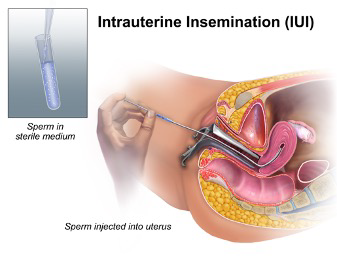
    Illustration of intrauterine insemination (IUI) procedure, showing sperm injection into the uterus.

    Medical Fertility Testing: Exploring the Different Types Available

    Hysterosalpingography (HSG) is a fertility test that involves injecting a dye into the cervix and taking an X-ray of the uterus and fallopian tubes. This test helps determine if there are any blockages or abnormalities in the reproductive organs that may be hindering conception. If there are any blockages, they can be cleared through a minimally invasive procedure, increasing the chances of pregnancy.

    5. Pelvic Ultrasound

    A pelvic ultrasound is a non-invasive test that uses sound waves to create images of the reproductive organs. It can help detect any structural abnormalities such as fibroids, cysts, or polyps that may be affecting fertility. It can also be used to monitor follicle growth during ovulation and can help diagnose conditions such as endometriosis or uterine abnormalities.

    6. Genetic Testing

    Genetic testing is a more advanced type of fertility testing that can help identify any genetic conditions that may affect fertility. It involves taking a blood or saliva sample and testing it for any genetic mutations or abnormalities that may lead to infertility or recurrent miscarriages. Genetic testing can also be done for couples to identify any potential genetic issues that may affect their future children.

    7. Immunological Testing

    Immunological testing is a type of fertility testing that involves checking the blood for any autoimmune conditions that may affect fertility. Some autoimmune disorders, such as antiphospholipid syndrome, can cause recurrent miscarriages or affect the success of fertility treatments. Immunological testing can help identify these conditions and develop a treatment plan to improve fertility.

    In conclusion, there are various types of medical fertility testing available to help individuals understand their fertility health better. These tests can be done individually or in combination to provide a comprehensive assessment of one’s fertility. If you are trying to conceive and facing challenges, it is essential to consult with a healthcare professional and undergo the necessary fertility testing to identify any underlying issues and develop a treatment plan.

    Summary:

    Medical fertility testing is a crucial way to assess an individual’s fertility health and determine any underlying issues that may be affecting their chances of conceiving. There are several types of fertility testing available, including hormone testing, ovulation testing, semen analysis, HSG, pelvic ultrasound, genetic testing, and immunological testing. These tests can help identify issues such as hormonal imbalances, ovulation problems, sperm abnormalities, structural issues, genetic conditions, or autoimmune disorders that may be affecting fertility. By undergoing the necessary fertility testing, individuals can understand their fertility health better and develop a treatment plan to improve their chances of conceiving.

  • The Importance of Medical Fertility Testing: What Can it Reveal?

    Blog Post:

    For many couples who are struggling to conceive, the journey towards parenthood can be a long and emotionally taxing one. In addition to the physical and emotional toll, there is also the financial burden of fertility treatments that can add to the stress. However, before diving into expensive and invasive procedures, it is important for couples to undergo medical fertility testing. Not only can this help identify any underlying issues, but it can also reveal key information that can guide treatment plans and improve the chances of a successful pregnancy. In this blog post, we will delve into the importance of medical fertility testing and what it can reveal.

    What is Medical Fertility Testing?

    Medical fertility testing involves a series of tests and evaluations that are performed to assess a person’s fertility health. This can include a variety of tests such as blood work, ultrasounds, and semen analysis. These tests are usually recommended for couples who have been trying to conceive for a year or more without success, or for women over the age of 35 who have been trying for six months or more. Fertility testing can also be done for individuals who have a history of reproductive issues or want to assess their fertility potential before starting a family.

    Identifying Underlying Issues

    One of the main reasons why medical fertility testing is important is that it can help identify any underlying issues that may be hindering conception. For women, these tests can reveal conditions such as polycystic ovary syndrome (PCOS), endometriosis, or blocked fallopian tubes. For men, fertility testing can uncover problems with sperm count, motility, or morphology. By identifying these issues, healthcare professionals can then work towards addressing them and improving the chances of pregnancy.

    Guiding Treatment Plans

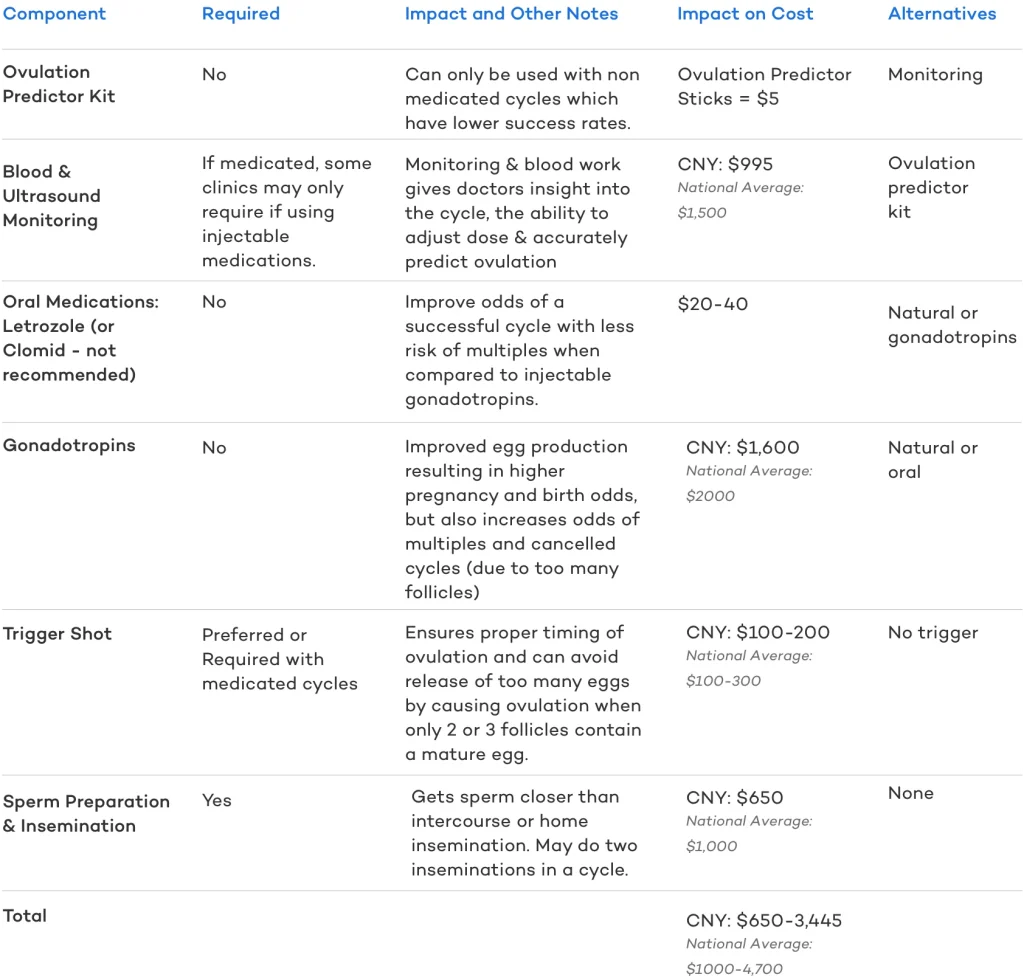
    Cost breakdown for IUI components, including requirements, impacts, and alternatives.

    The Importance of Medical Fertility Testing: What Can it Reveal?

    In addition to identifying underlying issues, medical fertility testing can also help guide treatment plans. Depending on the results of the tests, healthcare professionals can recommend the most appropriate and effective treatment options. For example, if a woman has PCOS, she may be prescribed medication to regulate her hormones and improve ovulation. If a man has low sperm count, he may be advised to make lifestyle changes or undergo a fertility procedure such as intrauterine insemination (IUI) or in vitro fertilization (IVF). By understanding the root cause of infertility, healthcare professionals can tailor treatment plans to address specific issues and increase the chances of success.

    Improving the Chances of a Successful Pregnancy

    Ultimately, the goal of medical fertility testing is to improve the chances of a successful pregnancy. By identifying underlying issues and guiding treatment plans, couples can increase their chances of conceiving naturally or through fertility treatments. This not only saves them time and money but also reduces the emotional toll of trying to conceive. In some cases, fertility testing may also reveal that there are no fertility issues, and the couple may just need to continue trying. This can provide peace of mind and alleviate any unnecessary stress or pressure.

    What Can Medical Fertility Testing Reveal?

    As mentioned earlier, medical fertility testing can reveal a range of issues that may be hindering conception. For women, these tests can reveal problems with ovulation, hormonal imbalances, or structural issues with the reproductive organs. For men, fertility testing can uncover issues with sperm quality, quantity, or delivery. Additionally, fertility testing can also reveal any underlying health conditions that may be impacting fertility, such as thyroid disorders or diabetes.

    Aside from identifying issues, medical fertility testing can also provide valuable information about a person’s fertility potential. For women, this can include the number of eggs they have left, their ovarian reserve, and the quality of their eggs. For men, fertility testing can reveal information about sperm DNA fragmentation, which can affect fertility and the health of potential offspring.

    Summary:

    Medical fertility testing is an essential step for couples who are struggling to conceive. It involves a series of tests and evaluations that can identify underlying issues, guide treatment plans, and improve the chances of a successful pregnancy. Fertility testing can reveal a range of issues such as hormonal imbalances, structural problems, and sperm quality. It can also provide valuable information about a person’s fertility potential. By undergoing medical fertility testing, couples can take proactive steps towards starting a family and alleviate the stress and uncertainty of trying to conceive.

  • Breaking Down the Costs: At-Home Fertility Testing vs Medical Testing

    Blog Post Title: Breaking Down the Costs: At-Home Fertility Testing vs Medical Testing

    Summary:

    The journey towards parenthood can be an emotional and financial rollercoaster for many couples. One of the first steps in this journey is often fertility testing, which can help determine if there are any underlying issues that may be preventing conception. In recent years, there has been a rise in the availability of at-home fertility testing kits, which claim to provide accurate and convenient results at a fraction of the cost of traditional medical testing.

    In this blog post, we will be exploring the differences between at-home fertility testing and medical testing, and breaking down the costs associated with each option. We will also discuss the pros and cons of each method, as well as factors to consider when deciding which route to take.

    At-Home Fertility Testing:

    At-home fertility testing kits can be purchased online or in stores and typically range from $30 to $200. These kits usually require a urine or saliva sample, which is then sent to a lab for analysis. The results are usually available within a few days, and many companies also offer the option of speaking with a healthcare professional for further guidance.

    Pros:

    1. Cost-effective: The main advantage of at-home fertility testing is its affordability. As mentioned earlier, these kits can cost significantly less than medical testing, making it a more accessible option for those on a budget.

    2. Convenience: At-home fertility testing can be done in the comfort of your own home, eliminating the need for multiple appointments and visits to a clinic or lab.

    3. Privacy: Some individuals may feel more comfortable taking the test at home rather than in a clinical setting, allowing for more privacy and discretion.

    Cons:

    1. Limited information: At-home fertility testing may not provide a comprehensive analysis of your fertility health. These tests only measure a few key hormones and may not detect other underlying issues that could be affecting your fertility.

    2. Potential for error: While at-home fertility testing kits claim to be accurate, there is always a chance for human error when taking the test or interpreting the results.

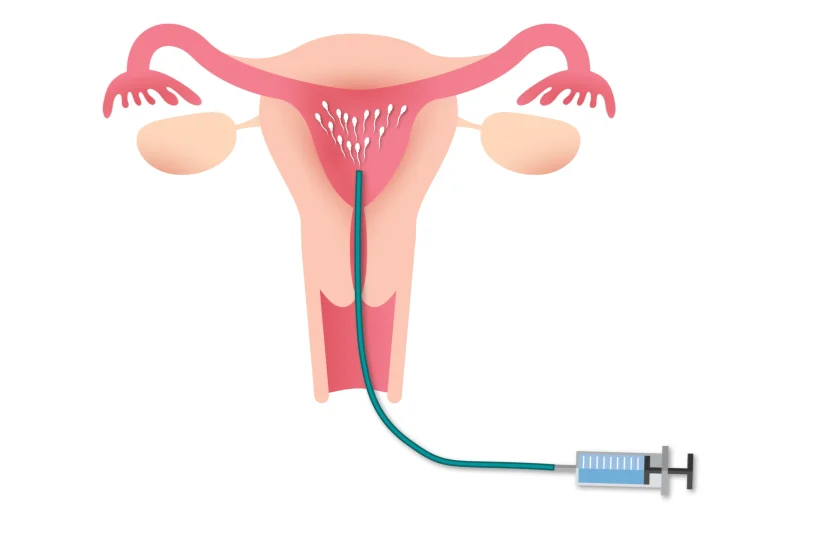
    diagram of a uterus with a syringe for intrauterine insemination procedure

    Breaking Down the Costs: At-Home Fertility Testing vs Medical Testing

    3. Lack of follow-up care: If the results of your at-home fertility test indicate an issue, you may still need to seek medical testing for further evaluation. This could lead to additional costs and may delay the process of getting a proper diagnosis and treatment.

    Medical Fertility Testing:

    Medical fertility testing is typically conducted by a healthcare professional, such as a gynecologist or a reproductive endocrinologist, and involves a series of tests and procedures to evaluate both male and female fertility. The cost of medical testing can vary greatly depending on the specific tests and procedures recommended by the healthcare provider, but it can range from a few hundred to several thousand dollars.

    Pros:

    1. Comprehensive evaluation: Medical fertility testing provides a thorough assessment of your fertility health, including blood tests, ultrasounds, and other diagnostic procedures. This can help identify any underlying issues that may be preventing conception and allow for targeted treatment.

    2. Personalized care: With medical testing, you have the guidance and support of a healthcare professional who can provide personalized care and answer any questions or concerns you may have.

    3. Follow-up care: In the case of abnormal results, medical testing allows for follow-up care and further evaluation to determine the best course of action for treatment.

    Cons:

    1. Cost: The biggest disadvantage of medical fertility testing is its cost. As mentioned earlier, it can be significantly more expensive than at-home testing, and it may not be feasible for those on a tight budget.

    2. Time-consuming: Medical testing often requires multiple appointments and procedures, which can be time-consuming and may disrupt daily routines.

    3. Emotional toll: For some individuals, undergoing medical testing can be emotionally draining, especially if the results indicate issues with fertility. This can add to the stress and anxiety of trying to conceive.

    Factors to Consider:

    When deciding between at-home fertility testing and medical testing, it is essential to consider your individual needs and circumstances. Factors such as budget, convenience, and personal preferences should all be taken into account. It is also crucial to consult with a healthcare professional if you have any concerns about your fertility health.

    In conclusion, both at-home fertility testing and medical testing have their own set of pros and cons, and the decision ultimately depends on what works best for each individual or couple. While at-home testing may be a more cost-effective and convenient option, it may not provide a comprehensive evaluation of fertility health. On the other hand, medical testing may be more thorough but can be expensive and time-consuming. Ultimately, the most important thing is to seek guidance from a healthcare professional and make an informed decision that is best for you.

  • Is At-Home Fertility Testing Accurate? What You Need to Know

    Is At-Home Fertility Testing Accurate? What You Need to Know

    For couples trying to conceive, fertility testing is an essential step in understanding their reproductive health. Traditionally, this has been done at a doctor’s office or fertility clinic. However, with the rise of at-home fertility testing kits, many are wondering if these tests are accurate and reliable. In this blog post, we will explore the accuracy of at-home fertility testing and what you need to know before using one.

    What is At-Home Fertility Testing?

    At-home fertility testing kits are designed to measure a woman’s hormone levels, which can provide insight into her ovulation and overall fertility. These kits typically come in the form of urine or saliva tests and can be purchased online or at a pharmacy without a prescription. They claim to offer a convenient and cost-effective alternative to traditional fertility testing methods.

    The Accuracy of At-Home Fertility Testing

    While at-home fertility testing may seem like a convenient option, it’s essential to understand its accuracy and limitations. Studies have shown that these tests can accurately detect hormonal levels, but they are not a comprehensive evaluation of fertility. These tests can provide false positives or false negatives, which can be misleading for couples trying to conceive.

    One of the main limitations of at-home fertility testing is that it only measures a woman’s hormone levels at a specific point in time. Hormone levels can fluctuate throughout a woman’s menstrual cycle, so it’s crucial to test at the right time for accurate results. Additionally, these tests do not take into account other factors that can affect fertility, such as sperm count, sperm quality, and tubal patency.

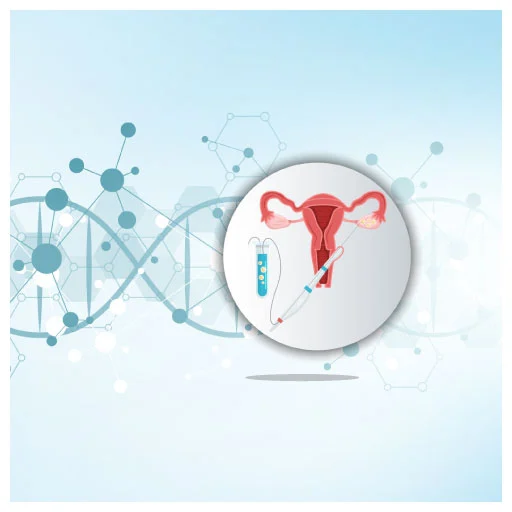
    Illustration of IUI procedure with uterus and syringe against a DNA background.

    Is At-Home Fertility Testing Accurate? What You Need to Know

    Another factor that can affect the accuracy of at-home fertility testing is user error. These tests require proper timing and handling, and any mistakes can lead to incorrect results. It’s essential to carefully follow the instructions provided with the kit to ensure accurate results.

    When to Consider At-Home Fertility Testing

    While at-home fertility testing may not be as accurate as traditional methods, it can still provide valuable information for couples trying to conceive. These tests can help identify potential hormonal imbalances that may be affecting fertility and prompt individuals to seek further medical advice. Additionally, at-home fertility testing can be useful for women with irregular menstrual cycles who may have difficulty tracking ovulation.

    It’s important to note that at-home fertility testing should not be used as a replacement for a comprehensive fertility evaluation by a medical professional. If you have been trying to conceive for over a year (or six months if you are over 35), it’s best to consult a fertility specialist for a thorough evaluation and personalized treatment plan.

    The Future of At-Home Fertility Testing

    As technology advances, at-home fertility testing is expected to become more accurate and reliable. Companies are working on developing tests that can measure multiple hormones and offer a more comprehensive evaluation of fertility. However, it’s essential to keep in mind that these tests will still have limitations and should be used in conjunction with medical advice.

    In summary, at-home fertility testing can be a useful tool for gaining insight into a woman’s hormone levels and potential fertility issues. However, it’s important to understand its accuracy and limitations and not rely on it as the sole method for evaluating fertility. If you are struggling to conceive, it’s best to consult a fertility specialist for a thorough evaluation and personalized treatment plan.

    SEO Metadata: