Fertility Equality: Examining the Differences Between Male and Female Factor Treatments
Fertility is a deeply personal and often sensitive topic for many individuals and couples. The ability to conceive and have children is often seen as a fundamental part of life, and for those facing challenges with fertility, it can be a difficult and emotional journey. In recent years, there has been a growing movement towards fertility equality, which aims to address the disparities and inequalities in access to fertility treatments for both men and women. However, when it comes to the treatments themselves, there are significant differences between male and female factor treatments. In this blog post, we will examine these differences and explore the various options available for individuals and couples facing fertility challenges.
The Basics of Fertility
Before delving into the differences between male and female factor treatments, it is important to understand the basics of fertility. Fertility is the natural ability to conceive and have children, and it is influenced by a variety of factors such as age, genetics, lifestyle, and underlying medical conditions. For women, fertility is mainly determined by the health and function of their reproductive organs, specifically the ovaries, fallopian tubes, and uterus. On the other hand, for men, fertility is primarily linked to the quality and quantity of their sperm.
Male Factor Treatments
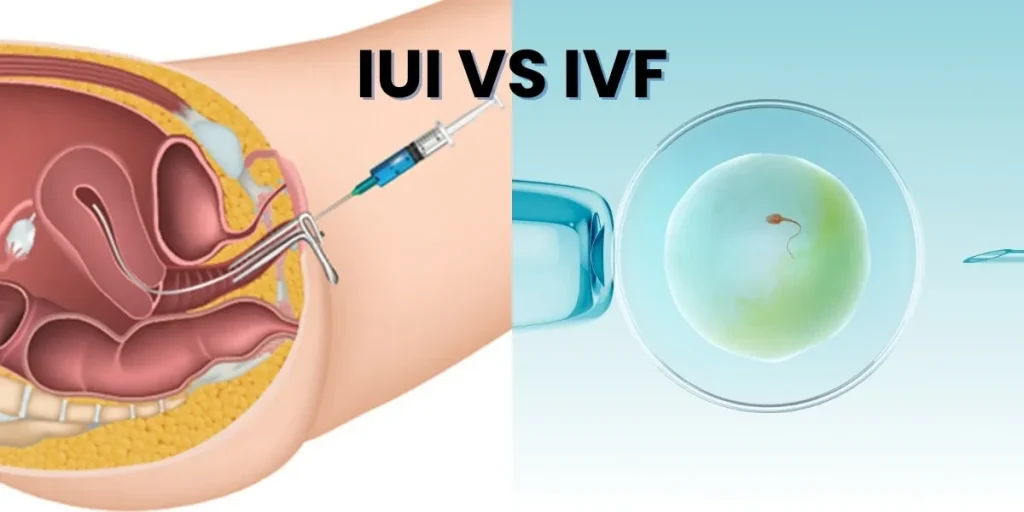
When it comes to fertility treatments, men have fewer options compared to women. The most common male factor treatment is intrauterine insemination (IUI), also known as artificial insemination. This involves inserting washed and concentrated sperm directly into the woman’s uterus during ovulation. IUI is often recommended for couples with unexplained infertility, low sperm count, or mild male factor infertility.
Another option for men is intracytoplasmic sperm injection (ICSI), which is used in conjunction with in vitro fertilization (IVF). ICSI involves injecting a single sperm directly into the woman’s egg, bypassing any potential issues with the sperm’s ability to reach and fertilize the egg. This is often recommended for couples with severe male factor infertility, such as low sperm count or poor sperm motility.
In some cases, men may also undergo surgical procedures to address underlying conditions that may be affecting their fertility. These procedures include varicocele repair, which involves repairing enlarged veins in the scrotum, and testicular sperm extraction (TESE), which is used to retrieve sperm directly from the testicles when there is a blockage in the male reproductive system.
Female Factor Treatments
For women, there are a variety of fertility treatments available, depending on the underlying cause of their infertility. The most common treatment is ovulation induction, which involves taking medication to stimulate the ovaries to produce multiple eggs. This is often used in combination with IUI or IVF to increase the chances of conception.
Fertility Equality: Examining the Differences Between Male and Female Factor Treatments
In vitro fertilization (IVF) is a widely used fertility treatment that involves retrieving eggs from the woman’s ovaries, fertilizing them with sperm in a laboratory, and then transferring the resulting embryos into the woman’s uterus. IVF is recommended for a variety of fertility issues, including blocked fallopian tubes, endometriosis, and unexplained infertility.
For women with structural issues in their reproductive organs, procedures like hysteroscopy or laparoscopy may be recommended. Hysteroscopy involves inserting a thin, flexible tube with a camera into the uterus to diagnose and treat issues such as uterine fibroids or polyps. Laparoscopy is a minimally invasive surgery that can be used to diagnose and treat conditions like endometriosis or blocked fallopian tubes.
Challenges and Inequalities in Fertility Treatments
Despite the availability of various fertility treatments, there are still significant challenges and inequalities when it comes to accessing them. For example, IVF can be a costly treatment, with an average cost of $12,000-$15,000 per cycle. This high cost can be a barrier for many couples, especially those without insurance coverage for fertility treatments.
In addition, there are cultural and societal stigmas surrounding fertility treatments, which can make it difficult for individuals and couples to seek help. Women, in particular, may face more pressure and judgment when it comes to fertility, as society often places a greater emphasis on a woman’s ability to conceive and bear children.
Furthermore, there is a lack of awareness and education about male fertility issues, leading to a focus on female fertility and potential blame being placed on women. This perpetuates the idea that fertility is solely a female issue, and men may not seek help or be included in discussions about fertility treatments.
Moving Towards Fertility Equality
The concept of fertility equality aims to address these challenges and inequalities, advocating for equal access and support for individuals and couples facing fertility issues. This includes raising awareness about male fertility issues, providing insurance coverage for fertility treatments, and reducing societal stigma and pressure surrounding fertility.
In recent years, there have been promising developments towards fertility equality. For example, some states in the US have passed laws requiring insurance companies to provide coverage for fertility treatments. There has also been a growing movement towards destigmatizing fertility treatments and promoting open discussions about fertility.
Summary
Fertility is a complex and personal topic, and there are significant differences between male and female factor treatments. For men, options may be limited to procedures like IUI and ICSI, while women have a wider range of treatments available such as ovulation induction and IVF. However, there are still challenges and inequalities in accessing these treatments, and the concept of fertility equality aims to address these issues through increased awareness, support, and equal access to fertility treatments.