Tag: Fertility Coaches

  • Fertility Coaches and Nutrition: The Impact of Diet on Fertility

    Fertility Coaches and Nutrition: The Impact of Diet on Fertility

    Fertility is a topic that is often surrounded by myths and misconceptions. Many couples struggle with conceiving and often turn to fertility treatments without realizing that nutrition plays a crucial role in their fertility journey. This is where fertility coaches come in. These experts offer guidance on how to optimize nutrition for fertility, helping couples increase their chances of conceiving naturally. In this blog post, we will explore the role of fertility coaches and nutrition in improving fertility, as well as some dietary changes that can benefit those trying to conceive.

    The Role of Fertility Coaches

    Fertility coaches are professionals who specialize in helping couples improve their fertility through lifestyle changes, including nutrition. They work closely with clients to create customized plans tailored to their specific needs and goals. These coaches have extensive knowledge about fertility and are trained to identify potential roadblocks that may be hindering a couple’s ability to conceive.

    One of the main roles of fertility coaches is to educate their clients about the impact of nutrition on fertility. They help couples understand the importance of a well-balanced diet and how it can improve their chances of conceiving. Fertility coaches also provide support and motivation to their clients throughout their fertility journey, helping them stay on track and make positive changes.

    How Nutrition Affects Fertility

    The food we eat has a significant impact on our overall health, including our fertility. A poor diet can lead to nutrient deficiencies, hormonal imbalances, and other health issues that can affect fertility. On the other hand, a healthy and balanced diet can improve fertility by providing the necessary nutrients for reproductive health.

    One of the key nutrients for fertility is folic acid, which is essential for the development of a healthy baby. It is recommended that women who are trying to conceive take folic acid supplements and consume foods rich in this nutrient, such as leafy greens, legumes, and citrus fruits. Other important nutrients for fertility include iron, zinc, and vitamin D.

    In addition to providing essential nutrients, a healthy diet can also help regulate hormones. Hormonal imbalances can disrupt the menstrual cycle and ovulation, making it difficult to conceive. By consuming a diet that is rich in whole foods and low in processed foods, couples can help balance their hormones and improve their chances of conceiving.

    Dietary Changes for Fertility

    Fertility coaches work with their clients to create personalized meal plans that support fertility. These plans often include whole foods such as fruits, vegetables, whole grains, lean proteins, and healthy fats. They also recommend avoiding or limiting processed foods, added sugars, and unhealthy fats.
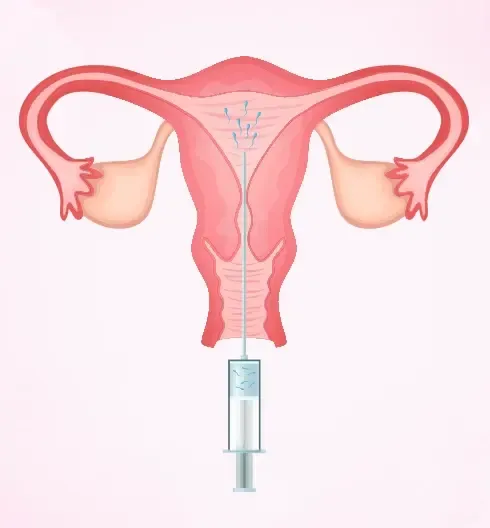
    Illustration of a uterus with a syringe indicating an intrauterine insemination procedure.

    Fertility Coaches and Nutrition: The Impact of Diet on Fertility

    Some dietary changes that can benefit those trying to conceive include:

    1. Eating a Mediterranean-style diet – This diet is rich in fruits, vegetables, whole grains, and healthy fats, and has been linked to improved fertility.

    2. Consuming more plant-based proteins – Plant-based proteins such as beans, lentils, and tofu are rich in iron and have been associated with better egg quality and ovulation.

    3. Including healthy fats – Healthy fats, such as those found in avocados, nuts, and olive oil, are important for reproductive health and can help regulate hormones.

    4. Avoiding trans fats – Trans fats, found in processed and fried foods, have been linked to ovulatory infertility, so it is best to limit consumption.

    5. Reducing caffeine and alcohol intake – High caffeine and alcohol intake have been associated with decreased fertility, so it is recommended to limit consumption or avoid them altogether.

    In addition to these dietary changes, fertility coaches also emphasize the importance of a healthy weight for fertility. Being underweight or overweight can affect hormone levels and ovulation, making it harder to conceive. Fertility coaches work with their clients to achieve a healthy weight through proper nutrition and exercise.

    The Impact of Diet on Male Fertility

    While most discussions about fertility focus on women, it is essential to note that diet plays a crucial role in male fertility as well. A healthy diet can improve sperm quality and quantity, increasing the chances of conception. On the other hand, a poor diet can lead to sperm abnormalities and decrease fertility.

    Fertility coaches work with both partners to improve their diet and overall health to maximize their chances of conceiving. They also recommend supplements and lifestyle changes that can benefit male fertility.

    In summary, fertility coaches play a vital role in helping couples improve their fertility through nutrition. By educating their clients about the impact of diet on fertility and providing personalized plans, these coaches can help couples achieve their dream of starting a family. Making dietary changes, along with other lifestyle modifications, can greatly improve fertility and increase the chances of conceiving naturally.
  • Fertility and Body Image: The Role of Fertility Coaches in Promoting Self-Love

    Summary:

    Fertility can be a sensitive and complex topic for many individuals, and it is often intertwined with body image and self-esteem. Insecurities about one’s body may arise during fertility struggles, as the body goes through changes and treatments that can impact physical appearance and self-perception. This is where fertility coaches play a crucial role in promoting self-love and body positivity.

    Fertility coaches are trained professionals who provide support and guidance to individuals and couples navigating their fertility journey. They not only offer practical advice and resources, but also serve as emotional and mental health support systems. In recent years, fertility coaches have also been incorporating body positivity and self-love techniques into their coaching practices, recognizing the significant impact that body image can have on fertility and overall well-being.

    One of the primary ways that fertility coaches promote self-love is by helping individuals and couples shift their focus from their external appearance to their internal well-being. This involves challenging societal beauty standards and unrealistic expectations, and instead, encouraging clients to prioritize self-care, self-acceptance, and self-compassion. Through a variety of techniques such as journaling, mindfulness, and positive affirmations, fertility coaches help clients build a healthy relationship with their bodies and foster a sense of self-love.

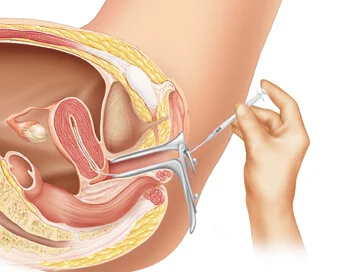
    illustration of intrauterine insemination procedure with a hand holding a speculum and syringe near the uterus

    Fertility and Body Image: The Role of Fertility Coaches in Promoting Self-Love

    Fertility coaches also play a crucial role in addressing body image issues that may arise during fertility treatments. Many fertility treatments can cause changes in weight, hormonal imbalances, and other physical changes that can impact body image. Fertility coaches provide a safe space for clients to express their feelings and insecurities while offering tools and techniques to cope with these changes. They also work with clients to shift their mindset from focusing on physical appearance to focusing on the incredible strength and resilience of their bodies.

    Moreover, fertility coaches understand the importance of self-care during fertility struggles. They encourage clients to prioritize self-care practices such as healthy eating, exercise, and relaxation techniques to help improve overall well-being and body image. By nurturing their bodies and minds, individuals and couples can improve their fertility journey and feel more confident and empowered in their bodies.

    In addition to working with individuals and couples, fertility coaches also play a vital role in promoting body positivity and self-love within the fertility community. They educate and raise awareness about the impact of body image on fertility and advocate for more inclusive and diverse representations of fertility in the media. Fertility coaches also provide support and resources for individuals and couples who may feel isolated or misunderstood due to their fertility struggles, creating a sense of community and understanding.

    In conclusion, fertility coaches play a crucial role in promoting self-love and body positivity during fertility struggles. By shifting the focus from external appearance to internal well-being, addressing body image issues, promoting self-care, and advocating for inclusivity, these coaches empower individuals and couples to embrace their bodies and feel confident and supported on their fertility journey.

  • Fertility Coaches vs Fertility Specialists: Understanding the Differences

    Blog Post Title: Fertility Coaches vs Fertility Specialists: Understanding the Differences

    In recent years, the field of fertility has seen a rise in the popularity of fertility coaches. These coaches offer support and guidance to individuals and couples struggling with fertility issues, promising to help them achieve their dream of starting a family. However, there is often confusion about the role of a fertility coach and how it differs from that of a fertility specialist. In this blog post, we will explore the differences between fertility coaches and fertility specialists, and why it is important to understand these distinctions.

    Fertility Coaches:
    Fertility coaches are not medical professionals and do not have any formal medical training. They are typically individuals who have gone through their own fertility struggles and have successfully conceived a child. They may also have a background in holistic health, nutrition, or counseling. Fertility coaches offer emotional support, advice on lifestyle changes, and help with navigating the fertility journey. They may also provide resources and recommendations for alternative fertility treatments such as acupuncture, naturopathy, or herbal supplements.

    One of the main benefits of working with a fertility coach is the emotional support they can provide. Fertility struggles can be incredibly isolating and overwhelming, and having someone who understands and can offer guidance can be very helpful. Fertility coaches also often have a more holistic approach, focusing on the mind-body connection and how it can impact fertility. They may also offer practical advice on nutrition, exercise, and stress management, which can play a significant role in fertility.

    However, it is important to note that fertility coaches are not trained medical professionals and should not be relied upon for medical advice. They can offer support and guidance, but they cannot diagnose or treat any medical conditions. If you are struggling with fertility issues, it is crucial to seek the expertise of a fertility specialist.

    Fertility Specialists:
    Fertility specialists, also known as reproductive endocrinologists, are medical doctors who specialize in diagnosing and treating fertility issues. They have completed extensive training in obstetrics and gynecology, followed by a fellowship in reproductive endocrinology and infertility. Fertility specialists have a deep understanding of the complex hormonal, medical, and genetic factors that can impact fertility. They have access to advanced diagnostic tools and fertility treatments, such as in vitro fertilization (IVF), intrauterine insemination (IUI), and other assisted reproductive technologies.

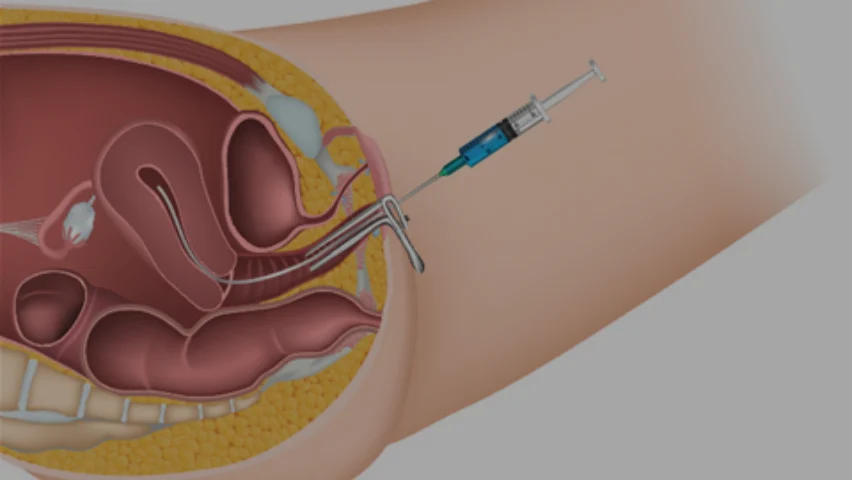
    Illustration of intrauterine insemination (IUI) procedure with syringe and catheter in the uterus.

    Fertility Coaches vs Fertility Specialists: Understanding the Differences

    One of the main advantages of working with a fertility specialist is their medical expertise and access to advanced treatments. They can conduct thorough evaluations, diagnose any underlying medical conditions, and develop personalized treatment plans based on each patient’s unique needs. Fertility specialists also have a team of nurses, embryologists, and other healthcare professionals to support them in providing comprehensive care.

    It is also worth noting that fertility specialists can diagnose and treat both male and female fertility issues. In contrast, fertility coaches typically focus on the female partner’s journey and may not have the knowledge or expertise to address male fertility concerns.

    So, Which One Do You Need?
    The answer to this question depends on your individual situation and needs. If you are struggling with fertility issues and have not yet sought medical advice, it is essential to start by consulting a fertility specialist. They can conduct necessary tests and evaluations to determine the cause of your fertility struggles and provide appropriate medical treatment.

    However, if you have already been diagnosed with a medical condition impacting your fertility, or if you are undergoing fertility treatments, working with a fertility coach can be a beneficial addition to your treatment plan. They can offer emotional support and guidance, as well as practical advice on lifestyle changes that can improve your chances of conception.

    In summary, fertility coaches and fertility specialists play different roles in the fertility journey. Fertility coaches offer emotional support and guidance, while fertility specialists provide medical expertise and treatment. It is essential to understand these distinctions and seek the appropriate help for your specific needs.

    In conclusion, while fertility coaches and fertility specialists both have a role to play in the fertility journey, they offer different types of support. Fertility coaches can provide emotional support and practical advice, while fertility specialists offer medical expertise and treatment. It is crucial to seek the appropriate help for your specific needs and to ensure that you are receiving the best care possible in your journey towards starting a family.